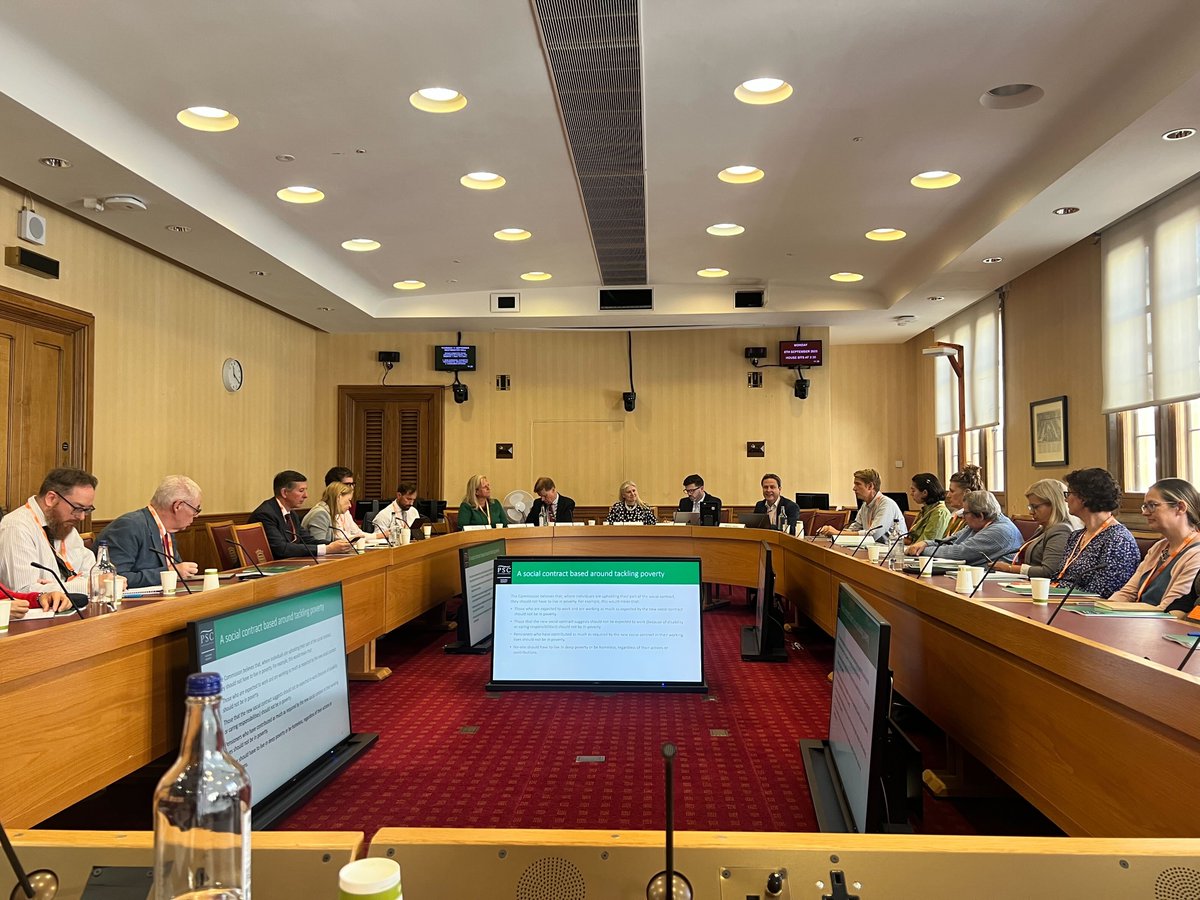
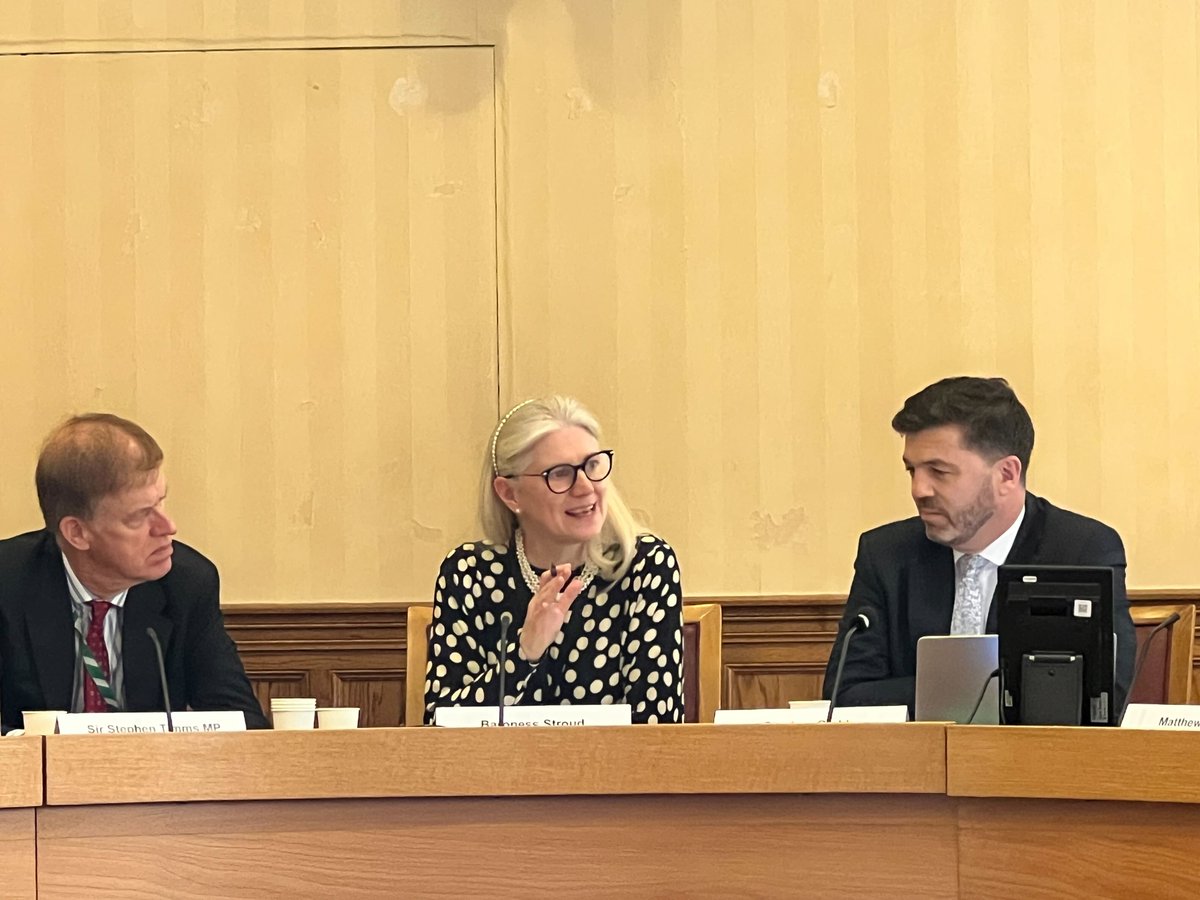
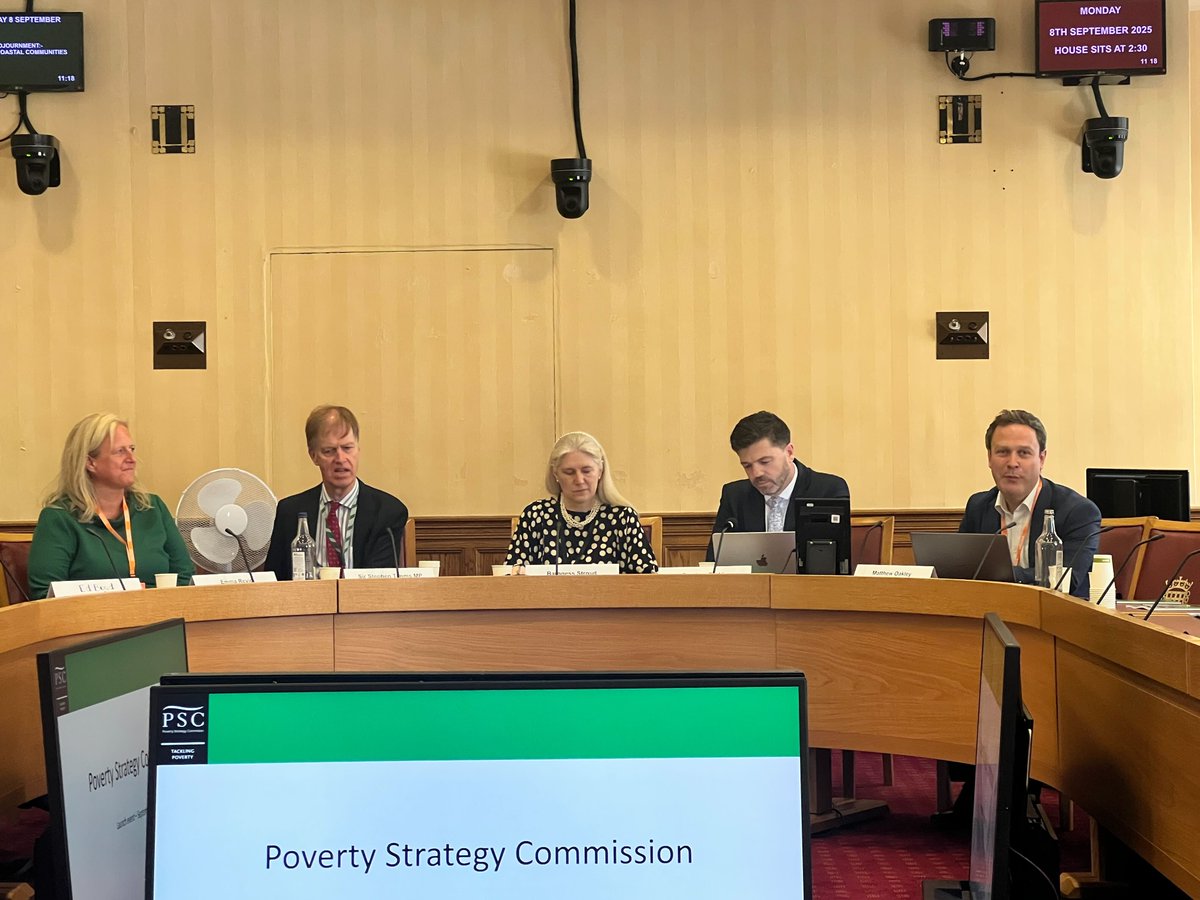
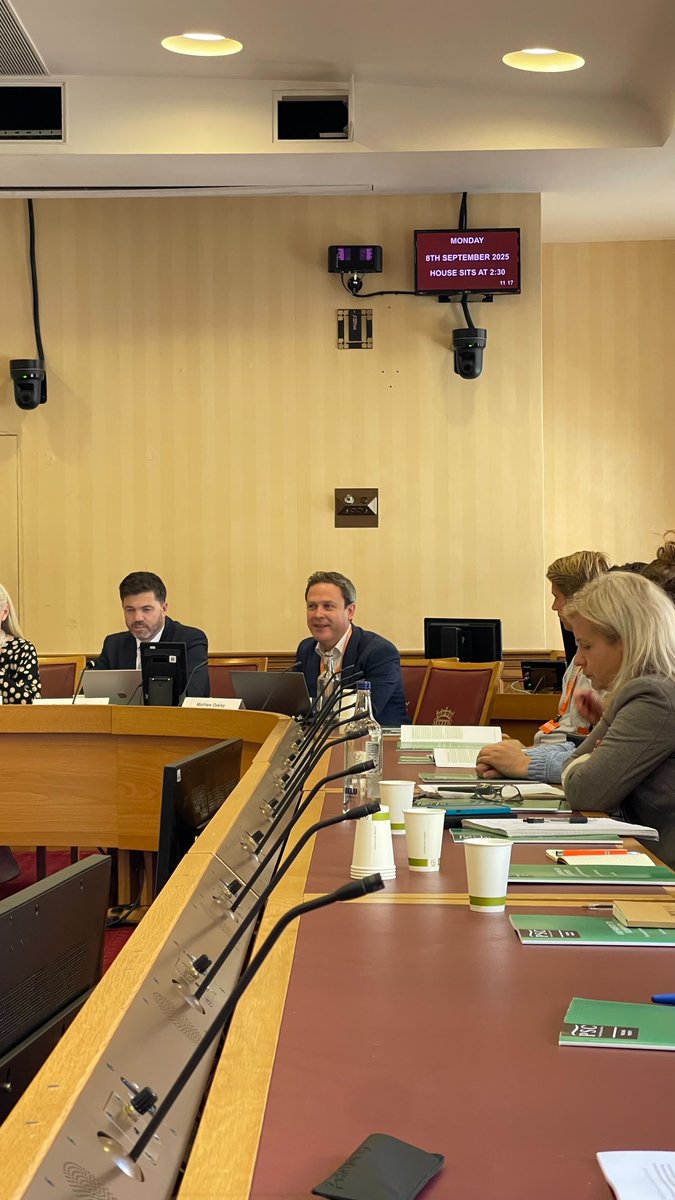
Today’s launch of the Poverty Strategy Commission highlighted the need for a joined-up, holistic approach to tackling poverty. Thank you to all who joined and to the Commissioners who shared their insights on driving change.
https://t.co/Fyk5R0Rnzo
#PovertyUK
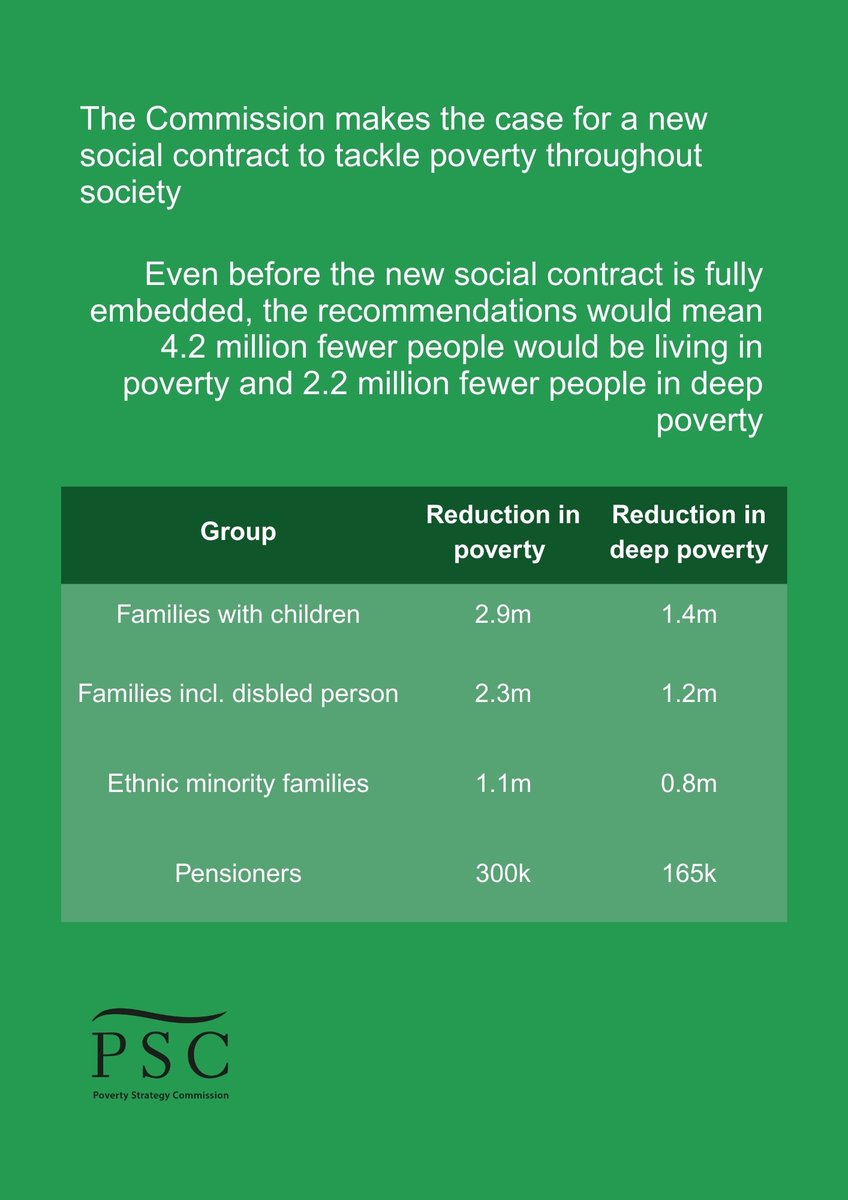
The Poverty Strategy Commission’s final report, published today, shows how the UK could eradicate deep poverty.
Implementing the Commission's recommendations could mean 4.2m fewer people in poverty and 2.2m fewer in deep poverty.
https://t.co/o8I0gVRqwT
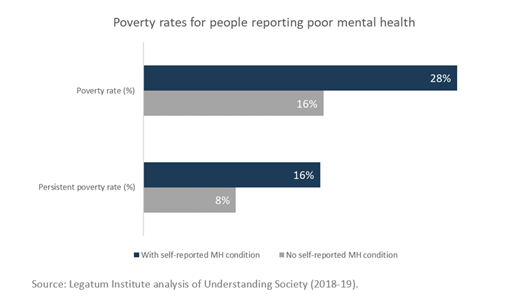
Equally, those reporting poor mental health a more likely to find themselves in poverty. Nearly one in three (28%) of those with poor mental health are in poverty, compared to 16% of those who do not report poor mental health. #NewPovertyMeasure
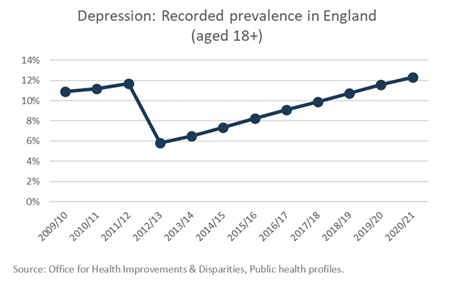
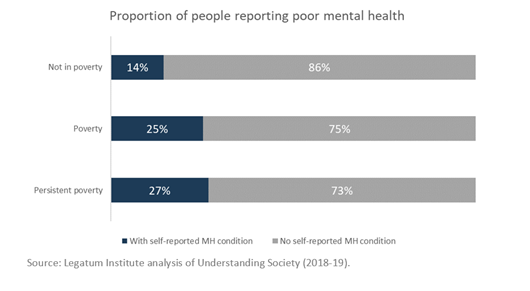
Following World Mental Health Day, we have explored the connections between poverty and poor mental health in the UK. The UK faces significant issues with poor mental health, with prevalence of both depression and anxiety on an upward trend: a thread. #WorldMentalHealthDay
Outcomes within the UK also vary dramatically. For example, those living in poverty are more likely to experience poor mental health. A quarter of those in poverty report poor mental health, compared to 14% of those above the poverty line.
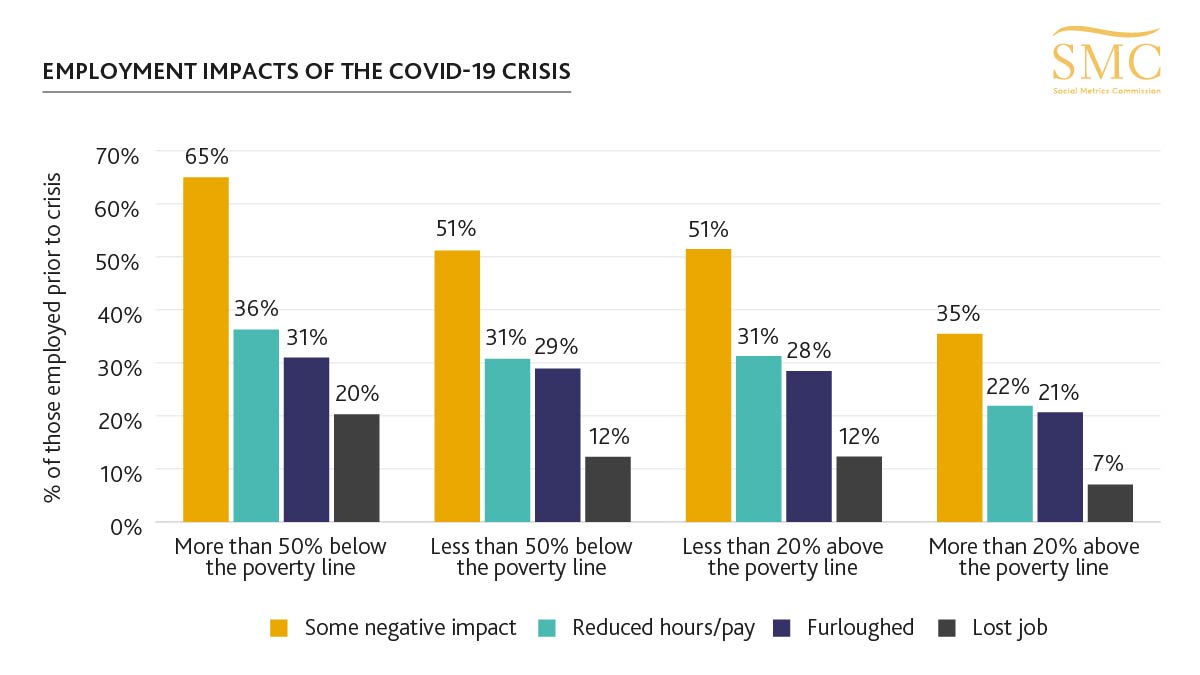
💡📊An SMC report based on YouGov survey data, highlights that, although the economic and employment impact of the #Covid19 pandemic will be significant for those already in #poverty, more people than not believe the crisis has brought society together.
https://t.co/jbHTwKSV3I
Why is the work of the SMC so important and what is the aim of the Commission? This short video emphasises the vital need for a #newpovertymeasure and demonstrates the role that the SMC can play as part of a comprehensive anti-poverty strategy.
https://t.co/gD2nAVlQBt
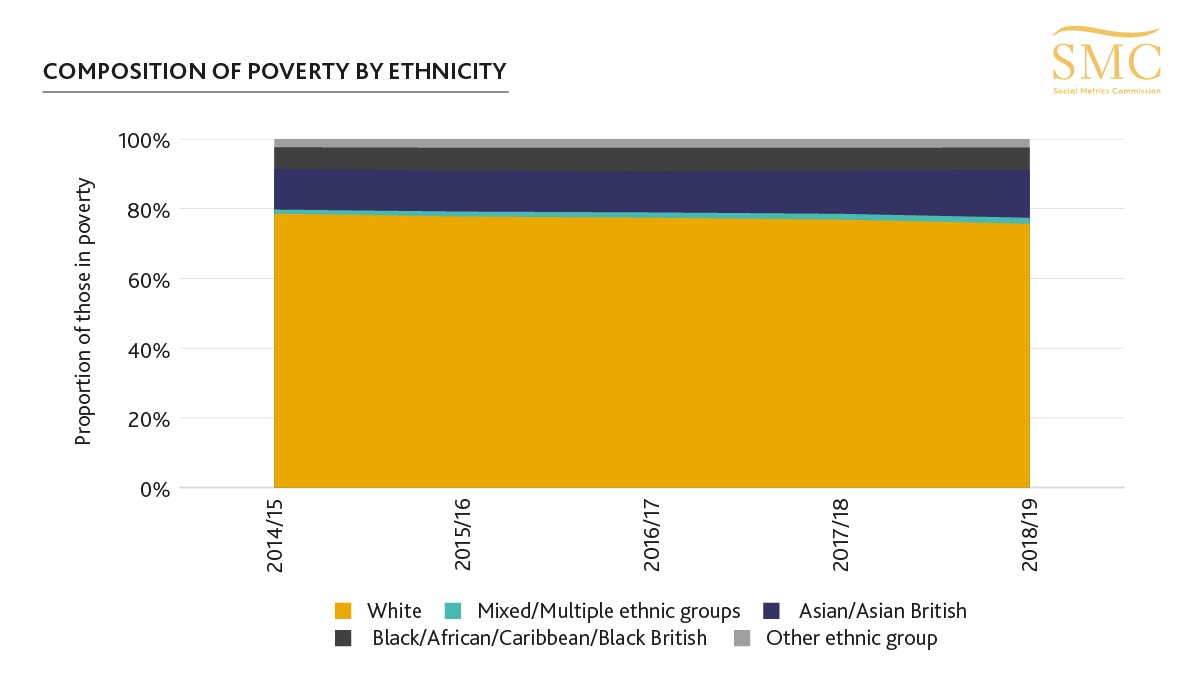
Our 2020 report shows pre #COVID, 75% of those in poverty (10.7 million people) in the UK were in families with a head of household who is White.
However, 46% (900,000 people) of all people living in families where the household head is Black were in #poverty.
"Covid has worsened #poverty and inequality, but vulnerable families have been struggling for a long time. Our approach to rebuilding the fabric of our society has to be more than rhetoric. Now is the time for substantive change." Chair, Baroness Stroud https://t.co/UEN1ItICgB
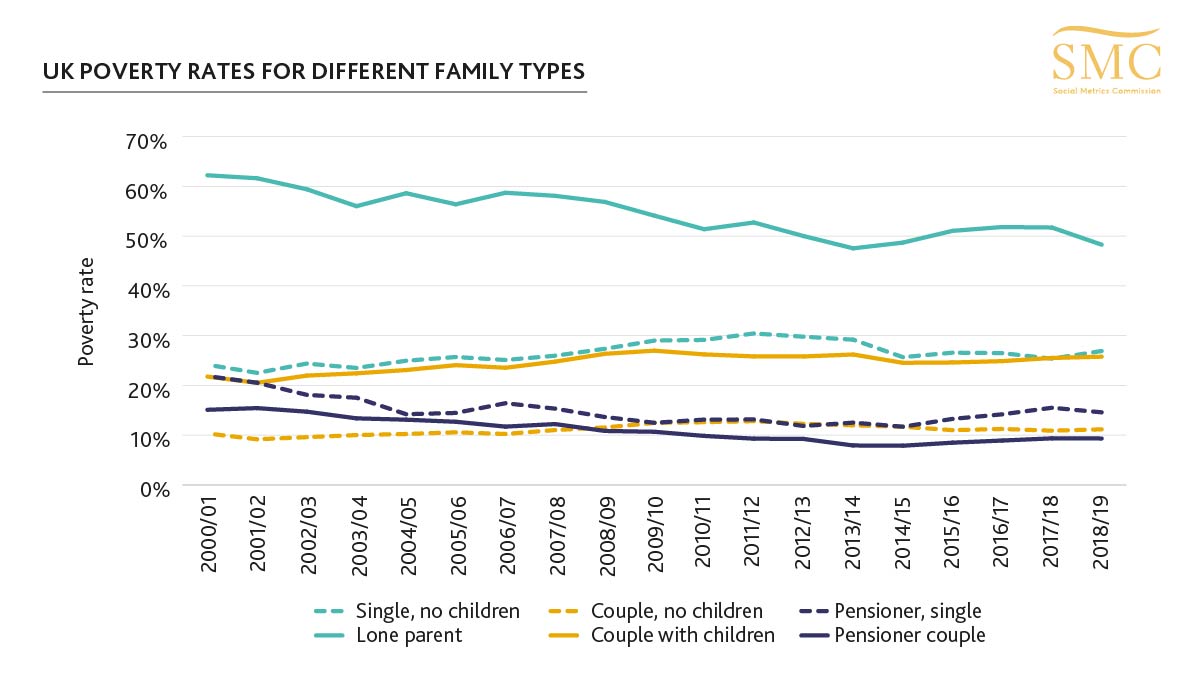
Our 2020 report showed that, pre-#COVID, rates of #poverty in the UK were higher among couples with children at 26% (5.9 million people) than couples without children at 11% (1.4 million people). Read more: https://t.co/wOD7ya0gFh
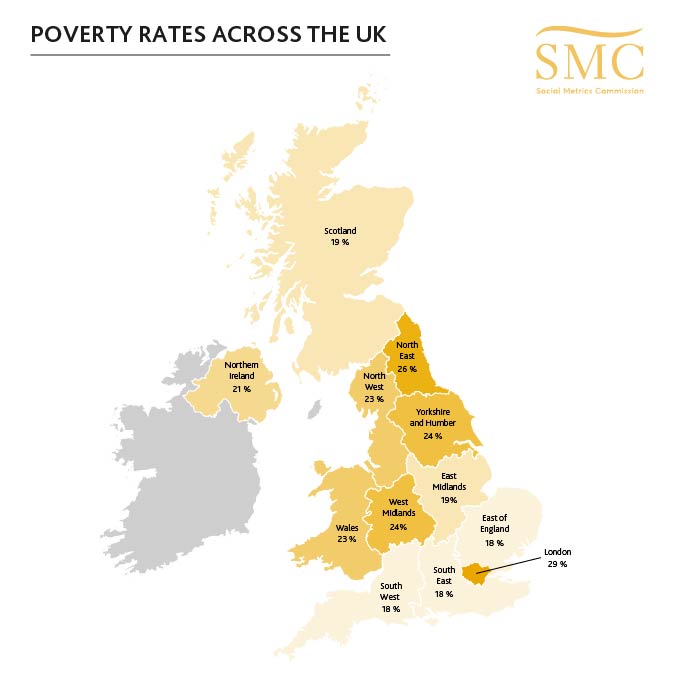
Our 2020 Measuring Poverty report revealed differences in #poverty rates between different regions of the UK. It is highest in #London at 29%, compared to just 18% in the South West, South East, and East of England. Find out more at https://t.co/wOD7ya0gFh
The Commission's approach doesn't just look at income but also the wider financial resources people rely on and the impact that inescapable costs such as #childcare and the cost of disabilities have on their ability to make ends meet.
Read more: https://t.co/wOD7ya0gFh
“Over the last 20 years, rising employment rates for those in poverty were helping families move out of deep poverty. Supporting employment, especially for those on the lowest incomes, must remain a key priority of Government.” SMC Chair Philippa Stroud
https://t.co/wOD7ya0gFh
Our Poverty and Covid report analyses how those employed prior to the crisis have fared and considers the lived experience aspects of the Commission’s poverty framework measure, including loneliness, engagement in society, and confidence over the future.
https://t.co/1Dj9NB5yA1
2/2 Before the coronavirus pandemic struck, there were 4.5 million people (7% of the UK population) living in deep poverty, up from 2.8 million (5% of the population) two decades ago.
Find out more: https://t.co/wOD7ya0gFh
1/2 Our 2020 report highlights that although the #poverty rate in the UK had remained largely unchanged over the last 20 years, there had been a significant increase in the proportion of people living more than 50% below the poverty line.
Our Measuring Poverty 2020 report shows that, pre #covid, #poverty rates varied significantly between English regions.
They were highest in #London (29%), the North East (26%), Yorkshire and Humber (24%) and the West Midlands (24%).
Find out more: https://t.co/mZp0B1vTcI
Our Measuring Poverty 2020 report shows how those employed prior to the #COVID19 crisis have fared since then in terms of their #employment and earnings.
Find out more: https://t.co/wOD7ya0gFh
“For a society that values compassion and justice, news that the proportion of people locked in deep poverty has increased over the last 20 years must act as wake-up call.” Read more of what our Commissioners and others have to say: https://t.co/V5sdOaLnM8