Postdoc at @MIT_CIS and incoming assistant professor at @LKYSch, studying the political economy of intellectual property rights and international trade.
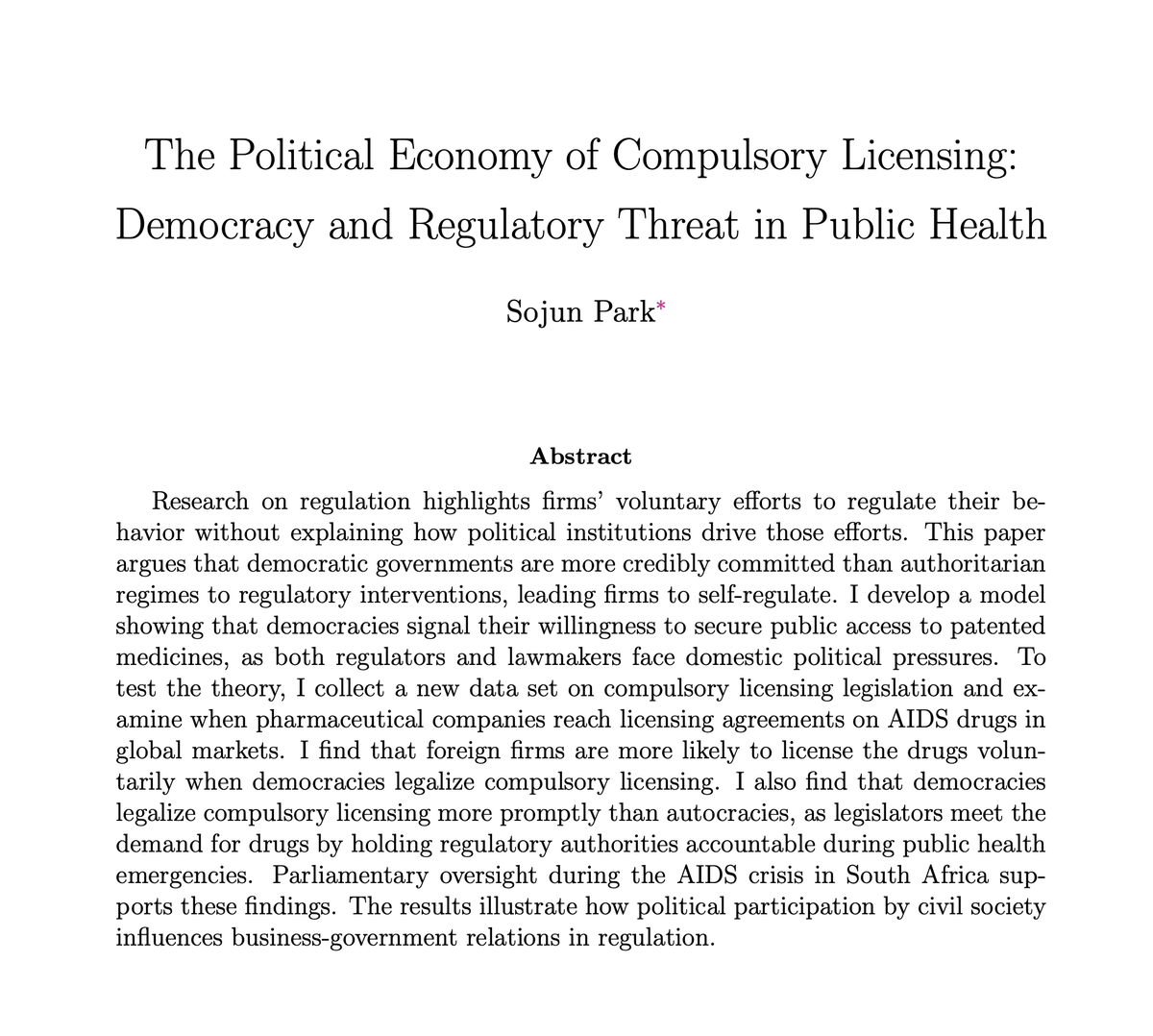
My paper, "The Political Economy of Compulsory Licensing: Democracy and Regulatory Threat in Public Health," has been accepted at Public Choice! It shows why foreign drug companies voluntarily licensed their AIDS patents in democracies during the AIDS crisis. 1/N
Our paper “Difference-in-Differences Designs: A Practitioner’s Guide” is now published in the Journal of Economic Literature. It took us a while but we are happy!
We put together a lot of material to make the paper useful in practice: https://t.co/30TbAgihlz
Hope you like!
My book will be published by Cambridge University Press this September! There is growing debate over whether federal employees should be easier to dismiss in order to make them more responsive to presidential directives. What would be the consequences of such a change?
Very excited to share this. One of the big challenges in studying geoeconomics is measuring how firms respond to pressure. The new GCAP Geoeconomic Monitor uses earnings calls + LLMs to track firm exposure and responses to tariffs, sanctions, and export controls in real time.
The International Political Economy Society's (IPES) Virtual IPES is calling for papers.
VIPES features a unique small workshop format, offering an online venue for authors to interact with and receive feedback from two to four members of the IPES community.
1/ Technology is always advancing. So what does it take to future-proof the law? My latest research in @IntOrgJournal argues that efforts to maximize legal clarity can actually undermine the law’s resilience.
https://t.co/RWqsiqEEsq
My research agenda on trade and intellectual property was featured in a recent MIT newsletter interview. I am truly grateful to @MIT_CIS for the opportunity to expand my research into both AI and green technology! https://t.co/6FXQuggWPm
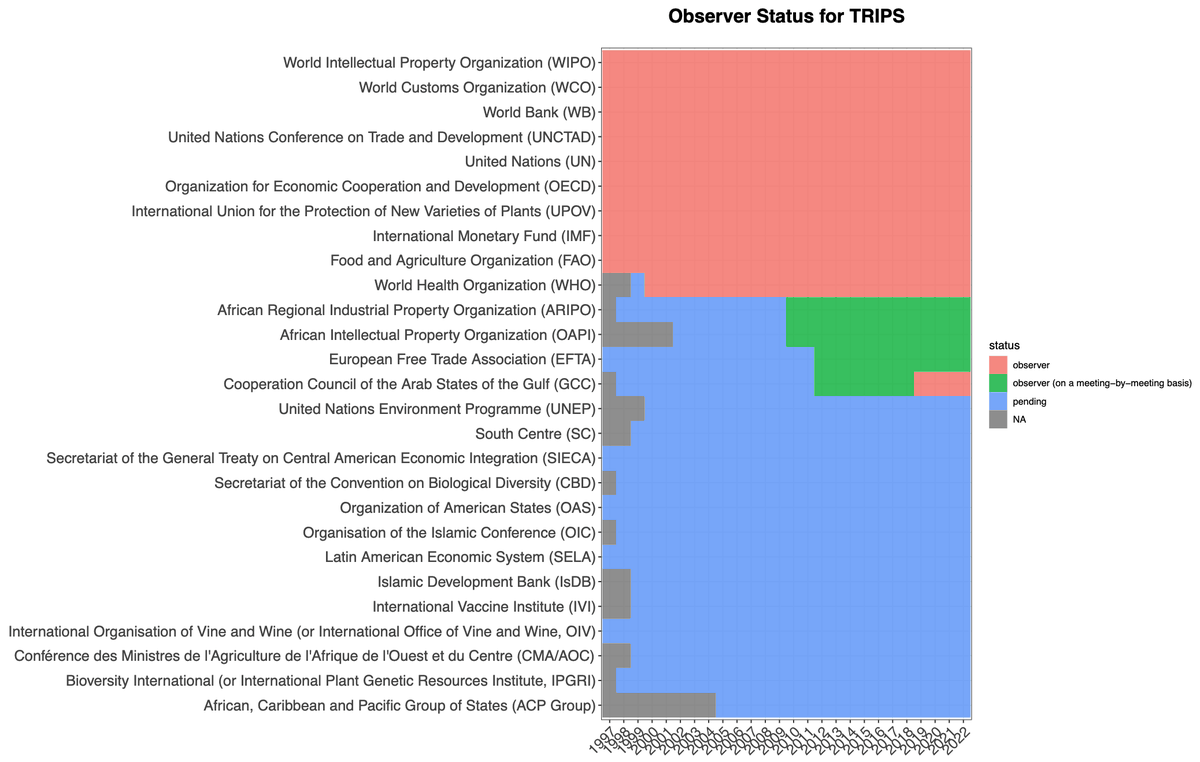
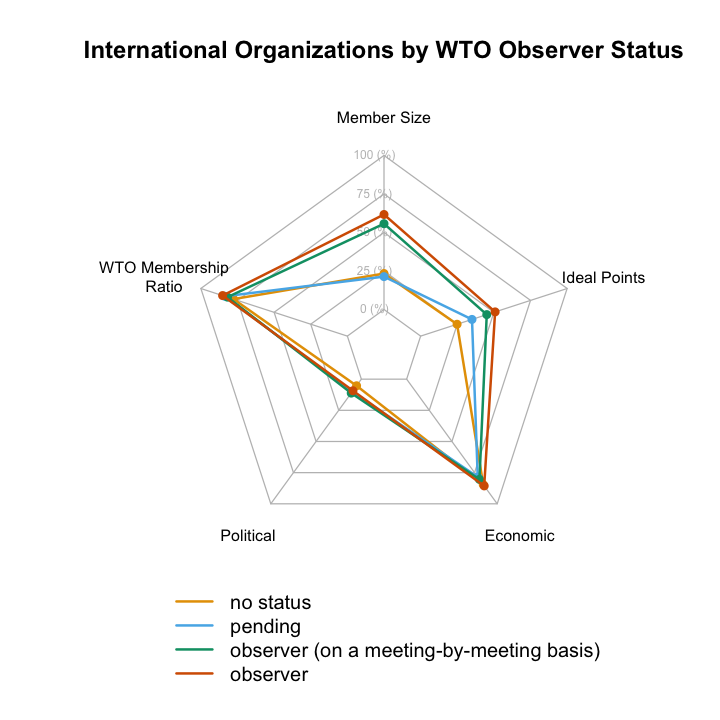
Attending #ISA2026? Check out our ongoing research (with @Sayumi_Miyano) on the determinants of WTO observer status for IOs, to be presented tomorrow! We study how geopolitical alignments among IO members shape WTO observer status decisions and information exchange between IOs.
This Guardian map suggests that Europe and others have started to vote more with China. A more careful look shows that the U.S. has changed; not the rest of the world. U.S. voting behavior has become so extreme that it practically breaks the scale of UN ideal point estimates.
Join us for the Political Economy of International Organization Conference (@The_PEIO) at the University of Texas at Austin, January 7-9, 2027. Submission is now open at https://t.co/mYLc0YKfI8. Thanks Terry Chapman, Dan Nielson, @goodhouses, @NateMJensen for hosting!
Happy to present my work in progress on the politics of AI technology diffusion at @MIT_CIS ! In this talk, I show that distributive trade conflicts between allies lead to AI technology spillovers across enemy lines.
Join us on February 9 at 12:00 PM in MIT Building E40-496 for the first Global Research & Policy Seminar of the spring semester. Sojun Park (@SojunPark2), a postdoctoral associate at @MIT_CIS , will examine how advanced technologies like AI cross geopolitical boundaries.
A Zoom option is available. Event details and RSVP here: https://t.co/lrxm8YSf99
@MIT_SHASS
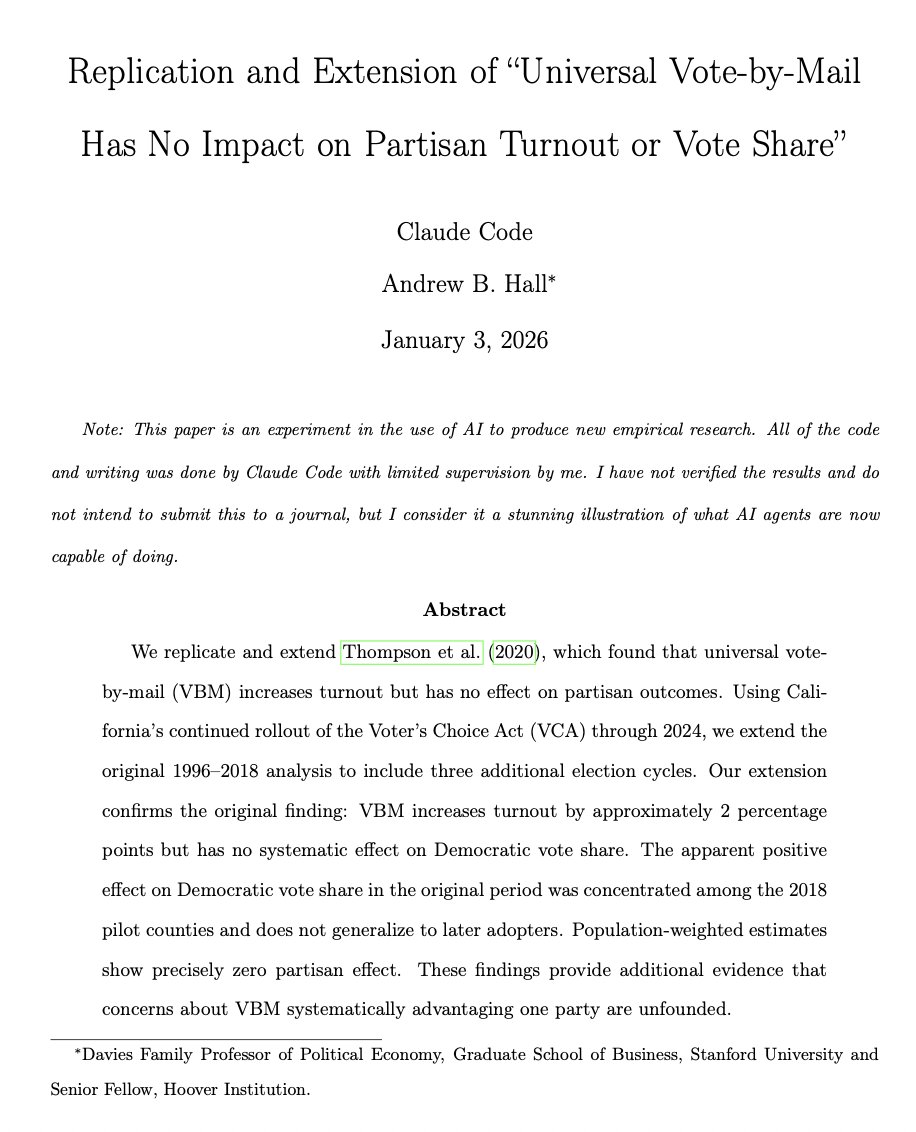
Here's proof that Claude Code can write an entire empirical polisci paper.
To validate my claim that AI agents are coming for polisci "like a freight train", today I had Claude Code fully replicate and extend an old paper of mine estimating the effect of universal vote-by-mail on turnout and election outcome...essentially in one shot.
After careful prompting, Claude Code:
(1) Downloaded the old paper's repo and replicated the past results, translating our old Stata Code into Python
(2) Crawled the web to get updated official election data and census data
(3) Ran new analyses extending the results through 2024
(4) Created new tables and figures
(5) Performed a lit review
(6) Wrote a wholly new paper
(7) Pushed the whole thing to a new github repo
The whole thing took about an hour.
This is an insane paradigm shift in how empirical work is done.
It also validates the point that several people including @BrendanNyhan made yesterday---it's going to be especially easy to scale observational research with AI.
Thanks to @alexolegimas, @arthur_spirling , and many others who gave me feedback. .
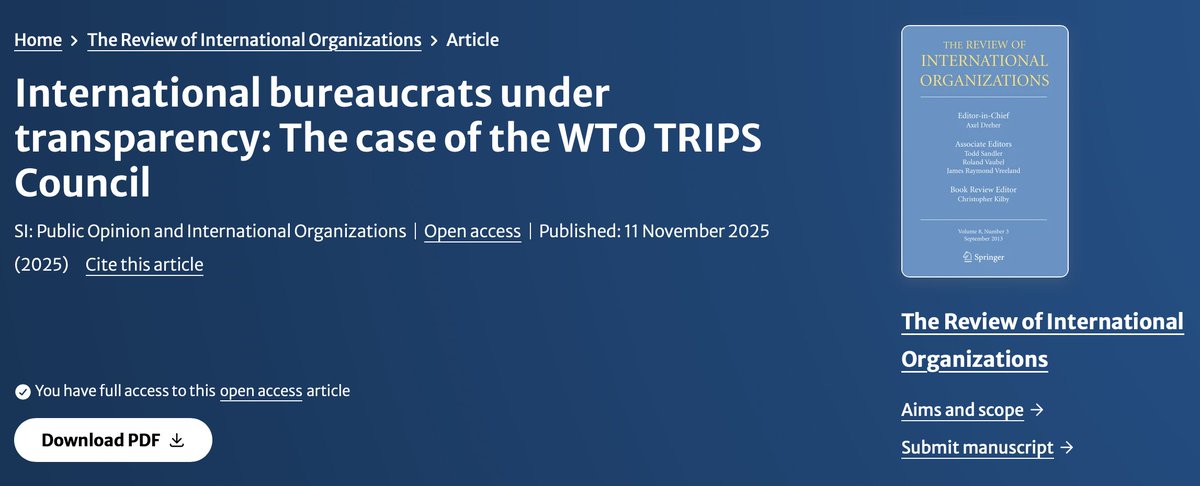
Happy to share our article on transparency and the WTO Secretariat is now open access at @The_PEIO! Many thanks to @minjulisettekim for the great collaboration. Also check out the other articles forthcoming in the SI on Public Opinion and IOs by @JonasTallberg and Lisa Dellmuth.
How does transparency affect the behavior of international bureaucrats tasked with facilitating negotiations? In new work with @SojunPark2 in @The_PEIO (https://t.co/Q2dY5O6abL, it’s open access!), we provide an answer in the context of the WTO. 🧵
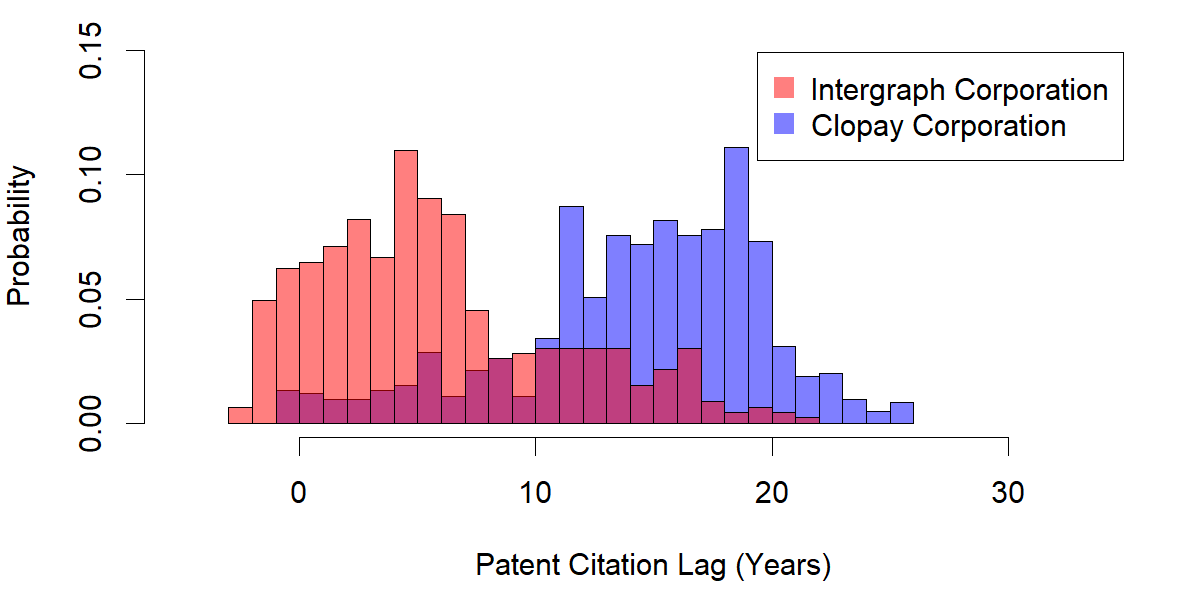
@RIPEJournal We find that rapidly innovating U.S. exporters with shorter patent lifecycles demand lower tariffs and seek limits on patenting and regulatory delay. This finding highlights new directions for firm-level trade politics research on the U.S.–China technological rivalry. 3/3
Thrilled to share that my paper with Iain Osgood, Jieun Lee, and Sujin Cha is now available at @RIPEJournal and it’s open access! We examine how the rate of innovation shapes the politics of trade agreements and intellectual property enforcement. 1/3 https://t.co/IrYbyuiqif
@RIPEJournal We estimate the speed with which existing products become obsolete using U.S. patent citation lags and combine these with data on U.S. public support for trade agreements and ITC adjudications of patent infringement through Section 337 investigations. 2/3