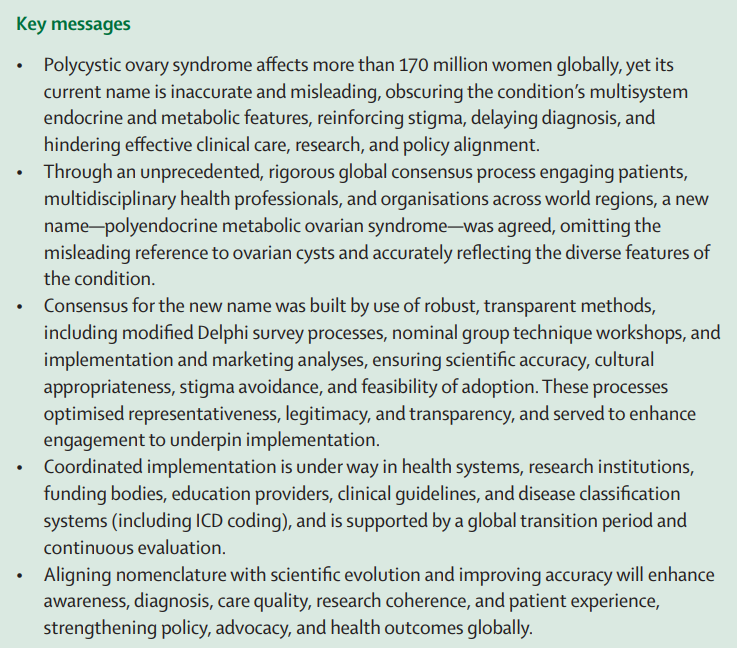
Experts reach consensus to rename polycystic ovary syndrome (PCOS), better reflecting the condition’s full health impacts.
Find out more 👉 https://t.co/Azue7YDFcn @ESEndocrinology#ECE2026
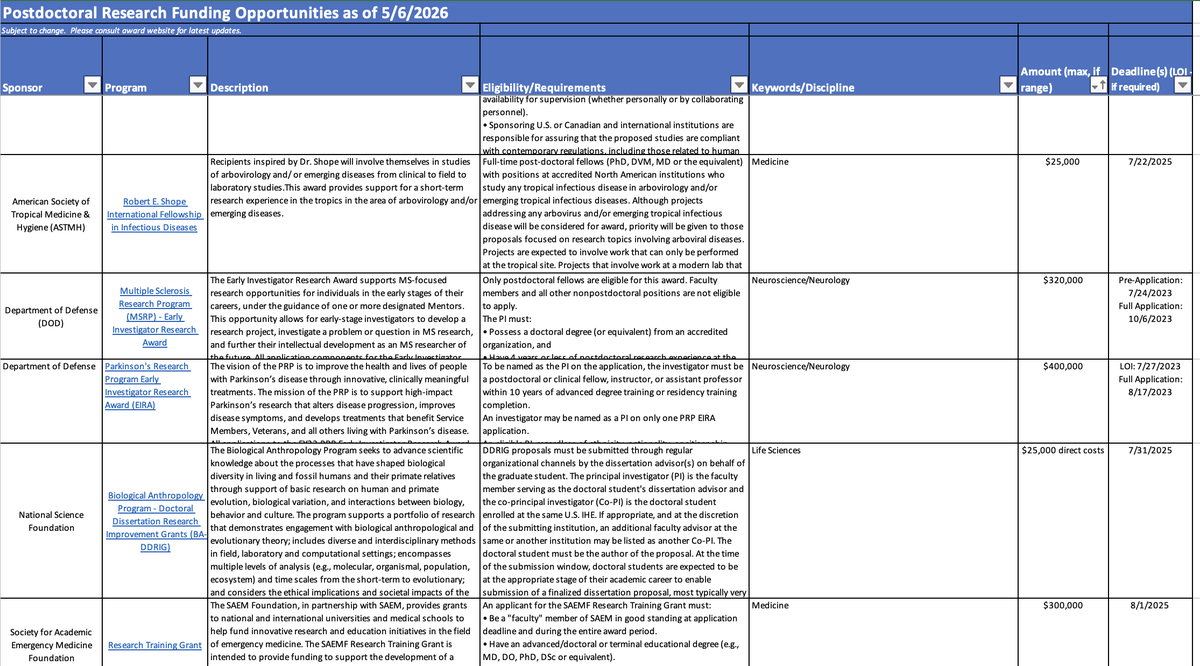
Download our updated database of postdoc fellowships from different foundations and agencies.
We identified 275 fellowships. For each entry, we provide description of the fellowship, focus, amount, deadline, eligibility, etc.
Download this database here: https://t.co/EbTahdzbkp
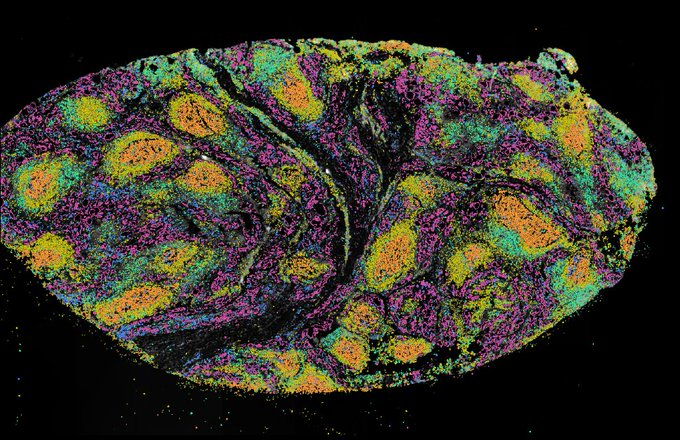
Somatic mutations in autoimmune lymphocytes may allow them to escape tolerance constraints through a polyclonal cascade of somatic evolution @Nature@imartincorena@sangerinstitute@IMS_MRL@CUH_NHS
https://t.co/JXTiHOokqi
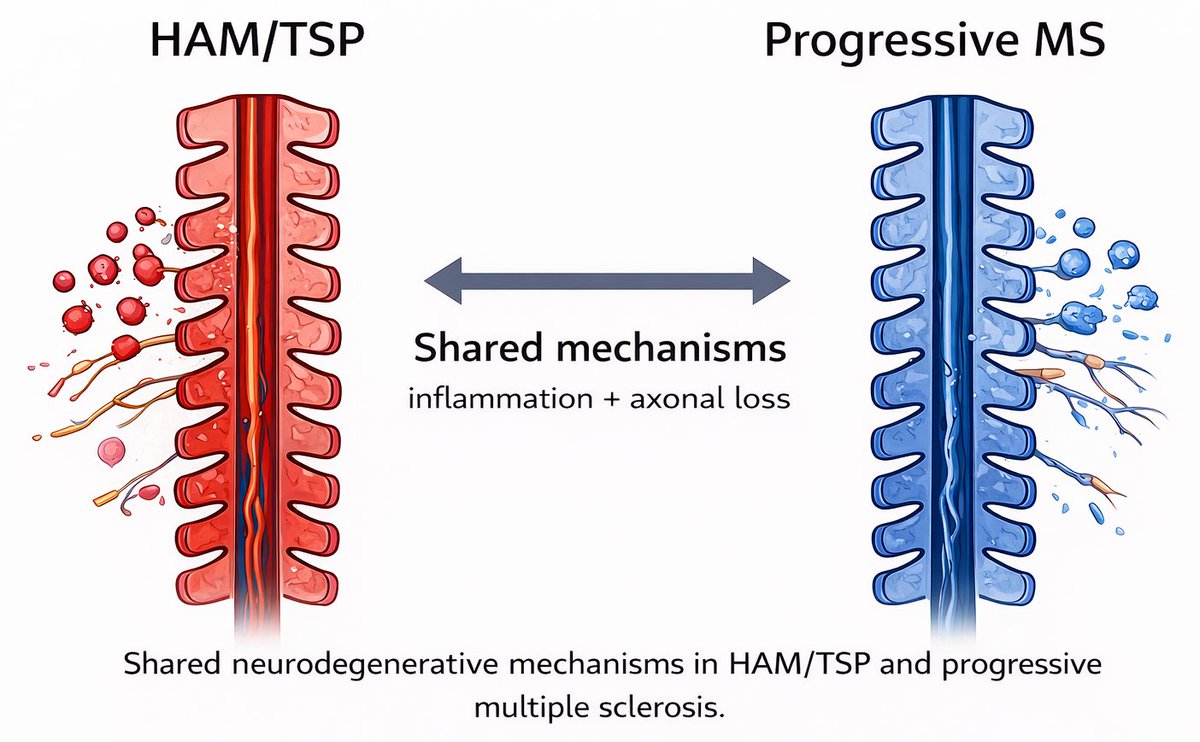
Silva et al. show that HTLV-1-associated myelopathy/tropical spastic paraparesis (HAM/TSP) shares key inflammatory and neurodegenerative pathways with progressive MS, highlighting its value as a model of chronic inflammation-driven neurodegeneration. https://t.co/9Fcr1z4iF9
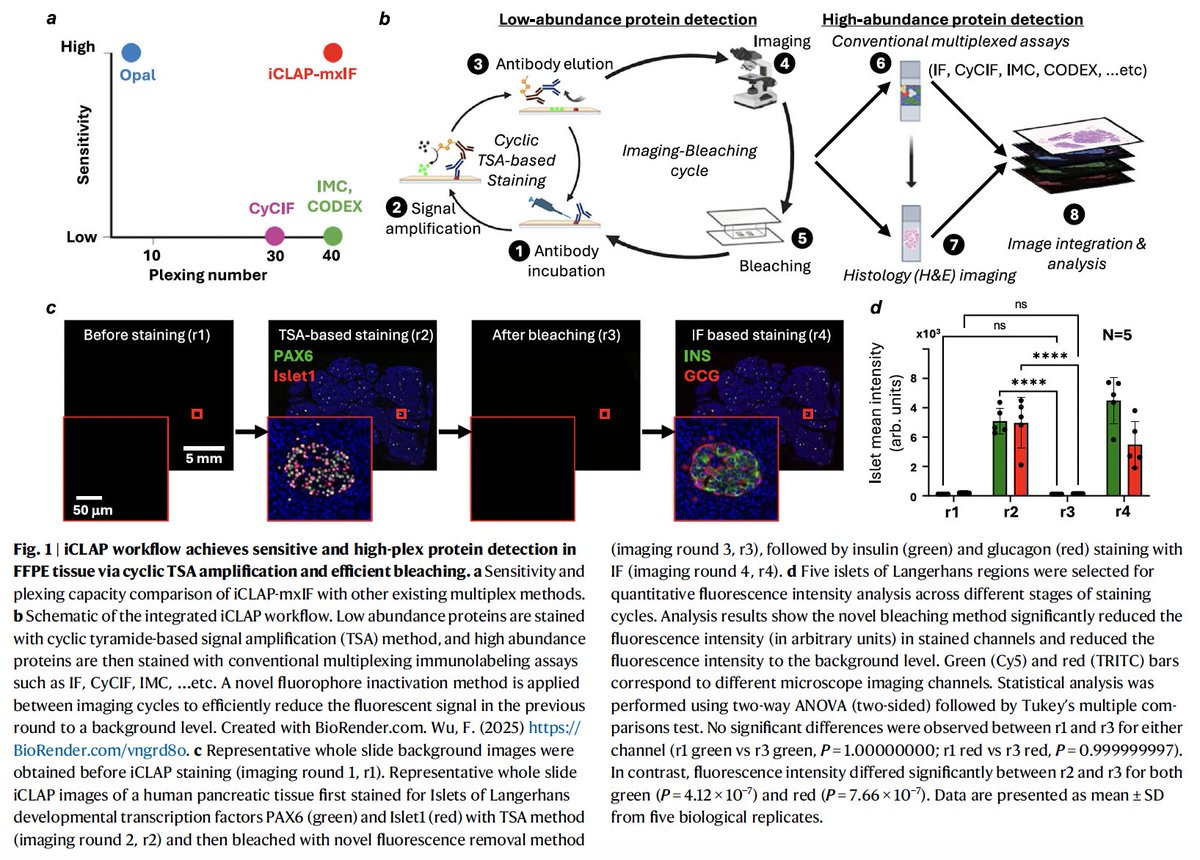
My colleague Prof. Wu and our group have developed iCLAP to address the common problem of difficult detection of low-abundance antigens with immunostaining.
Read about it here: https://t.co/QqWCHZXelc
The production and accumulation of aberrant proteins can have serious pathological consequences.
In a new #ScienceReview, researchers explore how organisms maintain the extracellular proteome.
They describe a hierarchical framework for the monitoring, repair, and clearance of aberrant or pathological proteins and suggest possible ways to improve health and prevent protein-misfolding diseases by promoting these pathways. https://t.co/f8mtn5akVW
In an unprecedented observation, researchers in Science captured the birth of a sperm whale calf, documenting how 11 whales from two normally separate family groups coordinated closely to support the newborn for hours after its arrival.
These findings offer quantitative evidence of direct communal caregiving in cetaceans and suggest that short-term, highly coordinated cooperation during critical moments like birth may play a foundational role in maintaining the complex social structures seen in sperm whale societies.
Learn more: https://t.co/GEXycJd4a5
Butterfly populations across the U.S. are in alarming decline, according to a 2025 Science study, with total abundance falling by 22% in just 20 years.
Such widespread and worrisome losses portend broader environmental threats and emphasize the urgent need for conservation action. https://t.co/Un9IacvMKN #ScienceMagArchives