Meanwhile, Nigerian cities desperately need to bring back urban planning. There is no good reason for everywhere to look like dustbin. We are not cursed.
Tomorrow, June 3 (Wednesday), is Election Day in South Korea🇰🇷🗳️
It marks the country’s nationwide local elections, where voters choose mayors, governors, local council members, district heads, and education superintendents.
It is also designated as a public holiday.
People often talk about intelligence, talent, creativity, and ambition but one of the most underrated skills in adulthood is consistency.
Many people know what they should do. Many people have good intentions. Many people have dreams and plans. The difference is that some people continue showing up long after motivation disappears.
Consistency is not exciting. It rarely goes viral. It does not produce dramatic overnight transformations. Instead, it quietly compounds over months and years until the results become impossible to ignore.
Most achievements are not the result of one extraordinary effort. They are usually the result of many ordinary efforts repeated consistently over time. The ability to keep going when things become repetitive is one of the greatest advantages a person can develop.
Happy new month, happy new week 🍃
One random culture shock I experienced in Korea was realizing scissors are completely normal dining tools here.
The first time I saw scissors casually brought out in a café and restaurant setting, I was genuinely confused. Then I realized Koreans use them for everything; cutting noodles, meat, bread, pizza, kimchi, and even large drinks or packaged food sometimes.
At first it felt unusual because in many countries scissors are mostly associated with kitchens or offices, not directly placed on dining tables. But after living in Korea for a while, I also started reaching for the scissors naturally too because honestly, they’re very efficient.
Since animal slaughter is heavily regulated in Korea, many Muslims usually arrange Qurbani through certified halal organizations, Islamic centers, or specific halal butchers rather than handling it privately the way it may happen in some other countries.
People often book their Qurbani in advance, contribute payments, and receive portions of the meat later after the sacrifice is completed according to Islamic guidelines.
In larger Muslim communities especially, there is also a strong sense of togetherness during the process. Groups of friends, families, mosque communities, or people from the same country sometimes contribute collectively toward larger animals and then gather later to divide and distribute the meat among themselves. The process itself becomes social with people meeting up, helping with sharing portions, exchanging food, laughing, and spending time together after prayers.
For many Muslims living far from home, that shared experience helps recreate some of the warmth and communal feeling of Eid back in their own countries.
In cities like Seoul, Ansan, Daegu or areas around central mosques, the atmosphere during Eid becomes very lively. You see Muslims from many different countries gathering together for prayers, exchanging food, sharing meat, and celebrating as a community despite being far from home.
One thing I appreciate is how Eid in Korea feels very international. At some gatherings, you might meet Nigerians, Indonesians, Pakistanis, Arabs, Turks, Uzbekistans and Koreans all celebrating together in the same space.
CCECC Nigeria’s Survey & Design Team is hiring in Abuja. We are recruiting full-time professionals in engineering and design to support infrastructure projects across Nigeria. Apply now and become part of our growing team.@CCECCNigeria
I drive a 2017 Hyundai SantaFe now.
I have become a police repellent compared to when I drove my Lexus.
They must assume it's some big Alhaji wife that is inside.
Not once have police stopped me since I started driving this car.
Car profiling is real.
Celebrating Eid in South Korea feels very different from celebrating it back home in Nigeria. One of the biggest differences is that Eid is not a public holiday here, so for many Muslims, life continues almost normally around you. People still go to work, classes continue, and the streets move with their usual routine while you are trying to hold onto the feeling of a special day.
At the same time, there is still a quiet sense of community among Muslims in Korea. Mosques become very lively during Eid prayers, and you meet people from many different countries all celebrating together far away from home. In those moments, the feeling of distance softens a little because everyone is trying to recreate warmth, joy, and familiarity in their own way.
I think celebrating Eid abroad also makes you appreciate home differently. You miss the noise, family gatherings, food, clothes, greetings, and the general atmosphere that naturally surrounds Eid in Muslim-majority communities. But somehow, even in a country where Eid is just another regular day to most people, you still find ways to make it meaningful.
Young footballers aspiring to go to Europe from Nigeria, should follow Abiola Dauda.
We rarely see ex pros share a lot of details, but he does.
From sharing about football agents’ dealings, to his experience across Europe, to family back home, to the struggles of not playing regularly, loans, etc.
Getting these first hand stories is something that would be beneficial to everyone in the football business.
Follow him asap.
We @fmitiofficial remain committed to supporting Nigerian exporters with direct access, affordable logistics, and the full benefits of the AfCFTA. Through our partnership with @flyrwandair, we have activated three new destinations - Kigali, Harare, and Lusaka - while offering rebated cargo rates that are 50% to 75% cheaper than standard commercial options.
Thank you to our partners @flyrwandair and @UNDP for making this happen, and to the resilient entrepreneurs expanding Nigeria's economic footprint across the continent.
Applications for our inaugural mid-June shipment are currently open -
visit the link below to register. 🇳🇬🤝🌍
https://t.co/u8CvsuaG4y
#WeMove🇳🇬🇳🇬🇳🇬🌍🎯 #HMIndustryTradeInvestment #FMITI
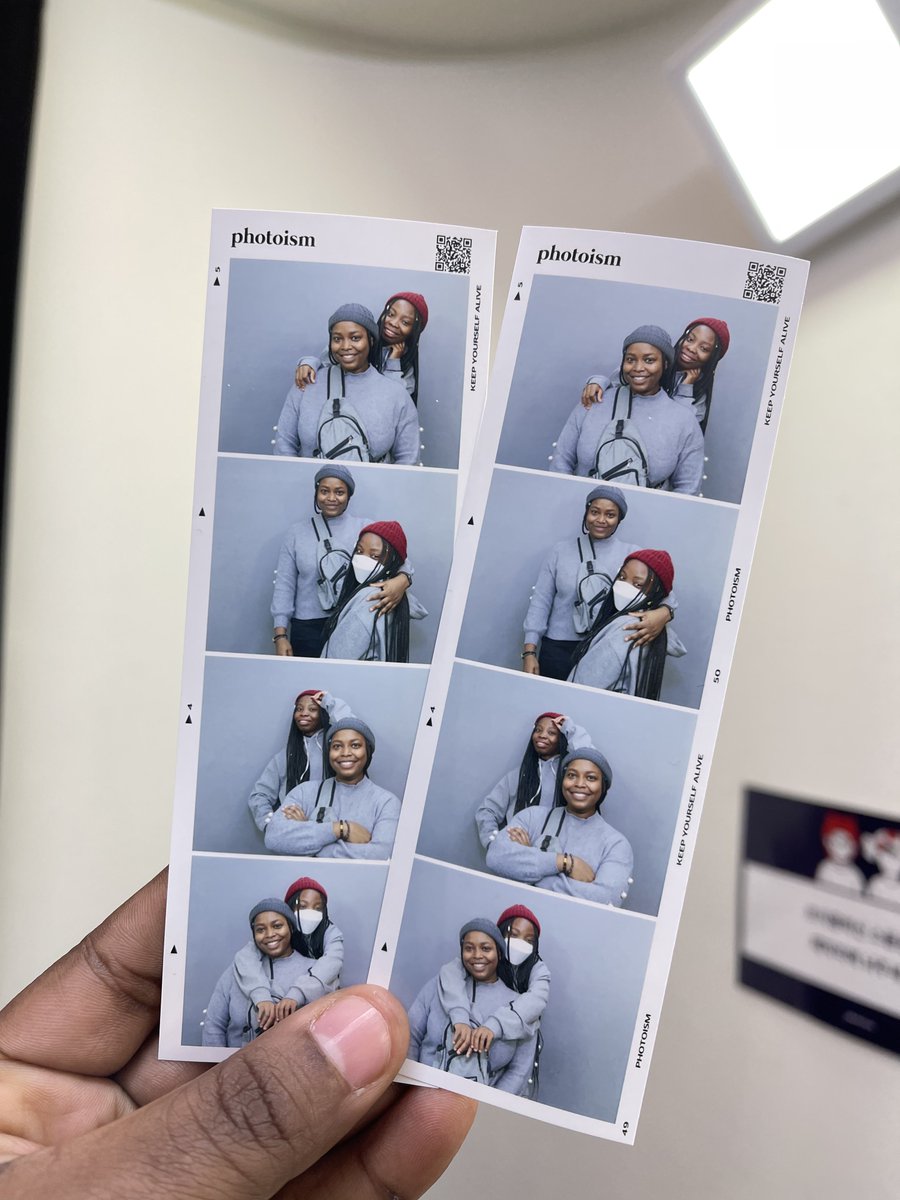
I’m obsessed with these photo studios and I’d always take a picture on every outing. It doesn’t help that there’s at least one in every neighbourhood 😩😭
The photo printout of 2 copies usually cost about 4,000-6,000 usually. Each studio has its uniqueness and I’m always excited to try new ones.
They’re open 24/7, unmanned and all you need is your cash or ATM card. You enter the booth, take your photos following the prompt on the screen and get an instant printout! You’re welcome to try all the props provided too, so exciting 😍
If a public holiday falls on a weekend in Korea, people often get the next working day off instead as a substitute holiday. For instance, Sunday was Buddha’s Birthday, so Monday was observed as the substitute holiday.
It makes planning life much easier because people can roughly predict how many actual days off they will enjoy in a year without losing holidays to weekends. It also gives workers, students, and families more opportunities to properly rest, travel, or spend time together instead of feeling cheated by the calendar.
Honestly, it feels like a small policy decision, but it quietly improves work-life balance more than I realize.
I’m obsessed with these studios and I’d always take a picture on every outing. It doesn’t help that there’s at least one in every neighbourhood 😩😭
The photo printout of 2 copies cost about 4,000-6,000 usually. Each studio has its uniqueness and I’m always excited to try new ones.
Today is Tuesday but it feels completely like a Friday because tell me why Buddha’s Birthday holiday was yesterday and tomorrow is Eid. My brain is not even receptive of anything anymore.
Anyways, I had a quick stop at the olive young store, one of their branches is near my university.
I got a new sunscreen and made a video about it cos “life of a creator” 🙄
#everythingiscontent
The thing I especially love about the convenience stores here is the 1+1, 2+1 deals they always have going on. You mean I can get two drinks for the price of one? Sign me up!
They have almost everything in there too… Imagine my surprise seeing flour in one of these 7-11s. I am also obsessed with that banana milk btw😩
Your brain treats repeated exposure as truth more often than people realise; the more consistently you see, hear, or experience something, the more “normal,” believable, and acceptable it starts feeling to you over time, even when it originally seemed strange.
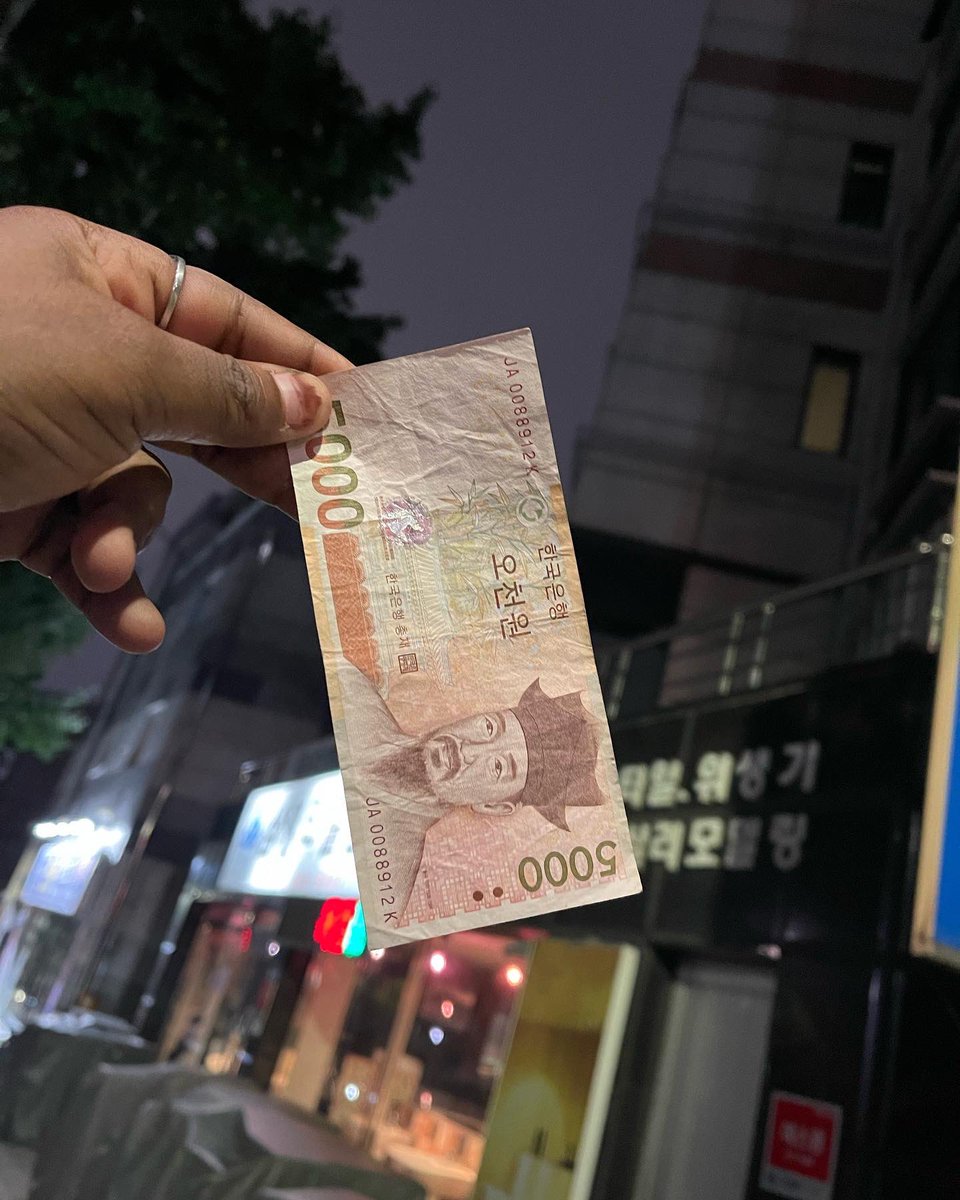
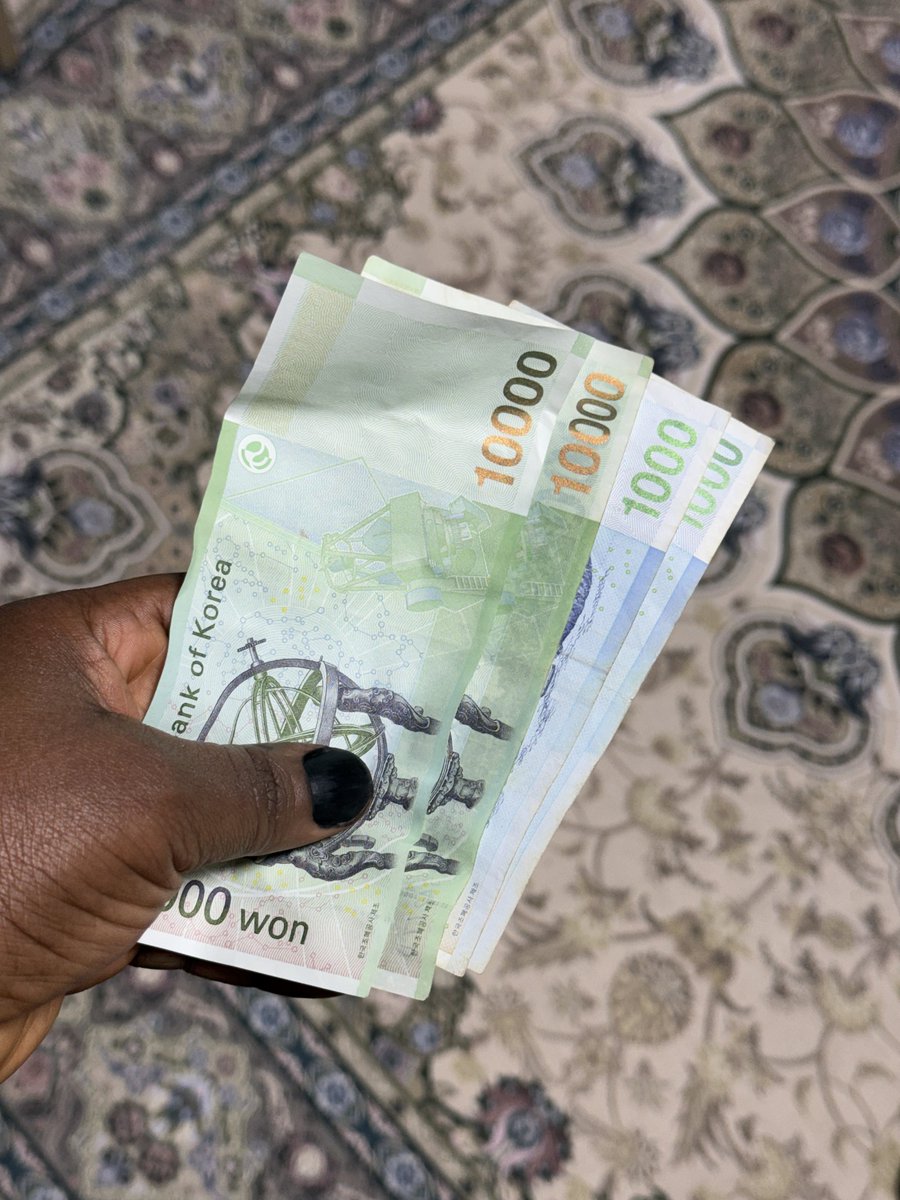
South Korea’s currency is the South Korean won (₩), and the country actually operates with relatively few cash denominations compared to some other countries.
There are four main banknote denominations: ₩1,000, ₩5,000, ₩10,000, and ₩50,000. The coin denominations are ₩10, ₩50, ₩100, and ₩500. Interestingly, ₩1 and ₩5 coins technically still exist, but they are rarely used in normal daily life anymore.
The ₩50,000 note is the largest denomination in Korea, and many people, myself included, initially think it sounds too large. However, in practice, it actually makes sense within Korea’s economy.
While “50,000” sounds huge numerically, the actual purchasing power is not extreme. It only feels psychologically large because the Korean won uses larger numerical values overall.
For example, a simple café drink can already cost ₩5,000–₩7,000, Korean BBQ for groups can easily exceed ₩50,000, and transportation, groceries, and shopping add up quickly. Without the ₩50,000 note, people would constantly carry thick stacks of ₩10,000 bills everywhere.
In my opinion, the reason South Korea can comfortably maintain a high-denomination bill is because the country is now heavily cashless. Most people use debit cards, credit cards, KakaoPay, Naver Pay, Samsung Pay, transportation cards, and other digital payment systems. So even though the ₩50,000 bill exists, many Koreans barely carry much cash at all anymore.


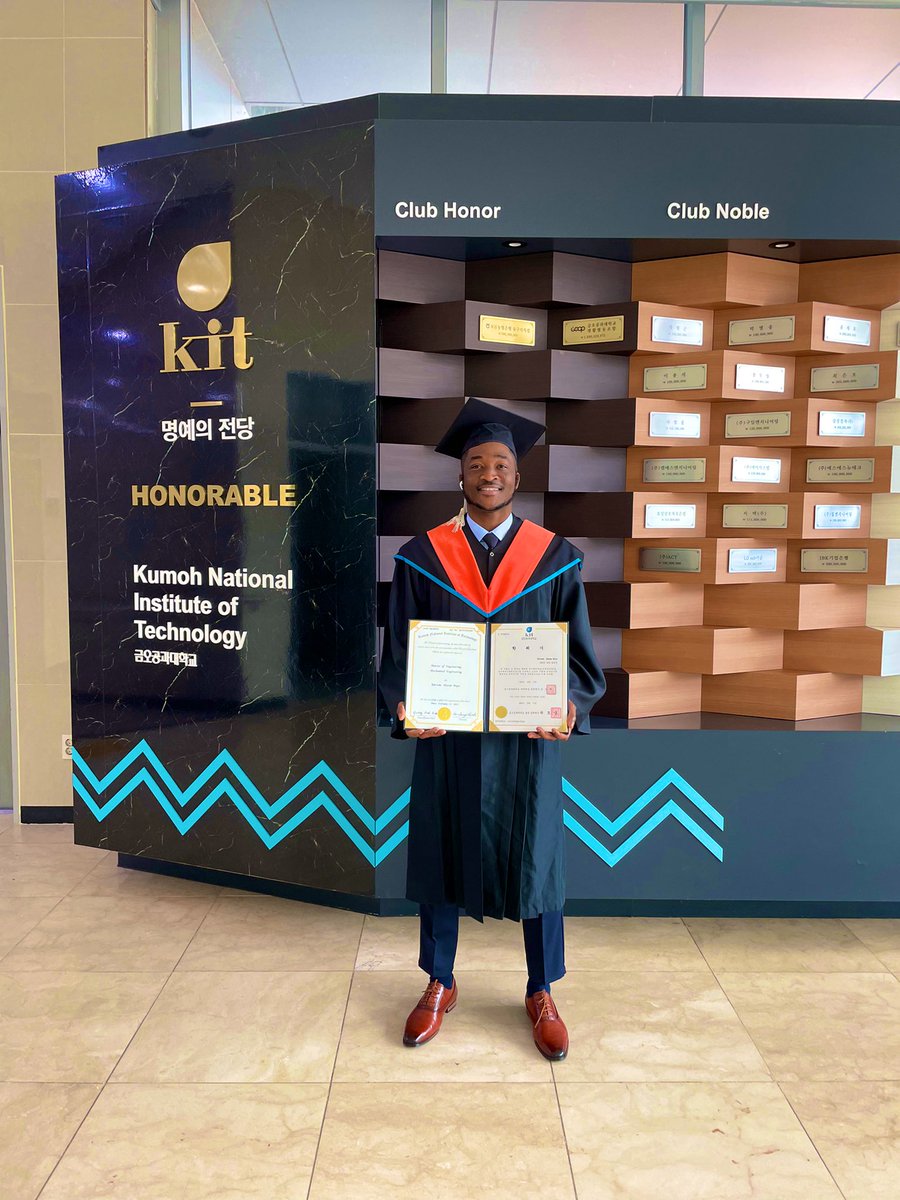


![mus_toyy's tweet photo. …تَقَبَّلَ اللّهُ مِنَّ وَ مِنْكُمْ
(TaqabaLlahu Minna Waa minkum)
May Allah accept [this worship] from you and us, Amin.
Eid Mubarak🌙❤️ https://t.co/DabpOEtpb8](https://pbs.twimg.com/media/HJTpcoPa4AAWibu.jpg)
![mus_toyy's tweet photo. …تَقَبَّلَ اللّهُ مِنَّ وَ مِنْكُمْ
(TaqabaLlahu Minna Waa minkum)
May Allah accept [this worship] from you and us, Amin.
Eid Mubarak🌙❤️ https://t.co/DabpOEtpb8](https://pbs.twimg.com/media/HJTpcoOaIAAkksM.jpg)
![mus_toyy's tweet photo. …تَقَبَّلَ اللّهُ مِنَّ وَ مِنْكُمْ
(TaqabaLlahu Minna Waa minkum)
May Allah accept [this worship] from you and us, Amin.
Eid Mubarak🌙❤️ https://t.co/DabpOEtpb8](https://pbs.twimg.com/media/HJTpcoLaIAAl2qU.jpg)






![mus_toyy's tweet photo. …تَقَبَّلَ اللّهُ مِنَّ وَ مِنْكُمْ
(TaqabaLlahu Minna Waa minkum)
May Allah accept [this worship] from you and us, Amin.
Eid Mubarak🌙❤️ https://t.co/DabpOEtpb8](https://pbs.twimg.com/media/HJTpcoPbEAAbpNZ.jpg)