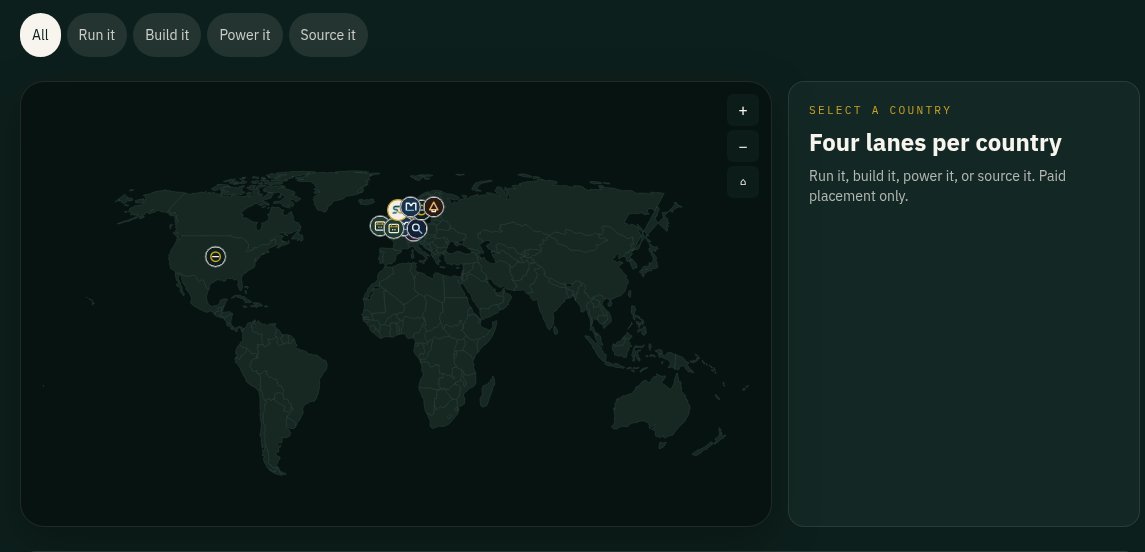
The launch found the question. Now answer it.
Who actually gets the call?
Quote this post with:
Company. Country. Lane. Why.
Tag the company if they are on X.
Four $50 prizes. One per lane.
https://t.co/m8wKuEl2jI
@TIPIncMSP Still chasing vendors?
Still planning for the next failure?
Then IT is still on your plate.
You did not buy relief.
You rented a ticket queue.
Ask what weekly work actually disappeared.
@snyxz_@softlifecreator@whop@cultured@czoob3 A partner program can change the rules. It cannot rewrite the ledger. Freeze the old cohort. Publish the date. Reconcile the referrals. Otherwise “early partner” means early exposure to retroactive risk.
@RodCam24 Smarter support is not a slogan. Show the month. Planned work. Reactive work. Improvement work. If the provider cannot show the mix, scaling is still a promise.
@geekyants Everyone says “partner.” But the clocks are different. Staff aug: sprint board. SI: program calendar. AI specialist: spike. Same word. Three different clocks.
@MichelRajkovaca One forced ask is a referral.
An insurer asks. The board asks. The RFP asks.
Fine.
But when the calendar keeps creating the same ask?
That is not a one-off.
That is an adjacent line.
@faomco Adding a vendor does not fix coordination. It adds another inbox. Another schedule. Another handoff. Facility work becomes vendor work when nobody owns the space between providers.
@ptechcomph The fix can be perfect. The call still gets graded. First voice feels cold? Lost? The customer does not score the database. They score the contact.
@thecyberseckyle The mailbox move gets the applause. The rest keeps running. Domains. Shared access. Recovery. Leave them on the checklist too long, and they become someone's Monday morning.
@Emaasit Sales has a number.
Finance has a number.
Warehouse has a number.
Same month. None match.
That is not a reporting problem.
That is three systems keeping score separately.
The dashboard just caught them.
@newonpolsia End-of-job margin is archaeology. Mid-job is still a decision. Who can pause the work? No one? Then the software is not controlling the loss. It is documenting it.
@TheStaffPad A close is a transaction.
A partner shows up for the next req.
If you have to re-onboard them every cycle, you never left the transactional lane.
@ElevateStaffing “Do more with the same team” is the deck line. Here is the test: RFQ is faster. Still waiting on the one person who knows which clearances matter? Then you did not remove the bottleneck. You automated the queue in front of it.
@CTTSonline Geography is the checkbox. Handoffs are the test. How many hops from the ticket to someone who can walk through the door? Buyers do not need local or national. They need reach with a face that still shows up onsite.
@CRN@wiz_io@KyleAlspach "Challenges are rising" is the press line.
The MSP test is:
What goes on the quote tomorrow?
Training access? Partner portal?
That is enablement.
Not a managed service the partner can sell.
@BradenBusiness Title is clear. Team is clear. Decision rights? Usually not. What can the vCIO close in Q1 without calling the owner? Budget tradeoffs? Or just day-to-day fixes? If that stays fuzzy, the seat becomes a second helpdesk.
@SecurePointIA Month to month removes the lock-in. Not the ambiguity. Client one is fine. But define "ready for client two" before the pilot starts. Otherwise every invoice renegotiates the product.
@Hinshelwood_S "Relationship" can hide a lot. No shared plan. No next review. No honest status when scope moves. Tech rarely fails first. The weekly silence does.
@flooditsupport Critical stacks fail quietly too. Not just in outages. Who can change mail? Files? Devices? Backups? And when two disagree, who gets the call? If those names are missing, the stack is only documented until Tuesday.