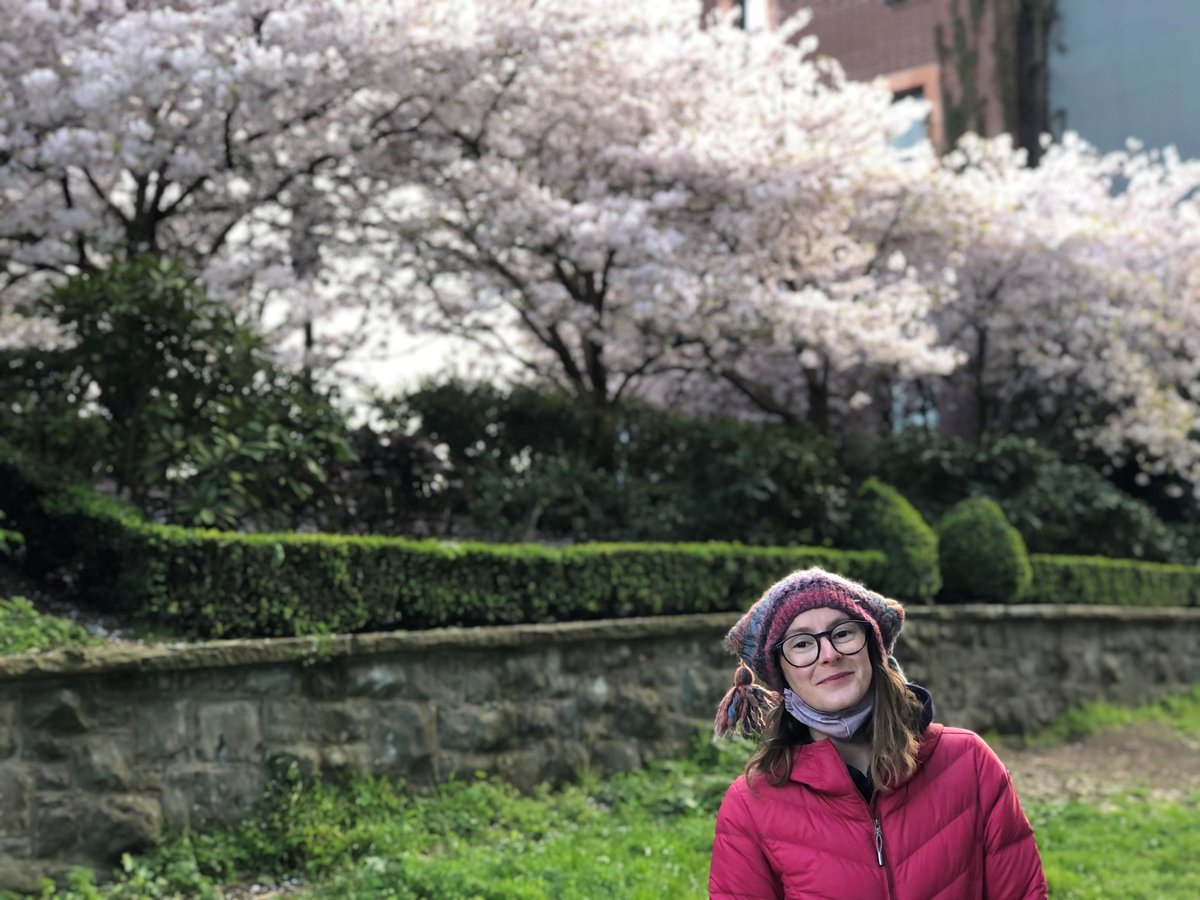
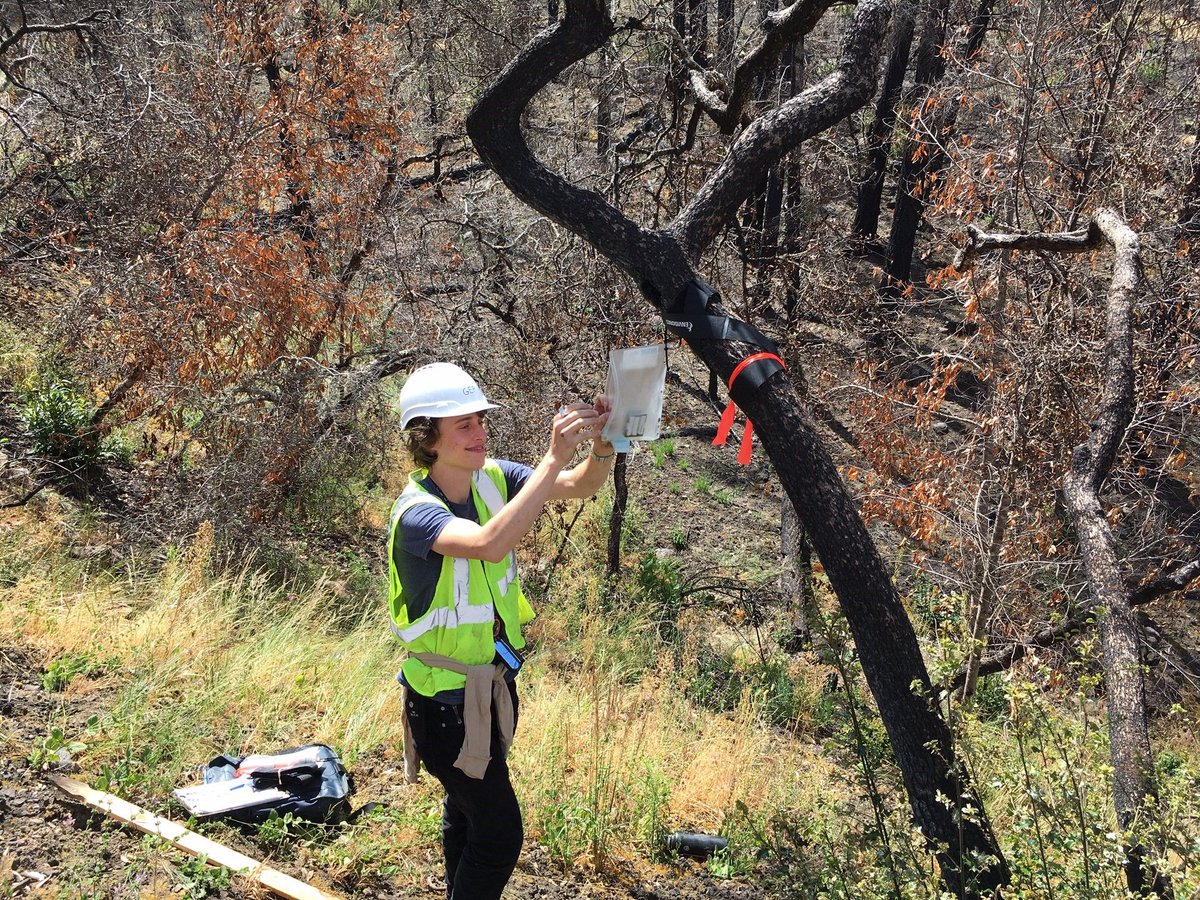
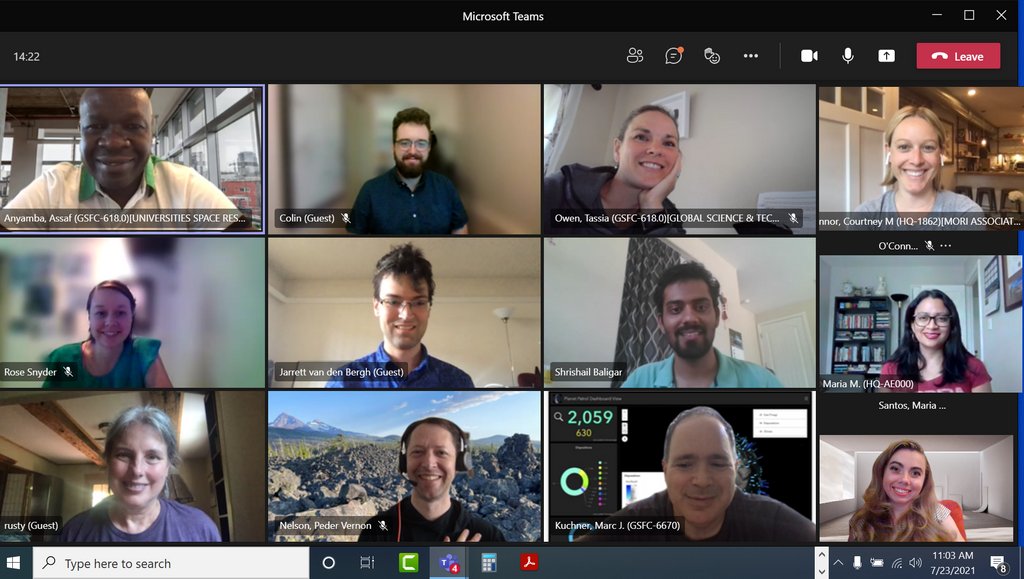
Now, we're connecting the bird data with habitat information from satellite data to prioritize areas where we recommend conservation and restoration actions to occur in Sonoma County, California. Keep an eye on our website for updates! #CitSciTC https://t.co/Wh2IX904SJ
After collecting audio data from the field, S2L volunteers manually identified bird vocalizations throughout hours of recordings to help our science team train a deep learning algorithm to automatically detect 54 bird species throughout the 12,000+ hours of recordings. #CitSciTC
We are deeply grateful for the hundreds of volunteers who helped make our vision of bioacoustics bird monitoring a reality in Sonoma County, California. Soundscapes to Landscapes wouldn't exist without you! #CitSciTC
@PointBlueConSci @NASACitSci
The S2L project has just published its methodological paper on using #Artificial_Intelligence to detect bird species in our >1 million minute sound archive! #deeplearning#AI#birdsong#birds https://t.co/obtAlwlnjn
@PointBlueConSci
Hot off the press! Methods and lessons learned from managing a low-budget citizen science #bioacoustics project, led by S2L project coordinator Rose Snyder: https://t.co/76W7pF6KfU
@PointBlueConSci
S2L doctoral student Colin Quinn published a paper that describes how deep learning can be used to identify broad soundscape components for monitoring ecosystem health. @AudioMoth https://t.co/3nlKYD0GPl
Excited to invite you to a webinar about S2L hosted by Pepperwood Preserve on 12/9 10-11:30 am P.S.T.! More details here: https://t.co/tTLboGyv80
The event is free to past and present S2L participants - select "S2L Volunteer" when registering.
@PointBlueConSci @PepperwoodCA
Meet the fruit-loving Hooded Oriole (Icterus cucullatus)! Their song is rather complicated with abrupt chattering and mimicry of other bird sounds throughout. Have a listen! https://t.co/TVCUrG5j1M
@PointBlueConSci
Meet Jade Spector, our featured volunteer this month! Jade has been helping behind the scenes on a project automating the generation of imagery basemaps for property owner reports we are working on. We're glad you're on the team, Jade!
@PointBlueConSci
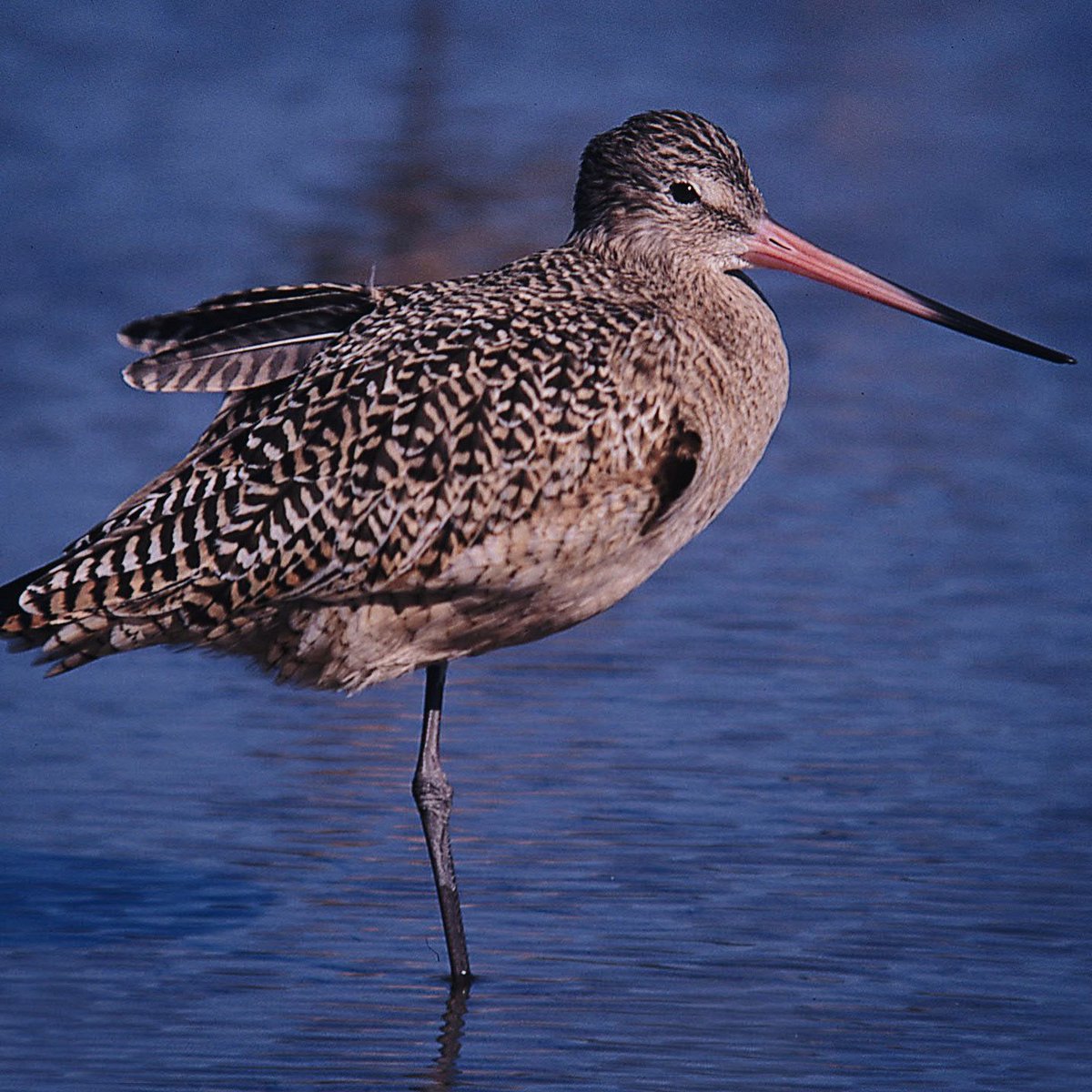
#Shorebirds are known for their interesting bill shapes and the Marbled Godwit is no exception with its sword-like bill. It plunges its two-toned, long, and slightly upturned bill deep into sand and mud to pull out aquatic invertebrates and plant tubers!
@PointBlueConSci
Happy Saturday folks, today's bird is the Oak Titmouse! You can find these vocal birds in warm, dry oak woods ranging from southern Oregon to Baja California☀️ One of the Oak Titmouse’s vocalizations is a "peter peter peter" song. Have a listen! 🔊 #sonomabirds @PointBlueConSci
Last Friday, S2L team members joined @NASACitSci on a Reddit AMA ("Ask me anything") for a one hour Q&A focused on the topic of artificial intelligence in citizen science. Check out the thread and our responses here: https://t.co/EHNnSlDF5S
@PointBlueConSci
⏰At 2 pm ET, join us on @Reddit to learn how YOU can contribute to @NASAEarth#citizenscience; how we’re using artificial intelligence in our projects; and why you should join our efforts with the @GLOBEProgram, @Sound2Land, & #NeMO_Net.
Ask ?s HERE: https://t.co/dcrkIAqzqH
The Black-headed Grosbeak's song is notoriously challenging to differentiate from a Western Tanager and American Robin, & has been described as sounding like a "tipsy robin" with longer and more varied phrases than the robin's song. Volume up to have a listen!🔊
@PointBlueConSci