Seven rules from 25 years of building companies. None of them are about money.
1. Floor before ceiling.
Decide what you can survive before you decide what you want. The ceiling takes care of itself.
2. Your job is the seed round.
It funds the mistakes nobody else would. Keep it until the business can pay for its own.
3. Where you build is a decision, not an inheritance.
Most people build where they were born and call it loyalty. The rules you operate under are the one thing you get to choose. Choose them.
4. Pick partners for how they lose, not how they win.
Everyone is pleasant in a good year. The contract tells you who they are in a bad one. Read it before you need it.
5. Everything you tell people about your money becomes a claim on it.
Say less. The quiet ones get fewer invoices.
6. Build for winter.
Every budget assumes the bad season. 2008 sorted the two kinds: the interesting ones made the news, the quiet ones made payroll.
7. Freedom is a by-product of structure, not a goal.
Chase it directly and you get an expensive pause. Build the structure and it arrives on its own.
Bravery is overrated. Structure isn't.
Fear isn't caused by things going wrong. It's caused by not knowing what happens next.
The teams that stayed calm this week weren't the ones with better systems. They were the ones who'd rehearsed the bad day before it arrived.
A plan nobody has practised is just a document.
Spot on.
The question isn’t “what can AI build?” anymore — it’s “what can’t it easily replicate?”
Atoms, permission, attention, timing, belonging, liquidity, unique data, and outcomes. Physical + regulated/permissioned stuff still looks like the highest-conviction long-term moats.
Software and pure content are racing to free.
The map is clear. Now it’s about picking one (or a mix) and actually building the asset.
One of the most important questions of our time:
"If AI can build almost anything, what should I build?"
It's the question behind most of the anxiety I hear about AI right now
I broke down the 8 kinds of businesses I think get stronger as AI gets better
A business that needs you every day isn't an asset. It's a job with worse hours.
The test is simple. Leave for three weeks and don't call. If it's still there, you own something. If it isn't, it owns you.
Took me two companies to pass the test. The third was built to pass it from day one.
@PillWandering Not my call to make. But "nobody can handle it" two years on is their structure problem, not your price. Whatever you decide, decide it as a business, not a favour.
It’s new Week;
A new Month;
A new Beginning;
A new opportunity;
Every trail has something waiting around the next bend. Sometimes it’s a view, sometimes it’s a little moment of beauty you almost missed.
It feels good to be back again!
Pay for what lasts, not for what's seen.
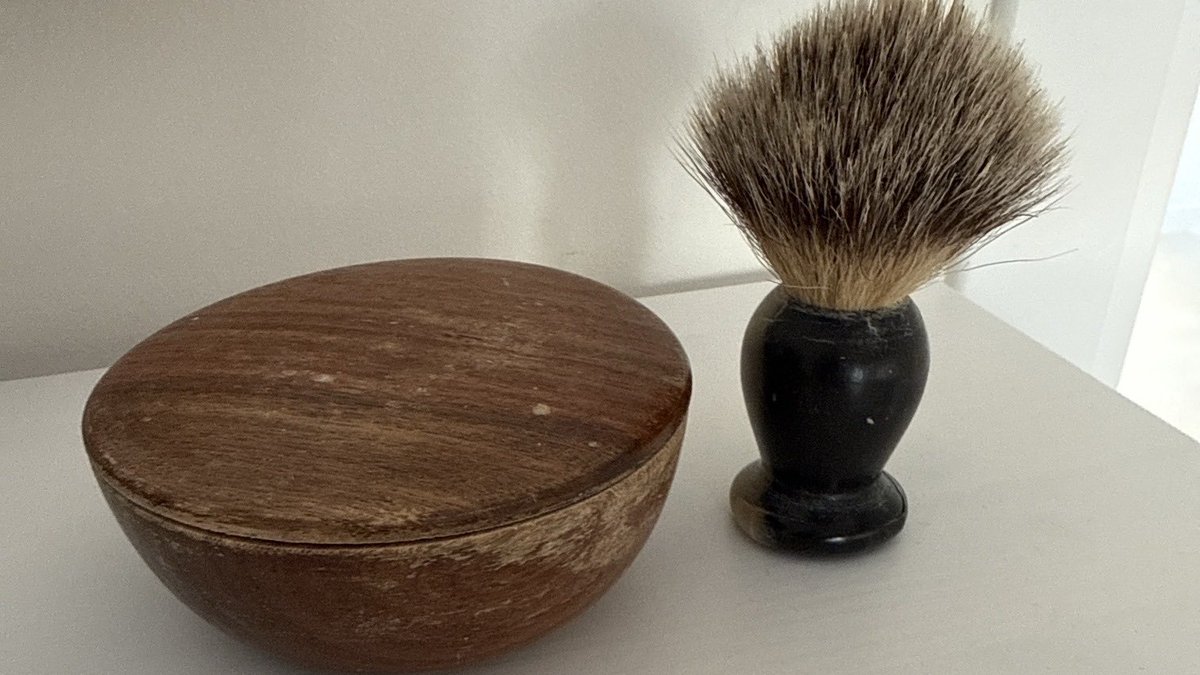
The shaving soap in the picture costs six times the supermarket can. It lasts two and a half years. By the time the can has been bought twenty times, the soap has cost a quarter as much and nobody has noticed either of them.
Quality compounds. Luxury depreciates the moment it's noticed, which is the moment it was bought for.
@javier_otieno1 Different floor. Mine isn't under the technology, it's under the operator: cash not spent, a process that worked before the tool arrived. That one doesn't care what the tool turns out to be.
Nobody is coming to rescue the plan.
Not the investor, not the partner, not the market turning. The plan gets rescued by the thing you put under it before you needed rescuing: the job you kept, the contract you read, the cash you didn't spend.
Bravery is what people do when they skipped that step.