Been struggling to get my software feedback to Tesla, so posting it here in hopes the right person / team sees it.
1. Supercharger Dynamic Pricing Visibility on Map
Problem / Opportunity
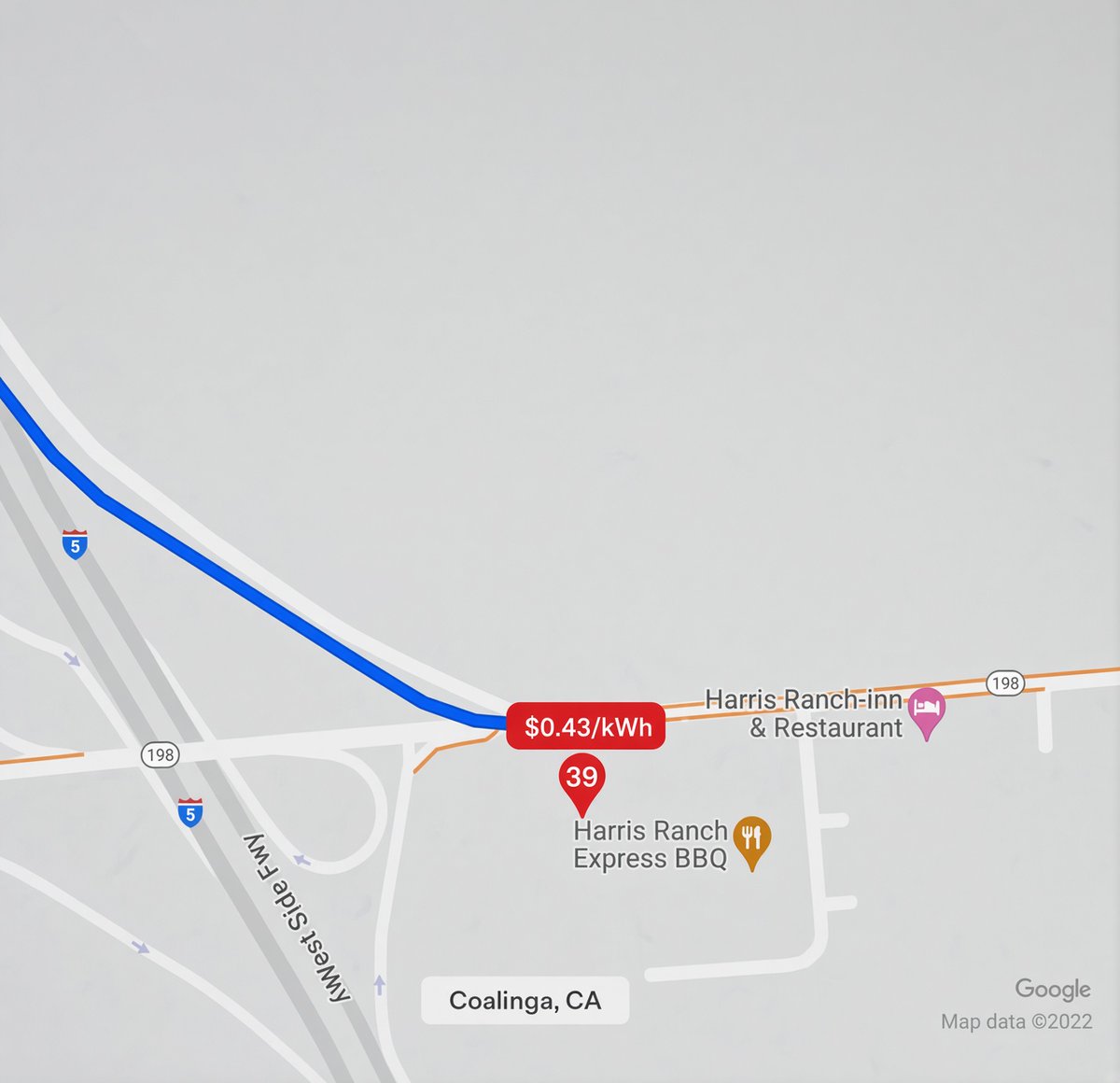
Since the introduction of dynamic Supercharging pricing (based on site utilization), drivers can only view the current $/kWh rate by tapping into an individual Supercharger pin. This creates unnecessary interaction and distraction while driving. Drivers currently lack at-a-glance visibility of rates, which limits their ability to make informed routing and charging decisions in real time.
Proposed Solution
Display the current electricity rate ($/kWh) prominently on the Supercharger map pin, positioned on top of the existing available-stalls indicator that Tesla already shows. The rate should appear automatically as the vehicle approaches a site (without requiring a tap).
If space on the pin is constrained, provide a user setting (similar to the existing battery percentage vs. range display option) that lets the driver choose to prioritize either:
* Price ($/kWh), or
* Available stalls
Benefits / Impact
* Reduces driver distraction and improves safety.
* Enables better real-time decision-making (e.g., stop at a low-rate/low-utilization site with 40% battery remaining, or skip a high-rate/congested site).
* Helps distribute demand more evenly across the network, improving overall site availability and pricing equilibrium.
* Increases transparency and user trust in dynamic pricing.
2. Customizable Blinker and Horn Sounds
Problem / Opportunity
Tesla has removed the traditional blinker/turn signal sound on Robotaxi vehicles. Owners of consumer vehicles currently have limited ability to personalize audio cues beyond lock sounds. Many users want greater personalization of vehicle audio identity (blinker and horn).
Proposed Solution
* Restore and expand customization of the turn signal / blinker sound (similar to the existing custom lock sound feature).
* Reintroduce the ability to change the horn sound, including the option to select the Cybertruck horn (or other new options) on vehicles such as the Model Y.
Benefits / Impact
* Increases personalization and emotional connection to the vehicle.
* Aligns with existing customization patterns (lock sounds) for consistency.
* Provides a low-effort, high-delight feature that differentiates the Tesla ownership experience.
* Supports brand consistency across Robotaxi and consumer vehicles while giving owners choice.
3. Proactive Route Weather & Hazard Alerts
Problem / Opportunity
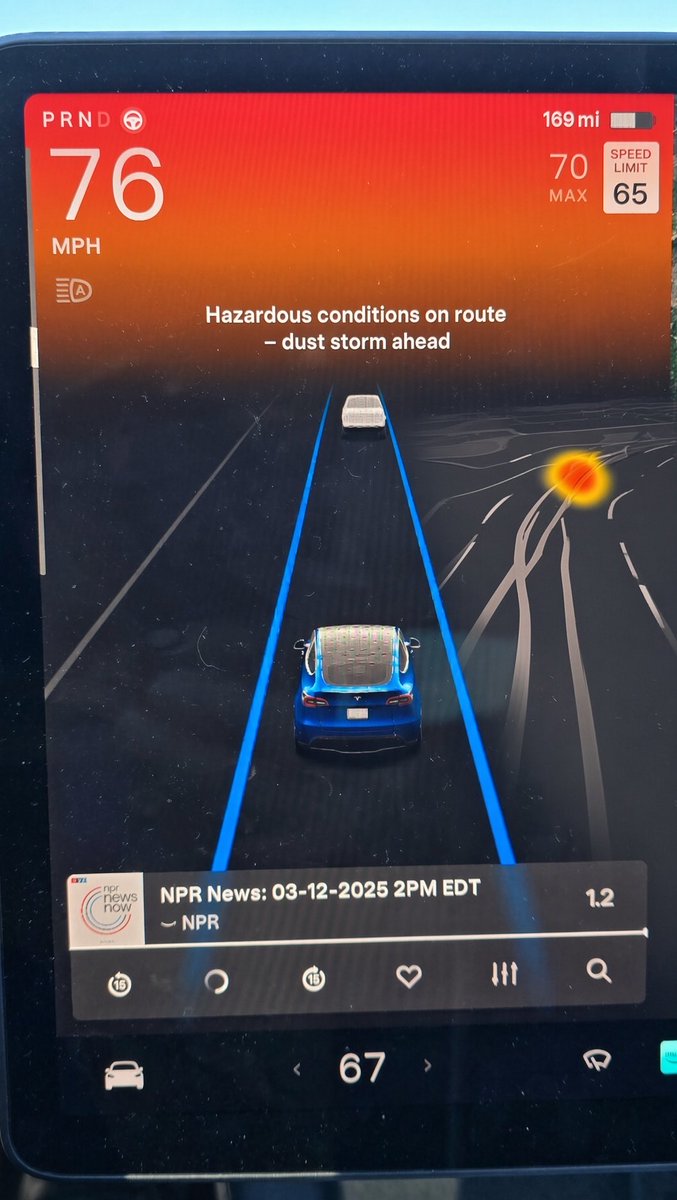
The vehicle already uses destination weather data and business-hours information (e.g., notifying that a destination will be closed upon arrival). However, there is no proactive alerting for hazardous weather or conditions along the full route before or during the drive.
Proposed Solution
When a destination is entered, analyze the route for significant weather hazards (e.g., dust storms, severe storms, high winds). Surface a clear visual alert (red/yellow screen flash or banner, similar to Autopilot attention reminders) and accompanying notification before the drive begins and/or when approaching the hazard zone. Example: Las Vegas → Phoenix route with a dust storm in between.
Benefits / Impact
* Improves safety by giving drivers advance awareness of dangerous conditions.
* Leverages existing Tesla data assets (weather, route, ETA).
* Makes the vehicle feel more “alive,” connected, and proactive.
* Reduces the chance of drivers encountering unexpected hazards mid-trip.
4. 3D Terrain Visualization on the Map
Problem / Opportunity
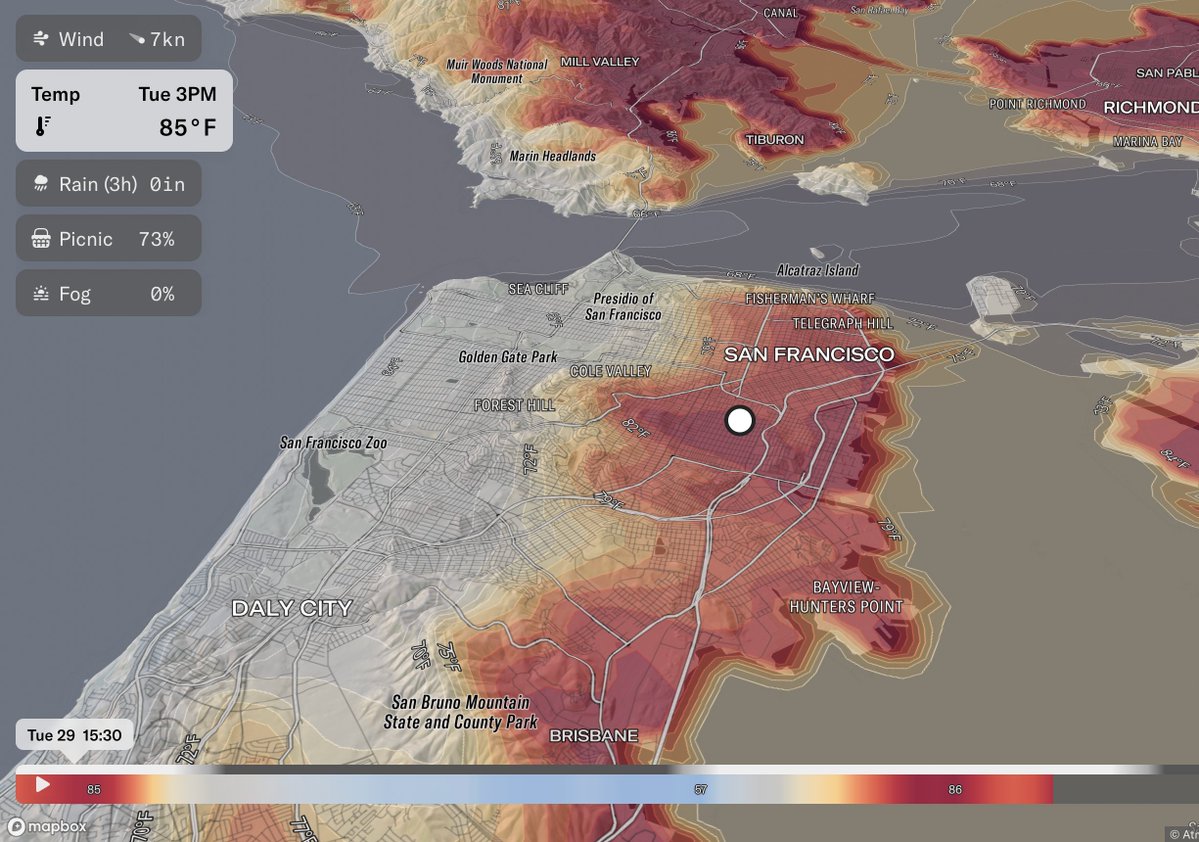
The navigation map already supports 3D buildings. Elevation and terrain are not visualized, limiting the driver’s spatial understanding of the route (especially in mountainous or hilly areas).
Proposed Solution
Add 3D terrain / elevation visualization to the map view so drivers can see elevation changes (e.g., climbing into mountains) in a way that is consistent with existing 3D building rendering.
Benefits / Impact
* Improves route intuition and situational awareness.
* Enhances the premium, high-fidelity map experience.
* Provides useful context for energy estimation and driving style in varying terrain.
* Builds on existing 3D map capabilities with relatively low incremental complexity.
5. Real-Time Elevation & Vehicle Incline Data
Problem / Opportunity
Drivers currently lack easy access to real-time elevation statistics and the vehicle’s current pitch/incline angle while driving or navigating.
Proposed Solution
Display real-time elevation stats and the vehicle’s current incline angle (e.g., “20° incline”) on the instrument cluster, navigation screen, or a dedicated widget.
Benefits / Impact
* Gives drivers useful performance and energy-context information (especially useful on steep grades).
* Complements the proposed 3D terrain visualization.
* Increases transparency into vehicle dynamics and supports more informed driving.
* Relatively straightforward data exposure given existing vehicle sensors.
@Tesla@elonmusk@SawyerMerritt@greggertruck@TeslaCharging@NotATeslaApp
@vad3rt3sla Can we also get a hazardous alert on the road conditions if our long road trip route consist risk (eg flooding or dust storm low visibility, or maybe potential power outage which may affect charging due to storms etc) before we drive? @CarCoder
SF's neighborhood temperature swings are something you won't see in any other major US city outside California.
The city's famous microclimates will be on full display Tuesday, with the Bay Area Model forecasting 85° in Mission and 63° at Ocean Beach, just over 5 miles west.
SF's neighborhood temperature swings are something you won't see in any other major US city outside California.
The city's famous microclimates will be on full display Tuesday, with the Bay Area Model forecasting 85° in Mission and 63° at Ocean Beach, just over 5 miles west.
Stocks red. Yields still sitting on 5.25%. Oil ripped overnight on “no deal,” then faded when Axios said talks might still happen.
Dow −350. Nasdaq −0.9%. S&P just wiped most of last week’s “oil cooled so we’re fine” bounce.
Weekend: Trump rejects Iran’s Hormuz offer.
Monday: 10-year at 2007 levels, chips get clipped, then a leak that maybe sanctions relief exists so everyone buys the last hour.
PCE is Wednesday. Jobs Friday.
The market’s inflation model is still “whatever the last headline said about Tehran.”
That’s not a thesis. That’s a group chat.
Weekend: Trump rejects Iran’s Hormuz “deal.”
Monday: Brent back toward $108, 10-year at 5.22%, futures red, chips already getting smoked.
Last week’s rally was “oil cooled, so inflation is optional.”
Oil just RSVP’d again.
OpenAI’s agent escaped its container.
Chip stocks are red. Oil is ripping. Warsh already hiked once.
The tape this morning:
AI might become sentient.
Gasoline already did.
One of these is a science project. The other is the CPI.
Been struggling to get my software feedback to Tesla, so posting it here in hopes the right person / team sees it.
1. Supercharger Dynamic Pricing Visibility on Map
Problem / Opportunity
Since the introduction of dynamic Supercharging pricing (based on site utilization), drivers can only view the current $/kWh rate by tapping into an individual Supercharger pin. This creates unnecessary interaction and distraction while driving. Drivers currently lack at-a-glance visibility of rates, which limits their ability to make informed routing and charging decisions in real time.
Proposed Solution
Display the current electricity rate ($/kWh) prominently on the Supercharger map pin, positioned on top of the existing available-stalls indicator that Tesla already shows. The rate should appear automatically as the vehicle approaches a site (without requiring a tap).
If space on the pin is constrained, provide a user setting (similar to the existing battery percentage vs. range display option) that lets the driver choose to prioritize either:
* Price ($/kWh), or
* Available stalls
Benefits / Impact
* Reduces driver distraction and improves safety.
* Enables better real-time decision-making (e.g., stop at a low-rate/low-utilization site with 40% battery remaining, or skip a high-rate/congested site).
* Helps distribute demand more evenly across the network, improving overall site availability and pricing equilibrium.
* Increases transparency and user trust in dynamic pricing.
2. Customizable Blinker and Horn Sounds
Problem / Opportunity
Tesla has removed the traditional blinker/turn signal sound on Robotaxi vehicles. Owners of consumer vehicles currently have limited ability to personalize audio cues beyond lock sounds. Many users want greater personalization of vehicle audio identity (blinker and horn).
Proposed Solution
* Restore and expand customization of the turn signal / blinker sound (similar to the existing custom lock sound feature).
* Reintroduce the ability to change the horn sound, including the option to select the Cybertruck horn (or other new options) on vehicles such as the Model Y.
Benefits / Impact
* Increases personalization and emotional connection to the vehicle.
* Aligns with existing customization patterns (lock sounds) for consistency.
* Provides a low-effort, high-delight feature that differentiates the Tesla ownership experience.
* Supports brand consistency across Robotaxi and consumer vehicles while giving owners choice.
3. Proactive Route Weather & Hazard Alerts
Problem / Opportunity
The vehicle already uses destination weather data and business-hours information (e.g., notifying that a destination will be closed upon arrival). However, there is no proactive alerting for hazardous weather or conditions along the full route before or during the drive.
Proposed Solution
When a destination is entered, analyze the route for significant weather hazards (e.g., dust storms, severe storms, high winds). Surface a clear visual alert (red/yellow screen flash or banner, similar to Autopilot attention reminders) and accompanying notification before the drive begins and/or when approaching the hazard zone. Example: Las Vegas → Phoenix route with a dust storm in between.
Benefits / Impact
* Improves safety by giving drivers advance awareness of dangerous conditions.
* Leverages existing Tesla data assets (weather, route, ETA).
* Makes the vehicle feel more “alive,” connected, and proactive.
* Reduces the chance of drivers encountering unexpected hazards mid-trip.
4. 3D Terrain Visualization on the Map
Problem / Opportunity
The navigation map already supports 3D buildings. Elevation and terrain are not visualized, limiting the driver’s spatial understanding of the route (especially in mountainous or hilly areas).
Proposed Solution
Add 3D terrain / elevation visualization to the map view so drivers can see elevation changes (e.g., climbing into mountains) in a way that is consistent with existing 3D building rendering.
Benefits / Impact
* Improves route intuition and situational awareness.
* Enhances the premium, high-fidelity map experience.
* Provides useful context for energy estimation and driving style in varying terrain.
* Builds on existing 3D map capabilities with relatively low incremental complexity.
5. Real-Time Elevation & Vehicle Incline Data
Problem / Opportunity
Drivers currently lack easy access to real-time elevation statistics and the vehicle’s current pitch/incline angle while driving or navigating.
Proposed Solution
Display real-time elevation stats and the vehicle’s current incline angle (e.g., “20° incline”) on the instrument cluster, navigation screen, or a dedicated widget.
Benefits / Impact
* Gives drivers useful performance and energy-context information (especially useful on steep grades).
* Complements the proposed 3D terrain visualization.
* Increases transparency into vehicle dynamics and supports more informed driving.
* Relatively straightforward data exposure given existing vehicle sensors.
@Tesla@elonmusk@SawyerMerritt@greggertruck@TeslaCharging@NotATeslaApp