AI doesn't write buggier code. It writes bigger PRs.
When we controlled for PR size across 248,099 pull requests, AI's effect on defect rate disappeared. What survived: AI-assisted PRs run roughly double the size of mostly human-written ones.
The arrow runs AI → bigger PRs → more defects. Not AI → defects directly.
And it's not just a volume effect. Even normalized per line, bigger PRs ship more defects.
We'll dig deeper into what this means for engineering orgs in our first quarterly report, dropping soon.
Head to our blog for a preview: https://t.co/eAMtDjkuZ2
What happens when you tell a crew of senior engineers to stop writing code by hand for a month?
Jeffrey Wescott, VP of Eng at @ExpelSecurity, ran the experiment. For the verdict, you'll have to hear him on Episode 1 of Stack Trace, our new podcast launching today.
AI doesn't write buggier code. It writes bigger PRs.
When we controlled for PR size across 248,099 pull requests, AI's effect on defect rate disappeared. What survived: AI-assisted PRs run roughly double the size of mostly human-written ones.
The arrow runs AI → bigger PRs → more defects. Not AI → defects directly.
And it's not just a volume effect. Even normalized per line, bigger PRs ship more defects.
We'll dig deeper into what this means for engineering orgs in our first quarterly report, dropping soon.
Head to our blog for a preview: https://t.co/eAMtDjkuZ2
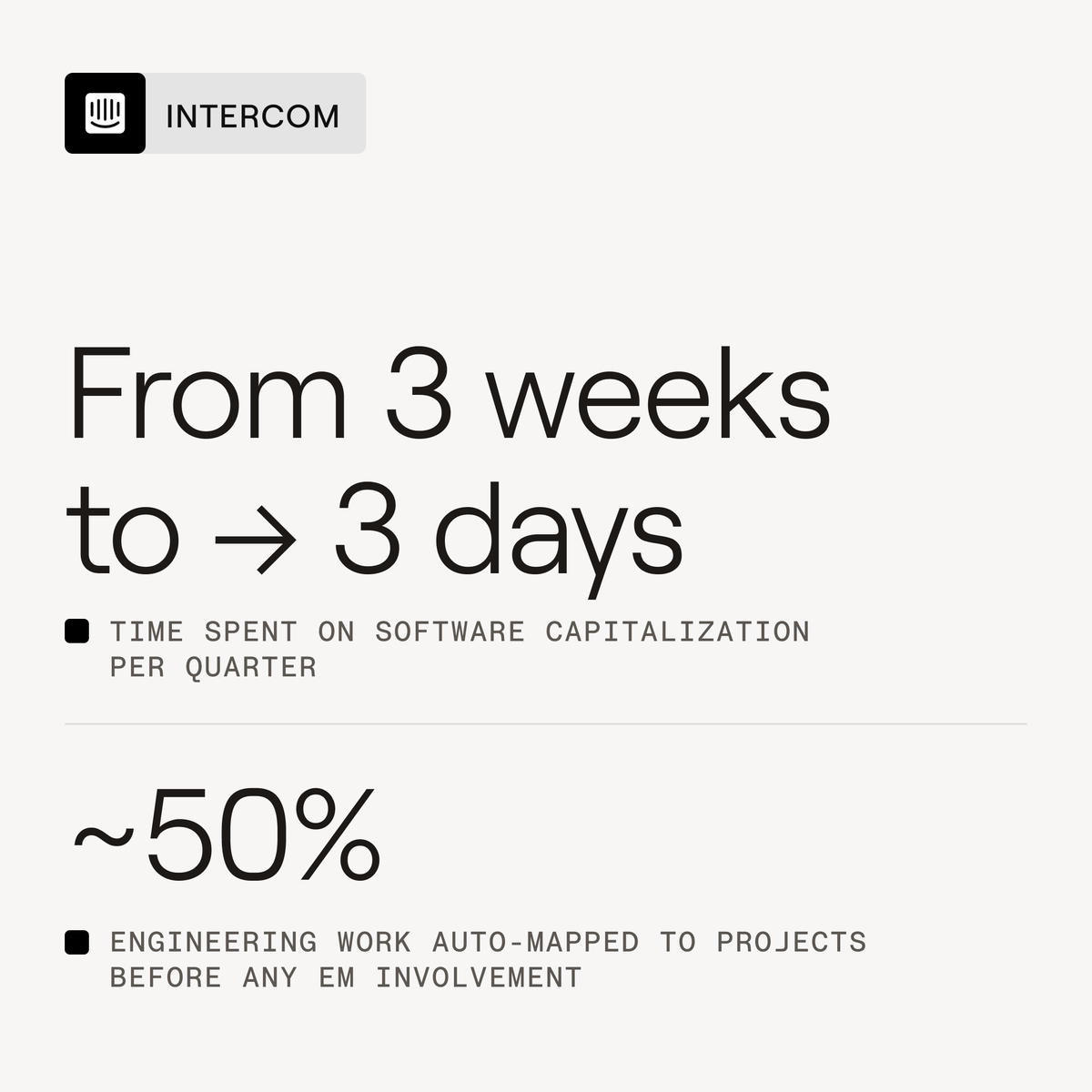
3 weeks to 3 days.
That's how much @intercom cut their quarterly software capitalization workflow after partnering with Span.
Building alignment between engineering, finance, and ops teams can be this easy.
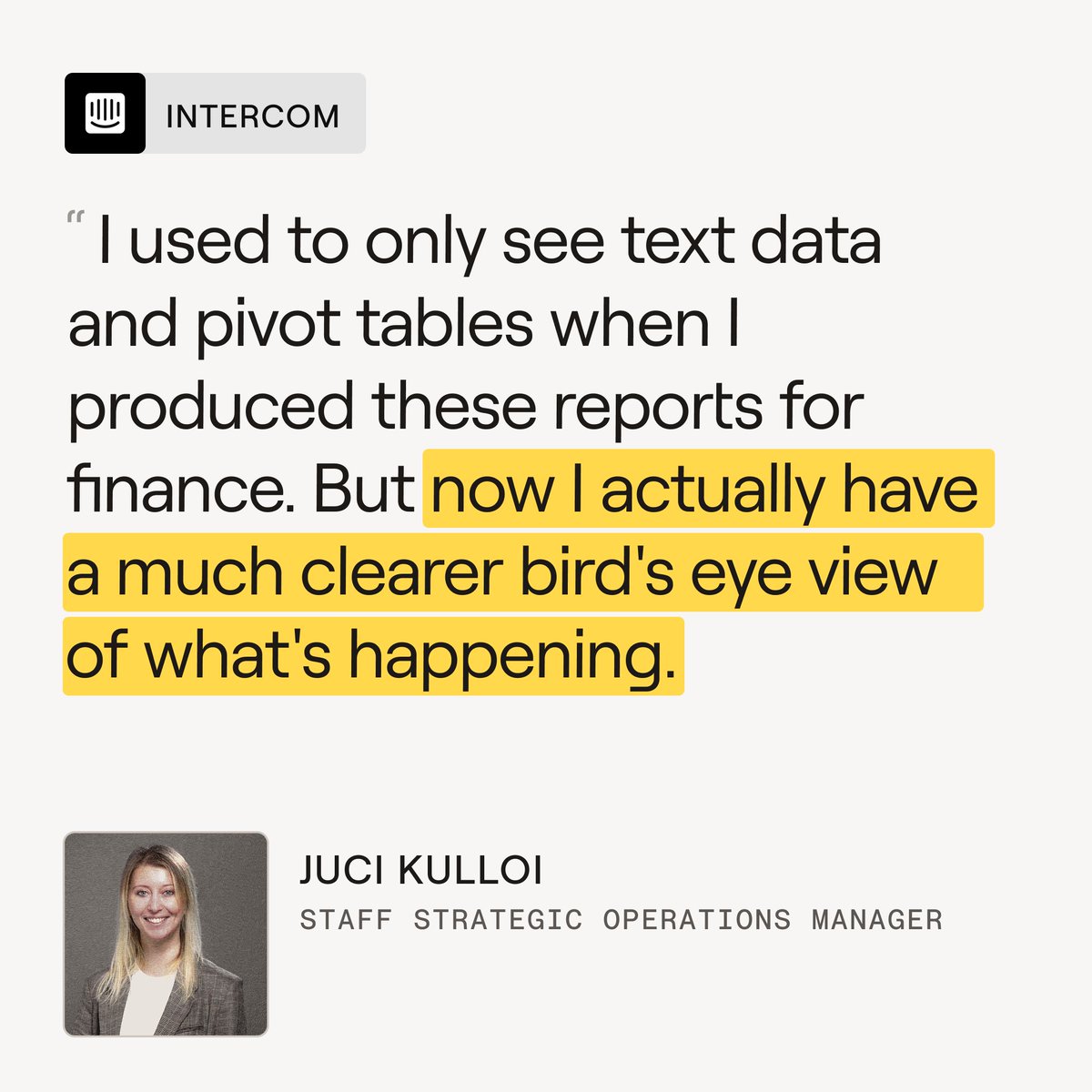
Previously every quarter, @intercom spent close to three weeks collecting and attributing work for software capitalization. With Span, this now takes three days.
Span’s AI-assisted mapping automatically categorized engineering work, replacing manual data entry and verification with a simple review process.
This significantly cut down on:
• Back and forths between engineering managers and finance
• The time needed to reconcile spreadsheets and project data
• Weekends sacrificed to meet deadlines
Read the full story: https://t.co/OFHJrPEAmJ
Today, @linear is partnering with @span_app.
Linear is where teams plan and build. Span shows what actually happens after. What shipped, how long it took, and where the effort went.
Putting the two together gives teams a clearer picture of real work. If your team already runs on Linear, the integration is available now.
@linear set the bar for planning tools built with speed, focus, and craft.
@Span_App was built out of the same conviction: teams should be able to build with clarity and intention. That matters even more as AI becomes part of everyday development.
More here: https://t.co/mc6RVvI4zp
We’re partnering with @linear to connect planning to execution.
See how work moves from idea to shipped code, grounded in real signals from engineering activity, including how AI-assisted work shapes outcomes in practice.
If you run on Linear, explore the integration:
https://t.co/65St4rYPhy
Introducing the all-new AI Impact Report inside Span 🚀
If 2025 was about AI adoption, 2026 will be about leverage.
The AI Impact Report connects AI usage in production to real outcomes across delivery, code review, and quality, so engineering leaders can see what AI is actually changing inside their teams.
But speed alone isn’t the full story. The same data also shows where AI shifts effort downstream:
- PRs with AI-generated code spend 30% more time in rework
- AI-generated PRs require ~10% more review cycles (1.51 vs. 1.38)
AI creates leverage, but it also changes where time and attention show up.
From early data across teams using the AI Impact Report, we’re starting to quantify patterns many leaders already sense:
Developers using AI ship around 67% more pull requests per week on average.
@GergelyOrosz This is the gap we’re working with teams to close today.
Establishing a trustworthy, decision-grade baseline before AI usage accelerates is what lets teams ground later impact discussions in evidence, not just activity.
Most companies can tell you where their money is going. Far fewer can tell you where their engineering time goes.
We think that’s finally changing.
The first true view of engineering time ↓
https://t.co/r3c9X9z1bZ