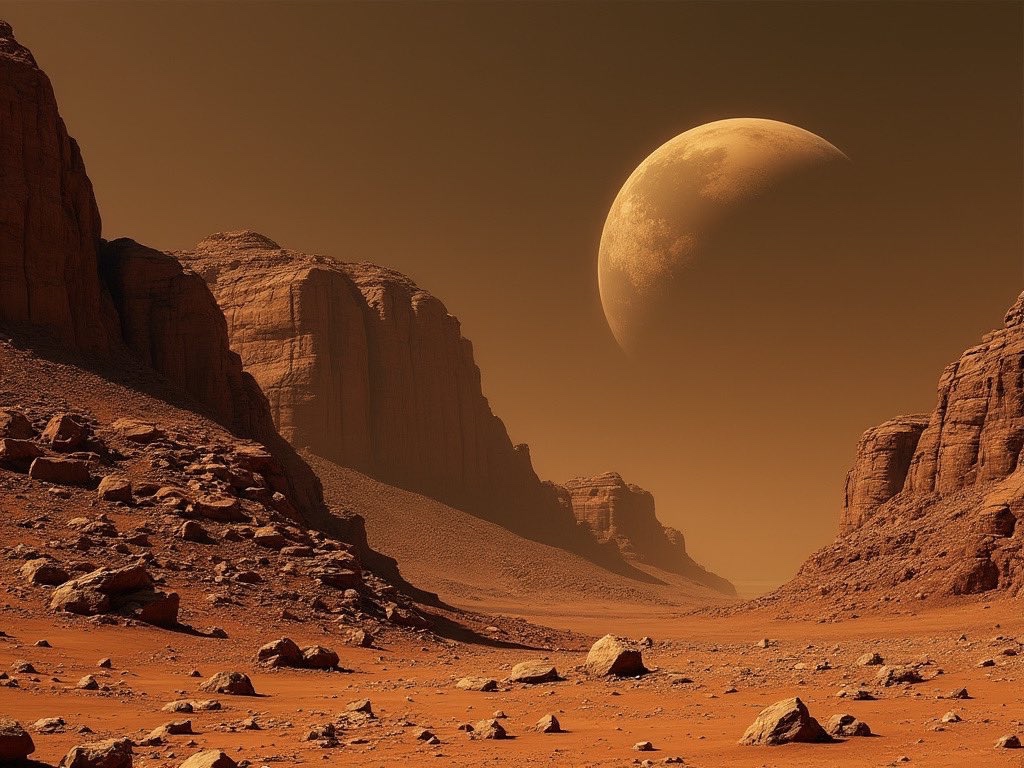
What if the first step in colonizing Mars isn’t building cities... but building observatories?
With no light pollution, a thin atmosphere, and a silent sky, Mars might become the clearest window into the universe.
@NASAMars@SpaceX#Mars#Astronomy#SpaceExploration
What if there was a way to access visual information from past events—without the need for a time machine?
#ReversePhotonCapture
https://t.co/uuztgHhw6x
The Theory of Relativity, formulated by Albert Einstein in the early 20th century, revolutionized how we understand time, space, and the very structure of the universe.
https://t.co/mkjddONFIw
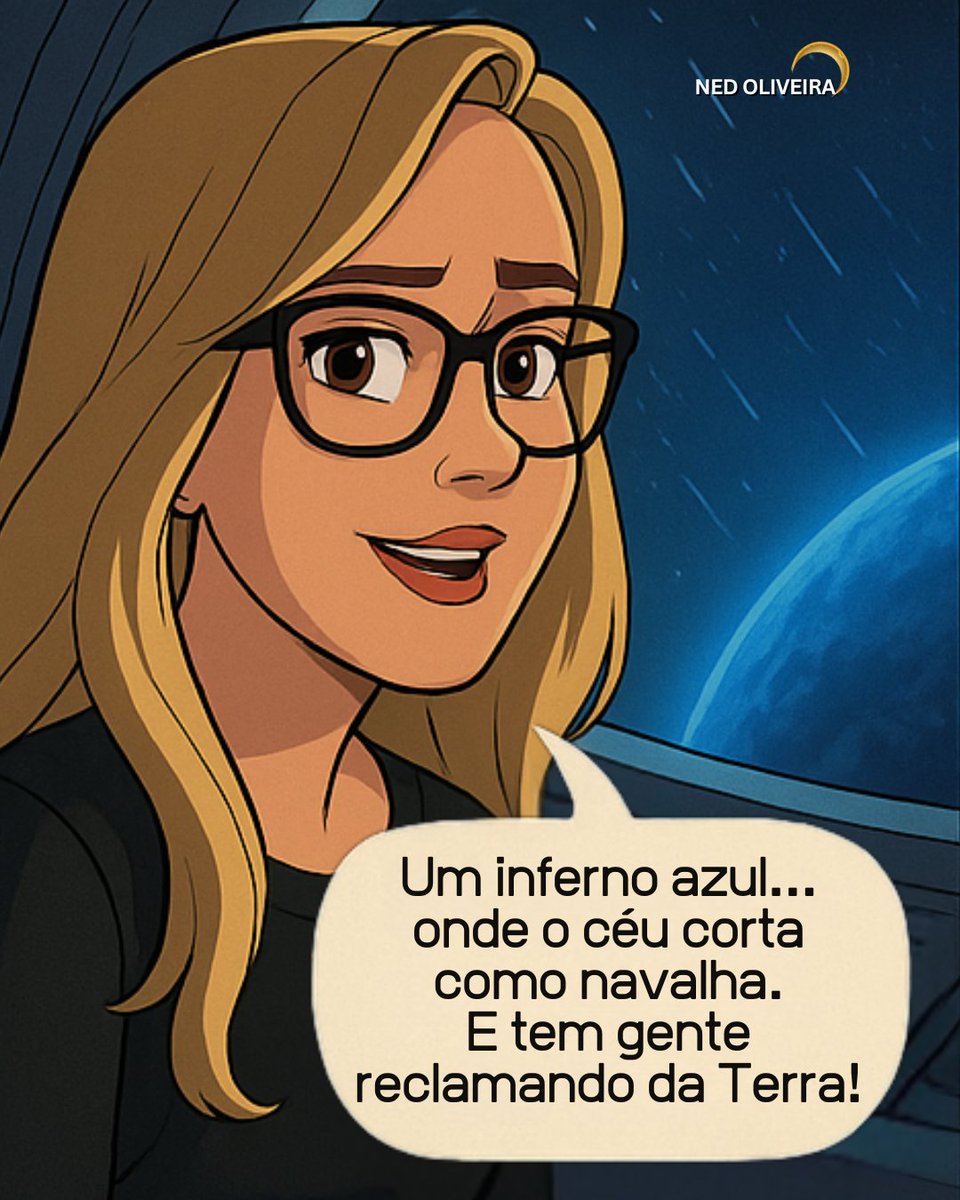
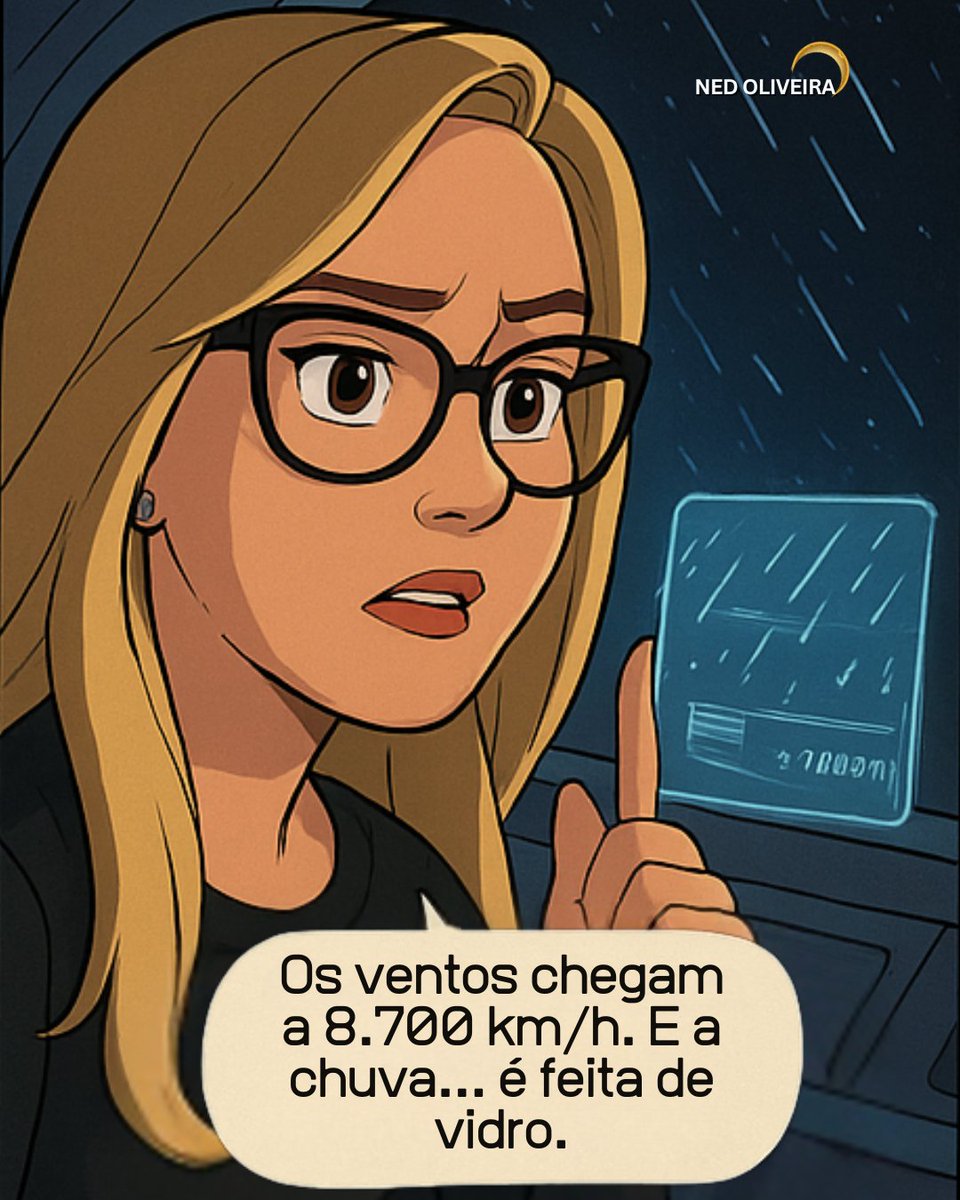
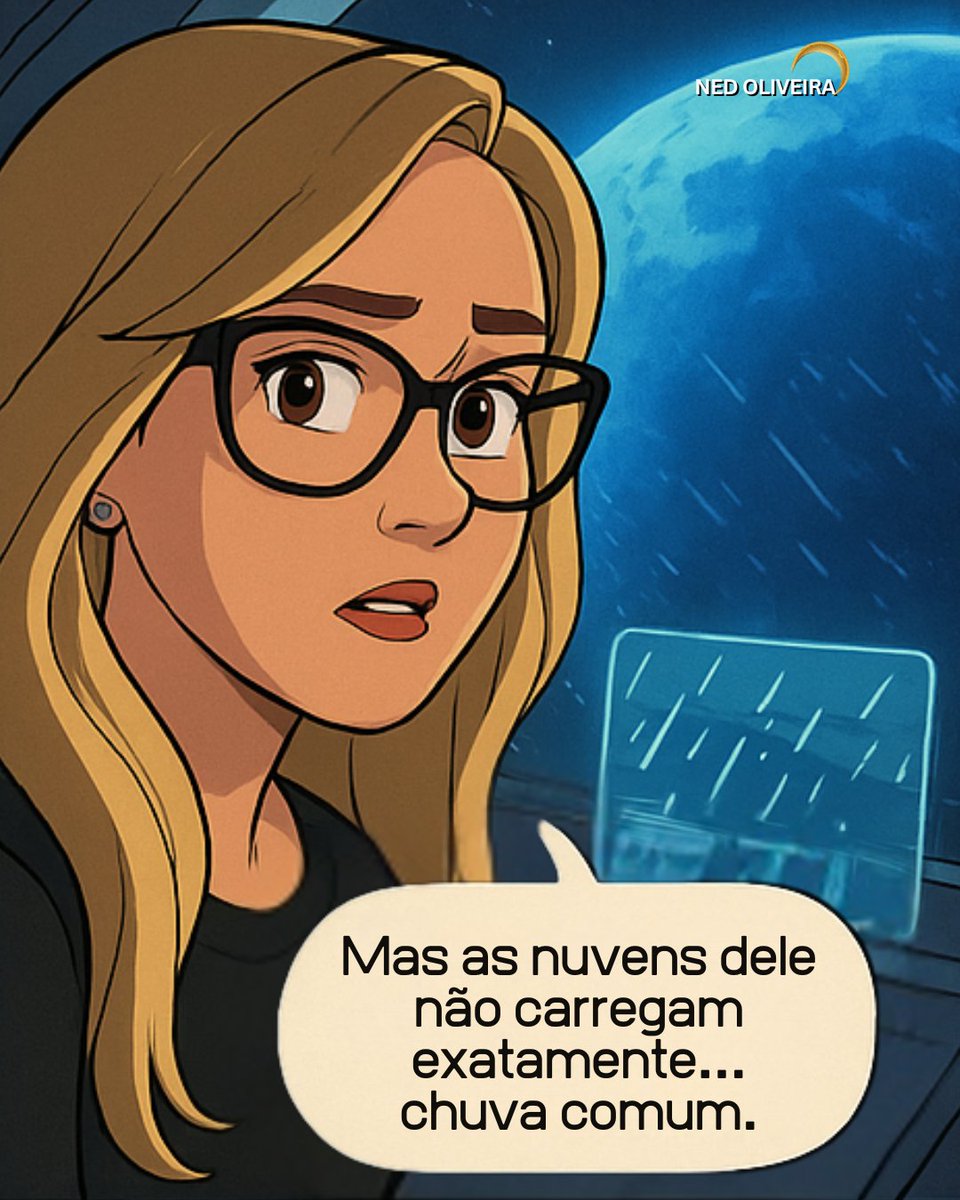
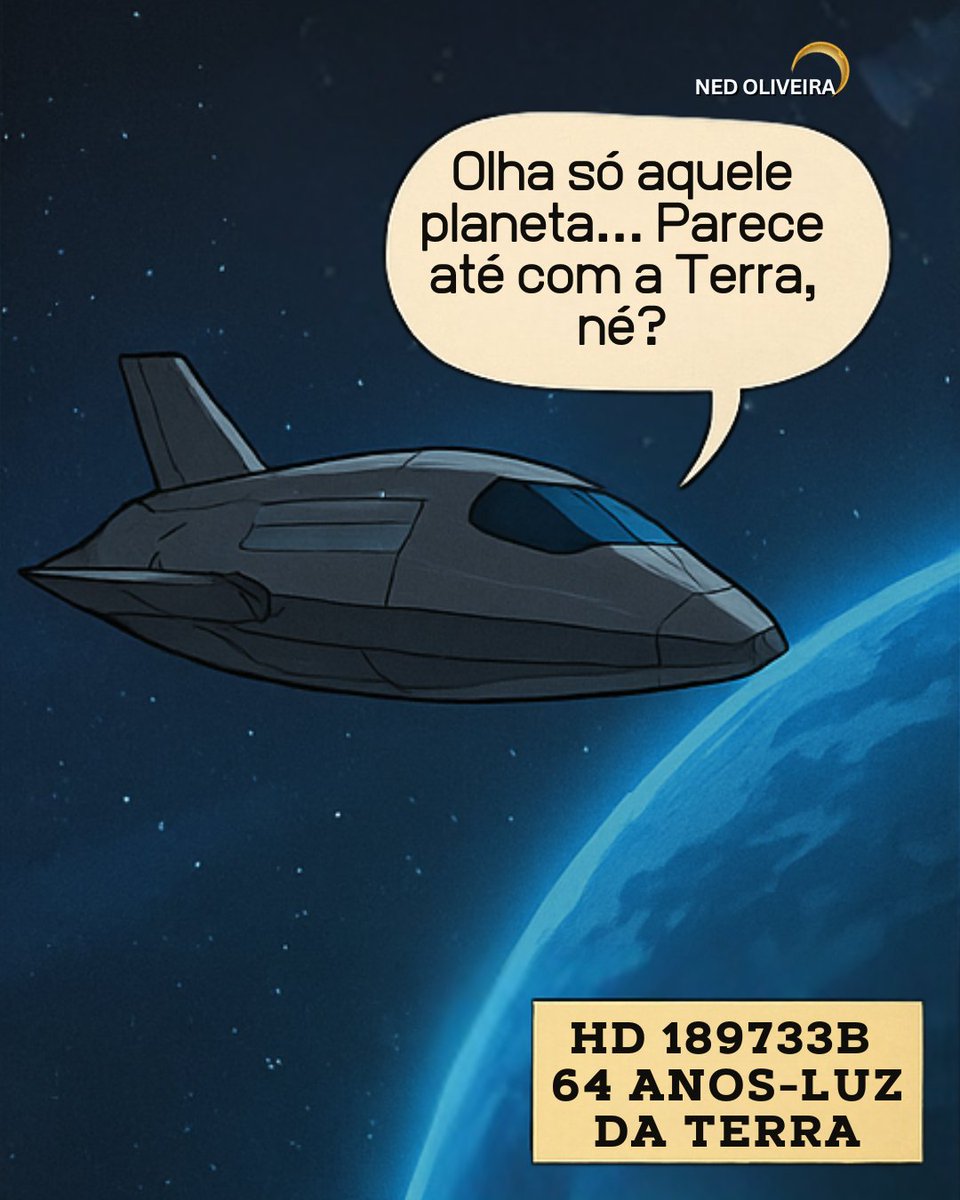
Você sabia que existe um planeta onde chove vidro?
O exoplaneta HD 189733b é um gigante gasoso localizado a cerca de 64 anos-luz da Terra. Sua atmosfera é composta por partículas de silicato, que podem se condensar em minúsculos fragmentos de vidro. Com ventos que atingem mais de 8.700 km/h, essas partículas se tornam projéteis mortais, soprados na horizontal como lâminas. Apesar de sua aparência azul ser visualmente parecida com a Terra, ele é um dos ambientes mais hostis já detectados.
E aí, você sabia?
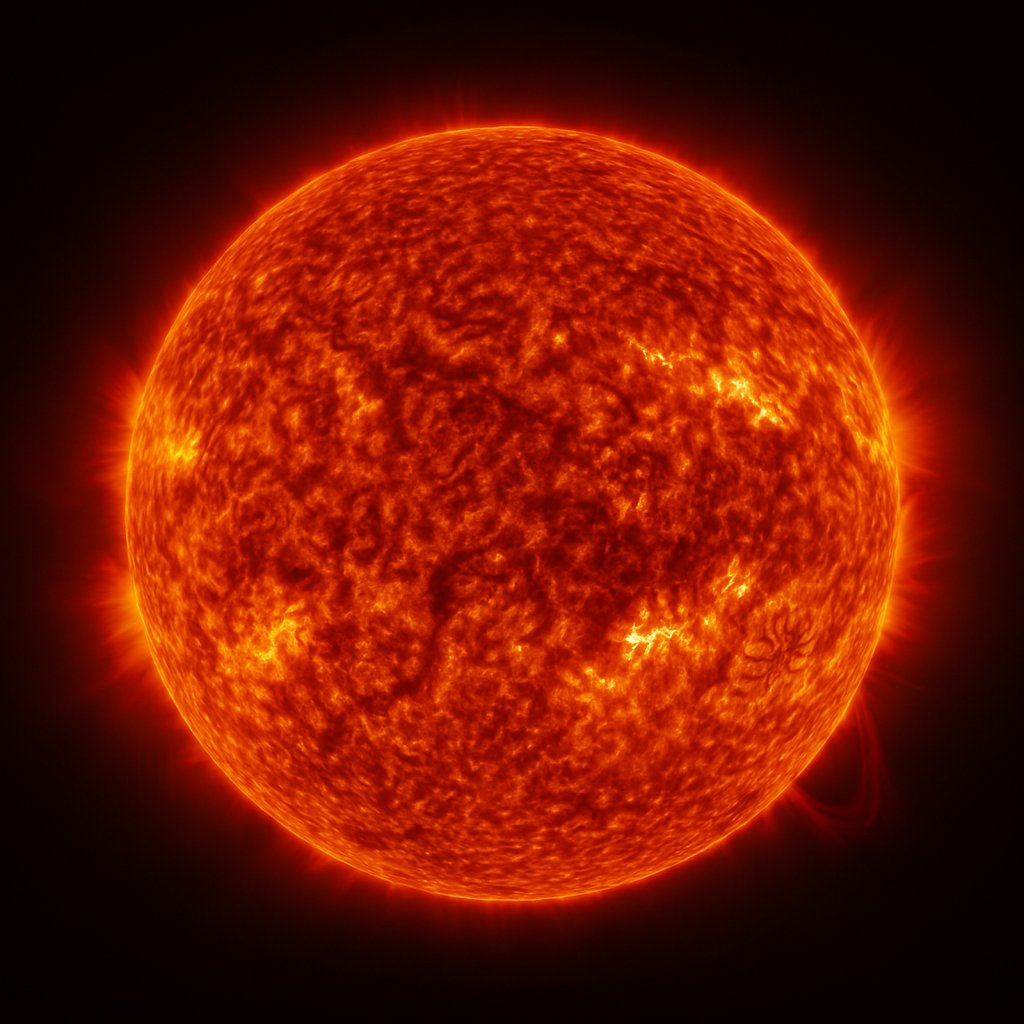
Hi everyone! I'd like to briefly share a scientific theory I’ve developed.
You can find a summary and overview of the concept on the official website:
https://t.co/QTXZfthiZP
The full article is linked at the end of the post and published on Zenodo.
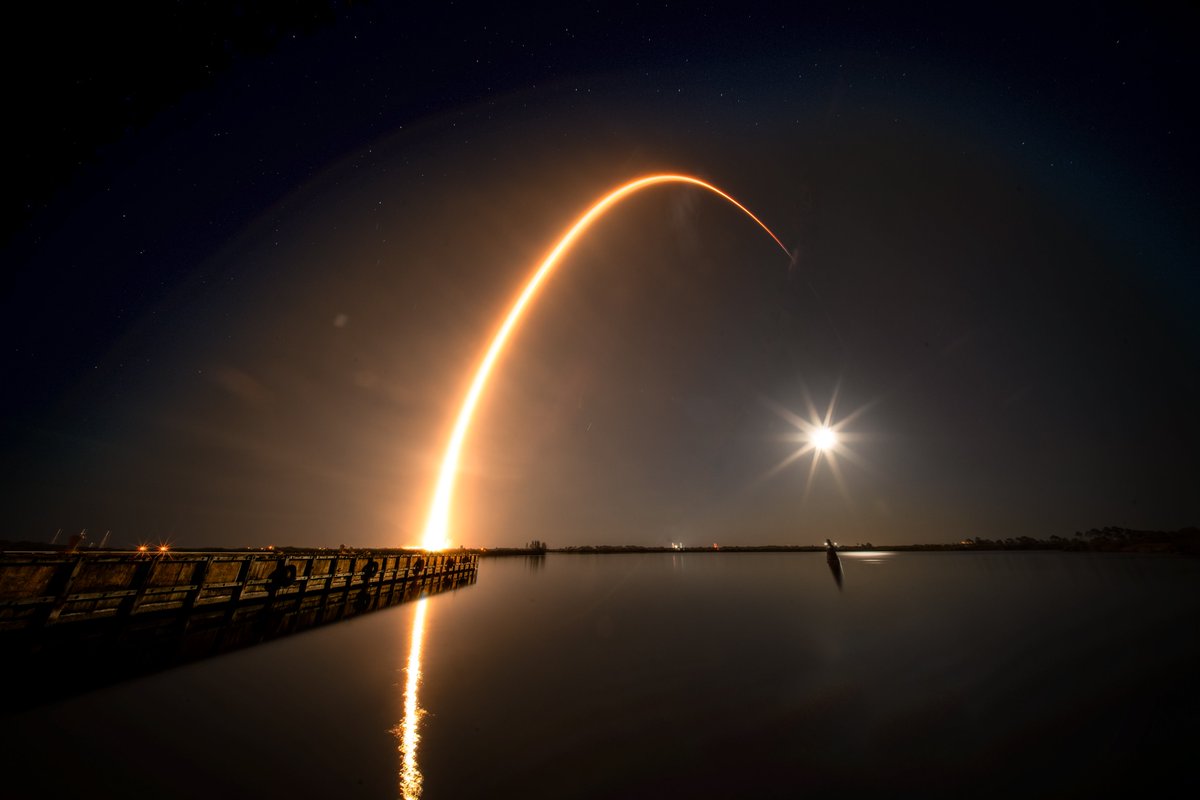
Falcon 9 lifts off from Florida, adding 21 @Starlink satellites to the constellation and completing our 400th overall mission with a flight-proven booster approximately eight years after our first successful reflight