@MishaalRahman But will they provide a screen protector that is compatible with the new fingerprint sensor. I struggle to get it working on Samsung S23 a lot.
@MishaalRahman Hello Mishaal, I noticed that you blocked my account @ScuderiaSpeedCH from following you. May I ask what did I do to deserve this?
Request you to please unblock me. Thanks!!
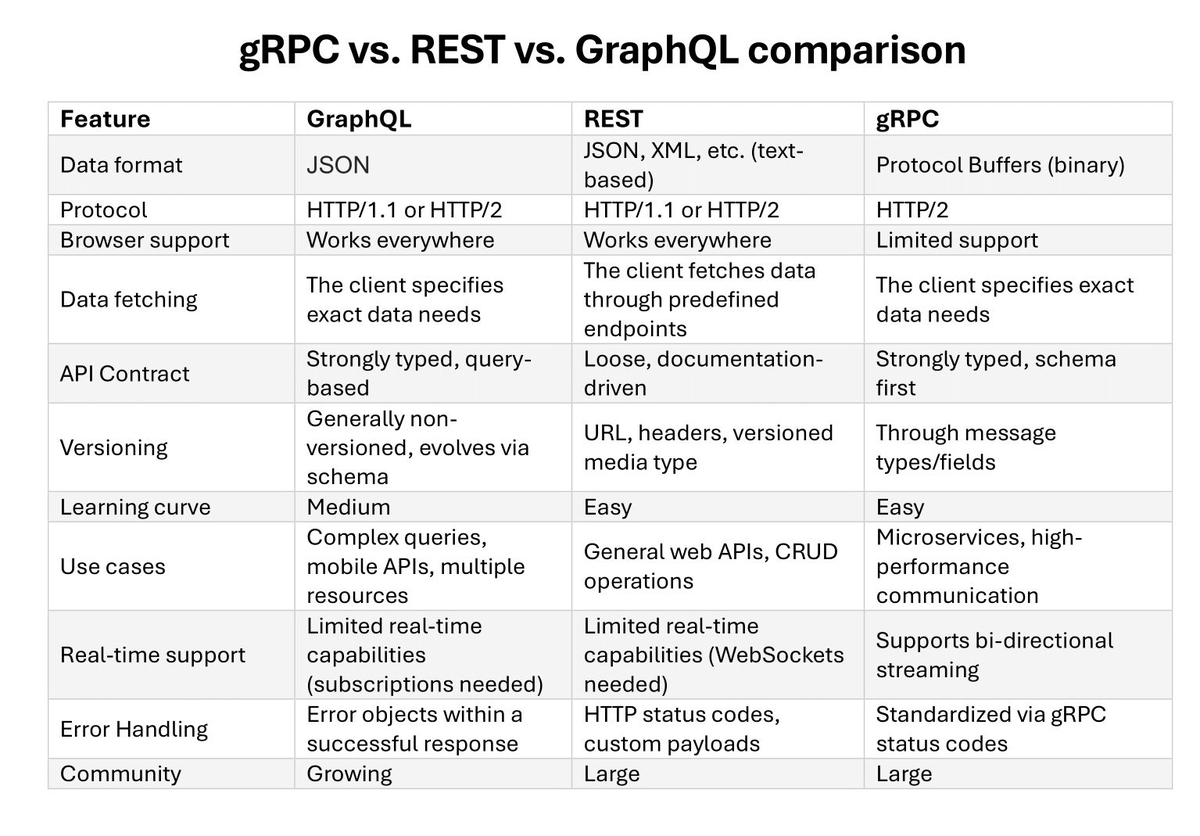
𝗪𝗵𝗲𝗻 𝘁𝗼 𝘂𝘀𝗲 𝗚𝗿𝗮𝗽𝗵𝗤𝗟, 𝗴𝗥𝗣𝗖, 𝗮𝗻𝗱 𝗥𝗘𝗦𝗧?
I've just released the new issue of my 𝗻𝗲𝘄𝘀𝗹𝗲𝘁𝘁𝗲𝗿 to more than 28k+ addresses.
In this issue, we discuss when to use 𝗚𝗿𝗮𝗽𝗵𝗤𝗟, 𝗴𝗥𝗣𝗖, 𝗮𝗻𝗱 𝗥𝗘𝗦𝗧. We will cover all essential aspects of these three major API architecture styles and examine their pros and cons for different scenarios.
In addition, you will learn how scalability, data fetching, error handling, and maintainability influence decisions on which style to use and for which use cases.
Check it out from the following link: https://t.co/SsLjJIl2HL.
____
This issue is brought to you by @getPostman 🎁.
𝙋𝙊𝙎𝙏/𝘾𝙊𝙉 𝘗𝘰𝘴𝘵𝘮𝘢𝘯'𝘴 𝘣𝘪𝘨𝘨𝘦𝘴𝘵 𝘈𝘗𝘐 𝘤𝘰𝘯𝘧𝘦𝘳𝘦𝘯𝘤𝘦 𝘦𝘷𝘦𝘳 𝘧𝘳𝘰𝘮 𝘈𝘱𝘳𝘪𝘭 30 - 𝘔𝘢𝘺 1 𝘪𝘯 𝘚𝘢𝘯 𝘍𝘳𝘢𝘯𝘤𝘪𝘴𝘤𝘰, 𝘊𝘢𝘭𝘪𝘧𝘰𝘳𝘯𝘪𝘢! 𝘈𝘯𝘥 𝘳𝘪𝘨𝘩𝘵 𝘯𝘰𝘸, 𝘵𝘩𝘦 𝘗𝘰𝘴𝘵𝘮𝘢𝘯 𝘵𝘦𝘢𝘮 𝘪𝘴 𝘰𝘧𝘧𝘦𝘳𝘪𝘯𝘨 20% 𝙤𝙛𝙛 𝙩𝙞𝙘𝙠𝙚𝙩𝙨.
𝘗𝘖𝘚𝘛/𝘊𝘖𝘕 24 𝘪𝘴 𝘧𝘰𝘳 𝘢𝘯𝘺𝘰𝘯𝘦 𝘸𝘩𝘰 𝘸𝘰𝘳𝘬𝘴 𝘸𝘪𝘵𝘩 𝘈𝘗𝘐𝘴 𝘰𝘳 𝘸𝘩𝘰𝘴𝘦 𝘣𝘶𝘴𝘪𝘯𝘦𝘴𝘴 𝘳𝘦𝘭𝘪𝘦𝘴 𝘰𝘯 𝘈𝘗𝘐𝘴. 𝘐𝘧 𝘺𝘰𝘶 𝘢𝘵𝘵𝘦𝘯𝘥, 𝘺𝘰𝘶'𝘭𝘭 𝘦𝘢𝘳𝘯 𝘢 𝘤𝘦𝘳𝘵𝘪𝘧𝘪𝘤𝘢𝘵𝘦 𝘢𝘯𝘥 𝘢 𝘗𝘰𝘴𝘵𝘮𝘢𝘯 𝘉𝘢𝘥𝘨𝘦!
𝘖𝘷𝘦𝘳 𝘵𝘸𝘰 𝘥𝘢𝘺𝘴, 𝘺𝘰𝘶'𝘭𝘭 𝘩𝘦𝘢𝘳 𝘧𝘳𝘰𝘮 𝙞𝙣𝙙𝙪𝙨𝙩𝙧𝙮 𝙡𝙚𝙖𝙙𝙚𝙧𝙨, 𝘢𝘵𝘵𝘦𝘯𝘥 𝘩𝘢𝘯𝘥𝘴-𝘰𝘯 𝙬𝙤𝙧𝙠𝙨𝙝𝙤𝙥𝙨, 𝘭𝘪𝘴𝘵𝘦𝘯 𝘵𝘰 𝘪𝘯-𝘥𝘦𝘱𝘵𝘩 𝘱𝘳𝘦𝘴𝘦𝘯𝘵𝘢𝘵𝘪𝘰𝘯𝘴, 𝘢𝘯𝘥 𝘱𝘢𝘳𝘵𝘪𝘤𝘪𝘱𝘢𝘵𝘦 𝘪𝘯 𝘦𝘹𝘤𝘭𝘶𝘴𝘪𝘷𝘦 𝘤𝘰𝘯𝘷𝘦𝘳𝘴𝘢𝘵𝘪𝘰𝘯𝘴. 𝘐𝘧 𝘺𝘰𝘶 𝘸𝘰𝘳𝘬 𝘸𝘪𝘵𝘩 𝘈𝘗𝘐𝘴 𝘰𝘳 𝘺𝘰𝘶𝘳 𝘣𝘶𝘴𝘪𝘯𝘦𝘴𝘴 𝘳𝘦𝘭𝘪𝘦𝘴 𝘰𝘯 𝘈𝘗𝘐𝘴, 𝘗𝘖𝘚𝘛/𝘊𝘖𝘕 𝘪𝘴 𝘵𝘩𝘦 𝘱𝘭𝘢𝘤𝘦 𝘧𝘰𝘳 𝘺𝘰𝘶.
𝙍𝙚𝙜𝙞𝙨𝙩𝙚𝙧 𝙣𝙤𝙬: https://t.co/zXkCser9jg
#technology #softwareengineering #management #techworldwithmilan #leadership
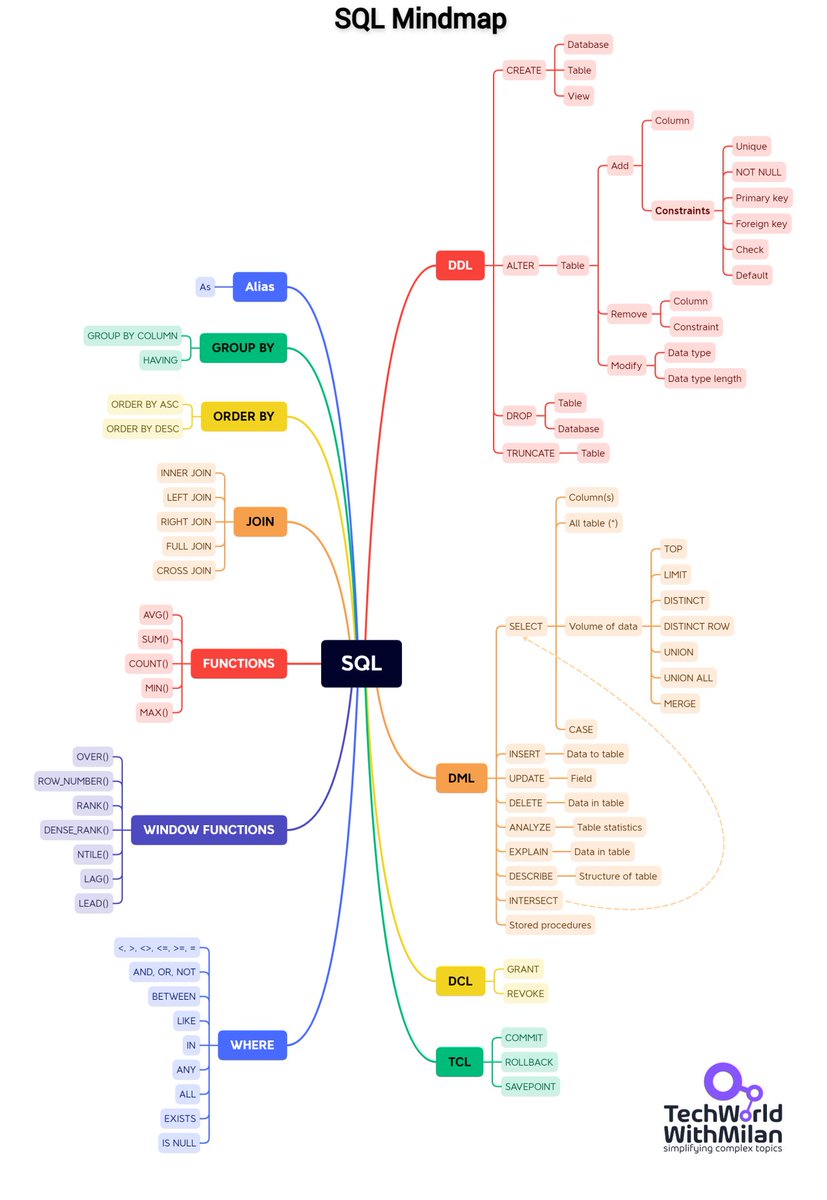
𝗛𝗼𝘄 𝘁𝗼 𝗹𝗲𝗮𝗿𝗻 𝗦𝗤𝗟?
Structured Query Language (SQL) is a domain-specific language used in programming and designed to manage data held in relational database management systems for many years. It was developed at IBM in the early 1970s. As relational databases are still very prevalent, any developer must use them.
The SQL language has 𝗰𝗹𝗮𝘂𝘀𝗲𝘀, which are components of statements and queries; 𝗲𝘅𝗽𝗿𝗲𝘀𝘀𝗶𝗼𝗻𝘀, which can produce scalar values or tables; 𝗽𝗿𝗲𝗱𝗶𝗰𝗮𝘁𝗲𝘀, which specify conditions that can be evaluated using SQL three-valued logic; and 𝗾𝘂𝗲𝗿𝗶𝗲𝘀, which retrieve data based on criteria and other elements.
There are five main components of SQL:
🔹 𝗗𝗗𝗟 (𝗗𝗮𝘁𝗮 𝗗𝗲𝗳𝗶𝗻𝗶𝘁𝗶𝗼𝗻 𝗟𝗮𝗻𝗴𝘂𝗮𝗴𝗲): Defines and manages database schema elements, using commands like CREATE, ALTER, and DROP to create, modify, or delete tables and other database structures.
🔹 𝗗𝗠𝗟 (𝗗𝗮𝘁𝗮 𝗠𝗮𝗻𝗶𝗽𝘂𝗹𝗮𝘁𝗶𝗼𝗻 𝗟𝗮𝗻𝗴𝘂𝗮𝗴𝗲): manages the data within database tables, using commands like INSERT, UPDATE, DELETE, and SELECT to add, update, remove, or retrieve data.
🔹 𝗗𝗖𝗟 (𝗗𝗮𝘁𝗮 𝗖𝗼𝗻𝘁𝗿𝗼𝗹 𝗟𝗮𝗻𝗴𝘂𝗮𝗴𝗲): Controls access to the database, using GRANT and REVOKE to provide or remove user permissions for data access and manipulation.
🔹 𝗧𝗖𝗟 (𝗧𝗿𝗮𝗻𝘀𝗮𝗰𝘁𝗶𝗼𝗻 𝗖𝗼𝗻𝘁𝗿𝗼𝗹 𝗟𝗮𝗻𝗴𝘂𝗮𝗴𝗲): Manages database transactions to ensure data integrity, using commands like COMMIT, ROLLBACK, and SAVEPOINT to finalize, undo, or save transaction states.
🔹 𝗗𝗤𝗟 (𝗗𝗮𝘁𝗮 𝗤𝘂𝗲𝗿𝘆 𝗟𝗮𝗻𝗴𝘂𝗮𝗴𝗲): This language primarily involves the SELECT command, which queries and fetches data from the database based on specific criteria.
So, the question is 𝗵𝗼𝘄 𝘁𝗼 𝗹𝗲𝗮𝗿𝗻 𝗦𝗤𝗟?
Here are some (free) resources that I can recommend:
𝟭. 𝗦𝗤𝗟𝗕𝗼𝗹𝘁 - is an entirely free, fully interactive introductory course. All SQL basics are covered, including writing queries, filtering, joins, aggregations, and creating, updating, and deleting tables. https://t.co/uGsxUSdVGg
𝟮. 𝗦𝗤𝗟𝗭𝗼𝗼 —It provides both tutorials and exercises, which is why it is equally useful for someone just starting with SQL and programmers who know SQL but want some good practice to really master it. https://t.co/QYQN6YKea8
𝟯. 𝗦𝗤𝗟 𝗧𝘂𝘁𝗼𝗿𝗶𝗮𝗹 𝗮𝘁 𝗙𝗿𝗲𝗲𝗖𝗼𝗱𝗲𝗖𝗮𝗺𝗽 - This SQL course has more than 7 million views, and I think it's Youtube’s most popular free SQL course. https://t.co/4nx8ckZVz5
𝟰. 𝗣𝗼𝗽𝗦𝗤𝗟 is a really interesting tool for collaborative SQL querying. It enables multiple users to share queries, stores commonly used queries in a searchable library and provides a visual interface for analysis. https://t.co/y70B0rW62n
𝟱. 𝗟𝗲𝗮𝗿𝗻𝗶𝗻𝗴 𝗦𝗤𝗟 𝗯𝘆 𝗔𝗹𝗮𝗻 𝗕𝗲𝗮𝘂𝗹𝗶𝗲𝘂 𝗳𝗿𝗲𝗲 𝗯𝗼𝗼𝗸. This book provides helpful context regarding the language's history and current usage, offers an overview of query and table architecture, and covers some more complex SQL subjects than the courses mentioned above. https://t.co/44iy3v91JQ
#sql #databases
In today's #dotNETConf session replay, we explore how to use .NET, C#, and Azure to create amazing applications with OpenAI and other generative AI technologies. 🎥 https://t.co/AAlwkvnU5L
I could not find a good beginner level Blazor course.
So I created one.
In this free course, you will learn how to build a modern frontend application, step by step, using Blazor and the C# language.
Most other Blazor course instructors assume you already know a previous version of Blazor, and want to learn what's new in .NET 8.
That's not this course.
Here you'll go from zero to becoming a .NET Frontend Developer with Blazor, even if you have never created a web application before.
Specifically, this course covers:
- What is Blazor?
- Creating a Blazor project
- Using Razor syntax
- Styling with Bootstrap
- Creating and reusing components
- Using Forms and bindings
- Routing and navigation
- Dependency injection
- Client-side validation
- Using component parameters
- Adding user interactivity
- Using the configuration system
- Using asynchronous programming
- Talking to the backend via HttpClient
- Stream rendering & enhanced forms
And, you will use the latest and greatest tech available with .NET 8, VS Code and the C# Dev Kit.
Ready to become a .NET Frontend Developer?
Start watching for free over here 👇
https://t.co/Y9HS10fAMG
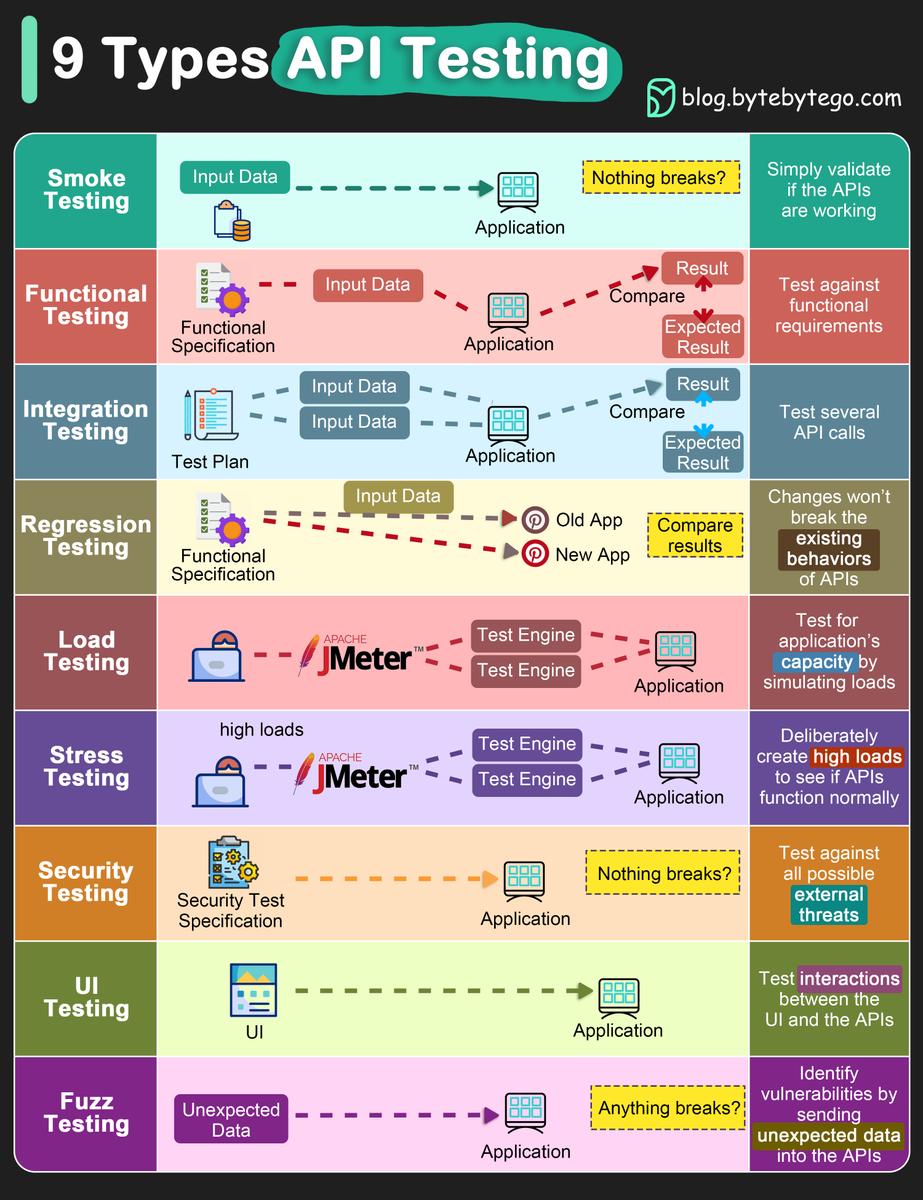
Explaining 9 Types of API Testing
🔹 Smoke Testing
This is done after API development is complete. It simply validates if the APIs are working and nothing breaks.
🔹 Functional Testing
This creates a test plan based on the functional requirements and compares the results with the expected outcomes.
🔹 Integration Testing
This test combines several API calls to perform end-to-end tests. It tests intra-service communications and data transmissions.
🔹 Regression Testing
This test ensures that bug fixes or new features don't break the existing behaviors of APIs.
🔹 Load Testing
This tests an application's performance by simulating different loads. It helps calculate the capacity of the application.
🔹 Stress Testing
This deliberately creates high loads on the APIs to test if they are able to function normally under stress.
🔹 Security Testing
This tests the APIs against possible external threats to ensure security.
🔹 UI Testing
This tests the UI interactions with the APIs to make sure the data is displayed properly.
🔹 Fuzz Testing
This injects invalid or unexpected input data into the API and tries to crash it. This helps identify API vulnerabilities.
–
Subscribe to our weekly newsletter to get a Free System Design PDF (158 pages): https://t.co/6j06DUIbVn
A simple way to achieve RBAC in web APIs is by leveraging JSON Web Tokens and adding roles as claims.
In this #dotNETConf session replay, we discuss the importance of API security and how to use JWTs to implement the RBAC pattern in #ASPNET Web APIs. 🎥 https://t.co/0fHMR9tu6i
Need to implement Authentication with minimal effort and low cost?
This AWS service is free for up to 50,000 monthly active users.
Let me introduce you to Amazon Cognito.
Amazon Cognito handles user authentication and authorization for you. It supports both OAuth 2.0 and OIDC. And you can configure Cognito in a matter of minutes.
You can use Amazon Cognito to authenticate and authorize users and integrate it with your .NET applications.
I made an in-depth video showing you how to get started from scratch.
Watch it here: https://t.co/XHpKJNOcsC
30 .NET topics that I have covered so far check out these posts
✅ Design Principles (3)
- DRY : https://t.co/57waEaAmV1
- KISS : https://t.co/FmKFM0DjLm
- YAGNI : https://t.co/FEd3xIuo4h
✅ Packages (7)
- Hangfire : https://t.co/H8OgpO33wt 🧵👇
How do you test your APIs in .NET , answer could be
- Postman
- Swagger
- Unit testing
What if I tell you we have new way to test our APIs
.NET 8 Web API with default .http file
Using .http file we can test our .NET APIs, although this option was available there since a long time, but I noticed it when I have recently created a .NET 8 API. It is by default created with .NET 8.
What is the purpose of this file
As per Microsoft docs .http file editor provides a convenient way to test ASP .NET Core projects, especially API apps. The editor provides a UI that:
- Displays the responses
- Creates and updates .http files.
- Sends HTTP requests specified in .http files.
By default this file contains host address and a simple GET method.
We can add new variable by using at the rate (@) sign and use it.
Three hash tags (###) are used as delimiter to tell this file that previous API has ended here and we have other API after that.
If you are interested to learn :
- How to send requests
- How to add header and body
- Which methods are supported
You should read this → https://t.co/Mq7hzZgEnU
Repost ♻️ would be appreciated
4 Books to get better at System Design:
1. Designing Data-Intensive Applications
2. Clean Architecture
3. Building Microservices
4. Database Internals
What else you would add to this list?
***
Join 2700+ readers of my free newsletter for simple explanations to coding and system design concepts: https://t.co/sLUcqnCd1V