Yesterday, the wholesale price of natural gas was 220p per therm.
8% lower than a month ago.
Yet UK energy bills to rise by 26% in January.
OK, companies buy forward but whichever way it goes they always win.
Profiteering approved by regulators.
https://t.co/GBwwdWCWVn
THE RIVER SEVERN: A DEATH TRAP FOR GLASS EELS?
Millions of critically endangered glass eels travel 3,000 miles only to have their migration blocked by man-made weirs and barriers. This is an environmental disgrace.
Who is accountable
@EnvAgency @DeferaGovUK
@NaturalEngland
In the name of economic growth and development
Yesterday EU voted to weaken Birds and Habitat Directive
which means developers will be able to bulldoze nesting birds sites at will and pesticide use will increase
This after half a billion of birds gone in Europe in last 40 years
A black-browed albatross chick on her carefully constructed pedestal nest in the Falkland Islands—home to around 75% of their global breeding population.
She has no idea that her world is soon to be degraded into a noisier, more polluted and dangerous place.
Her parents devotedly incubated the egg for around 70 days. Now they need to feed her for months—that's why this place is so vital for its relative safety and rich marine food web.
But Navitas Petroleum, a Tel Aviv-listed company with a 65% stake and operator of the project, and London-listed Rockhopper Exploration, which holds 35%, are behind a vast deepwater oil drilling plan:
Up to 77 offshore wells are proposed, with wellheads and pipelines, two enormous FPSOs (floating production, storage and offloading vessels), oil tankers, a shore base, port and helipad – bringing decades of disruptive activity, vessel traffic, cetacean collisions and catastrophic spill risk.
Navitas Petroleum's own modeling of a subsea well blowout estimated that only 6.3% of spilled oil would be recovered in the particular scenario examined—a horrifying outcome.
The Falklands also have five breeding species of penguin, all dependent on this important marine ecosystem which includes whales, sea lions and elephant and fur seals.
I have seen with my own eyes the extraordinary marine life around these islands and I condemn this entire project—not only for the serious risks to one of the richest marine ecosystems in the south Atlantic—but also for the continuing insanity of drilling for potentially millions of barrels of oil—adding yet more emissions to an already overheating planet.
Drilling is expected to begin in early 2027.
(1/2🧵)
A wake-up call for the UK government on wild birds
@guardian
“The scale of bird declines in the UK is impossible to ignore, and songbirds are among the worst affected”
#WildForLife
https://t.co/TbuiE3shes
Some photo's of the Ravens!! Today they were allopreening on top of a hill, so I thought if I went a little way down the hill and lay down it would be a nice angle on them 😄 I think it was worth getting wet and cold for! I don't know which one I like best so I shared them all!
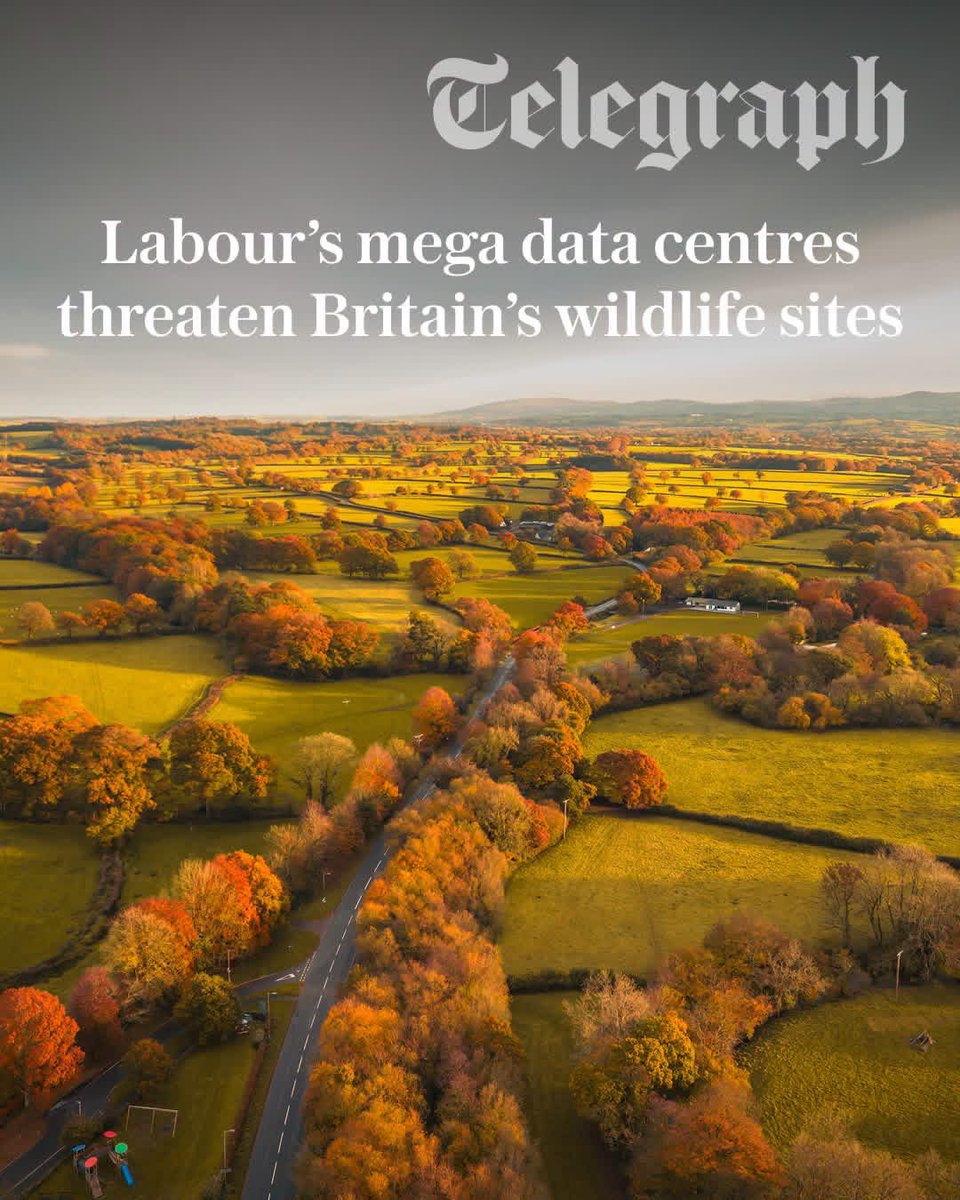
Between huge solar parks & data centres what little land we have left for wildlife & biodiversity is now under huge threat
Labour is trying to fast-track the construction of AI data centres amid a global race to build facilities that power apps such as Claude and ChatGPT.
It has stripped away vital legal protections for Britain’s most important wildlife sites to achieve this goal ⬇️
I am supporting this petition please sign & share : End the religious slaughter exemption and require irreversible stunning
Remove the religious slaughter exemption and require all animals to be irreversibly stunned before slaughter. End non-stun and recoverable stunning for religious slaughter, in recognition of animals as sentient beings under the Animal Welfare (Sentience) Act 2022
https://t.co/hJvNlylNdM
How do these people get bail, when slashing a human traffickers dingy doesn’t.
23 dead animals, 41 others lined up for slaughter, and weapons were all found during a late-night raid on a farm in Devon 🚨
Officers forced entry onto the Highampton site on Friday, November 13, alongside specialist policing teams and welfare agencies.
Inside, they found 23 dead animals, 41 live animals believed to be in the process of being prepared for slaughter, and hundreds more showing signs of suffering.
The Animal and Plant Health Agency has since inspected and rescued hundreds of the surviving animals.
Weapons, cash, and documentation were also seized during the late-night operation.
Six men were initially arrested on suspicion of conspiracy to supply unfit meat to the public and causing unnecessary suffering to animals.
The following day, those same six men were further arrested on suspicion of theft and possession of a firearm. A seventh man was also arrested on Saturday.
Inspector Dan Jones, who led the operation, said: "Not only are there risks in consuming meat when it isn’t from a reputable source, but illegal butchery can also cause unnecessary suffering to the animal and, in some cases, can contribute to outbreaks of diseases across the country."
A court approved condemnation on Wednesday, November 18, to stop the farm from operating.
A restriction notice has also been issued to the person renting the farm space, with weekly visits planned to ensure the site is being properly disinfected.
All seven men have been released on bail while investigations continue, and police are urging farmers across Devon and Cornwall to report any livestock thefts from the past six months to help identify sheep found at the scene.
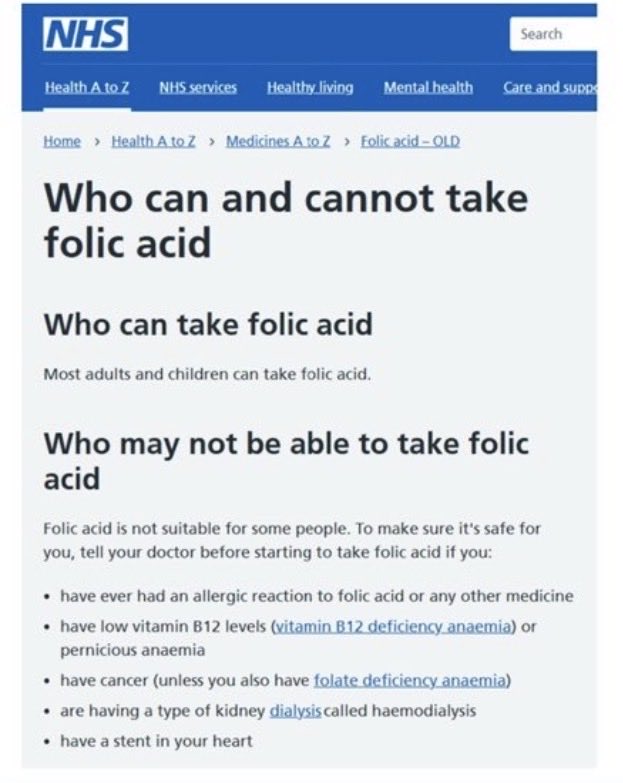
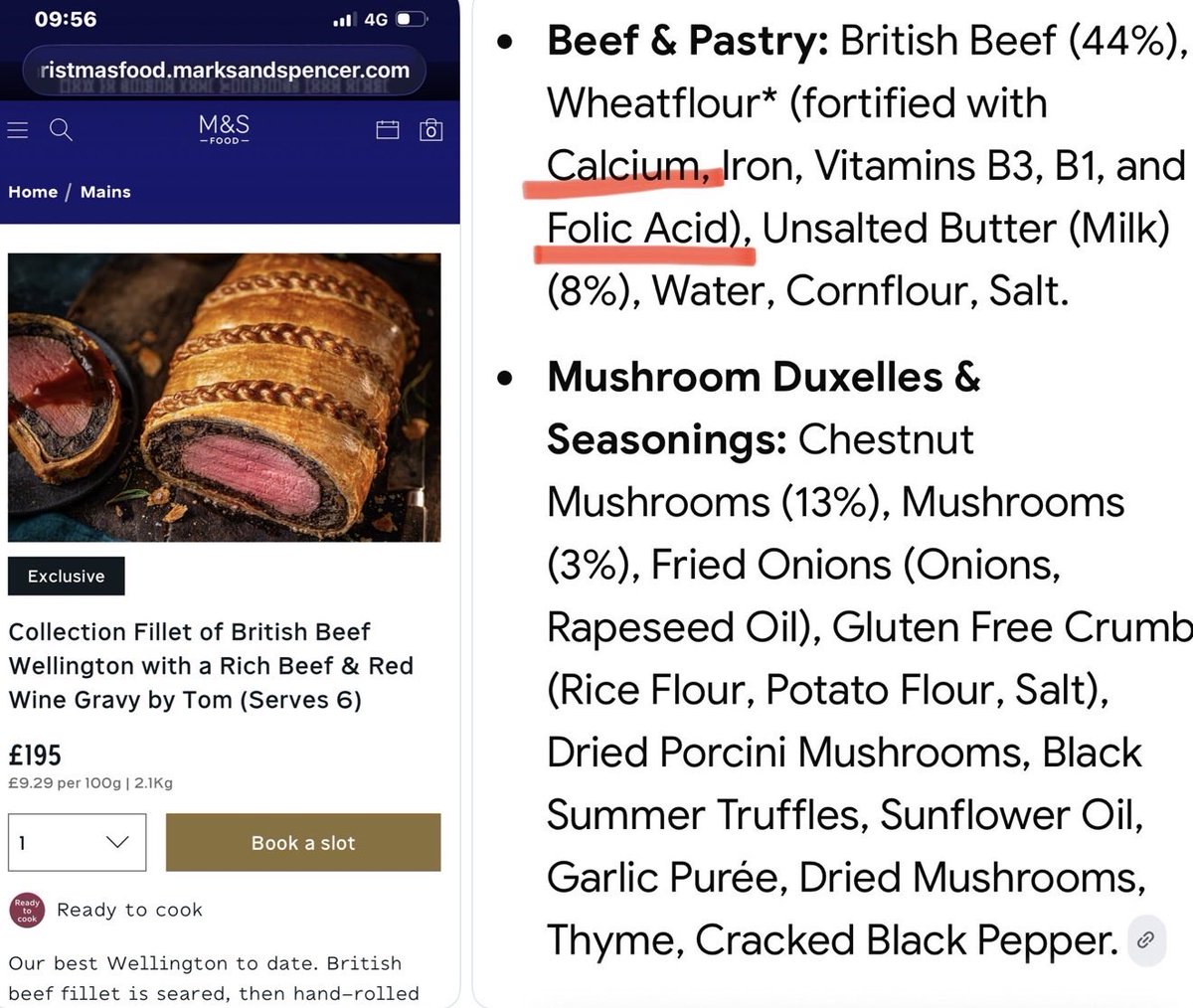
Dear @marksandspencer@NHS warns anyone with CANCER to seek medical advice BEFORE taking FOLIC ACID
Why have you not got a health warning on your £195 Beef Wellington which contains FOLIC ACID?
Do you not have a duty of care to your customers?
@Tylwyth_Teg1897@ClareCraigPath
Wild animal casualties of war are seldom mentioned, but their injuries and disabilities must be endured alone, however terrible.
This is a rare Persian leopard, his leg likely blown off by a landmine according to rangers.
There are only 750-1,044 left on Earth—the able-bodied leopards find it hard enough to survive.
Such injuries are common in the region. According to WWF, three of the ten leopards recorded in Armenia since 2002 have lost a limb.
Hi everyone we’ve reached over 50,000 signatures!
We call on the Government to launch an independent public inquiry into the regulation of animal experimentation.
Please sign & share this petition & let’s get 100k as fast as possible. Huge thanks Peter
https://t.co/WcyPNtmLvI