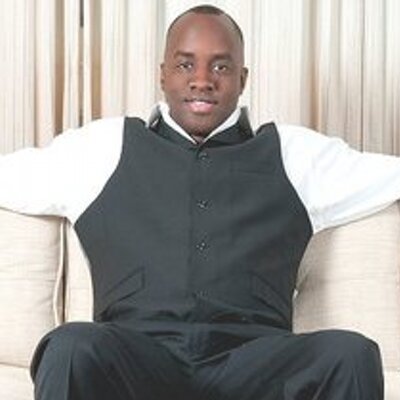
Ma, I wrote a #1 best seller.
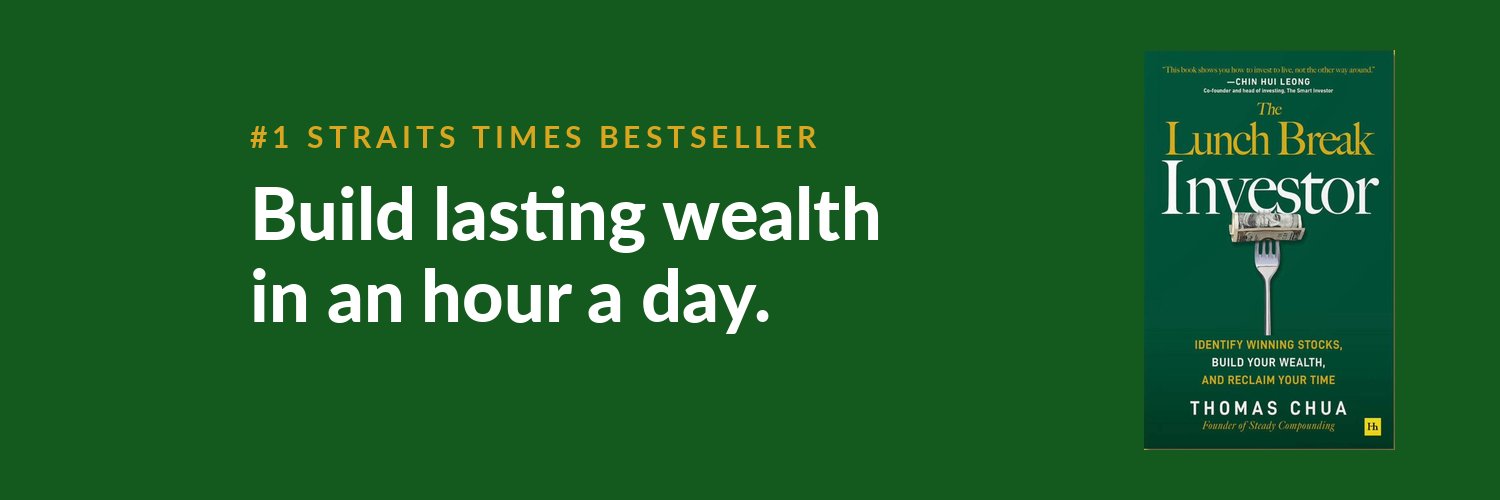
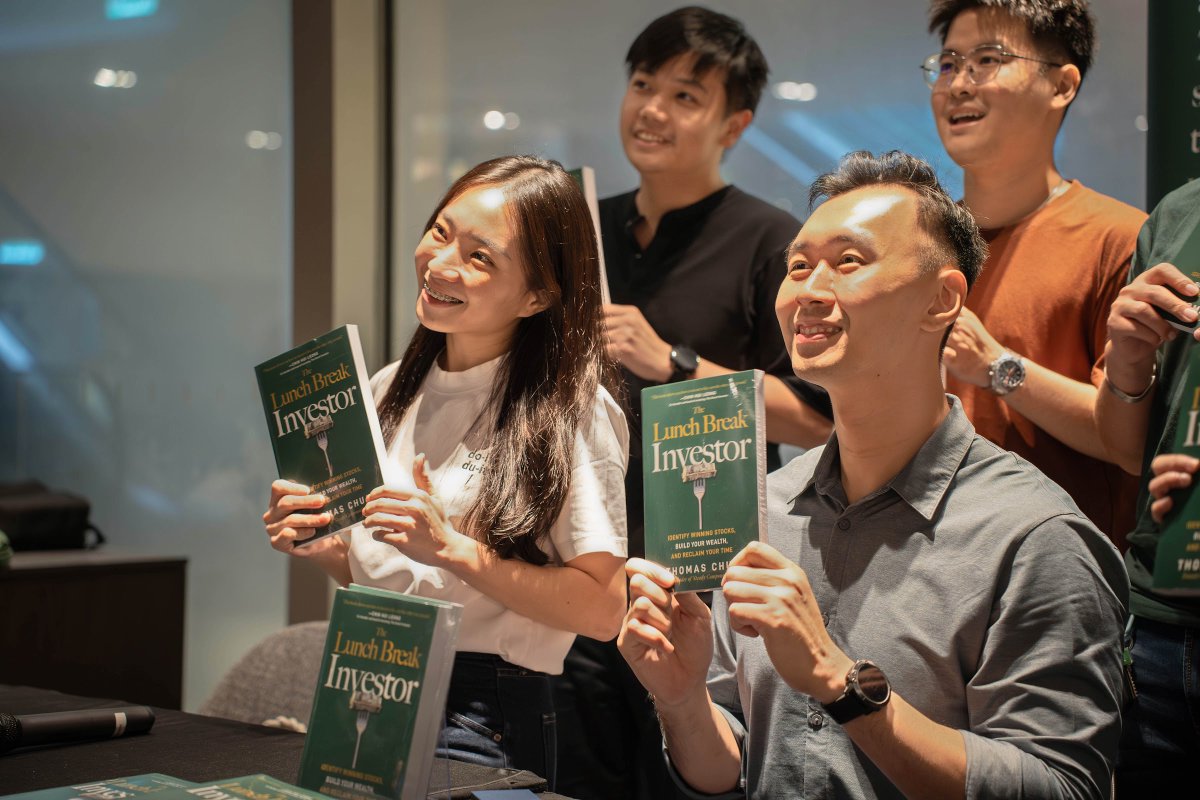
The Lunch Break Investor debuted at #1 on the Straits Times bestseller list.
(She's the one with her eyes closed, standing next to me.)
Netflix says US churn improved this quarter.
So why swap its chief content officer five days before earnings?
My read on Netflix Q3, and what would change my mind: https://t.co/vucXuqDSm9
【Selling Well!】
「The Lunch Break Investor: Identify winning stocks, build your wealth, and reclaim your time」
Author:Chua, Thomas
Publisher:Harriman House
Publication date:August 18, 2026
https://t.co/Tol9IOnwX3
Buffett saw the same pattern in his 1999 letter.
In the mid-1970s, when buybacks made obvious sense, he wrote that it was "virtually screaming at managements, but few responded."
By 1999, near the dot-com peak, everyone was doing them.
https://t.co/mSunoL9rae
Whenever a company buys back shares, it puts a positive spin on it.
"We returned a record amount to shareholders."
That says nothing about whether the buyback was accretive or value-destroying. A lot of that depends on the price.
Many management teams make the same mistake as individual investors. They buy back shares while the stock is rising and freeze when it falls. But the discounts usually only show up when things are bad.
A lot of people wonder what financial independence actually is, or whether there's a rule of thumb for it.
I think JL Collins has a pretty interesting way of looking at it. It's not just the size of your portfolio. It's also how much you spend, and whether your portfolio can grow faster than that spending after inflation.
"One of the beauties of being financially independent is that by definition, you have enough money such that the power of compounding is greater than the opportunity cost of what you spend. Once you have your F-You Money, all you need do is make sure you continue to reinvest to outpace inflation and keep your spending below the level your stash can replenish."
JL Collins, The Simple Path to Wealth
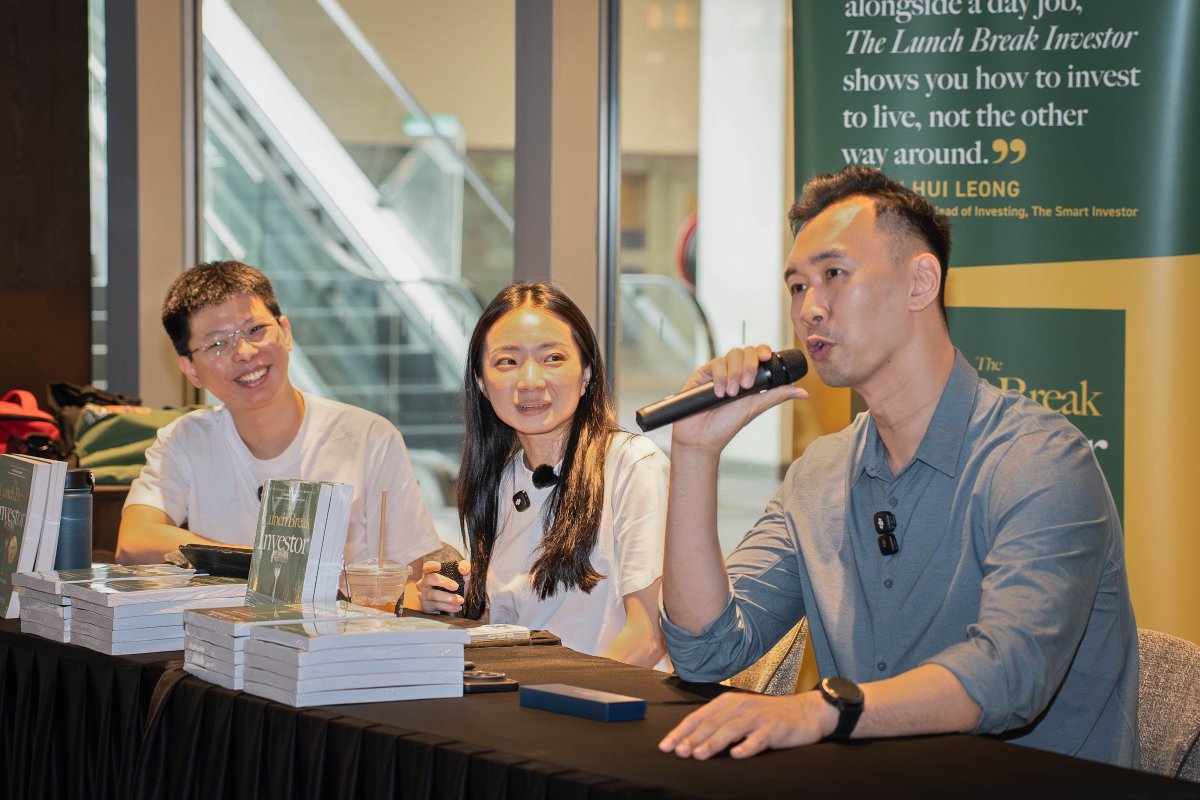
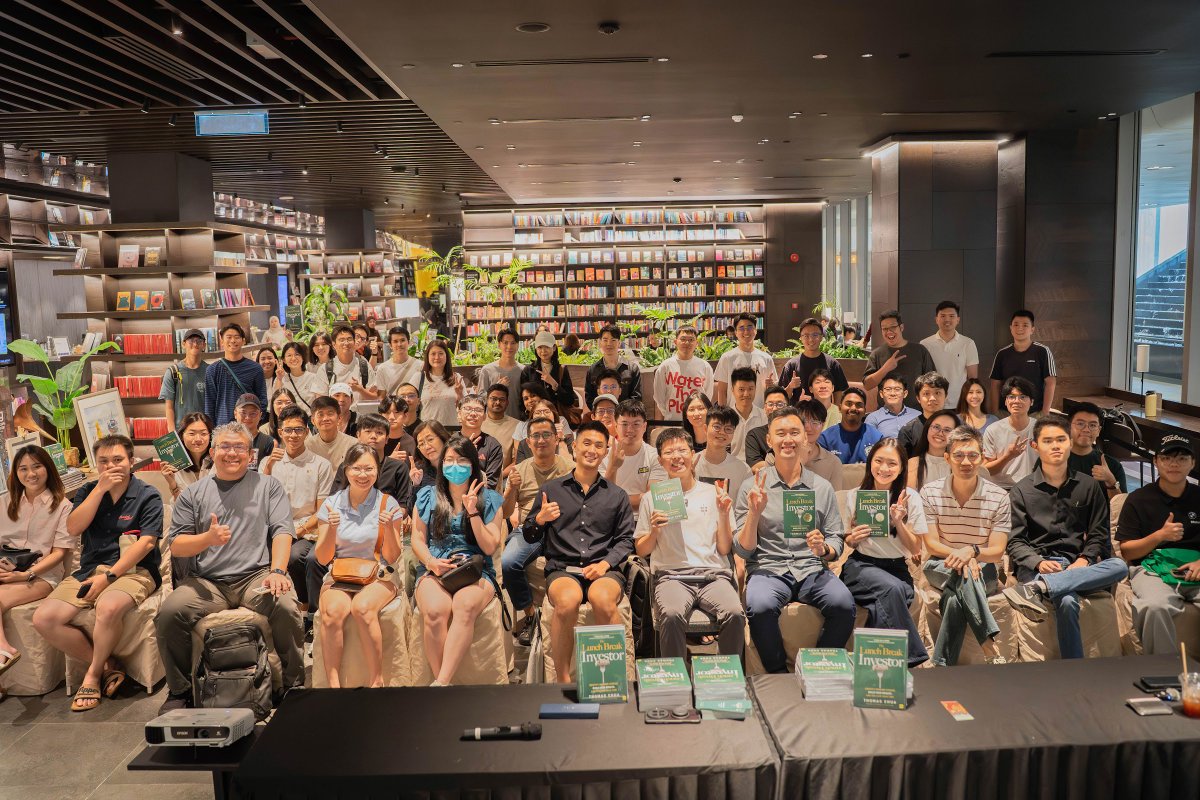
I wasn’t sure how my first book talk outside Singapore would go.
Then on Saturday in KL, all 50 seats were taken and people stood along the side for the whole hour.
Very grateful to everyone who came, and to HY Tan and Guan of doitduit, who prepared the great questions and spread the word.
I was 13 when the red envelope showed up.
Every day, I’d check the letterbox downstairs—flyers, McDonald’s coupons, the usual. But a red one? That was different.
A few days later, the power got shut off.
So I started going to the library 10 minutes away. Easy reads first, then biographies, then investing.
@khoohsuchuang got the whole story out of me on the Do More podcast.
Catch it here: https://t.co/3uYO4TwqkN
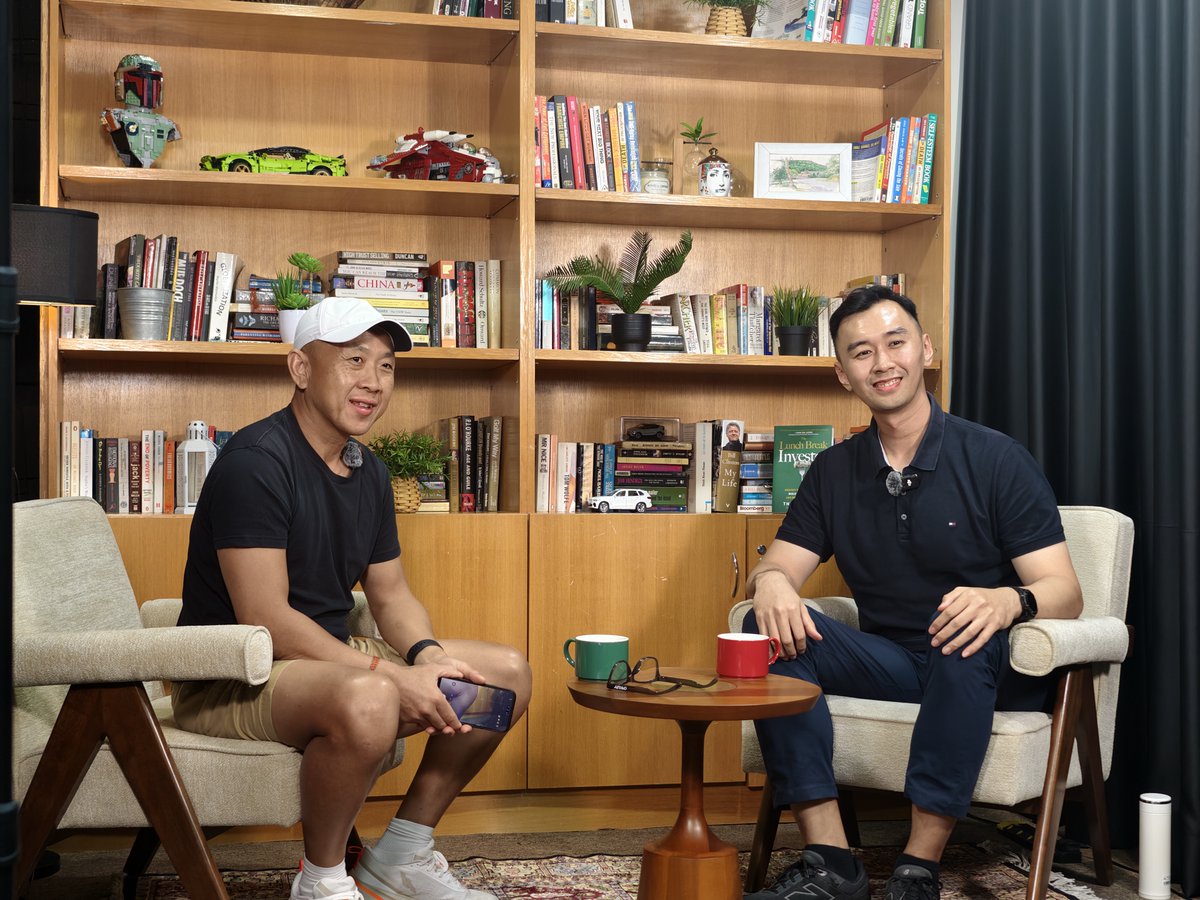
Twenty years of grilling CEOs at Bloomberg, Reuters and BFM. Today it was my turn.
An hour with Khoo Hsu Chuang in his KL studio for Do More.
KL, see you tomorrow at the book talk. Tsutaya Books, Pavilion Bukit Jalil, 2pm, with HY Tan and Guan.
Bruce Greenwald values a business in three layers:
- What it would cost to rebuild the assets
- What the moat earns today
- What growth adds inside that moat
“As we have said, value investors consider the three sources of intrinsic value to be the reproduction cost of the company’s assets, the current earnings power of any franchise, and the value of its earnings growth within that franchise.”
Bruce Greenwald
Take care of the downside and the upside will take care of itself.
“I don’t buy more of the ones I can make the most money on. I buy more of the ones that I can’t lose money on.”
Joel Greenblatt in Richer, Wiser, Happier.
@EugeneNg I think so! And it great that they are so casual and candid with each other, including Susan's comment on "if this doesn't work out it's going to be very very bad' 🤣