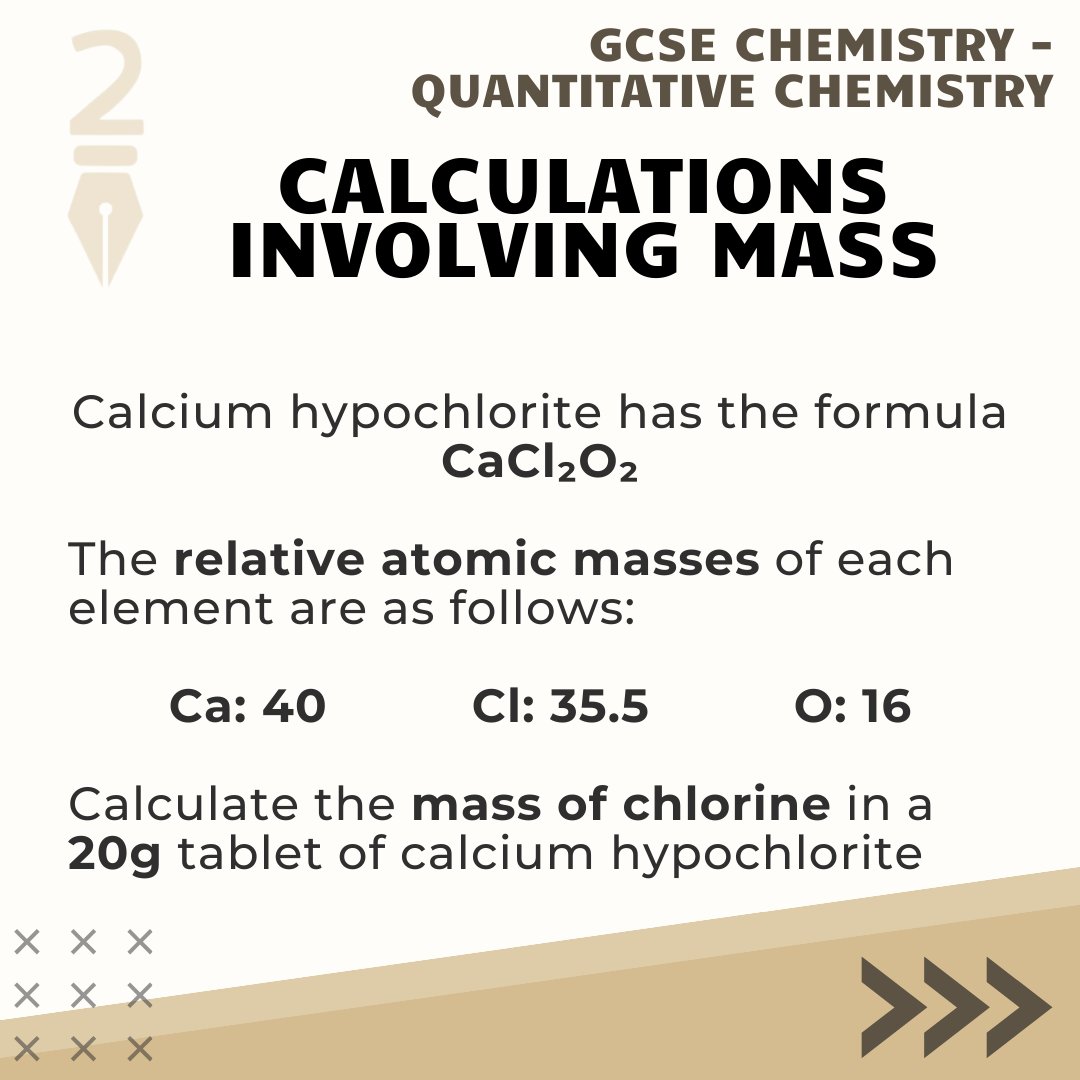
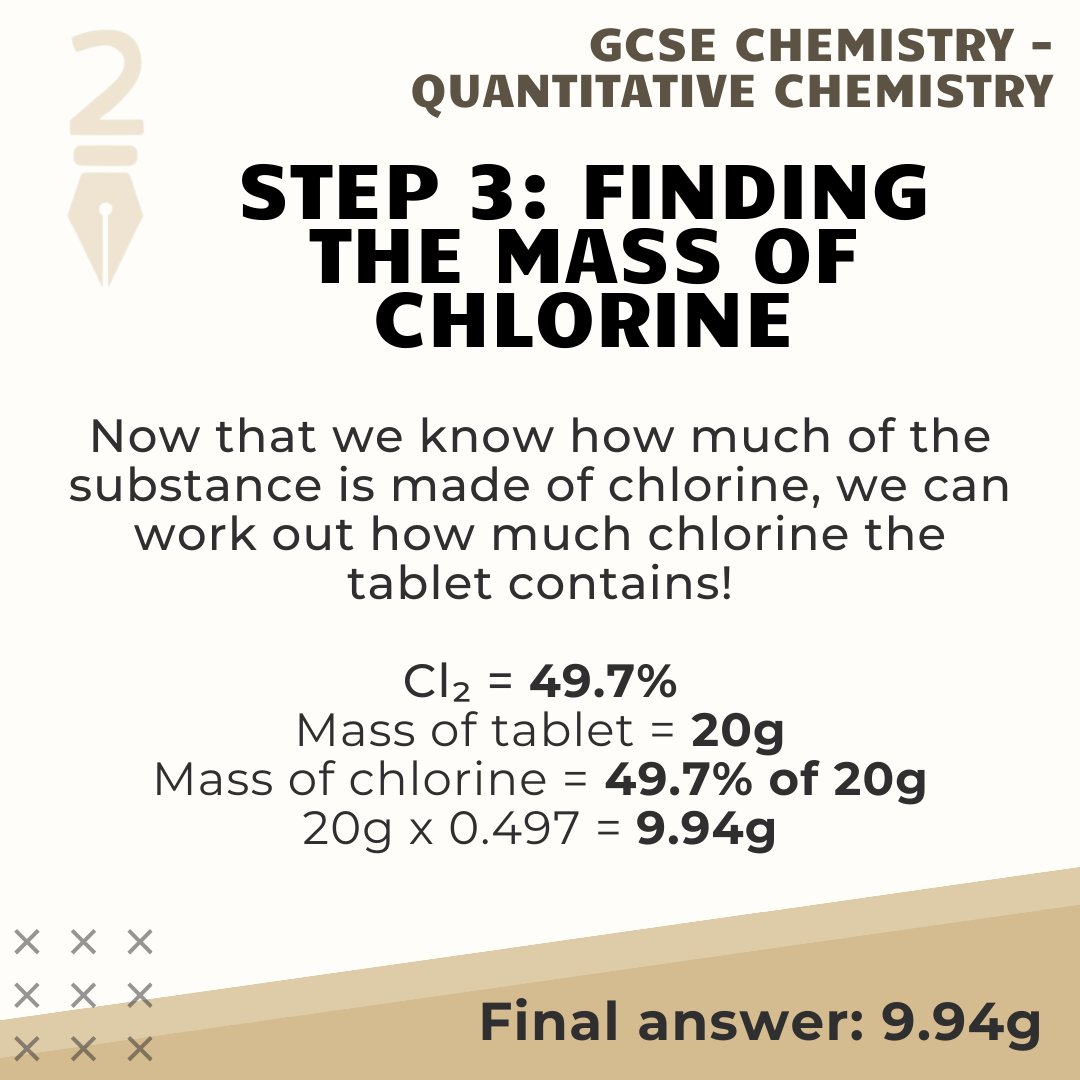
You can’t do chemistry without a good understanding of maths! Here’s our step-by-step guide to a very common question, involving calculating the mass of an element in a known substance.
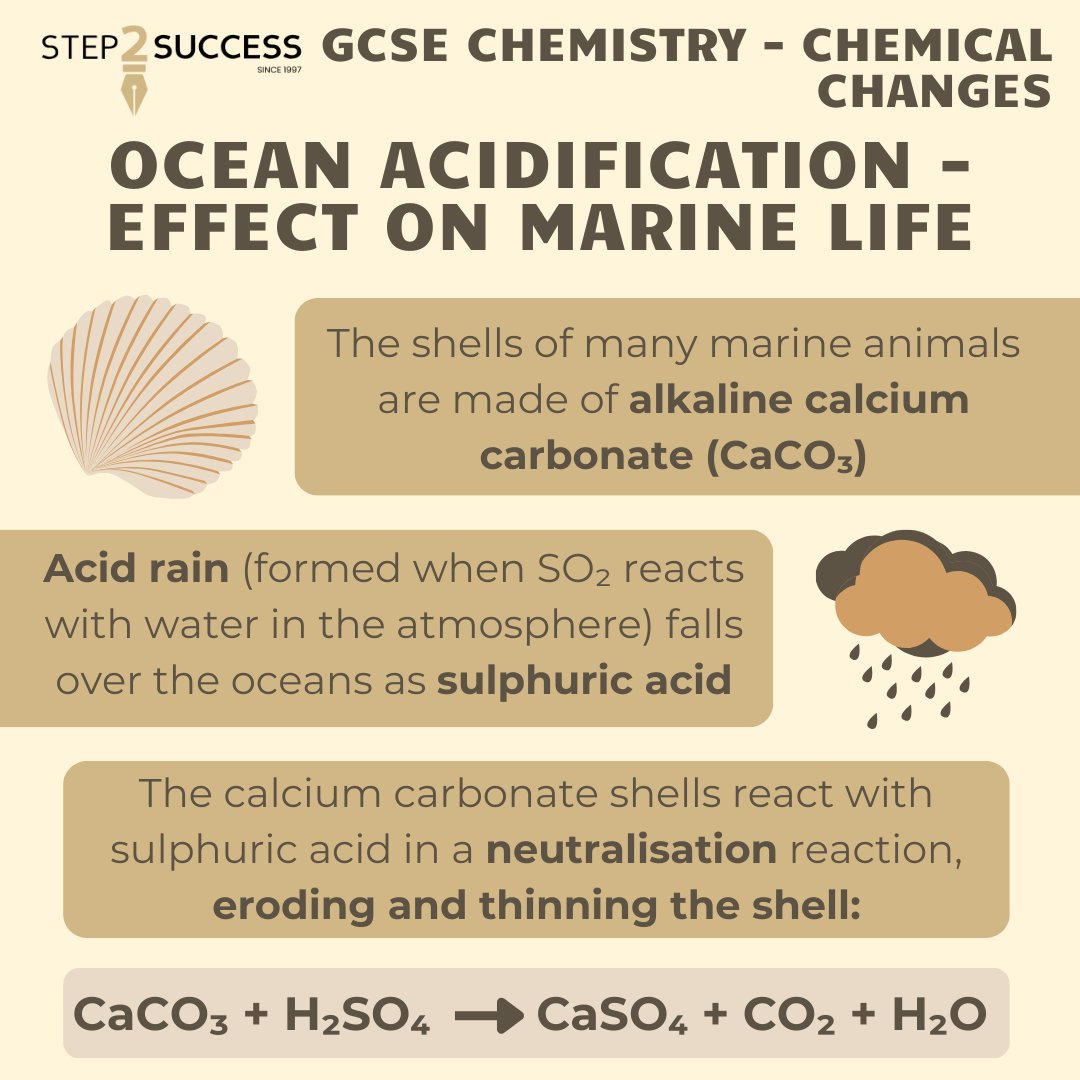
Burning fossil fuels releases chemicals like sulphur dioxide, which can form acid rain. If this falls over the oceans, it can cause ocean acidification, putting many sea creatures at risk of extinction. But how exactly does this happen? Read all about it in this post!
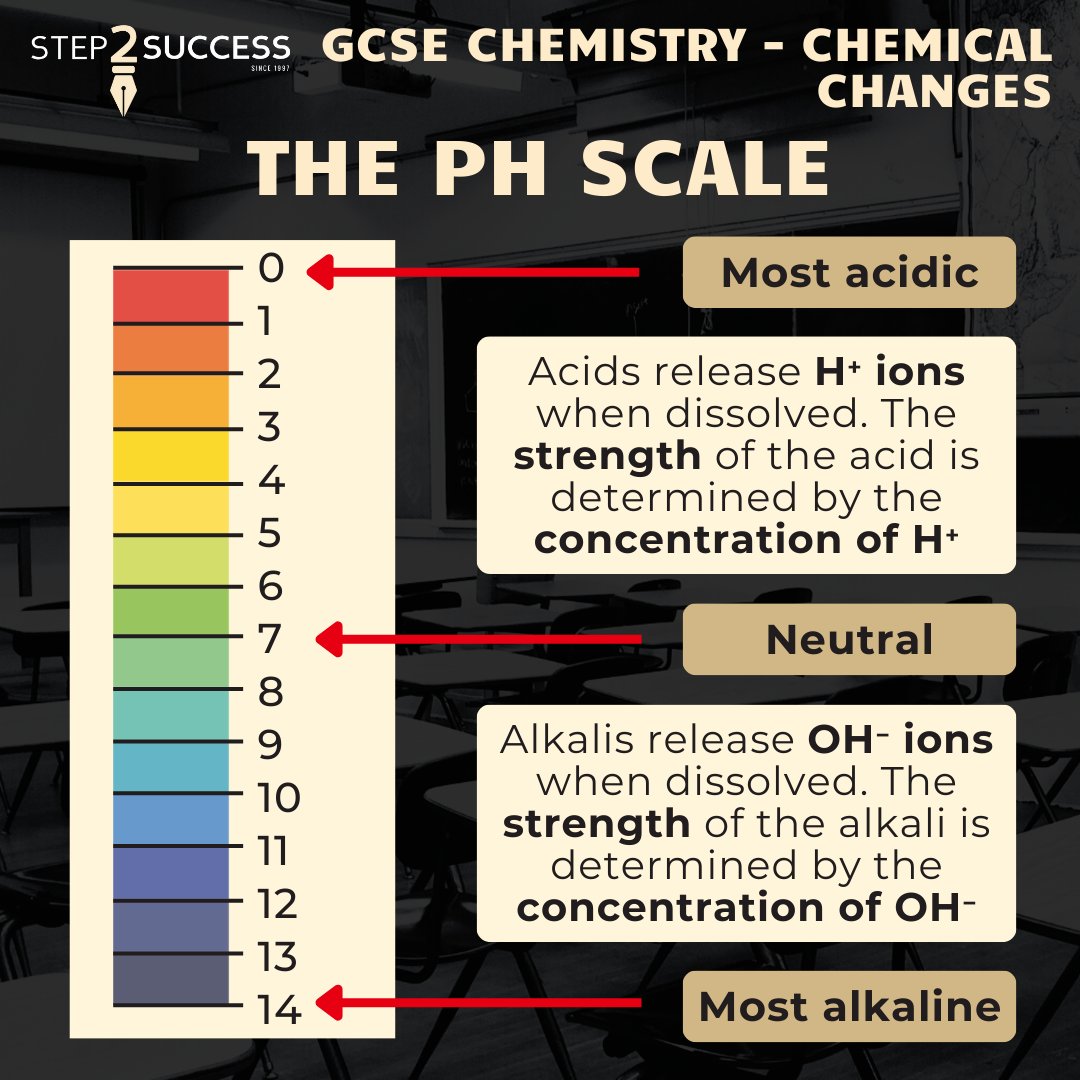
To understand how neutralisation reactions work, we first need to understand what the pH scale is! Remember, the pH scale is logarithmic, so an acid with a pH of 3 is 10 times stronger than pH 4, and 100 times stronger than pH 5!
Just like animals, plants have a variety of hormones to help control their growth, as well as ripening of fruits. Swipe to find out more about the effect of auxin in different parts of a plant!
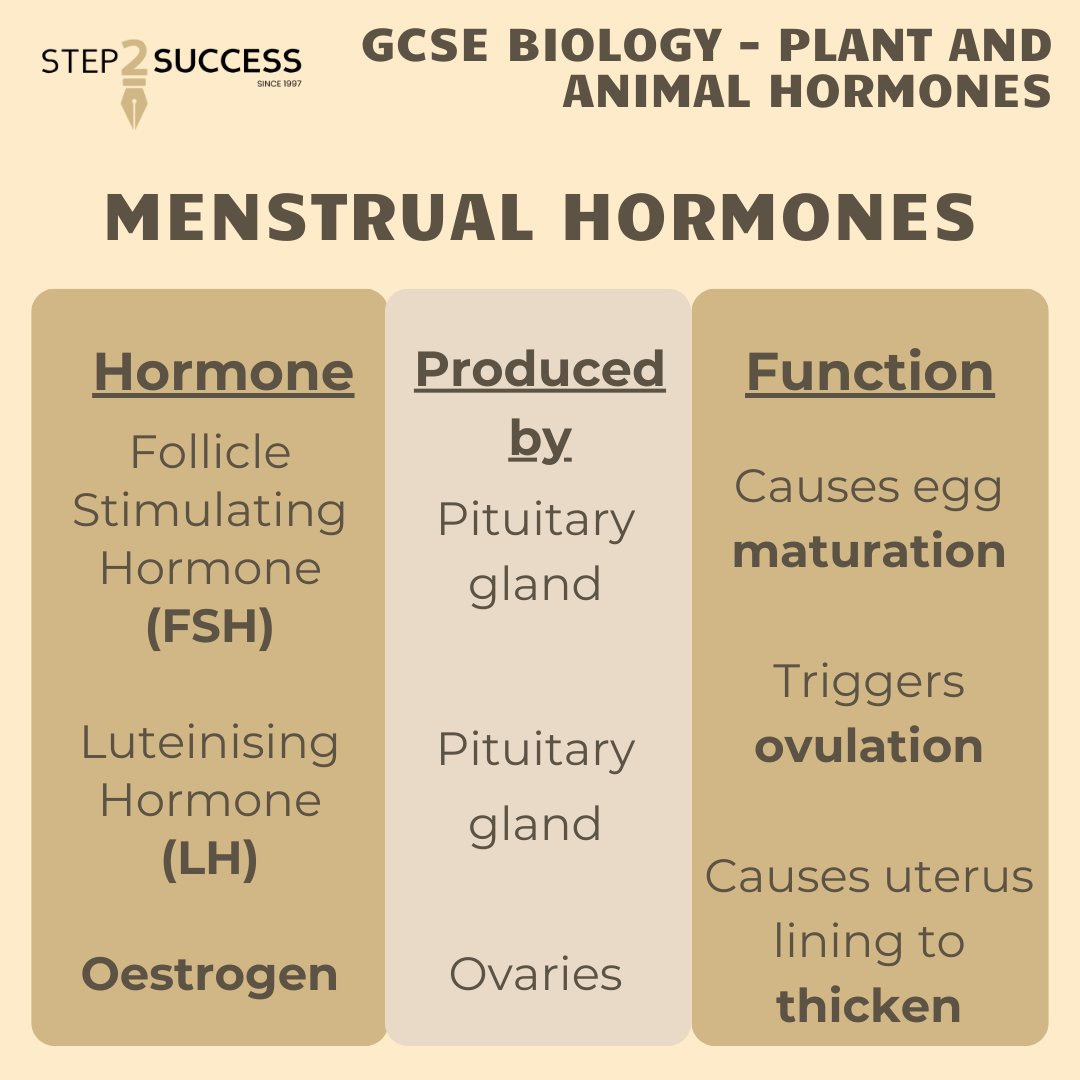
A tricky topic even for higher tier students, the hormones of the menstrual cycle are always out to cause confusion! We’ve put together a guide to show how the hormones interact with each other to control the menstrual cycle.
The alveoli are tiny air sacs within our lungs, and they act as the barrier between the outside air and our bloodstream. To maximise the rate of diffusion, they have a few key adaptations.
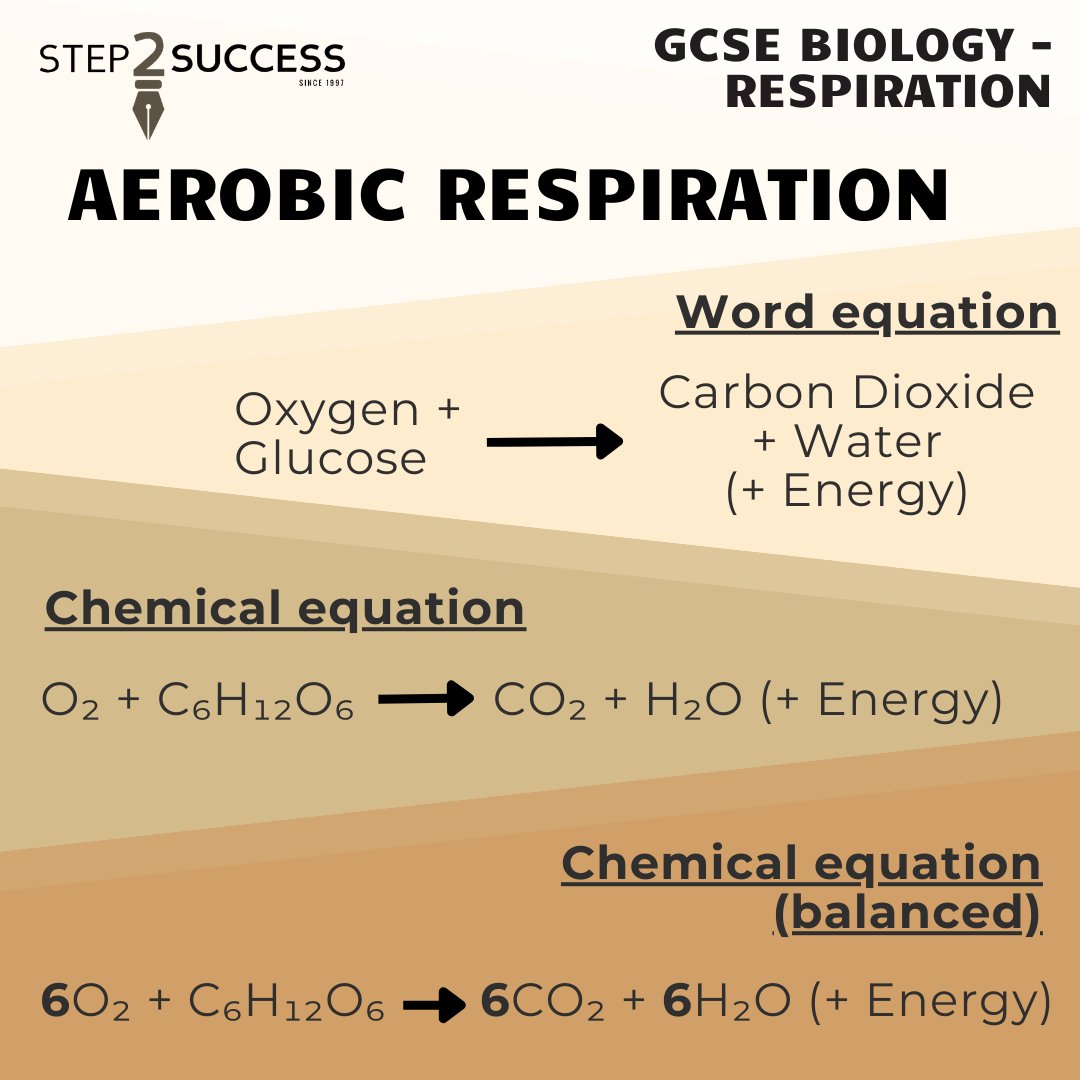
An easy mark to pick up on your GCSE Biology exam is for stating the equation for aerobic respiration – this could be in word form, or as chemical symbols, and you might even be asked to balance it!
#gcse#gcsescience#gcsebiology#respiration#equation#revise#revision
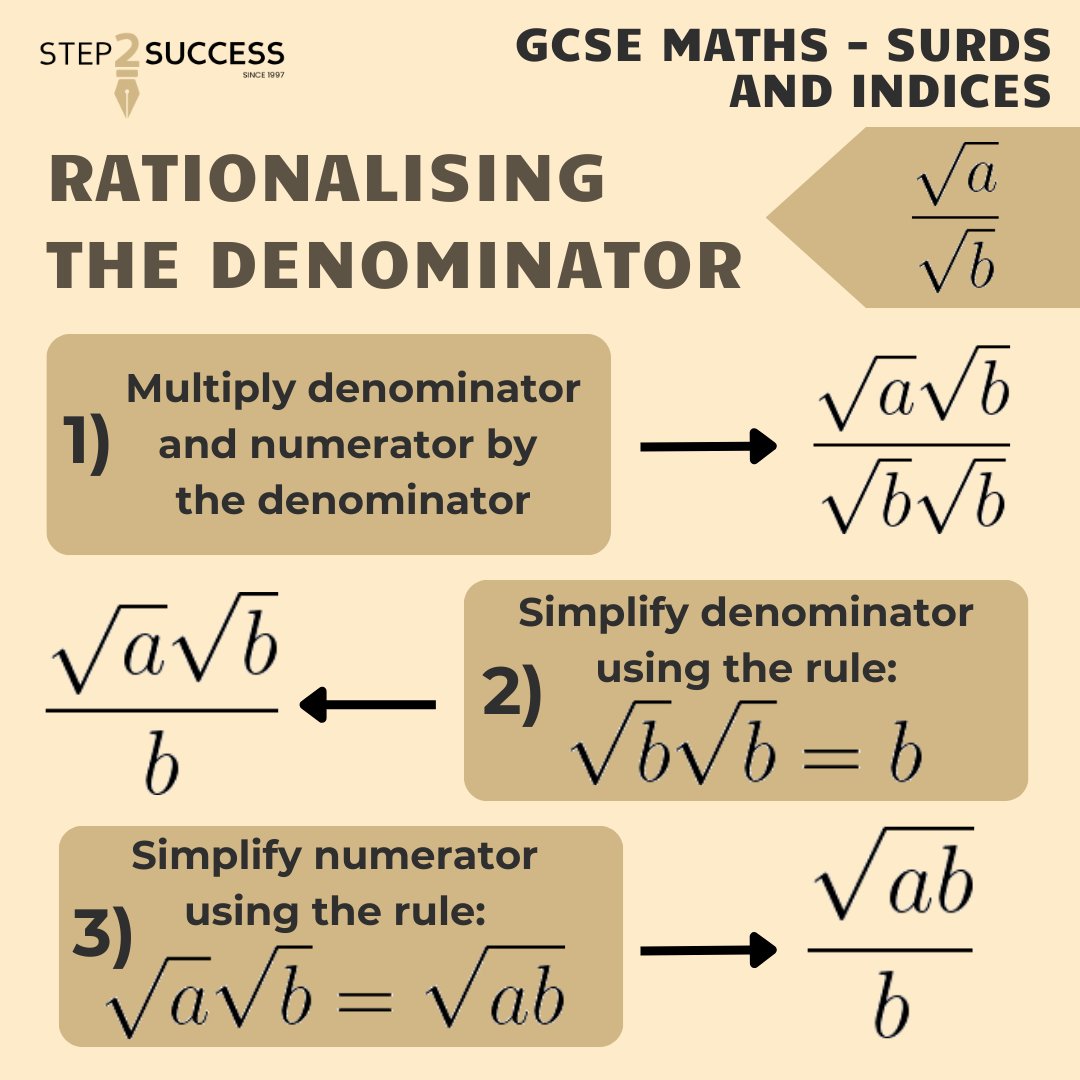
We felt that this skill required its own post, separate from the other surds rules! Here’s our step by step guide on how to rationalise a denominator, and why we do it.
#gcse#gcsemaths#surds#rationalise#surdrules#simplifying
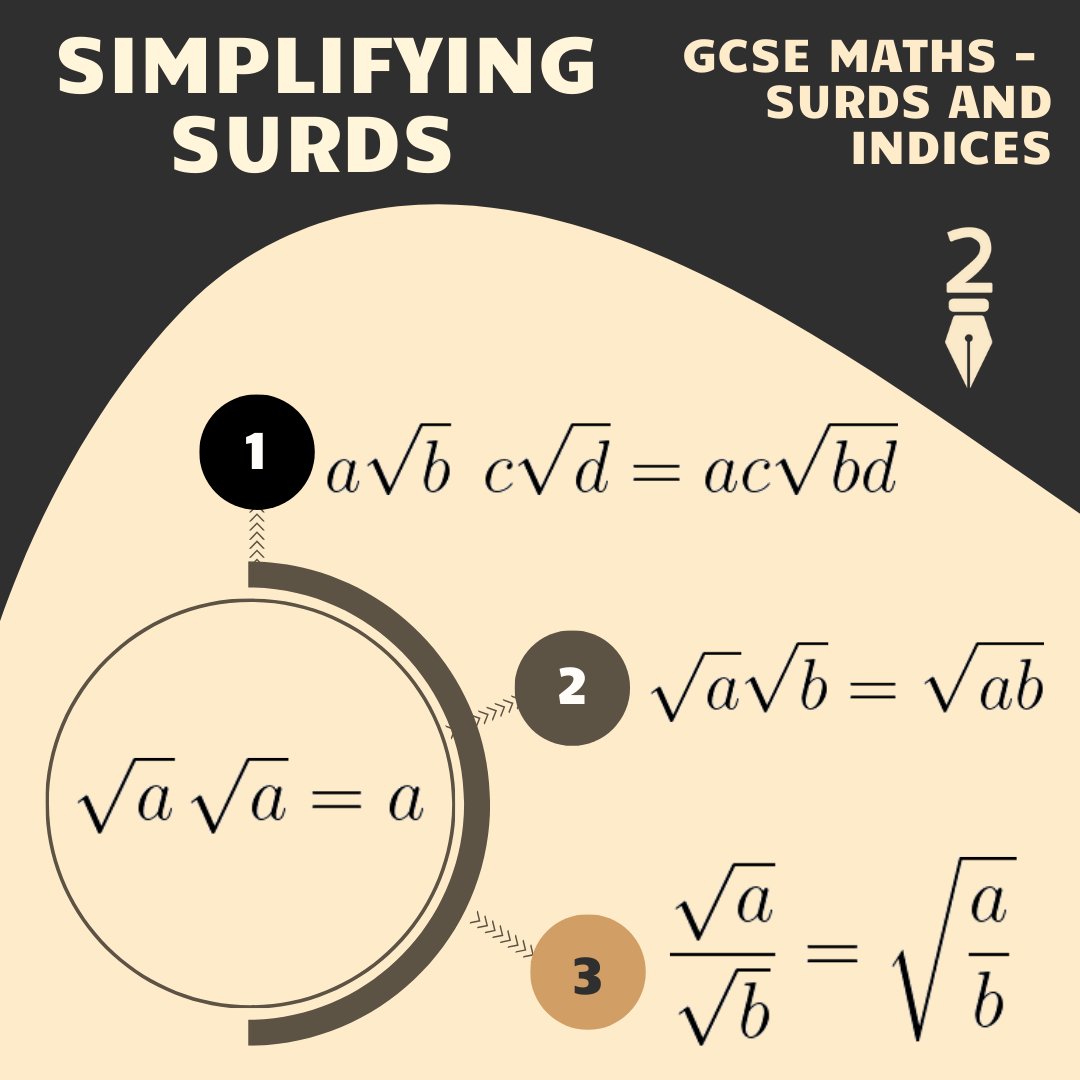
Just like with indices, there are some rules you need to remember for surds. They are vital for making sure you can simplify your answers, and rearrange equations involving surds correctly when you’re not allowed a calculator to double-check your answers!
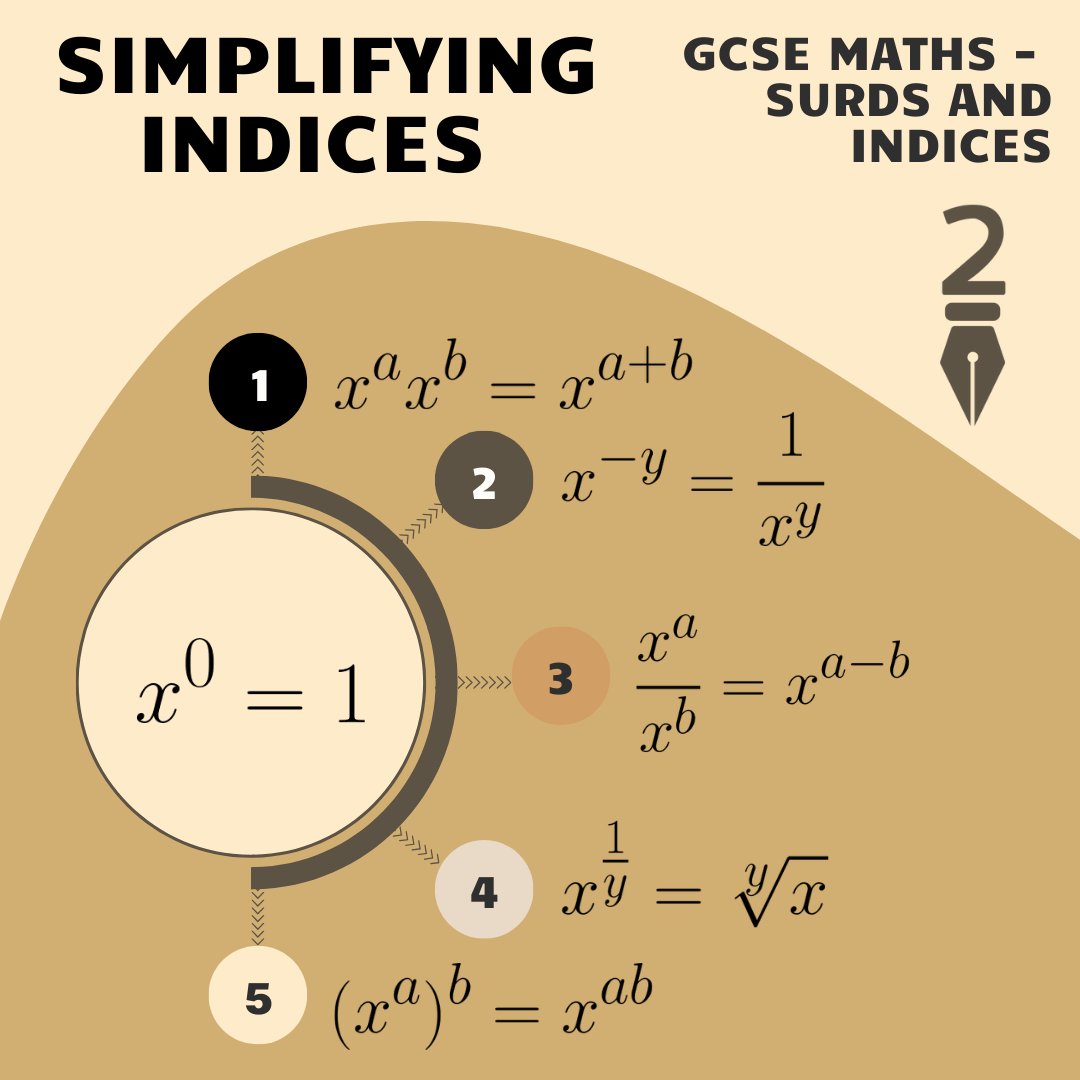
There are lots of rules to remember when it comes to simplifying indices, and you won’t have a calculator to help you check your answer! Here’s our quick guide to the rules you need to remember for your GCSE Maths.
#gcse#gcsemaths#indices#indicesrules#simplifying
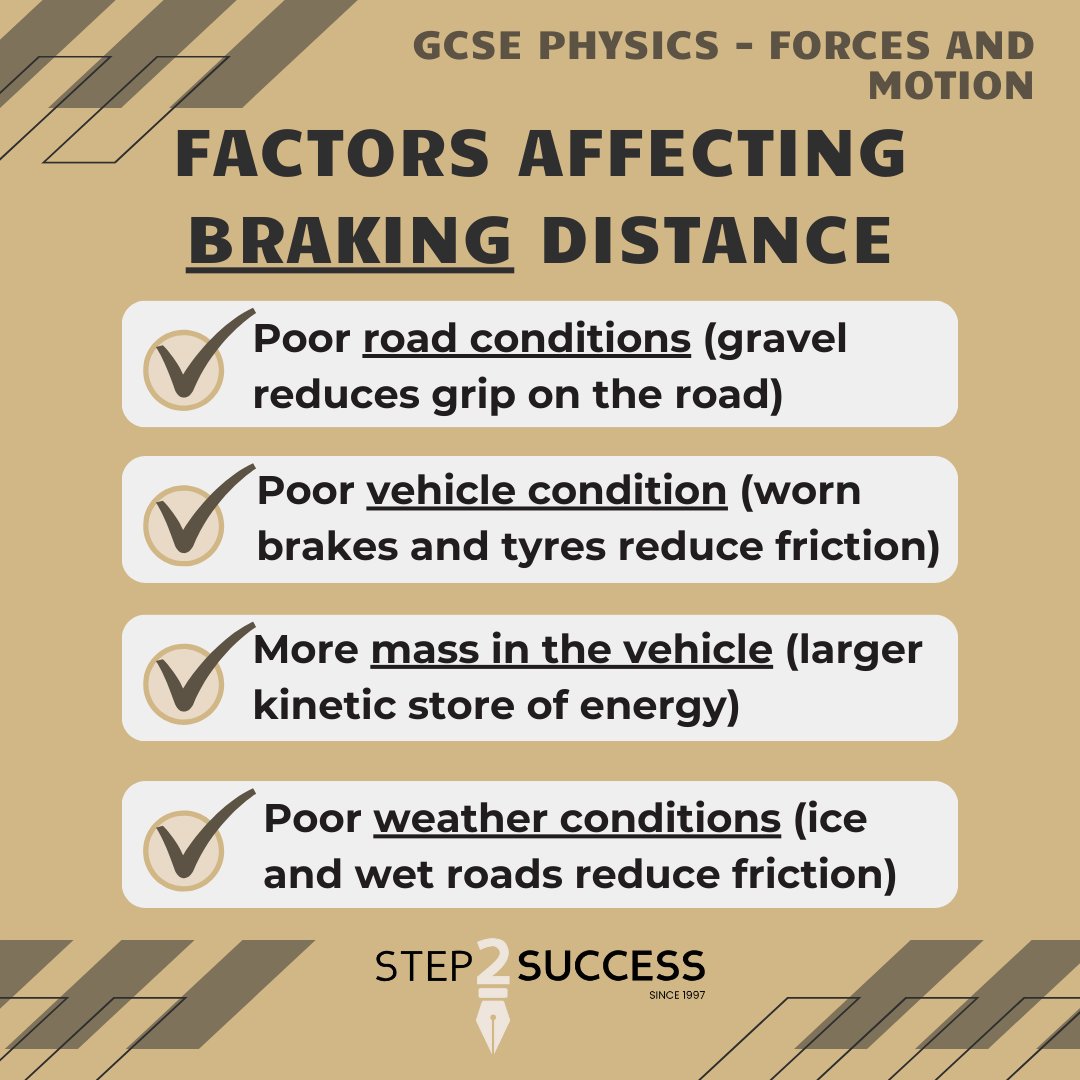
As the prospect of sixth form looms closer, so does the excitement of potentially learning to drive! Put yourself one step ahead by revising stopping distances in GCSE Physics – it’ll help you be more aware of your surroundings when out on the road!
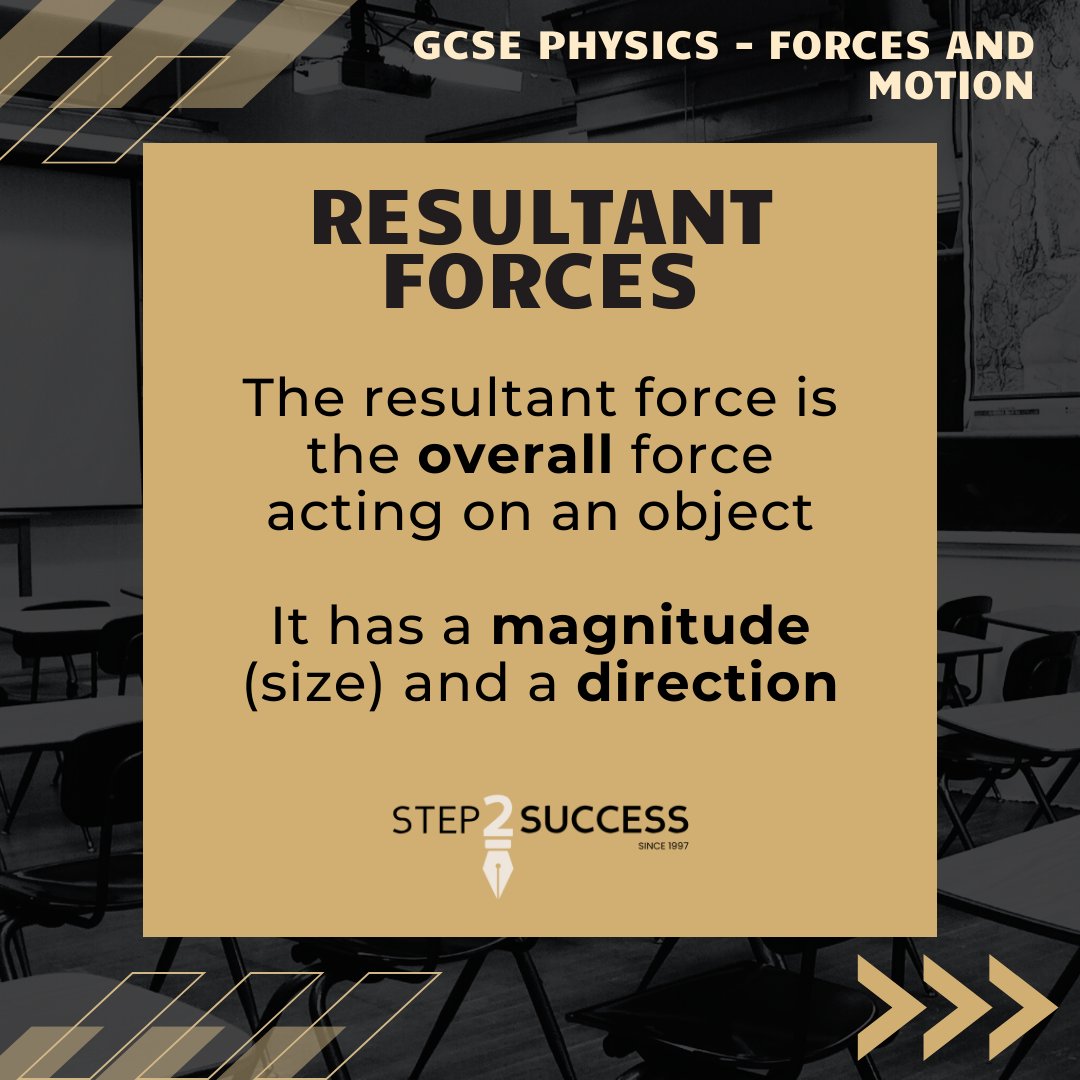
It’s easy to get caught out by negative numbers in resultant force questions, due to forces acting in many different directions! Make sure you are comfortable calculating resultant forces, and smash your next Physics test!
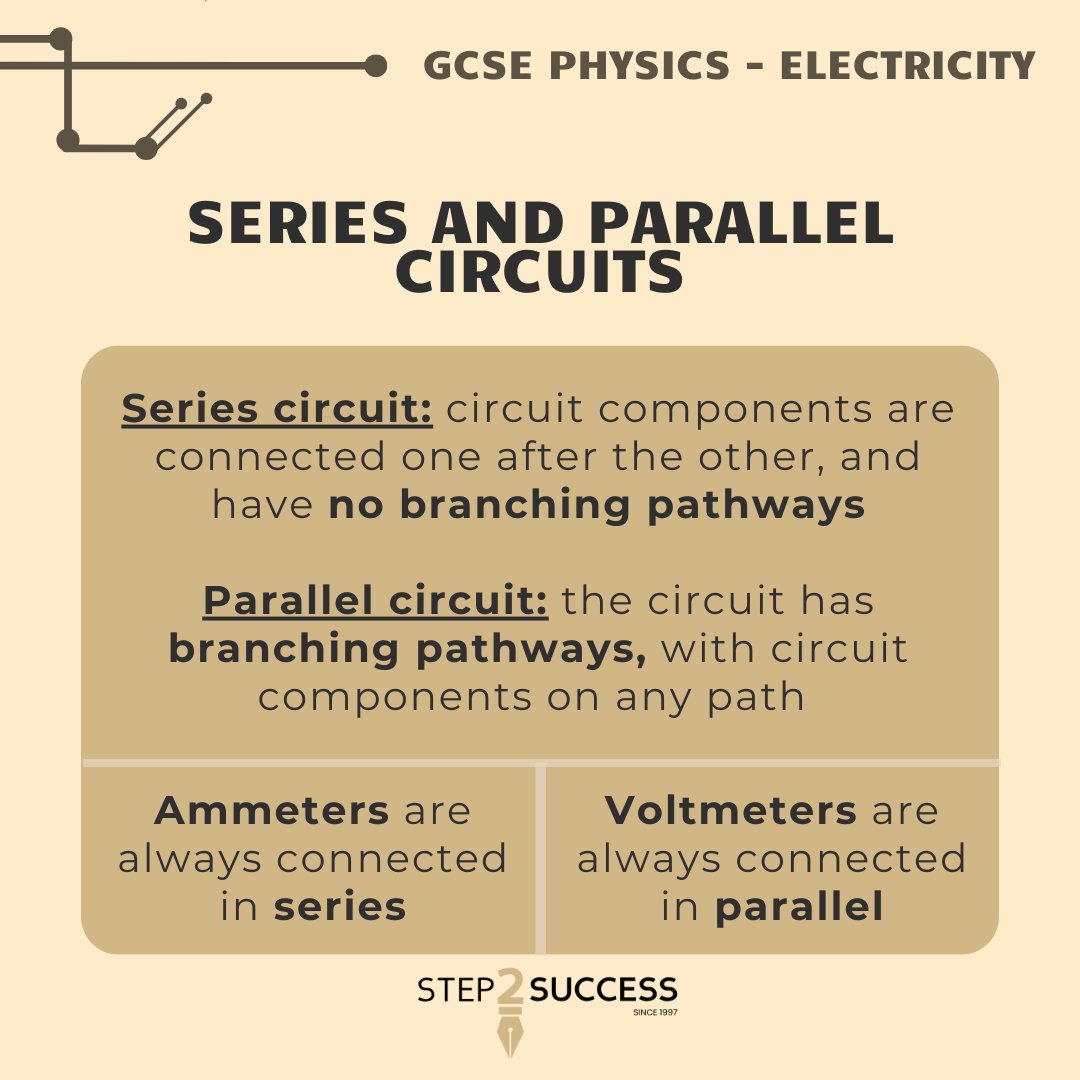
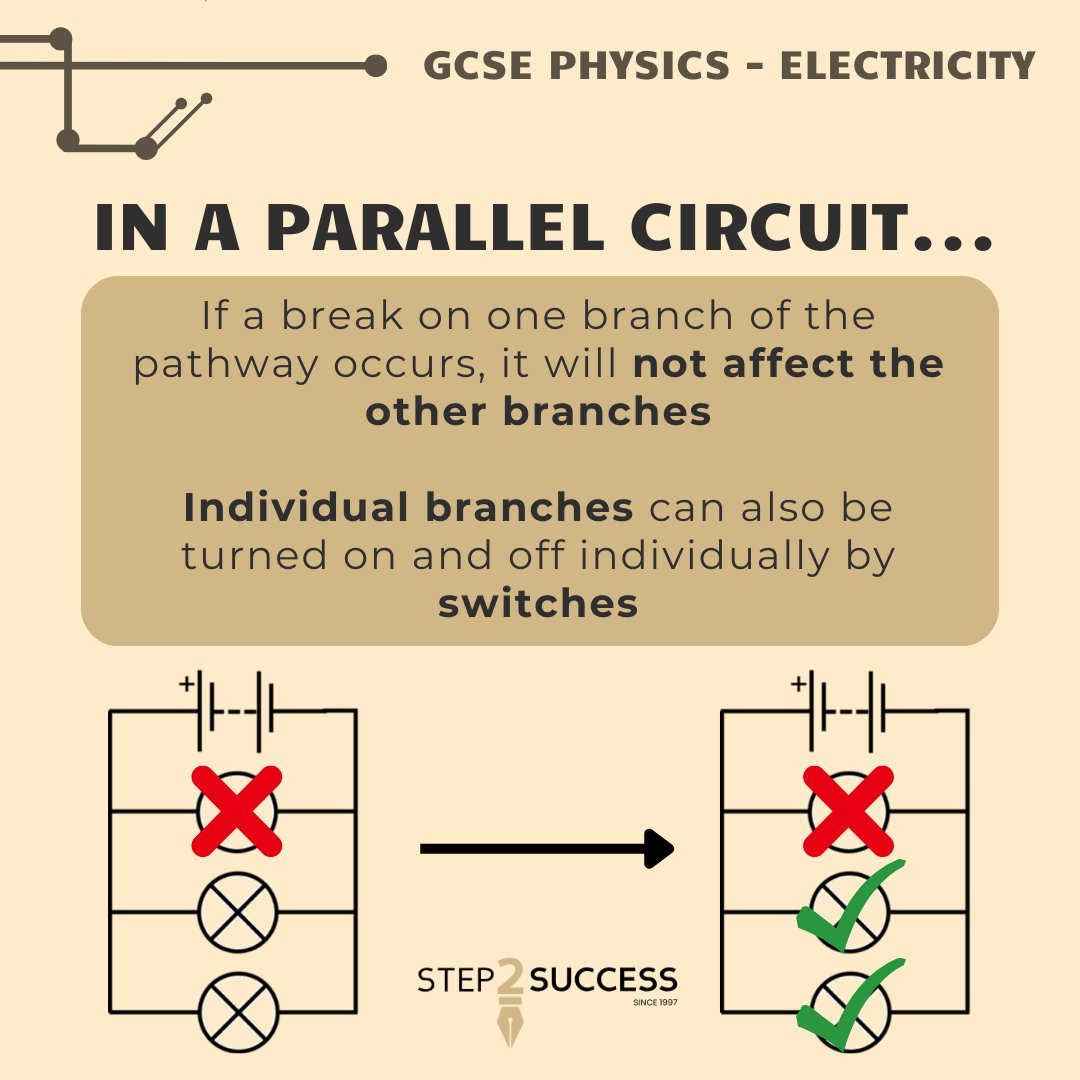
Series and parallel circuits both have their advantages and downsides - one of the most important skills you'll need to use when interpreting diagrams of them is how bulbs are affected. Let’s break some bulbs, and see what happens!
Sometimes, you won’t have a circuit symbol to look at on an exam question. Instead, you might be given a graph of the potential difference across the circuit component, and be asked to identify it! Don’t get caught out – check your understanding with our quick and handy guide.
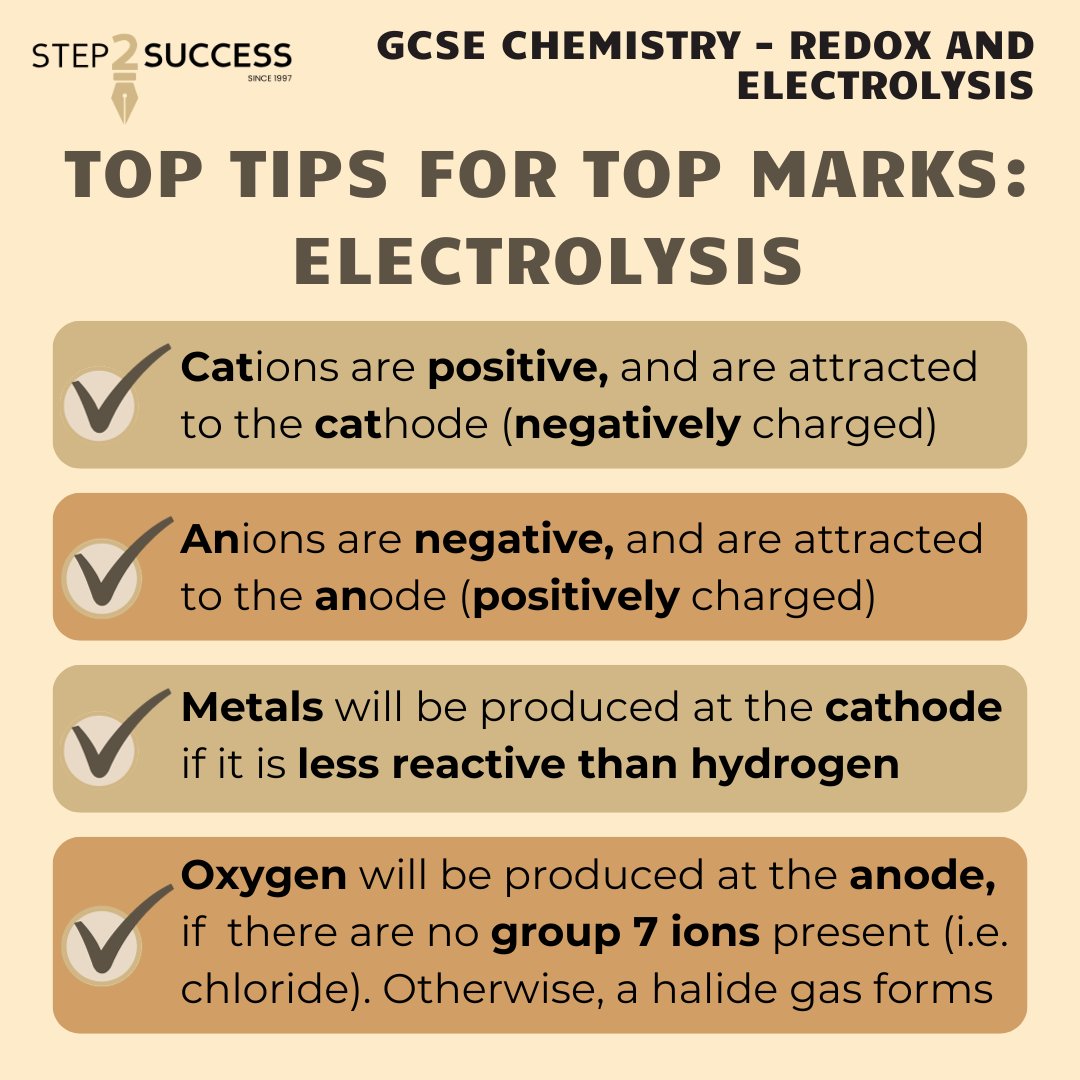
Electrolysis is one of the trickiest topics in GCSE Chemistry – it’s easy to get mixed up when there are so many different ions of different charges and reactivities involved! Here are our top points to remember when tackling electrolysis questions.
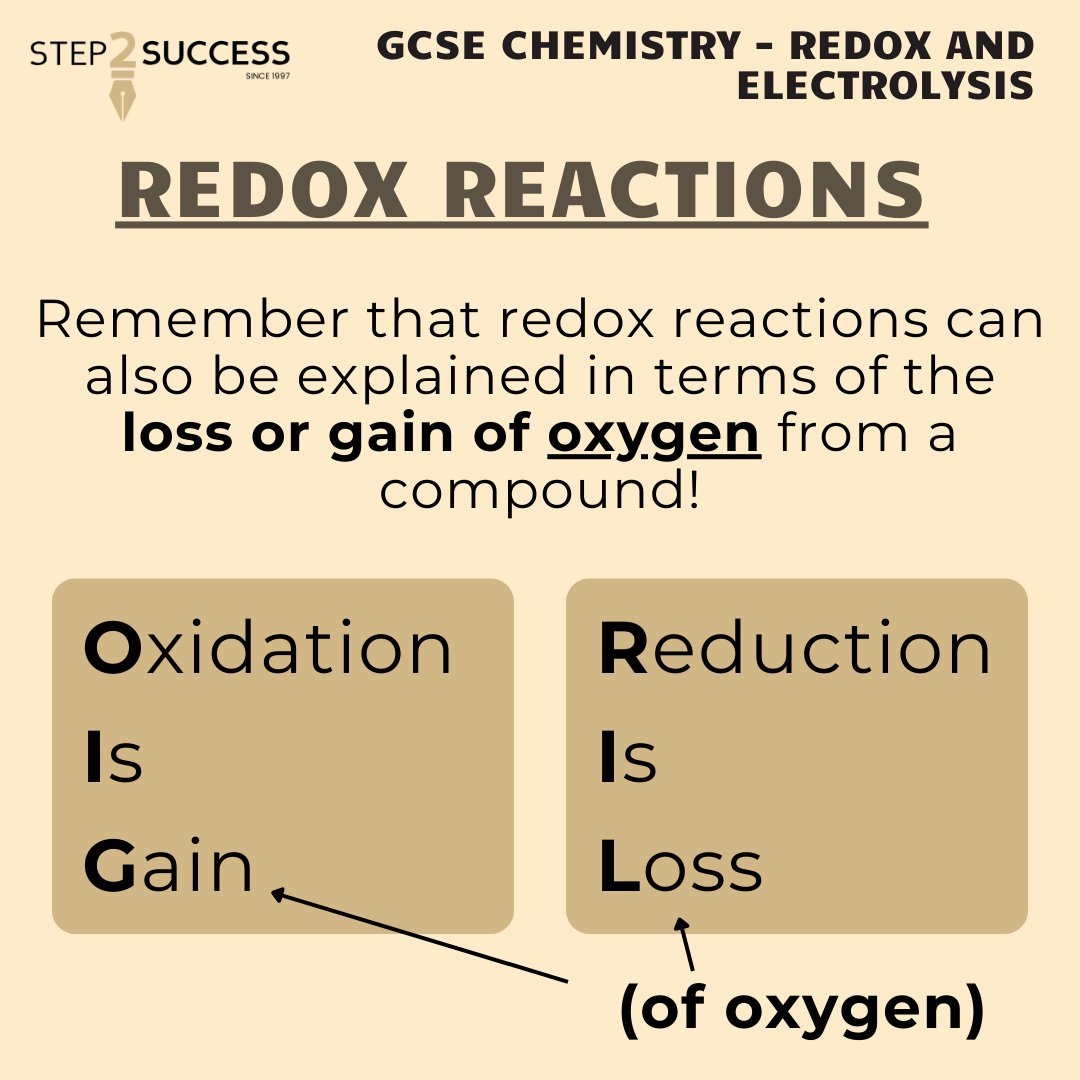
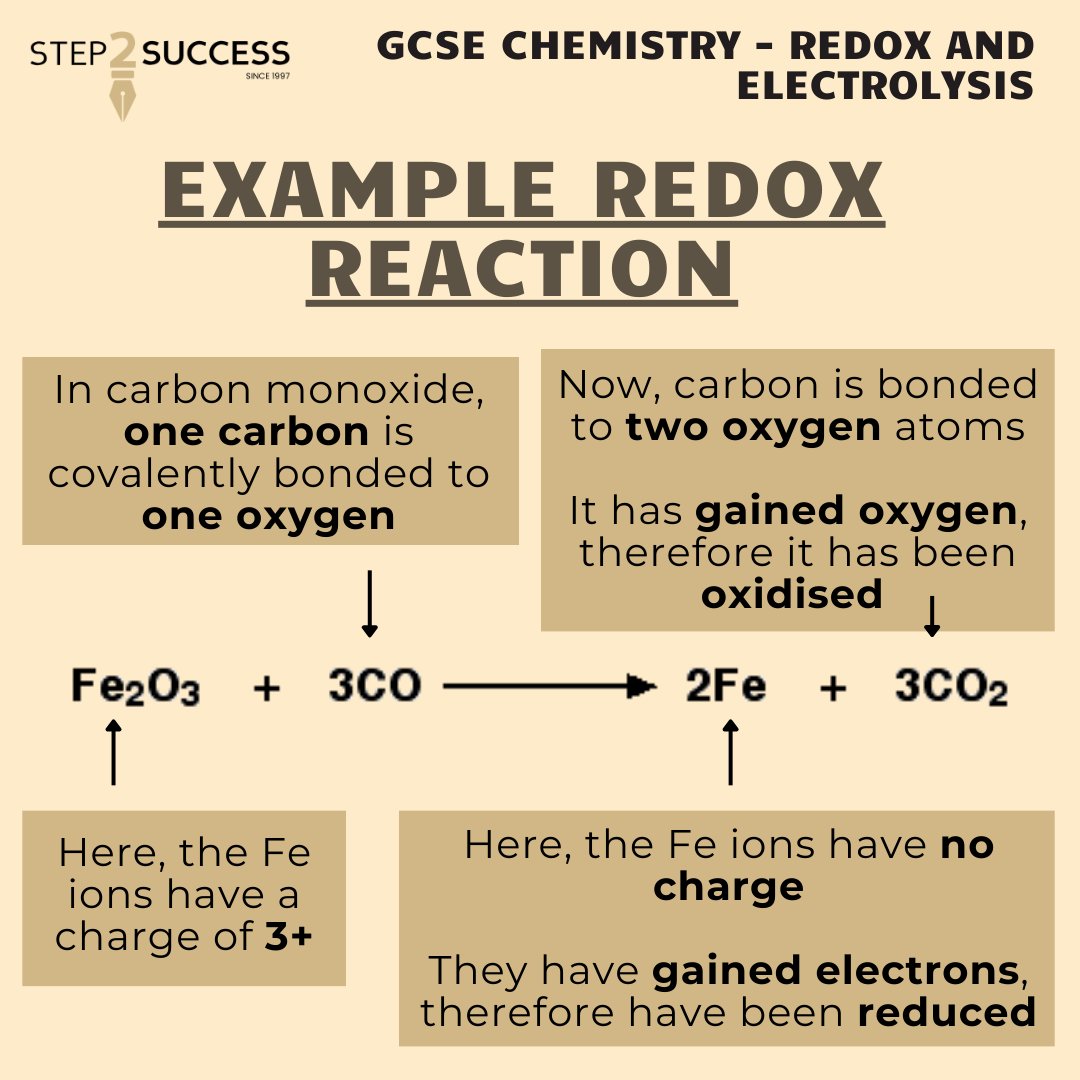
‘Redox’ combines the words ‘reduction’ and ‘oxidation’. In a redox reaction, both of these processes happen at the same time! Make sure you know the definitions for the three key terms, and learn how to check chemical equations to ensure you’ve got a redox reaction on your hands.