Genetic code similarity does not tell the full evolutionary story. A new study by Donnelly researchers in the Blencowe Lab has illuminated a potentially frequent mechanism that generates evolutionary divergence between primate species:
https://t.co/Rzg3Rh1jf5
One of the most amazing things I’ve ever seen: a standing ovation for the full Daraxonrasib results
I feel inspired and energised, to put it mildly — we have a targeted therapy for pancreatic cancer now, and nothing is undruggable anymore
Our 20th Anniversary Symposium was a day of celebration and an invitation to reflect on how far we've come as a centre! Relive the event with our post-symposium coverage in the latest piece in Donnelly News:
https://t.co/eFv6UHLW5A
Byu Ri Sim is the winner of the 2026 Jennifer Comyn Graduate Award for Cancer Research! Byu Ri is investigating how the hyperactive pathway signalling behind colorectal cancer cells can be exploited to identify new therapeutic avenues.
Read more here:
https://t.co/helHRVt5Uz
We are looking to hire a Financial Administrator! Our financial team provides a wide range of analysis, reporting, and administration, as they oversee the building's research grants, financial statements, discrepancies, and financial reports.
Learn more:
https://t.co/NwZiDdhGId
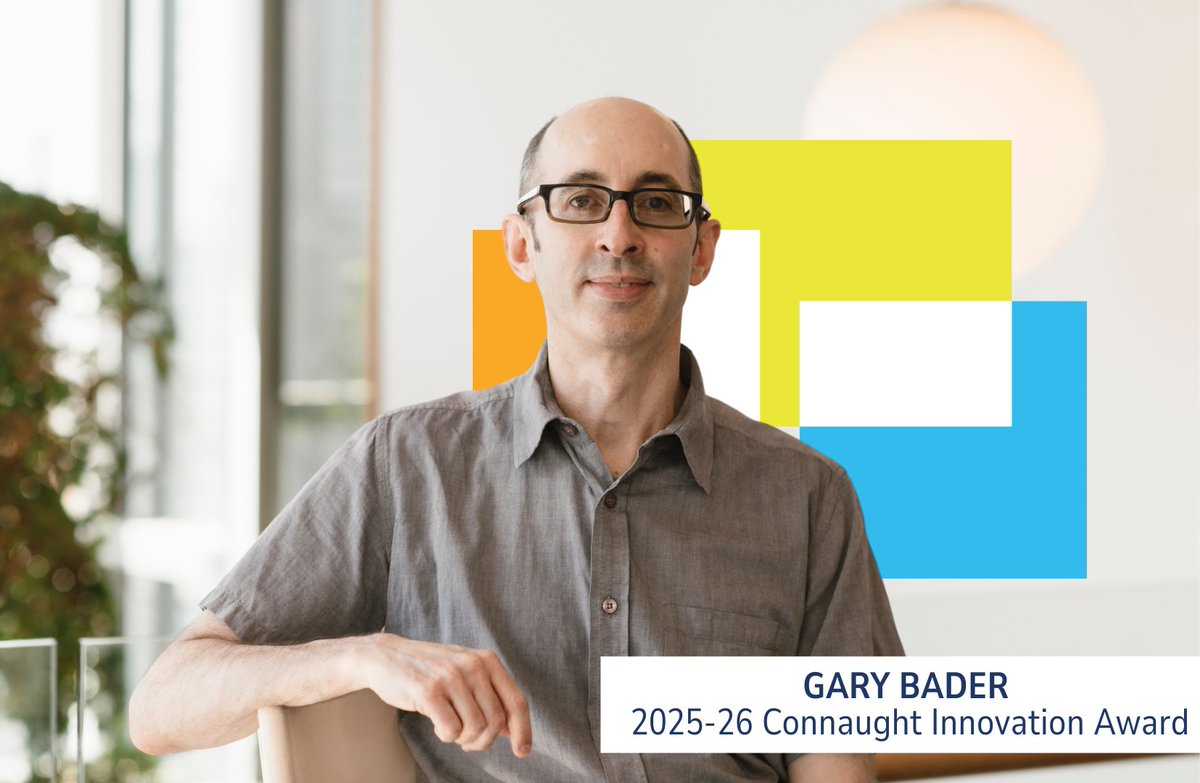
Congratulations to Donnelly PI Gary Bader, for receiving a Connaught Innovation Award!
Read about all the 2025-26 Connaught Innovation Award winners in U of T Celebrates:
https://t.co/dpcA7ejKhr
Leveraging synthetic antibodies and single-molecule microscopy, scientists interrogate how #Wnt ligands may induce different downstream responses depending on which coreceptors are recruited to the Wnt receptor Frizzled. @StephAngers@uoftmedicine https://t.co/RA44HXoCsI
Leveraging synthetic antibodies and single-molecule microscopy, scientists interrogate how #Wnt ligands may induce different downstream responses depending on which coreceptors are recruited to the Wnt receptor Frizzled. @StephAngers@uoftmedicine https://t.co/RA44HXoCsI
A two-step mechanism may shape how Wnt ligands induce different intracellular responses depending on which coreceptor interacts with #Frizzled—a discovery that could inform research into selective modulators of the Wnt pathway. @StephAngers@uoftmedicine https://t.co/RA44HXoCsI
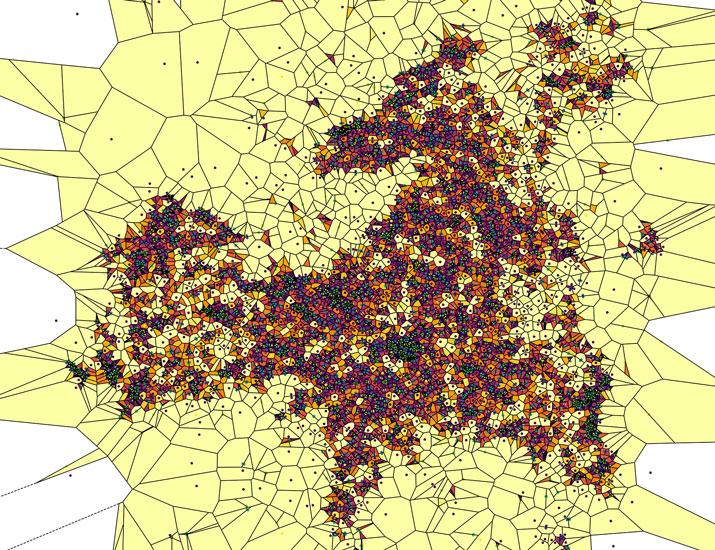
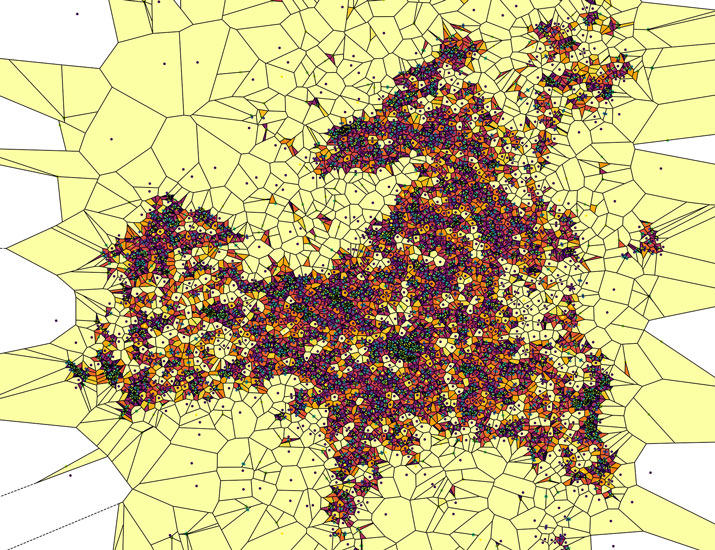
When faced with a mountain of gene expression data, reducing the computational complexity for analyzing a cell’s RNA transcripts is an invaluable development.
Read about how our researchers accomplished it in our latest piece by Donnelly News:
https://t.co/kVUDlUfdFs
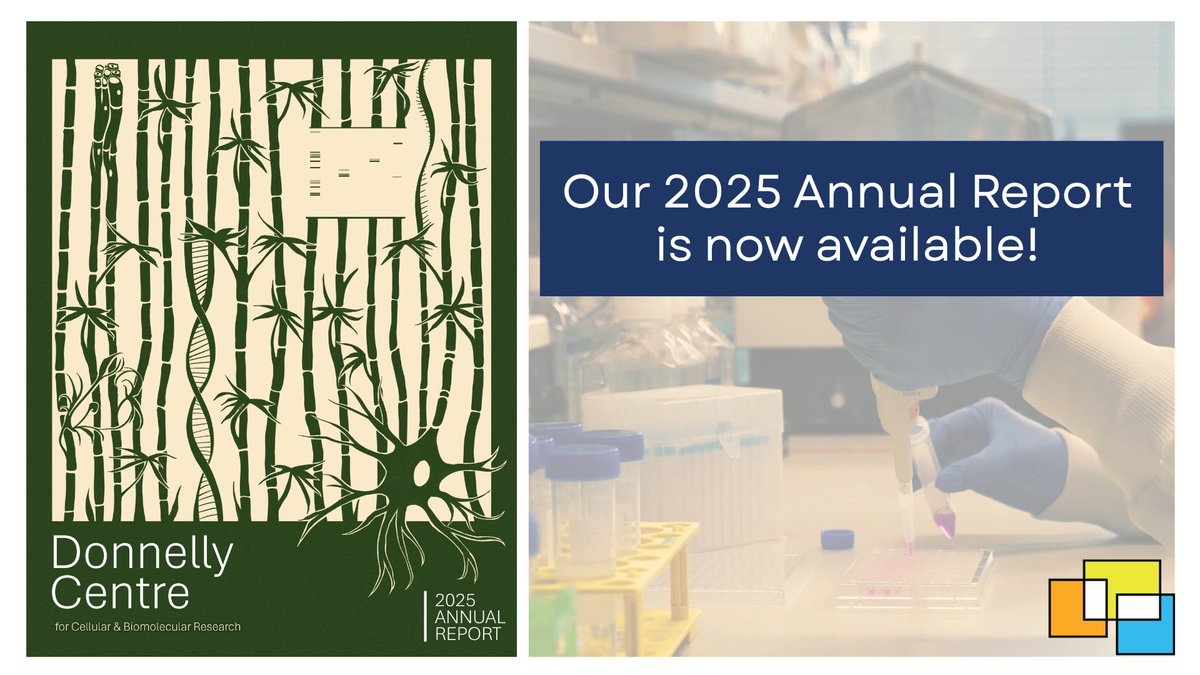
Our 2025 Annual Report is now available! This magazine-style report showcases our most popular research stories and news highlights, in addition to covering a breakdown of our faculty, students, awards, and funding.
Read the 2025 Annual Report now:
https://t.co/TqhZnVgj2B
Society of Gynecologic Oncology warns of fast-rising incidence of cervical cancer in Canadian women, even as other countries are on the verge of eliminating the disease through HPV vaccination. Canada rate of vax only 64%.
The Donnelly Centre is hiring a new Research and Communications Officer! As a vital part of our administration team, this role covers the external and internal communications of our community.
Learn more about the role and apply at the link below:
https://t.co/TsmOvAsFWA
Research can take many forms. As a part of our 20th Anniversary Retrospective series, we sat down with Donnelly PI Mikko Taipale, to talk about his 2020 paper “An efficient KRAB domain for CRISPRi applications in human cells”
Read the full story here: https://t.co/kOQSTvFTkP
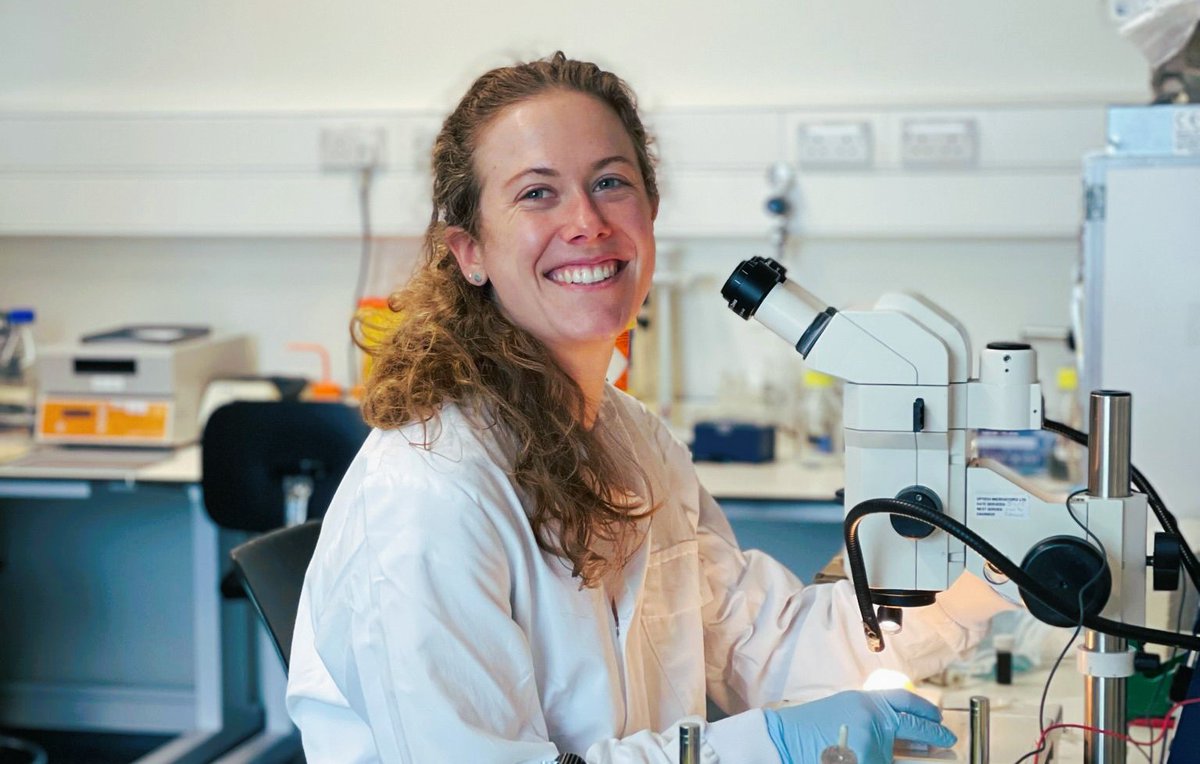
Today we're highlighting the research of Donnelly's newest faculty member, Ashley Libby! Read about Libby's work in our most recent story: https://t.co/8k8q3CS5qU
Please give a warm welcome to Donnelly's newest faculty member, Dr. Ashley Libby! Learn why she was drawn to the domesticated chicken as a system model, and discover the research the Libby Lab will be tackling at the Donnelly in our most recent story:
https://t.co/8k8q3CS5qU
When the first draft sequence of the human genome was published in 2001, scientists began to redirect their research questions to better reflect new understandings. Among them was Ben Blencowe, PI at the Donnelly Centre.
Full story available here: https://t.co/cYDgEBPEeH