@_sholtodouglas Perplexity had an Assistant function, interpreted and categorized emails and wrote drafts to those requiring action like I had an exec admin. They’ve decommissioned it, (basically firing my assistant!) so I’m trying to get Claude to do it. It can only do up to 100 v 1000’s
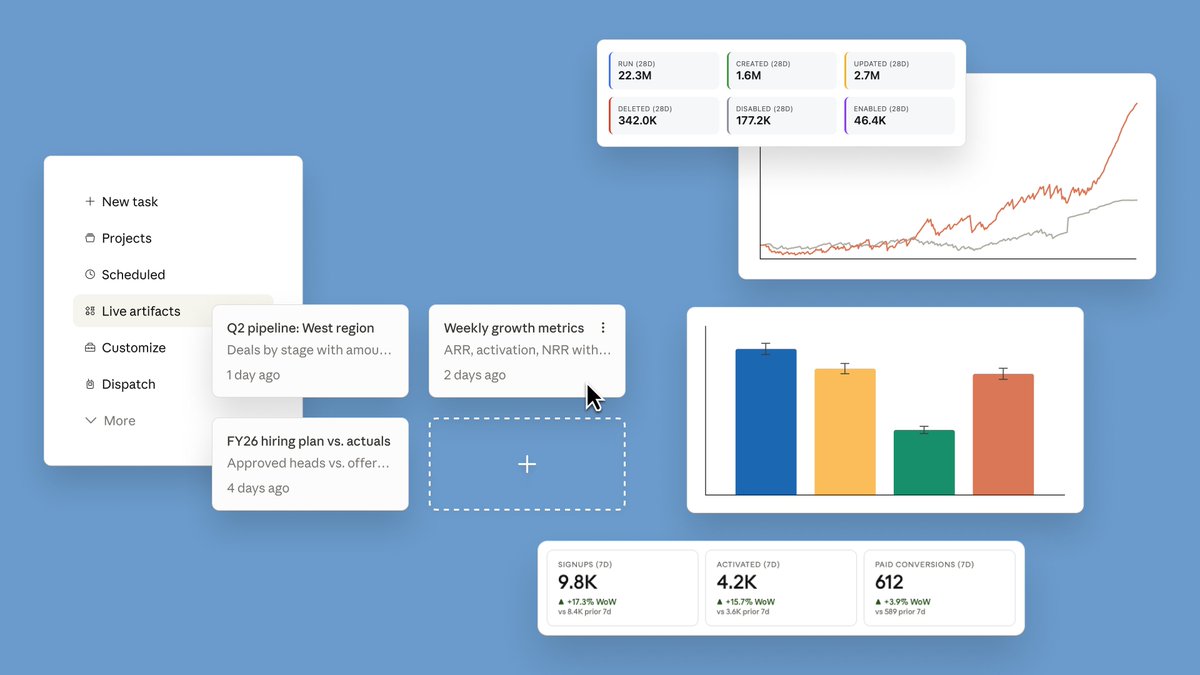
In Cowork, Claude can now build live artifacts: dashboards and trackers connected to your apps and files.
Open one any time and it refreshes with current data.
🆕 Claude Cowork, Skills, and the Future of AI Coworkers https://t.co/3bt6leeYHN
@felixrieseberg has spent years working at the interface layer, from Electron and the Slack desktop app to now helping build @claudeai Cowork. In this episode, Felix explains why execution is getting so cheap that teams can “build all the candidates,” why Anthropic is betting on local-first agent workflows, and why the future of AI products may belong less to chatbots and more to systems that can actually do knowledge work.
Voice mode is rolling out now in Claude Code. It’s live for ~5% of users today, and will be ramping through the coming weeks.
You'll see a note on the welcome screen once you have access. /voice to toggle it on!
@rohanpaul Absolutely true. Not to mention the learning curve and keeping up with what is rapidly changing. It’s exhilarating, productive, and very time-consuming to get more done in the same amount of time.
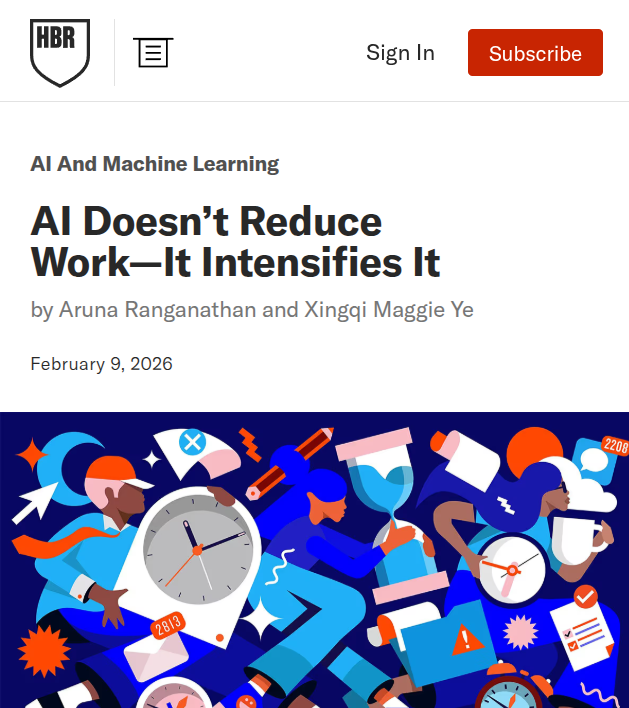
Powerful new Harvard Business Review study.
"AI does not reduce work. It intensifies it. "
A 8-month field study at a US tech company with about 200 employees found that AI use did not shrink work, it intensified it, and made employees busier.
Task expansion happened because AI filled in gaps in knowledge, so people started doing work that used to belong to other roles or would have been outsourced or deferred.
That shift created extra coordination and review work for specialists, including fixing AI-assisted drafts and coaching colleagues whose work was only partly correct or complete.
Boundaries blurred because starting became as easy as writing a prompt, so work slipped into lunch, meetings, and the minutes right before stepping away.
Multitasking rose because people ran multiple AI threads at once and kept checking outputs, which increased attention switching and mental load.
Over time, this faster rhythm raised expectations for speed through what became visible and normal, even without explicit pressure from managers.
@rubenhassid If you want to improve on this infographic, it needs to include Claude embedded into apps, ie Claude in Excel. IMHO, this is where adoption is accelerating/will accelerate with the main stream workforce.
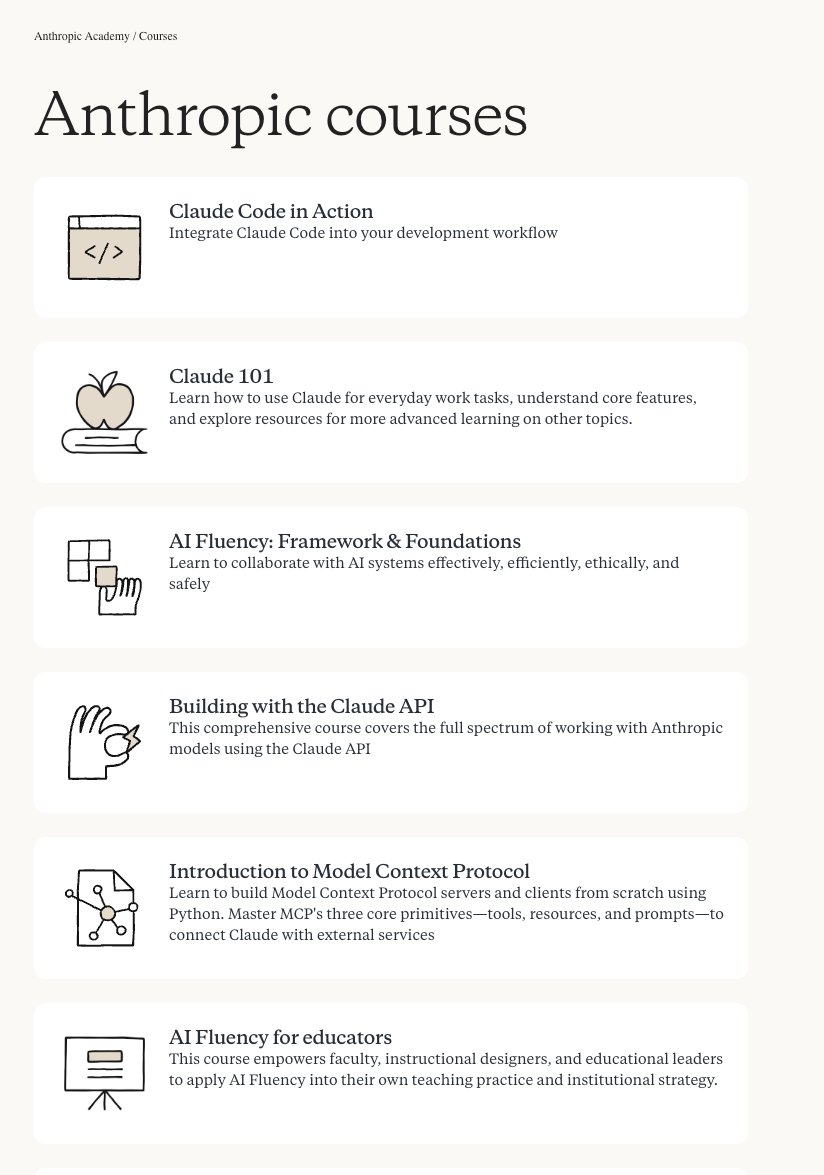
Anthropic has quietly dropped a massive curriculum of free courses covering the entire AI ecosystem
The syllabus is STACKED 🔥
→ Claude Code: CLI automation for your workflow
→ MCP Mastery: building custom tools and resources in Python
→ API: a complete guide to the Anthropic backend
→ AI Fluency: frameworks for safe and efficient collaboration
→ Claude 101: core features for everyday work
I added the link to the free @AnthropicAI Academy in the 🧵↓
@rubenhassid I agree. However, here’s what I wonder: with the acquisition of Open Claw, is this just a leap frog situation where Claude is on top for a short time. And Claude in Excel needs to retain prompt history. You’re burying the lead by starting with formula editing and basic excel.
Wow.
Anthropic just curated an impressive collection of use cases for Claude 🤯
You already get 39 deep guides and more get added weekly.
It’s also free and definitely worth bookmarking.
(link below)
Dear managers,
When framing an employee performance issue, ask yourself, is this a:
1. skill problem? (lack of expertise)
2. hill problem? (difficult task)
3. will problem? (attitude, not aptitude)
Strong managers can correctly root cause and then find the best solutions.
Don’t repeat your resume in paragraph form on your cover letter.
Use your cover letter to connect the dots: Why this company? Why this role? Why now?
That’s the story they care about.