When I lived in Uganda the New Vision ran a story about how bad the potholes were. They asked people to send in photos so they could see which one was the biggest. The next day people went out with pickaxes and shovels. 😛
Residents and motorists using the potholed Kabwoya–Buhuka road have reason to celebrate following the launch of construction works on the long-awaited 43km critical oil road in Kyangwali sub-county, Kikuube district.
DETAILS 👇🏽#VisionUpdates
https://t.co/mtxMiU2Was
Reflecting on 7 months of Headship
🧵
‘You don’t know what it’s like until you’re sat in the chair’
A few people told me this leading up to starting my first headship and it’s so true.
I read all the books, talked to experienced Heads and was completing the NPQH but nothing really prepares you for when you’re sat in the chair.
Jim Smith’s recent post on LinkedIn got my thinking about the importance of holding the line and my first 6 months as a Headteacher.
‘Leadership isn’t just about setting a vision, it’s about standing firm when it matters most.’
Laying the foundations for a culture shift in a school is only the beginning. You can have a really clear vision but without the buy in it becomes nothing more than words on paper.
I left school last night after another brilliant week and proud of what staff and students have achieved so far.
So, what have I done with the team to move beyond the paper?
/1
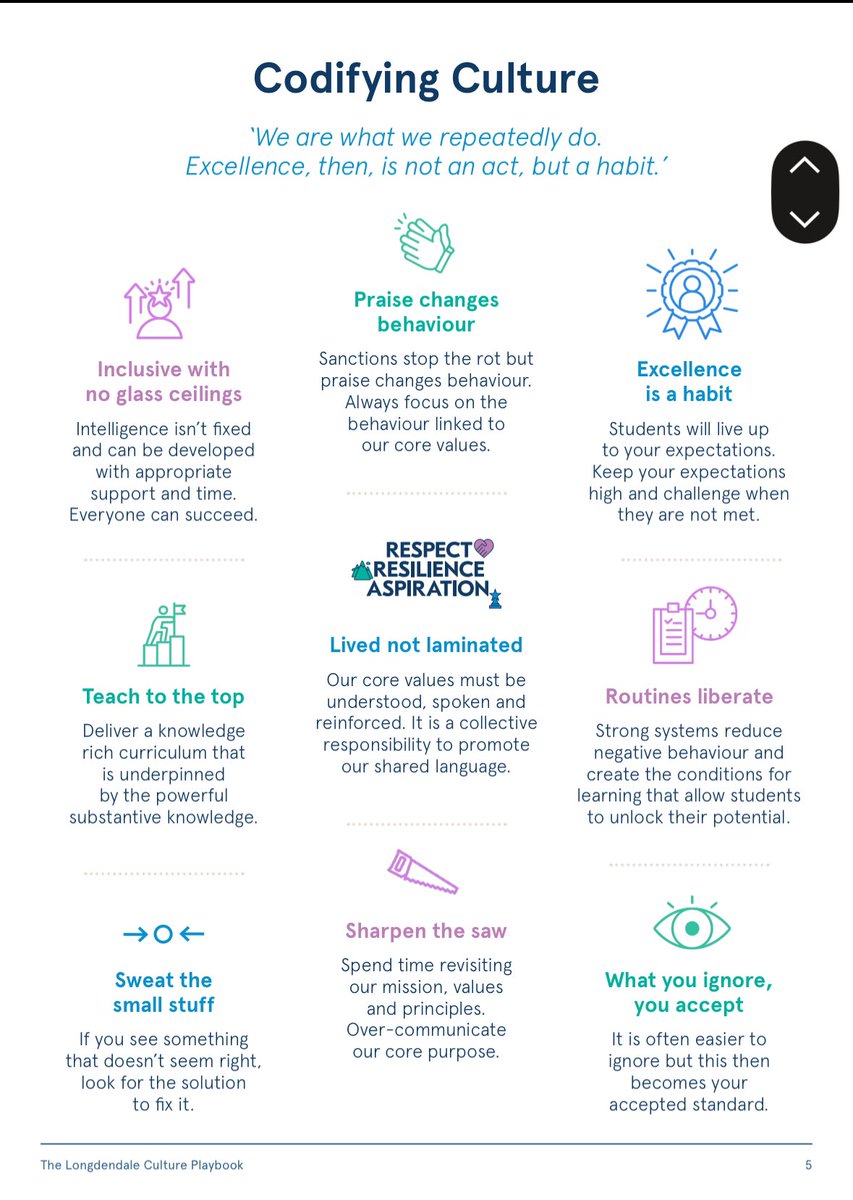
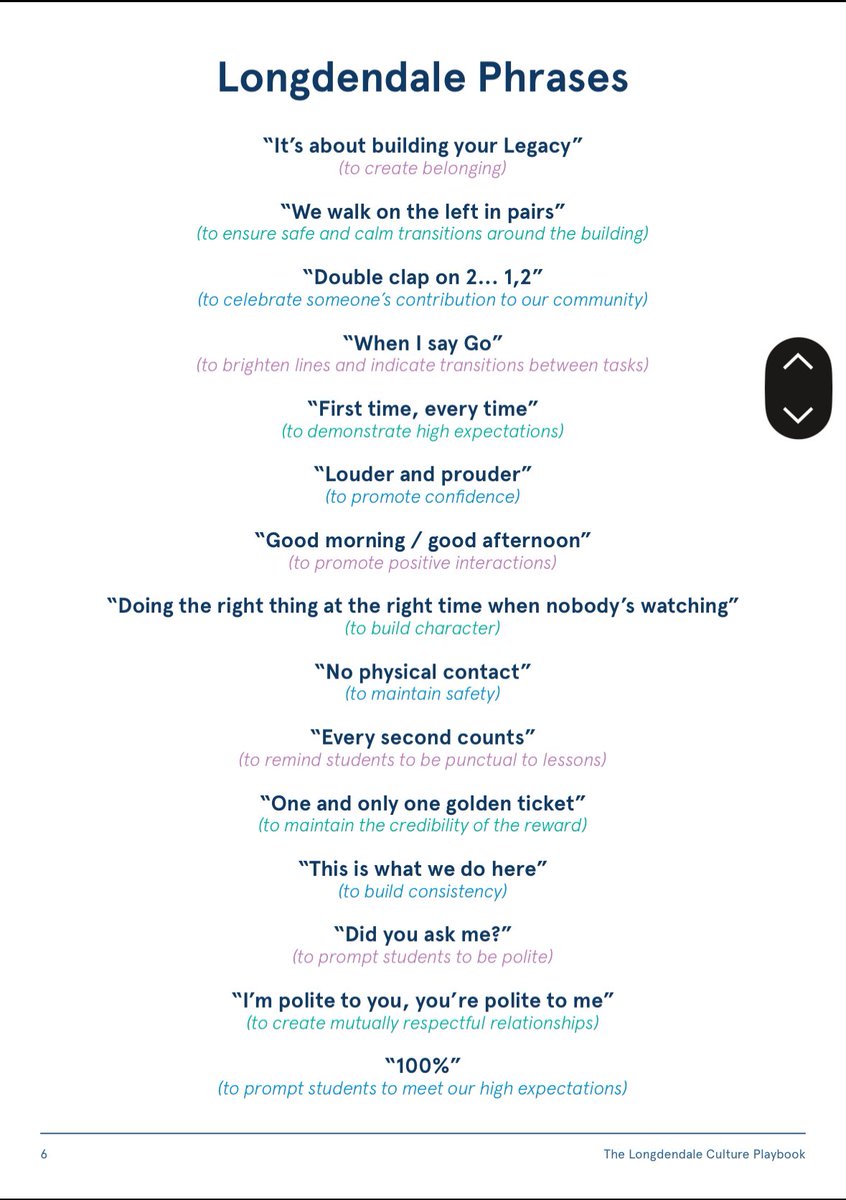
At the beginning of the year the focus was on codifying our core routines and over communicating the why.
I knew that there would potentially be pushbacks from staff and students but once we had established our routines we needed to hold the line.
It was also important to articulate why the ‘red lines’ must not be crossed.
We use assemblies, transitions, lessons, the building, newsletters, operation reset, conversations, letters to families, CPD and videos to constantly communicate what is means to be at Longdendale and why it’s important we ‘row together’
/4
“Kids hate cell phone bans.”
Yeah, they also don’t have much love for retrieval practice, interleaving, and spaced practice, prefer lenient graders, swear they have a learning style, and will live on candy if you give them the choice.
Breaking: we’re the adults!
This is a hugely misunderstood point: detentions often have a limited deterrent effect on the most persistent offenders, which leads many schools to say 'oh they don't work so we might as well stop using them.'
But the deterrent effect is far stronger in *everyone else*. Seeing a system of penalties in place has a big impact on the future conduct of most students, so the frequency and severity of misbehaviours overall is massively reduced.
That's why it's important to back your sanction system consistently *alongside* other sources of consequences, support, pastoral provision etc.
Hola! 👋🏾 🇪🇸
Is it you we’re looking for?
If you’re a great Spanish teacher and want to apply we’ll be dancing on the ceiling.
Please come and have a look around - or just apply right now
👇🏻👇🏾👇🏽
Teacher of MFL (Spanish), Doncaster - Tes Jobs https://t.co/xxuReKT7BJ
Once again, because it's worth saying: schools that went through the Behaviour Hubs program *significantly* improved their Ofsted ratings, and especially their behaviour grades. This data wasn't included in the external interim report, and, I think is hugely more important.
And of schools that went through the new Ofsted behaviour framework, over *90%* of them went from RI or worse, to Good or Outstanding in their behaviour grade.
This has a LOW EXPECTATIONS argument. Some GCSEs have too much content, removing some would increase fluency (C1-7 more important than 8-10 for example in sci). These academics need to see what great schools can achieve with vulnerable children. Badly. https://t.co/7hVnzDMEvw
100% behind this, and @bphillipsonMP is right to say this. Mobile phones are a huge source of distraction, safeguarding and privacy issues, and we need to be doing more together to let children learn and flourish in schools, safe from their influence. https://t.co/ox72Zgjcou