The harsh math of becoming an Architect in London: 7 years + £100k spent = £38k salary. Does it add up? 🤔
Seven years of hands-on experience, five years at university, two more in practice, and you’re out £100,000 plus (£46,250 tuition, £50,000 to £75,000 living costs).
If you're an international student courses range from £20-35k per year so you can expect that total tuition to go up to £136,500 - phwoar! 💳
Fast forward to graduation. Congratulations you're now an Architect! Please collect your Part III qualification and a salary of £36-£40k as an Architect in London.
Yes, yes - some places pay higher and lower but let's roll with £38k to keep things simple.
Now I am sure when the Part I-III system in the 1950's was set up it made more economic sense, however in 2025 it’s a brutal setup that’s pricing out talent and churning out architects unprepared for climate change or building safety.
The Problem: The current Parts 1, 2, and 3 structure is a marathon of red tape. Trainees carry way a lot of risk, scrambling for quality experience while drowning in debt. The ARB’s April 2025 report calls it unfair, pointing out limited workplace support as the employers are also under pressure from tough economic conditions!
£100,000 for £38,000 a year? That math doesn’t add up.
Changes Coming: The ARB is stepping up with a major proposed overhaul. They’re scrapping the rigid Part 1, 2, 3 framework for a skills-based system that values what you can do. Think apprenticeships, flexible entry routes, and training that tackles sustainability and safety head-on.
Their April 2025 report pushes better mentoring and workplace culture too. Timeline? Summer 2025 for next steps, new courses by September 2026, Parts 1 and 2 gone by December 2027, and a full switch by September 2028.
Potential Effect: This would be a big shake up. Students might qualify without a lifetime of debt. Employers could tap a wider, more diverse talent pool with skills that actually matter.
On the other hand, will this new system mean that Architects have the same rigour and skill that come out of university with the current system that could be lost?
What do you think - shall we get rid of Part I, II and III altogether, or is it still worth keeping?
Costs: 5 years tuition (£9,250/year = £46,250) + living expenses (£50,000 to £75,000).
Stop wasting 20 minutes on this.
Still writing long cover letters for architecture jobs? Here’s the truth. Most practices barely read them.
Your time is better spent perfecting your CV and portfolio. Make that email punchy. Grab attention in the first line. That’s what gets you noticed.
Cover letters? They’re not the deal-breaker you think they are. Focus on what really matters.
Ready to stand out?
Drop a ✅ if you agree and share this with someone who needs to hear it.
#ArchitectureCareers #PortfolioTips #ArchitectureSocial
Excited to spotlight Divya Vura, a RIBA Part II Architectural and Urban Designer with a Master’s from Oxford Brookes, known for her pioneering work in ecological placemaking and large-scale civic projects.
Her thesis, "Growing Together: Living Architecture Through Grafted Ecosystems," reimagines construction as a regenerative, living process—using grafted trees to form evolving landscapes and communal spaces in Faversham, Kent. By weaving ecological stewardship and social participation, Divya charts a path for adaptive, sustainable environments.
Connect with Divya on LinkedIn or at [email protected].
Submit your architecture projects for a feature on our socials: https://t.co/GcLUB1Gygg
Pleased to spotlight Inaaya Amer, a First-Class BA (Hons) Architecture graduate with RIBA Part 1, recognized for a design approach blending digital innovation and handcrafted making.
Inaaya’s projects—The Reparation Feast and The Data Slaughterhouse—transform cinematic sequences and digital processes into bold spatial narratives, from fragmented sensory journeys to data-driven installations in Canary Wharf that challenge the city’s fabric and history.
Connect for collaboration via [email protected] or Instagram @archprojectdiary.
Share your architecture projects for social media: https://t.co/GcLUB1Gygg
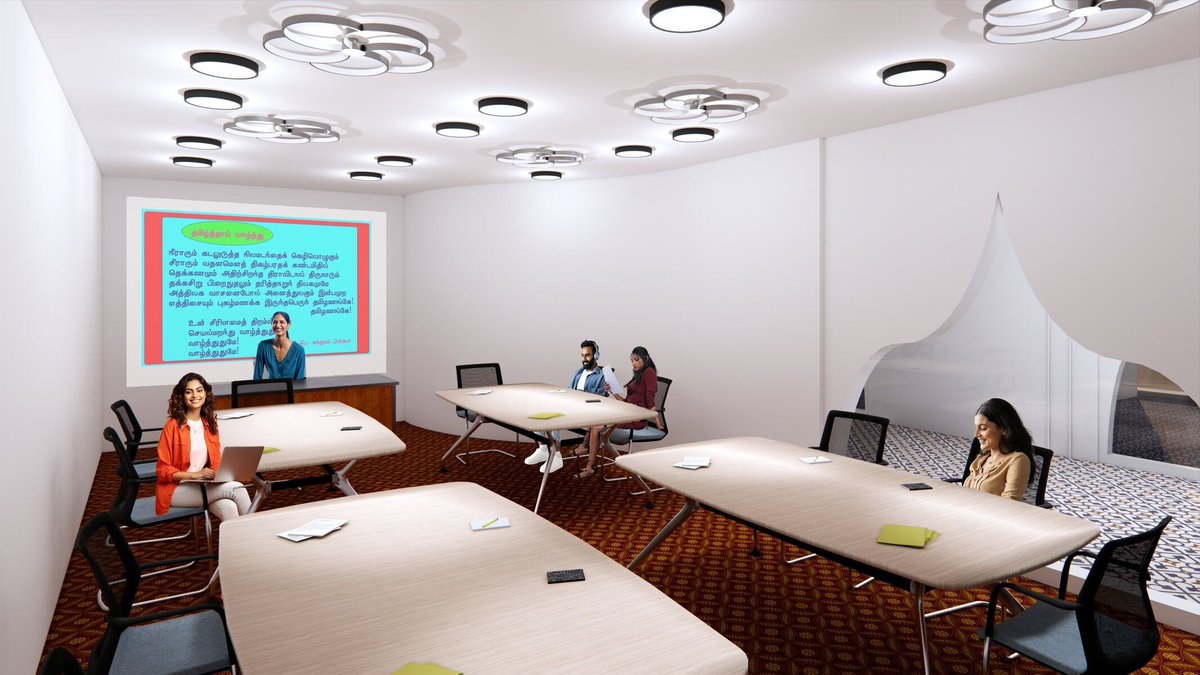
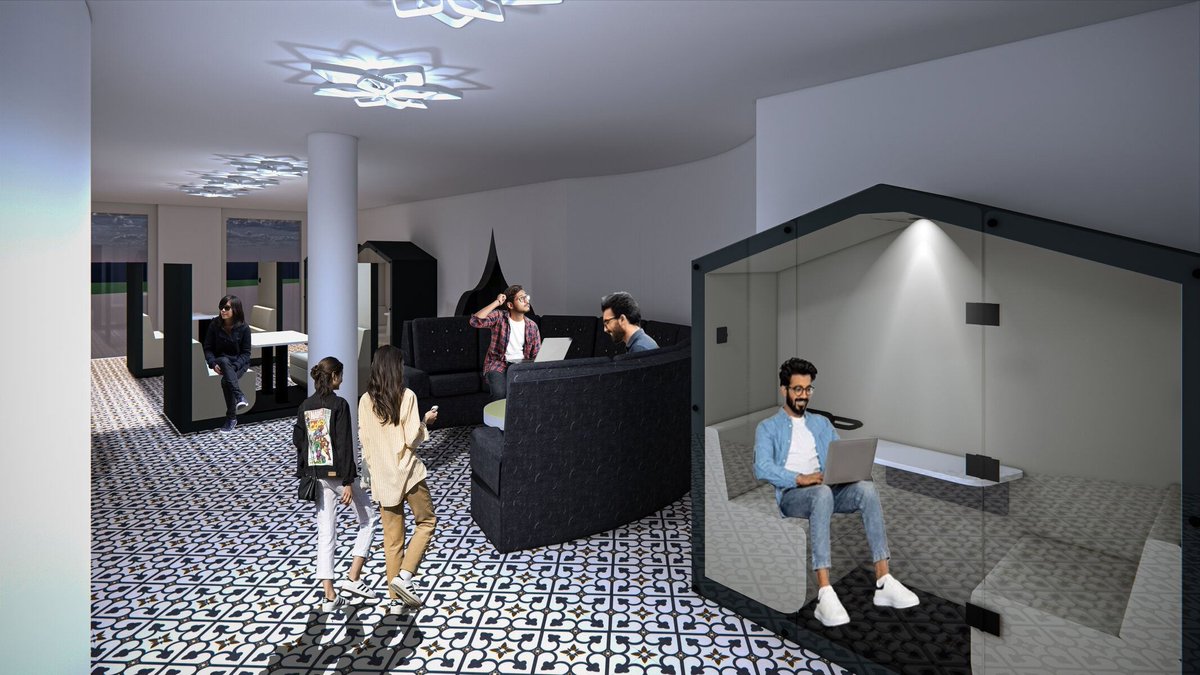
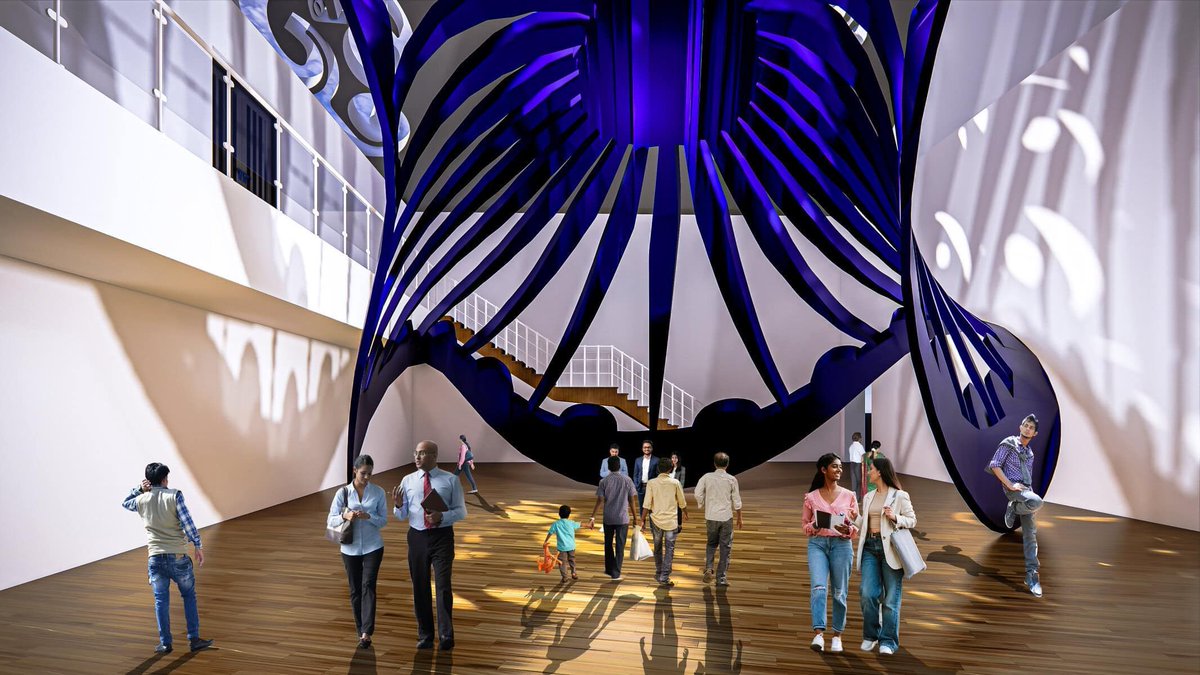
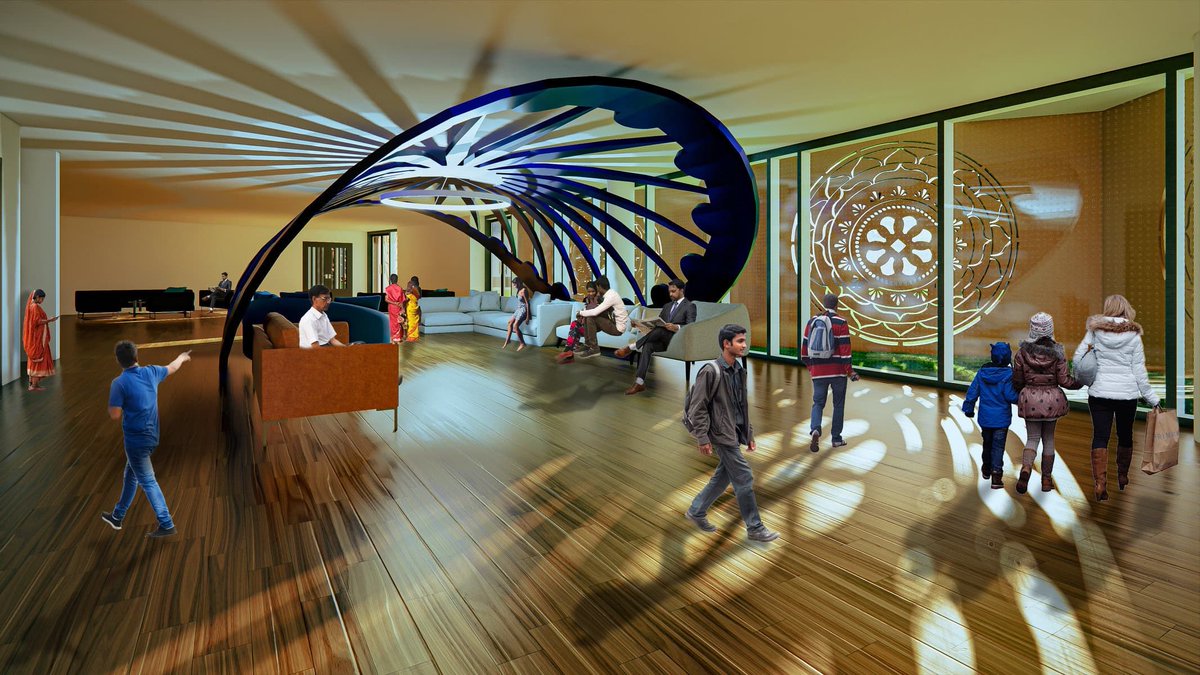
Pleased to introduce a recent Interior Architecture and Design graduate from Birmingham City University with a 2:1 and four years of focused academic experience.
Their final project, the Aston Tamil Community Centre, addresses key social issues within the Tamil community—creating an inclusive space designed for cultural support, engagement, and empowerment.
Connect on LinkedIn or email [email protected] to discuss opportunities or collaborations.
Want your architecture project featured? Submit it for social media visibility: https://t.co/GcLUB1Gygg
Honoured to present Harry Haodong Wu, a recent University of Westminster Part II graduate who blends UK and China-based experience into a thoughtful, cross-cultural architectural approach.
His thesis, "The Power Oasis," repurposes Barcelona’s Three Chimneys as a visionary botanical garden. Through solar-powered desalination, the project supports endangered native species and transforms the site into an ecological, civic, and scientific hub—offering a resilient blueprint for a future shaped by climate change.
Connect with Harry on LinkedIn, Instagram @hw_archi, or email [email protected].
Want your architecture projects featured? Submit for social media: https://t.co/GcLUB1Gygg