🪐✨ Discover the secrets of art and science! Join us on May 14th to explore the cosmos with Marks’s Matrix Method and delve into the portrayal of 19th-century feminists. Register now at no cost!
https://t.co/c8dYnBPHhm
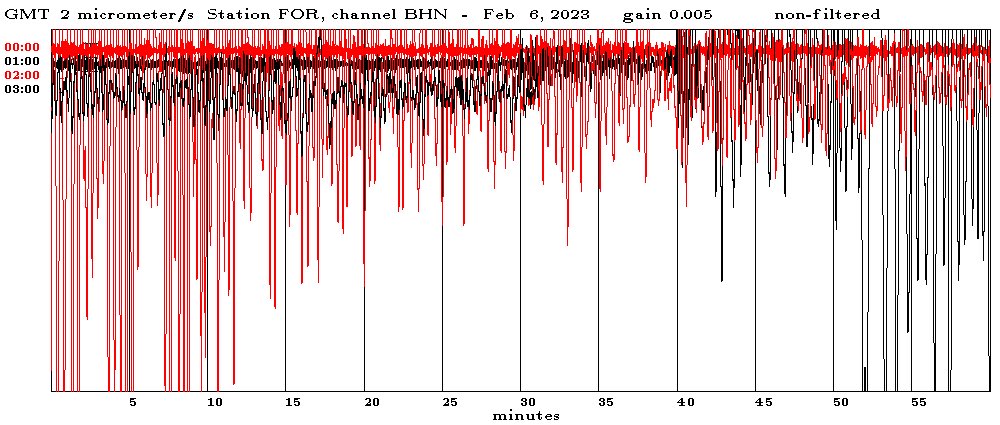
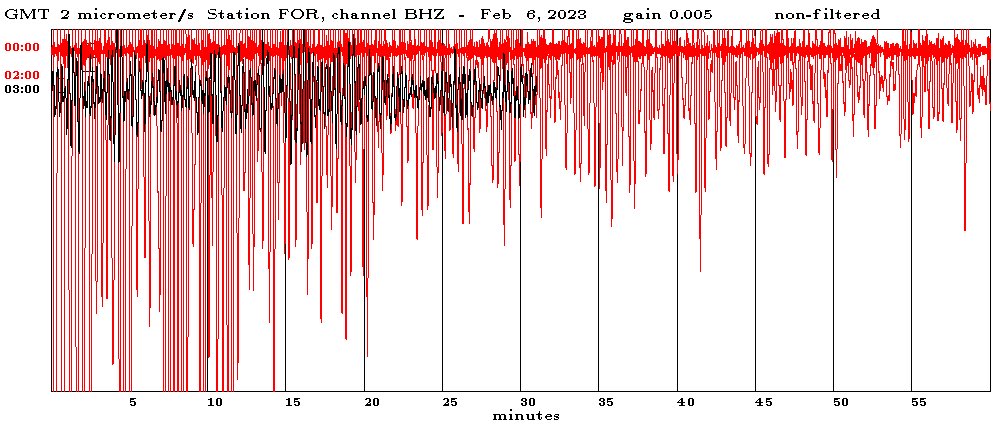
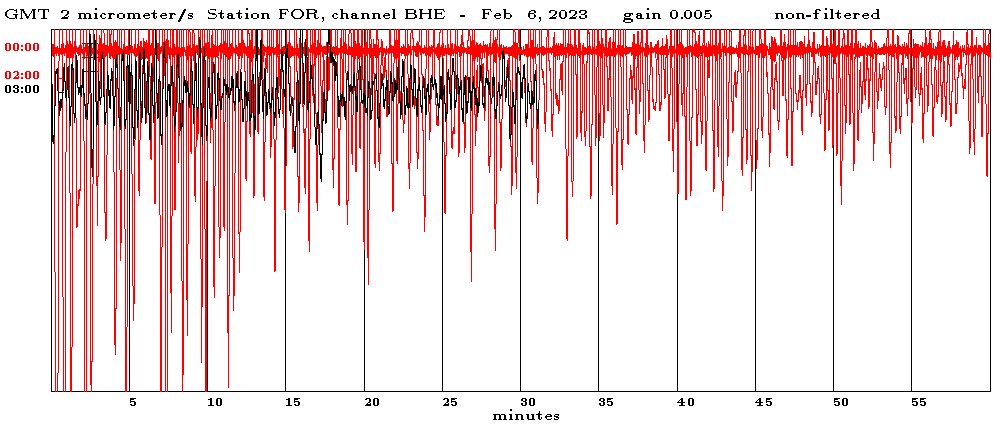
Though it rattled New Yorkers, "overall this earthquake was a very short and very quick event compared to some of the others that we've seen," said physics professor Stephen Holler, who heads the William Spain Seismic Observatory at Rose Hill.
https://t.co/duhvBbDh48
Take a look inside our seismic station in this @NBCNewYork interview with Prof. @StephenHoller. He shares a bit more about yesterday’s earthquake and how our seismic station works.
https://t.co/uy0xirK1uC
Prof. @StephenHoller, who runs @FordhamNYC's seismic station, joined @andersoncooper on @CNN last night to talk about yesterday’s earthquake—and aftershocks, which now number more than 20! https://t.co/MA2cok1TJe
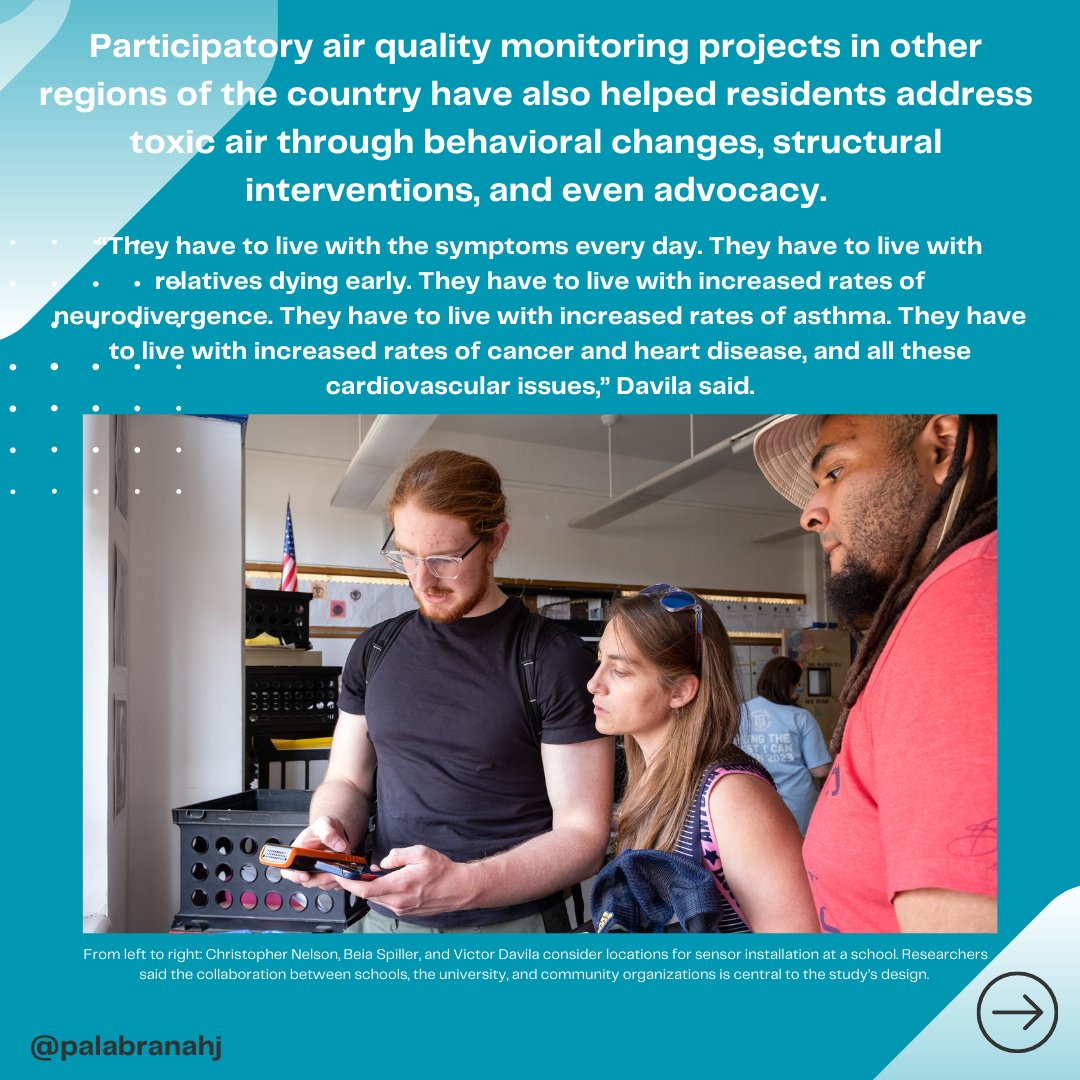
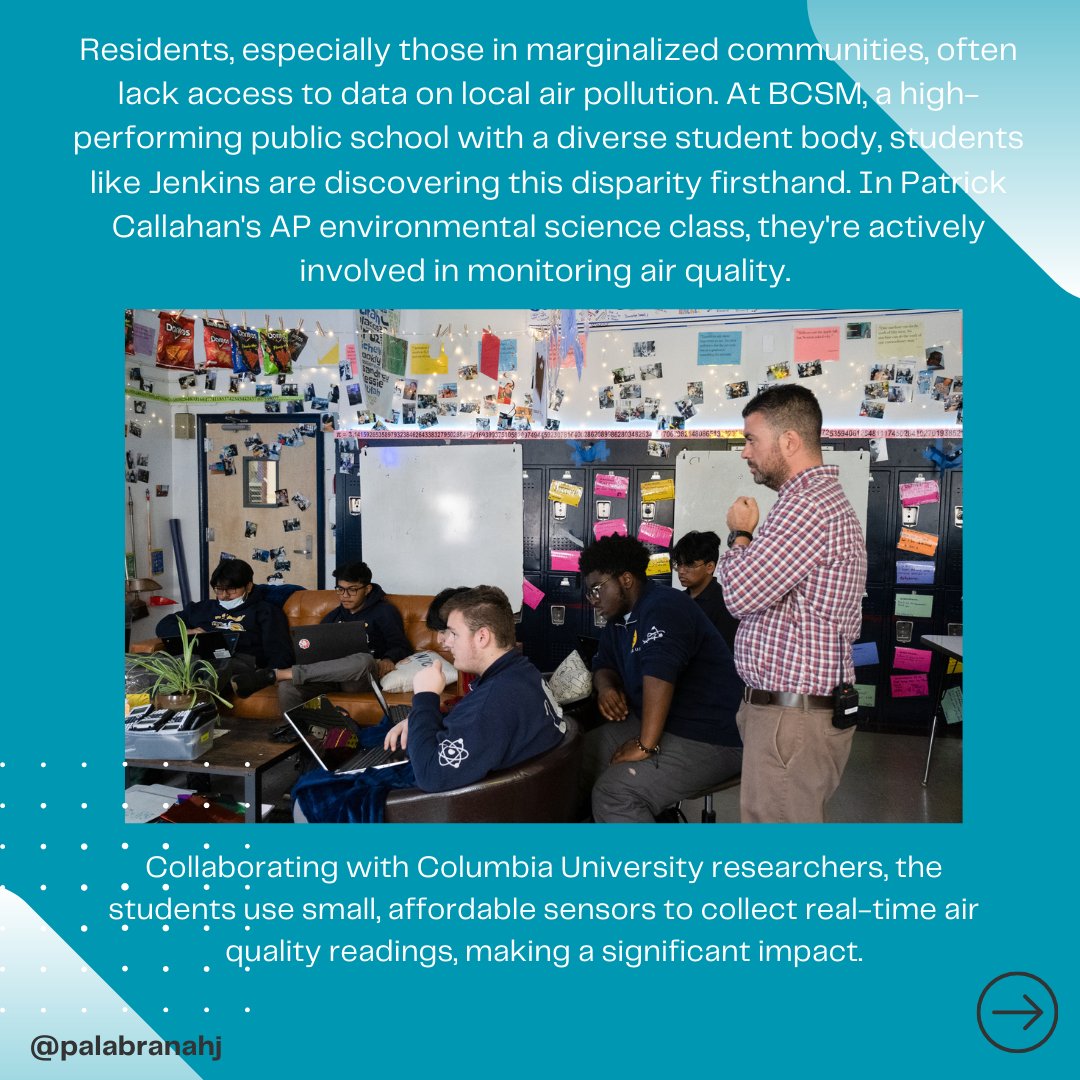
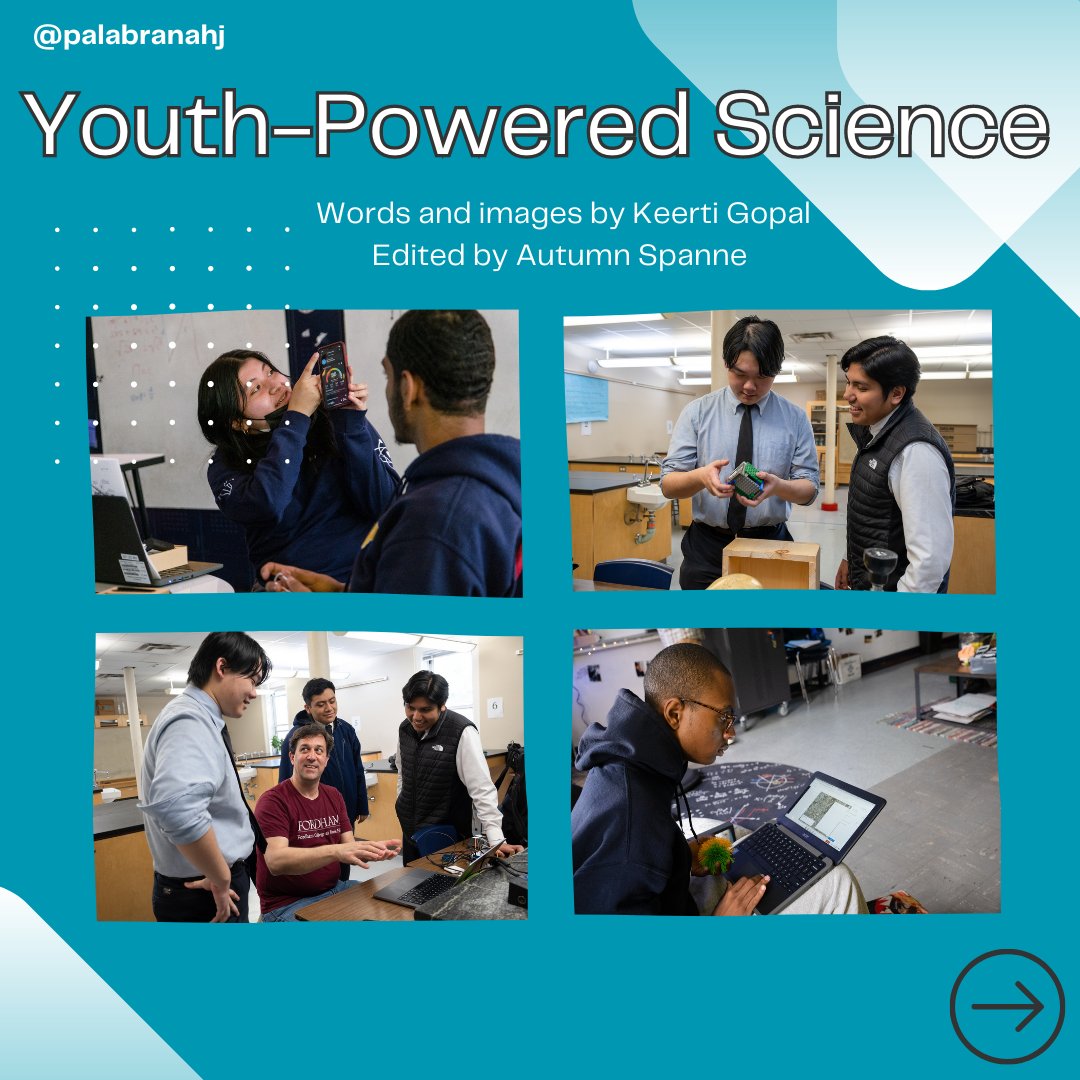
Journalist @keerti_gopal brings us a closer look into how youth-powered science tackles #environmentalchallenges as students like 17-year-old Shirra Jenkins team up with researchers using Atmotube sensors. They drive change for a cleaner, equitable future. https://t.co/pv6rIhDCfH
Offshore wind is not killing whales, contrary to misinformation circulating.
Let's prioritize clean energy solutions that safeguard our planet and its incredible marine life. https://t.co/D4yD7syA5v
@erinoverturf Yep.
I taught a class “Climate Change: Science and Society” where one day was a look at the hard sciences and the other was social impacts/social science perspectives.
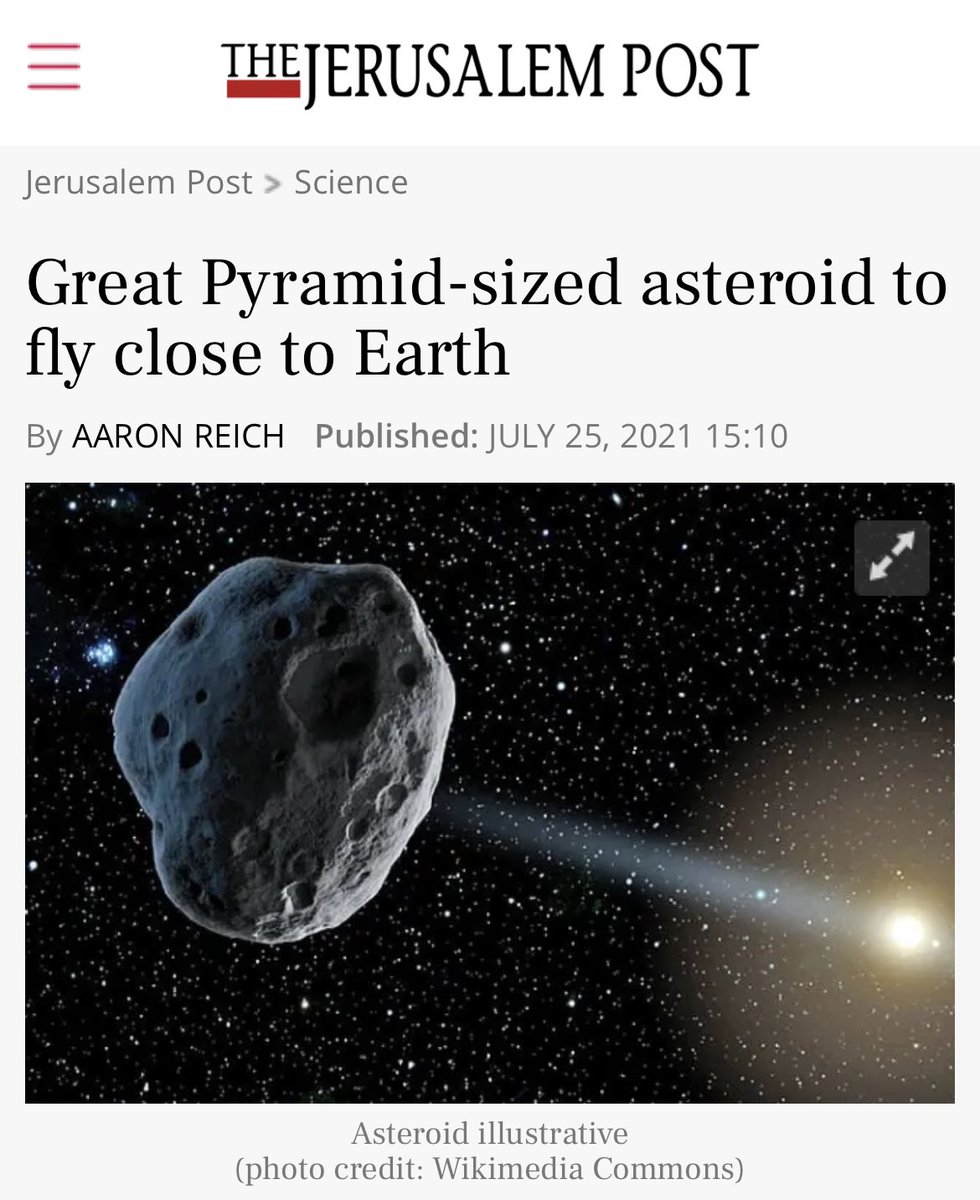
@ckrx1@RepSmucker@realDonaldTrump Pop goes the weasel. What came out though? We’ve used lasers to disable satellites. Great for knocking out cameras. Jamming tech was reportedly being used to disrupt acquisition and communications. Too many unknowns. Shooting down was risky for a number of reasons.