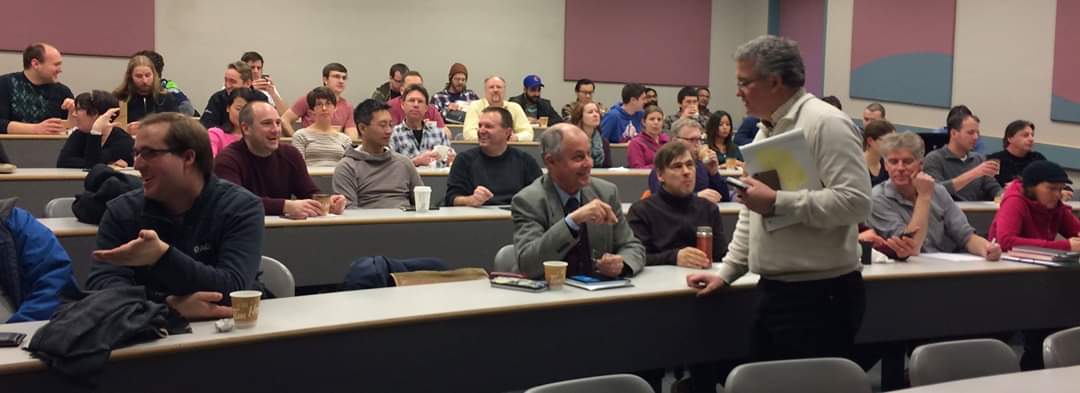
Yesterday was my birthday! In 2016, this was the day that @spaceyliz spoke at @UofC_Science. Afterward, conversations between Liz, @EdonovanF and @AlbertaAurora noted that I was different from Aurora, and started the path of ongoing research into what makes me what I am!
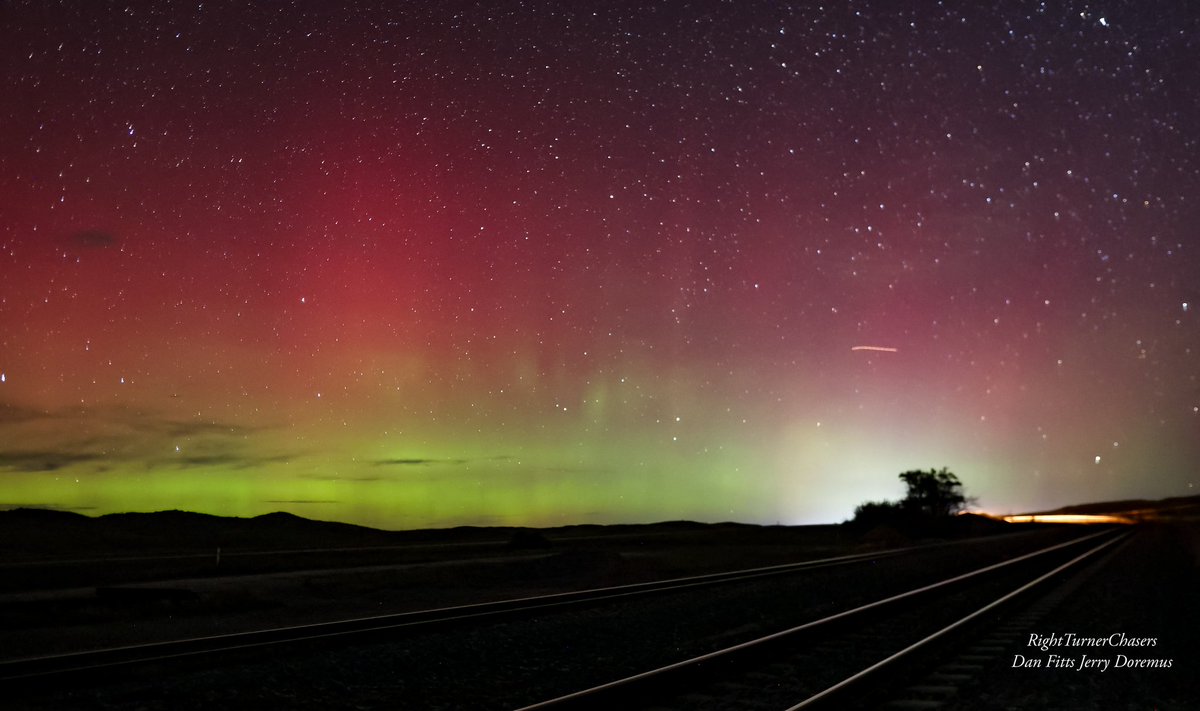
...Well that was fast! A big CME has arrived early, and we're starting to see aurora reports. If you try to see the aurora, please stay safe and make a report to https://t.co/iS0bXkmZsa for science! ✨🦕
The first CME to the party has rung the doorbell at L1! While we wait for more info on Bz, a quick reminder that if you try to see the aurora over the next few days please make a participatory science report to https://t.co/H8M6qEdJki. Clear skies!✨🦕
STEVE ÜBER ALASKA ...
der Sonnensturm hat neben Auroras auch ein Strong Thermal Emission Velocity Enhancement (STEVE) erzeugt, das man erst seit 2017 beobachtet. Dabei handelt es sich nicht um eine Aurora, sondern um einen "Streifen" aufgeheiztes Atmosphären Plasmas (> 5.000° C), das sich wahrscheinlich aus Dropouts aus dem Ringstromsystem bildet!
Students from the University of Calgary are building their first CubeSat called FrontierSat (also known as Calgary To Space (CTS) Sat-1). The goal of this small solar powered satellite is to gather more information on the Strong Thermal Emission Velocity Enhancement event (or STEVE). Launch is expected to occur in the fall of 2025. The Principal Investigator is Dr Johnathan Burchill. I am very grateful to Colette Derworiz (with the U of C external media department) for helping me set up this interview.