Biological databases, including the PDB, feature in @nature's "Ten computer codes that transformed science". It highlights the importance of databases like the PDB in harnessing the power of computers to analyse scientific information: https://t.co/tH5RflT3wF
looking forwards to another day of #BioHackEU20. it is intriguing to watch what and how how we can combine or collaborate with project #33: taxonomic vs occurrence based timelines @ELIXIREurope@plazi_ch @cabbageleek @mtrekels
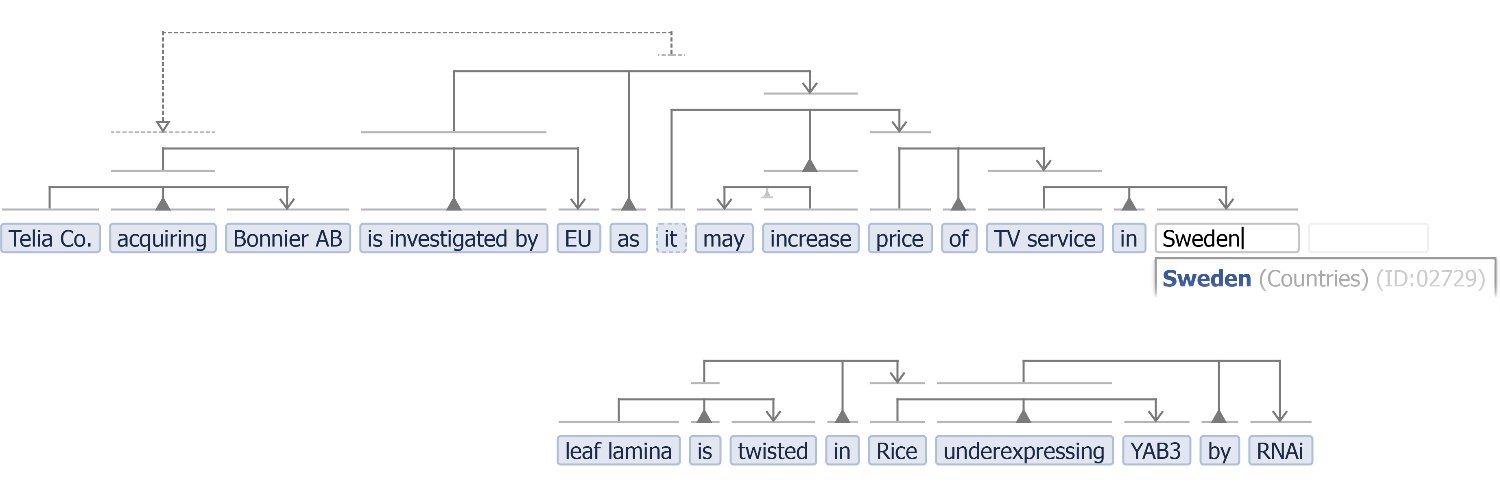
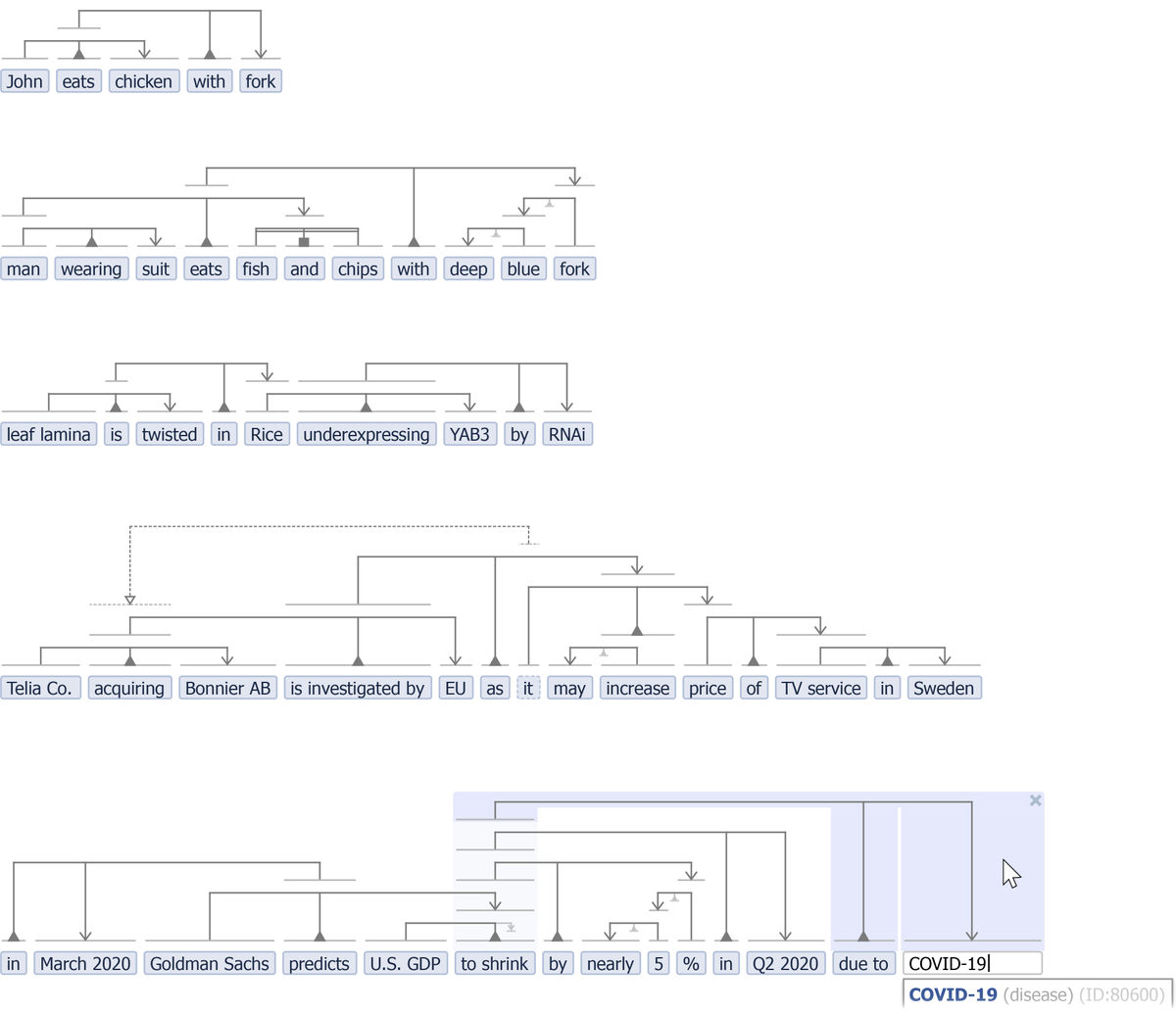
How to easily plant complex ideas into computers? VSM is the result of ten years of design and feedback. Thank you all! https://t.co/c7XPqVP92y #VSM#biocuration#computableknowledge
The minimum information guidelines for the curation of causal statements is now available: https://t.co/mhVMG6DGUm . Great community effort! Thank you all! @intact_project @signor_database @pybelbio@news4go@ISBSIB
MI2CAST: curation guidelines for the annotation of molecular causal interactions are available at https://t.co/5vO6UrTvv8. Outcome of a great community effort (@costgreekc, @imexconsortium , @ISBSIB and more!)
@Preprints_org
Proud to see my research on the university's tech blog. It's about building a 'digital brain' to help medicine. Please read and share! https://t.co/vsqnuoqjAn