Coaches — I built 10,000 Shot Summer for teams that want the summer to actually count.
Players log makes from their phone. Team leaderboard. Set up in 5 min.
Giving it to the game this summer. See what your team does with it.
[https://t.co/c5EWkD7usA]
Shipped.
10,000 Shot Summer is live in the App Store. Team-wide summer shooting challenge — players log makes from their phone, live leaderboard, 5-min setup for coaches.
https://t.co/MbXgYdL5kG
WATCH: On this exclusive interview, Brandon sits down with Grant High School basketball players Blake Rider & Zaiden Phillips on the team's record breaking season, the team's cultural success, and their unique opportunity to live out their college dreams on the court as teammates.
FULL VIDEO: https://t.co/BegumX8NP9
Bill Self:
“In studying trends of the winningest programs over the past 15 years, what wins more than anything is:
-Rebound Margin
-Shooting Percentages
-Defensive Field Goal Percentage
“The best at these three things are the best teams in basketball.”
10. Making shots is still the number one differentiator between an average HS player and a college-bound player. If you have to choose one skill to work on, I think it’s shooting.
Watch elite teams closely and you'll notice something interesting: they rarely waste possessions trying to "win" the possession immediately. Instead, they stress the defense repeatedly.
A ball screen forces a switch. The switch creates a mismatch. Help arrives. The help creates a rotation. The rotation creates an open window. Basketball is often less about beating your defender and more about forcing five defenders to solve problems they can't solve quickly enough.
The smartest teams understand this.
Inversion applied to basketball,
Ask not "How do we win?" but "What guarantees defeat?"
Eliminate the reliable ways to lose a basketball game:
Give up transition points by not sprinting back — transition offence scores ~1.2–1.4 points per possession vs. 0.9–1.0 in the halfcourt, making it the single most efficient opportunity in the game.
Turn the ball over live — steals fuel transition offence with zero chance of a rebound, unlike missed shots, which still yield a ~25% offensive rebound rate.
Foul jump shooters — especially on threes, where three free throws average 2.3 points vs. ~1.0 for a contested three. It's the worst defensive error in the game.
Settle for jumpers and lose the free-throw battle — aggression creates efficiency, not just skill.
Take bad shots early in the clock — shot selection sinks offensive efficiency more than lack of talent.
Fail to adjust when one opponent gets hot.
Mismanage star minutes — too many burn them out; too few let leads evaporate.
Lose the defensive glass — second-chance points average ~1.1 per possession, usually from prime spots.
Play without trust — no help, no extra pass, no communication.
Botch end-of-game execution — ATOs, fouling situations, clock management.
Let fatigue win late — conditioning preserves decision-making before it preserves skill.
Let officiating tilt your emotions.
The key insight: none of these requires talent to fix — only discipline and habit. A team that avoids this list will beat most opponents without installing a single new play, because most teams lose games by making self-inflicted mistakes rather than being out-strategized.
Munger was right: avoiding errors beats chasing brilliance. In coaching as in investing, you win more by eliminating losses.
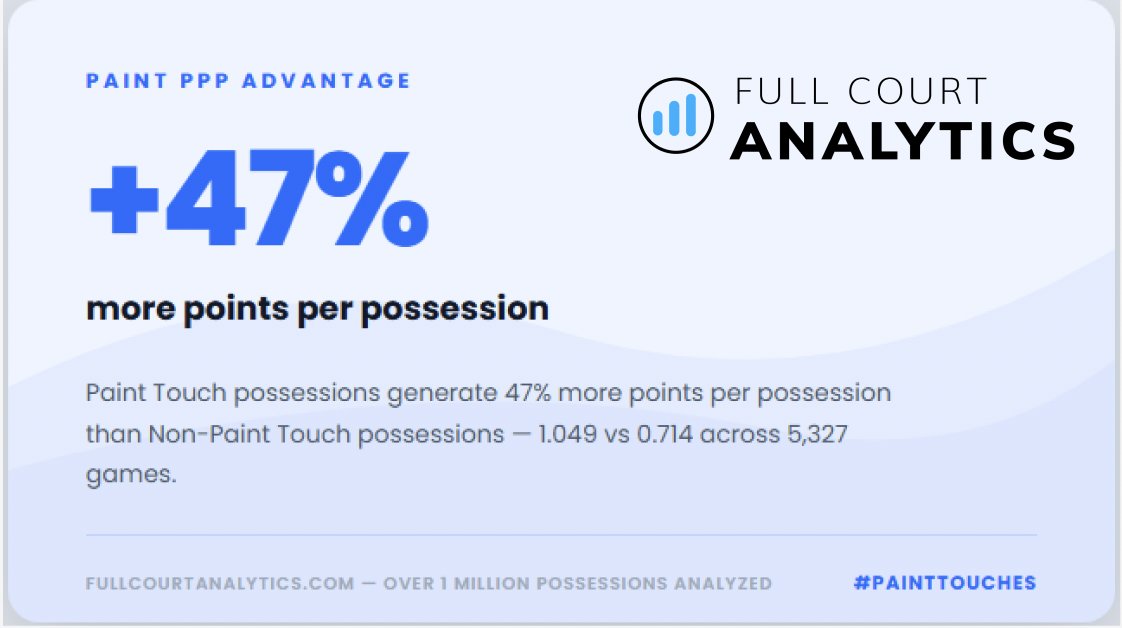
Paint touches win games
Teams score +47% more points per possession when they get into the paint.
At @FullCourtStats we analyzed over 1 million possessions. Paint touch possessions score 1.049 PPP vs 0.714 PPP for non-paint touch!
If you’re not creating paint touches, you’re leaving points on the table
Full Court Analytics shows you exactly how often you’re getting paint touches and ties every one to film so you can actually coach it
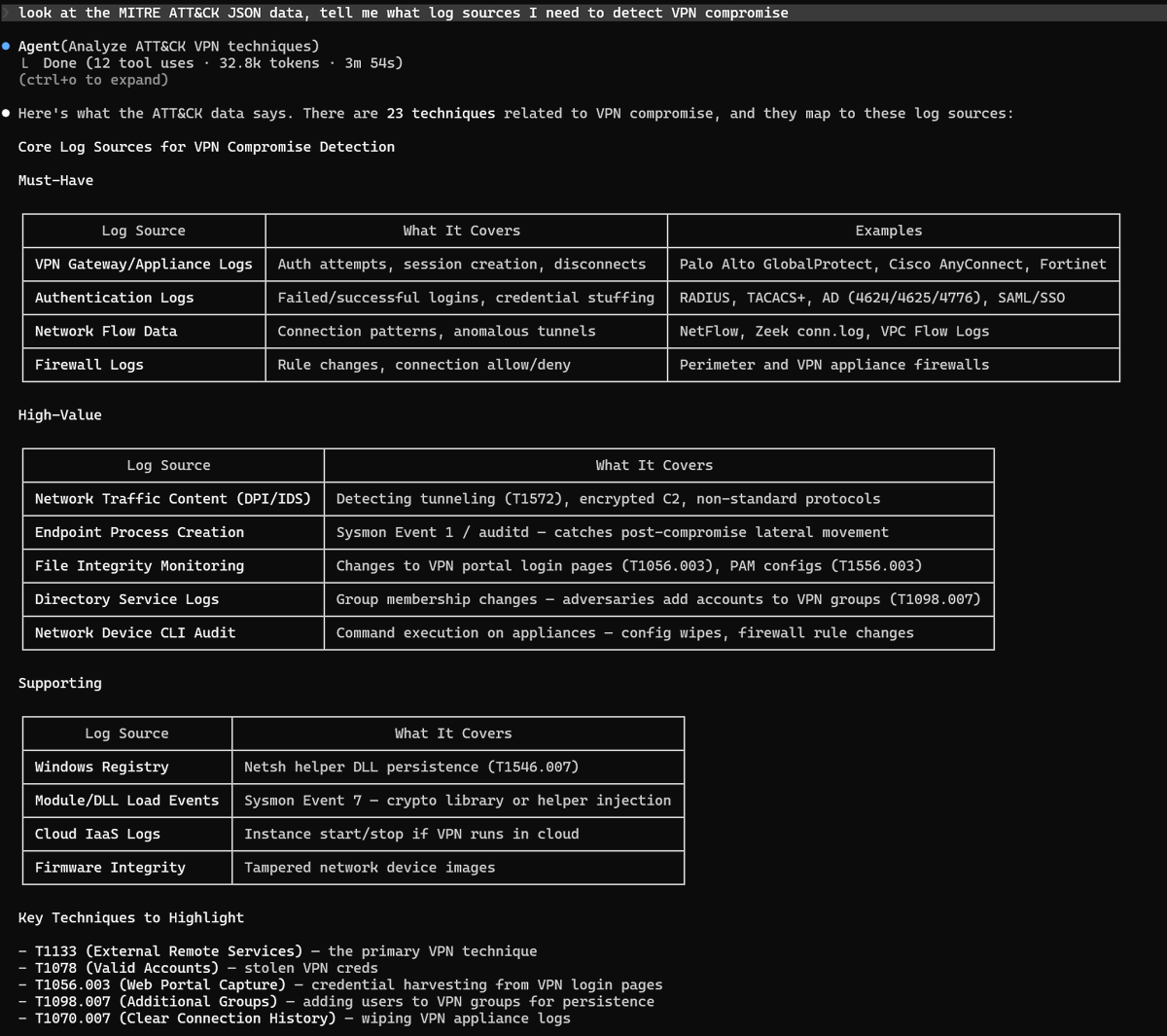
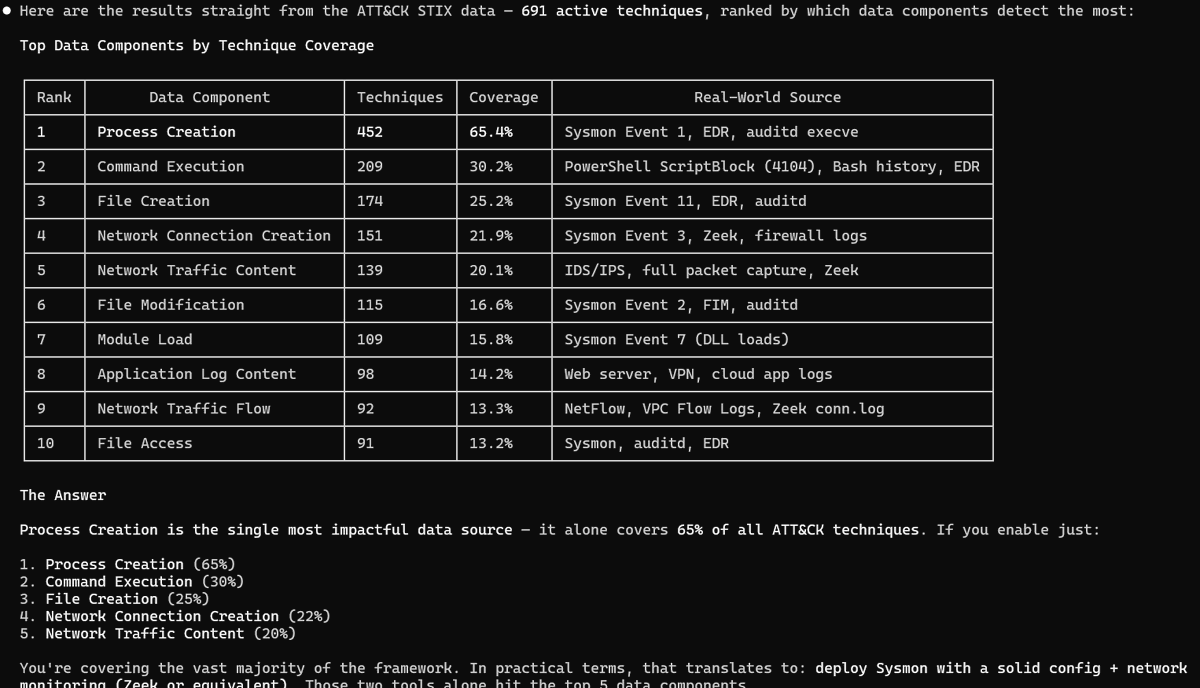
Going to be spinning up a little series of posts with some Blue Team specific Claude tips - follow along with
#ClaudeForBlueTeam
First tip - ATT&CK can be downloaded as a JSON file, which Claude loves to work with. Remember, ATT&CK has a Data Source component - use Claude to ask some questions like "What logs do I need to detect X" or "What data source do I need to enable to cover the most techniques"