Own the green! Inventor of modern green reading maps since 2007. Trusted by Tour players, 900+ NCAA teams & serious golfers worldwide. Search your course now →
The King knew every blade of grass. For the
rest of us, there’s StrackaLine
Arnold Palmer designed these greens to test the best
in the world, and today, they remain some of the
fastest, most treacherous surfaces on Tour. While we
can't all have Arnie’s intuition, we can have his
confidence.
From vintage mastery to modern laser-scanning, see
the slopes exactly how the pros see them.
#ArniesArmy #BayHill #StrackaLine #GolfHistory
#GreenReading
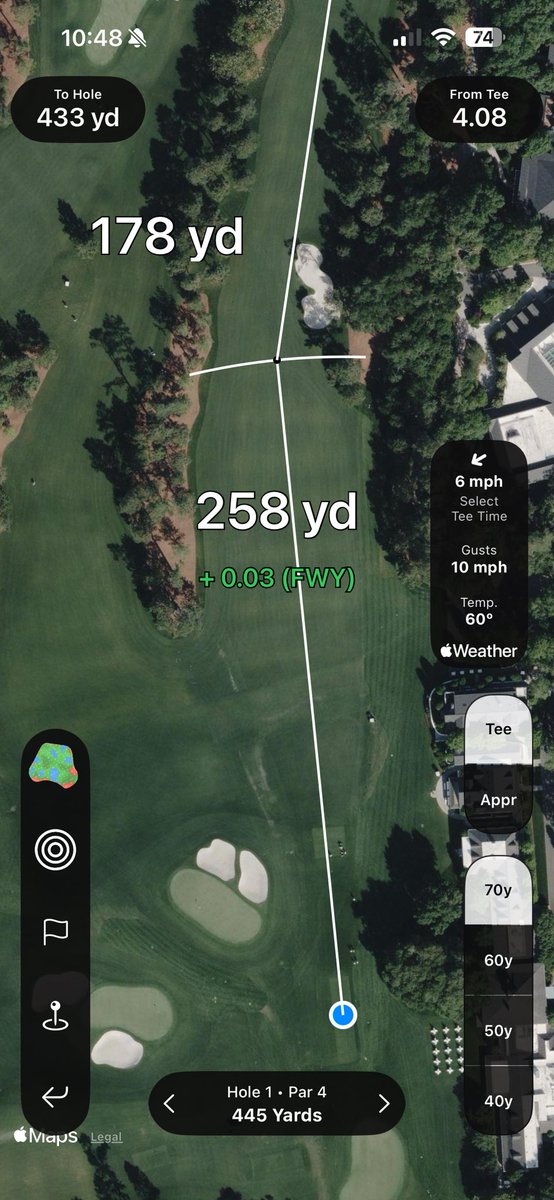
Wind, weather, and @StrackaLine green books coming soon to Shot Pattern!
Preview the hole by hole forecast for your round up to 7 days in advance.
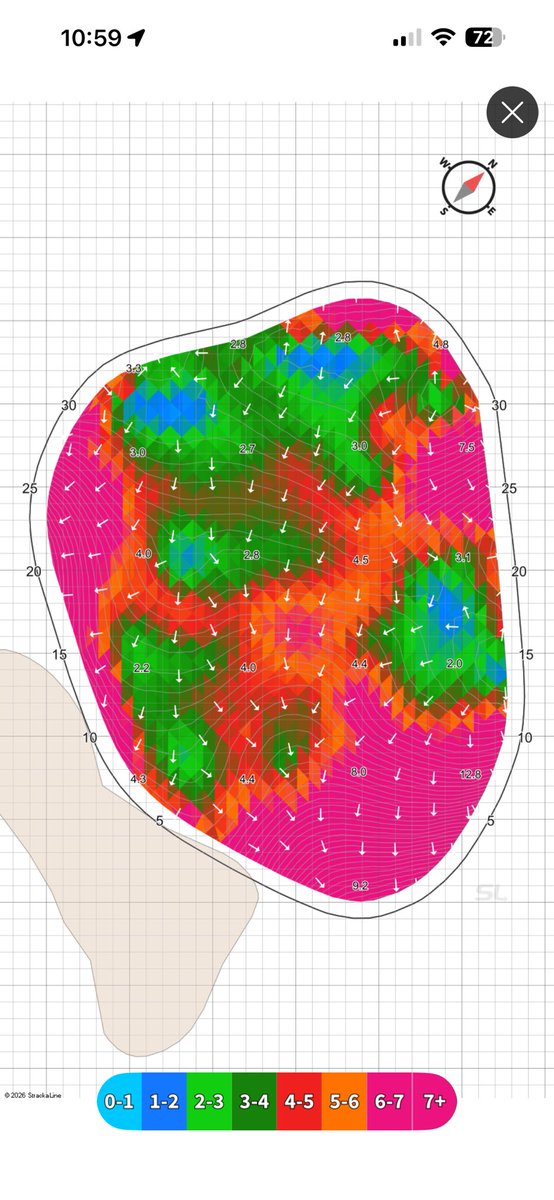
Access to best in class green books.
Live wind meter during rounds.
‼️Permitted for tournament play‼️
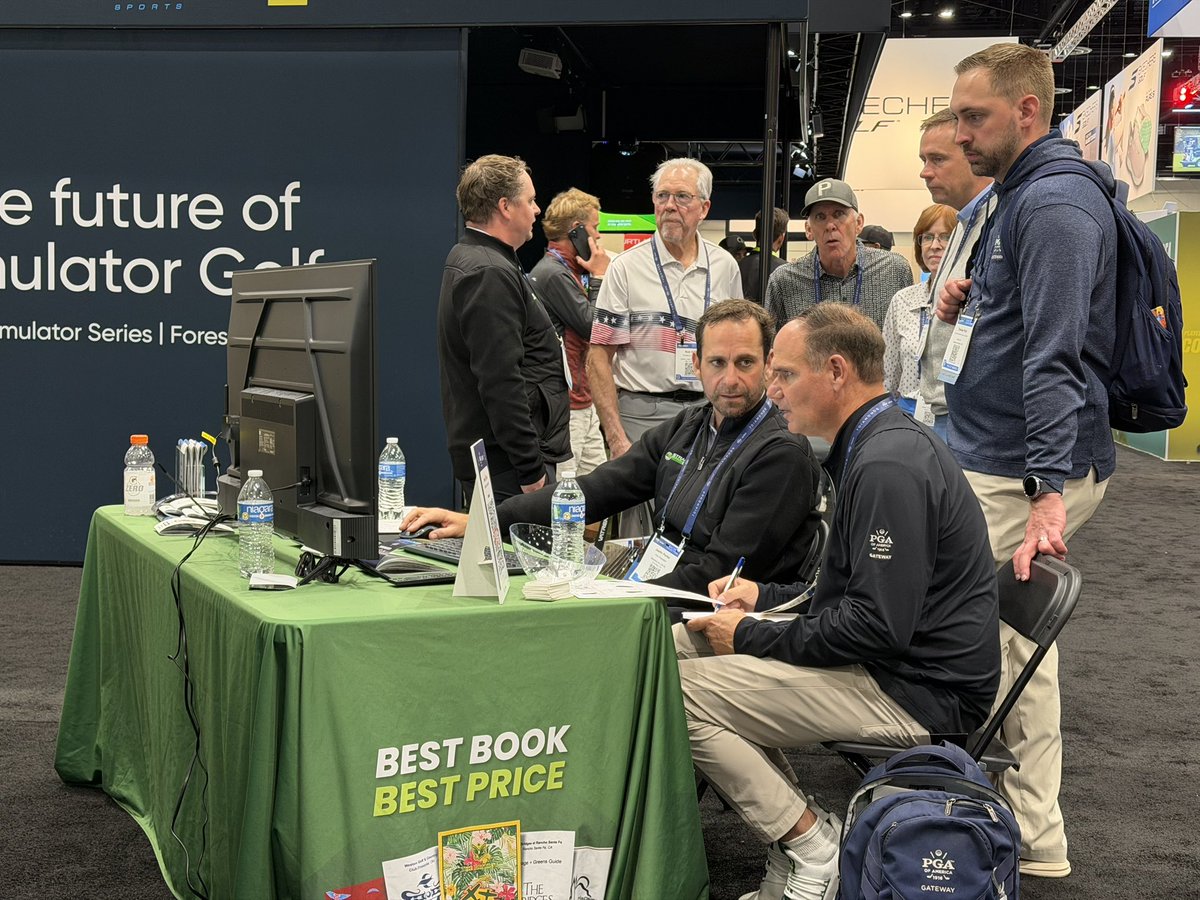
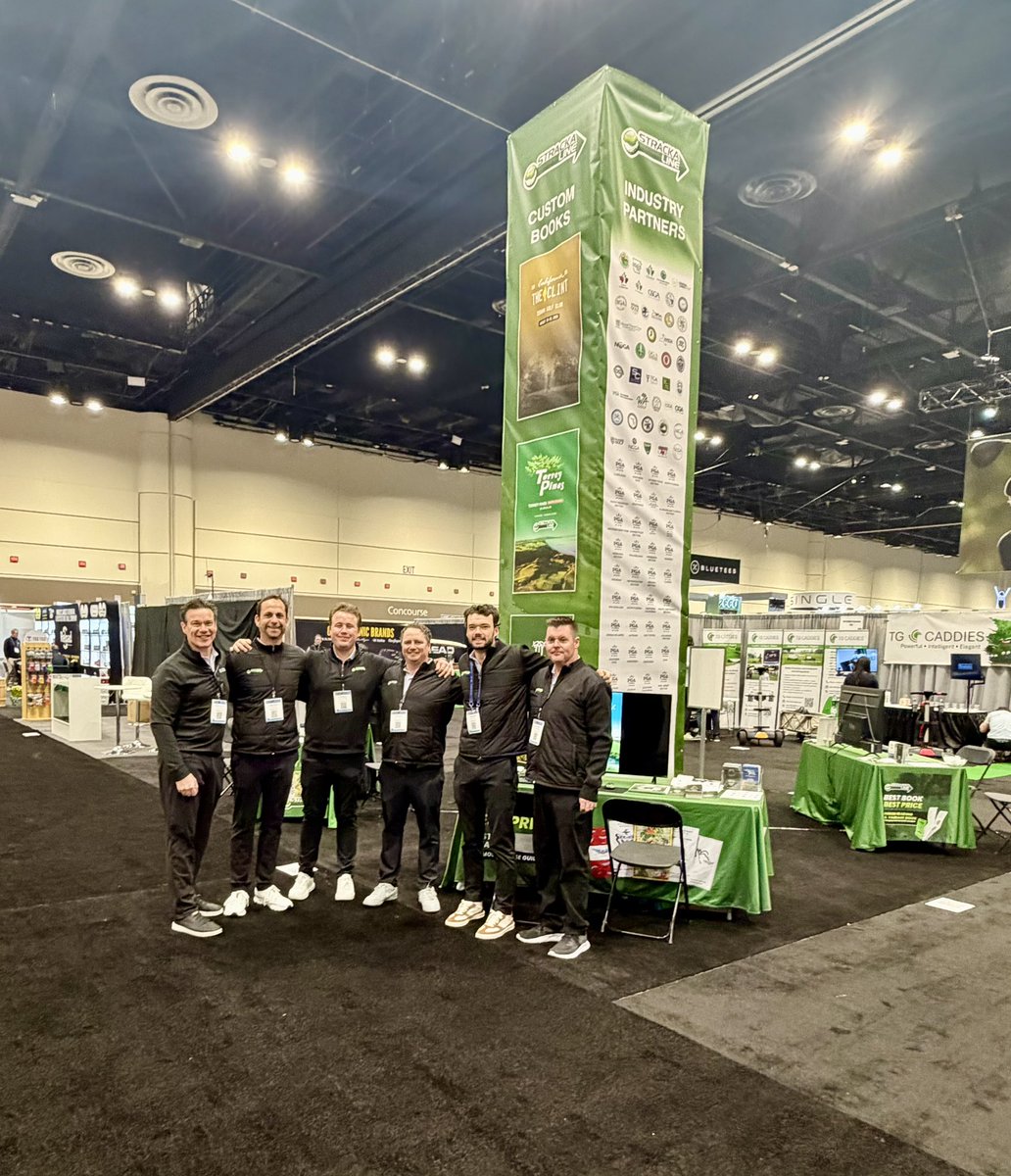
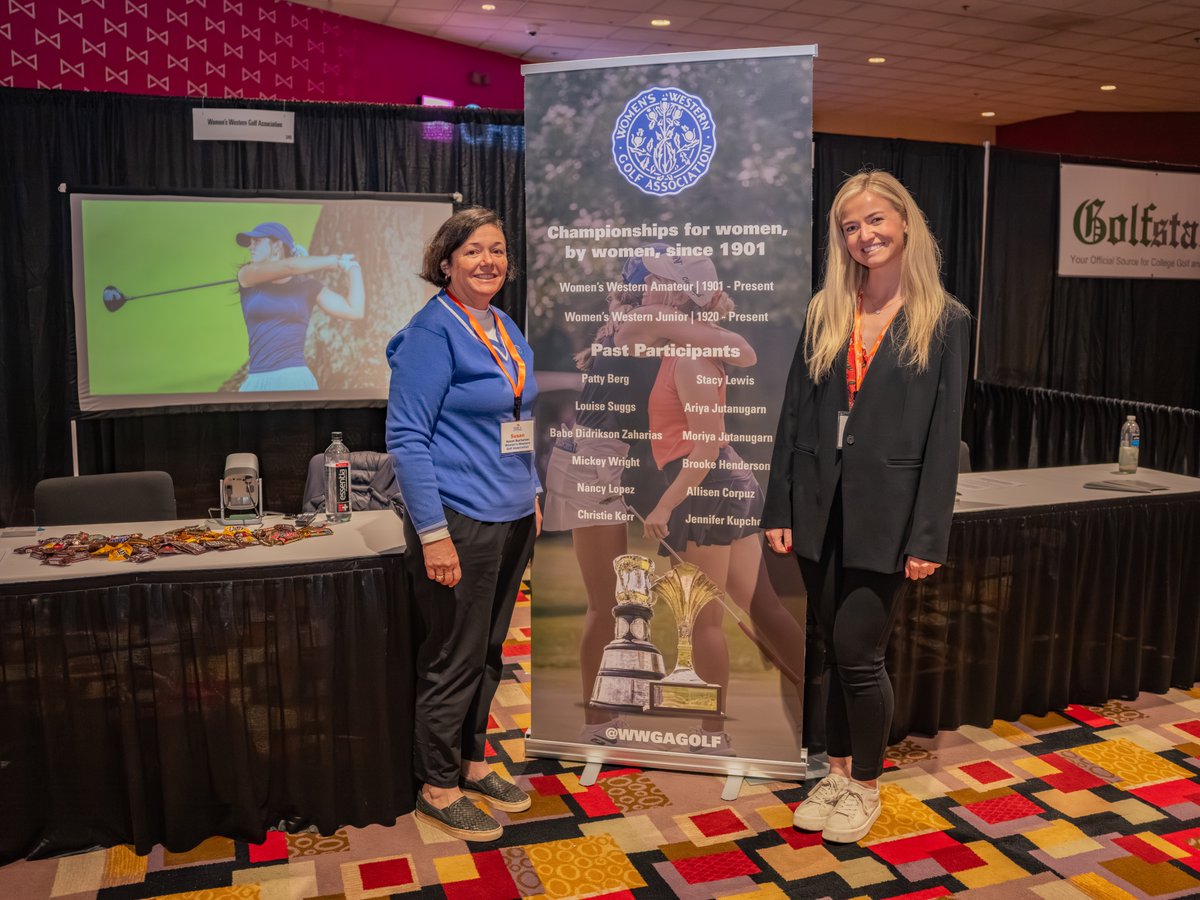
To our partners: thank you for showing up, supporting, and inspiring at the WGCA Corporate Partner Expo last week! 🌟
These snapshots capture only a fraction of the amazing energy in the room.
📸Mogie Adamchik
Another great year with the @GolfCoachesAssn@WGCAGOLF in Las Vegas!
So excited to introduce StrackaStats, the easiest way for your players to input your rounds for shot by shot tracking. Just take a picture of your Shot Log Sheet and upload to convert all your notes to a GPS posted score. “X Marks the Shot” 🎯🎯🎯
Not all short-sided shots are the same.
Understanding this will lower your scores.
Let's investigate.
As a golfer, you know short-sided shots are tougher. If you want to get it close, you often have to flop it and just barely carry it on the green.
This brings into play the dreaded double chip.
You flop it...
▶️It comes out heavy...
▶️Finishes short of green...
▶️Leaving you ANOTHER chip shot...
Not good for the scorecard.
On approach shots you should always be paying attention to where the hole is cut, so you can minimize how often you short-side it.
But there are some short-sided shots that are MUCH TOUGHER.
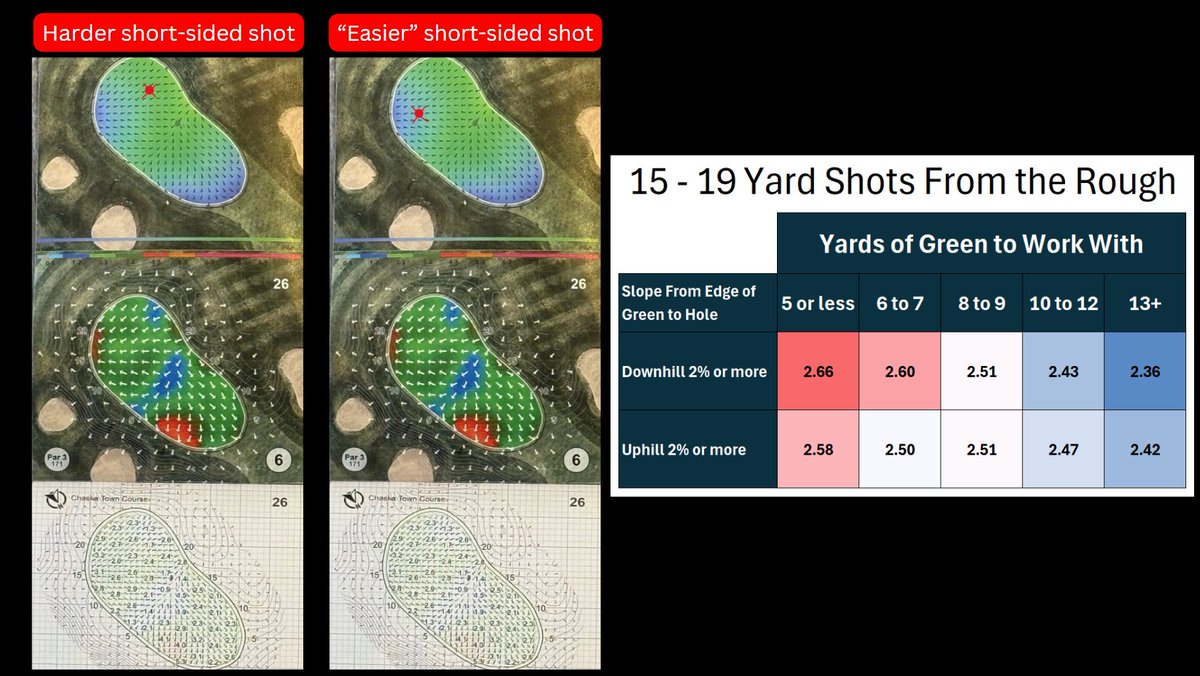
Check out the table of data in the attached image below. The numbers in the table above are for tour pros.
These are shots from 15-19 yards in the rough.
The columns show how much green you have to work with... That is, the amount of green you have from the edge of the green to the hole. The less green you have, the more short-sided you are.
For context, for ALL shots from 15-19 yards in the rough, tour pros average 2.48 shots to get the ball in the hole.
When you are short-sided, it's tougher. But some short-sided shots are tougher than others.
When the hole is cut close to the edge (5 yards or less green to work with), you can see it takes more shots to get the ball in the hole.
One factor that makes that short-sided shot more difficult is the slope of the green from the edge of the green to the hole.
If the green is running away from you, it's a tougher shot.
If you are short-sided and you will be hitting into an upslope, it's still a tough shot, but it's easier than if the green is running away from you.
Check out the hole in the attached image below.
It's the same hole on the left and the right. The red mark shows hole location.
You can see the back part of this green slopes mostly from right-to-left.
When the pin is on the right, short-siding it there is going to be a harder shot than when the pin is on the left and you short-side it.
That's because when the pin is right and you short-side it, the green is sloping away from you.
When the pin is on the left and you short-side it, you are hitting back into an upslope. It's still a tough shot because you are short-sided, but it's easier than being short-sided with the green running away from you.
One thing that is interesting to note is that the more long-sided you are (columns on the right side), downhill shots actually get a bit easier!
I am *guessing* it's probably because out of the rough we make poor contact more often, which would have the ball tend to finish short, but that is offset by the green being downhill? Just a guess...
There are a couple of other things to consider when there is a hole cut close to the edge:
▶️Wind direction
▶️Elevation change
Wind direction matters, even on that little chip/pitch. If you are short-sided and it would be downwind, that shot is going to get a bit tougher.
The elevation change between the ball and the green will influence how hard the shot is. The more the elevation change, the tougher the shot.
Back to the main point of this thread.
The slope of the green will impact how difficult the short-sided shot will be.
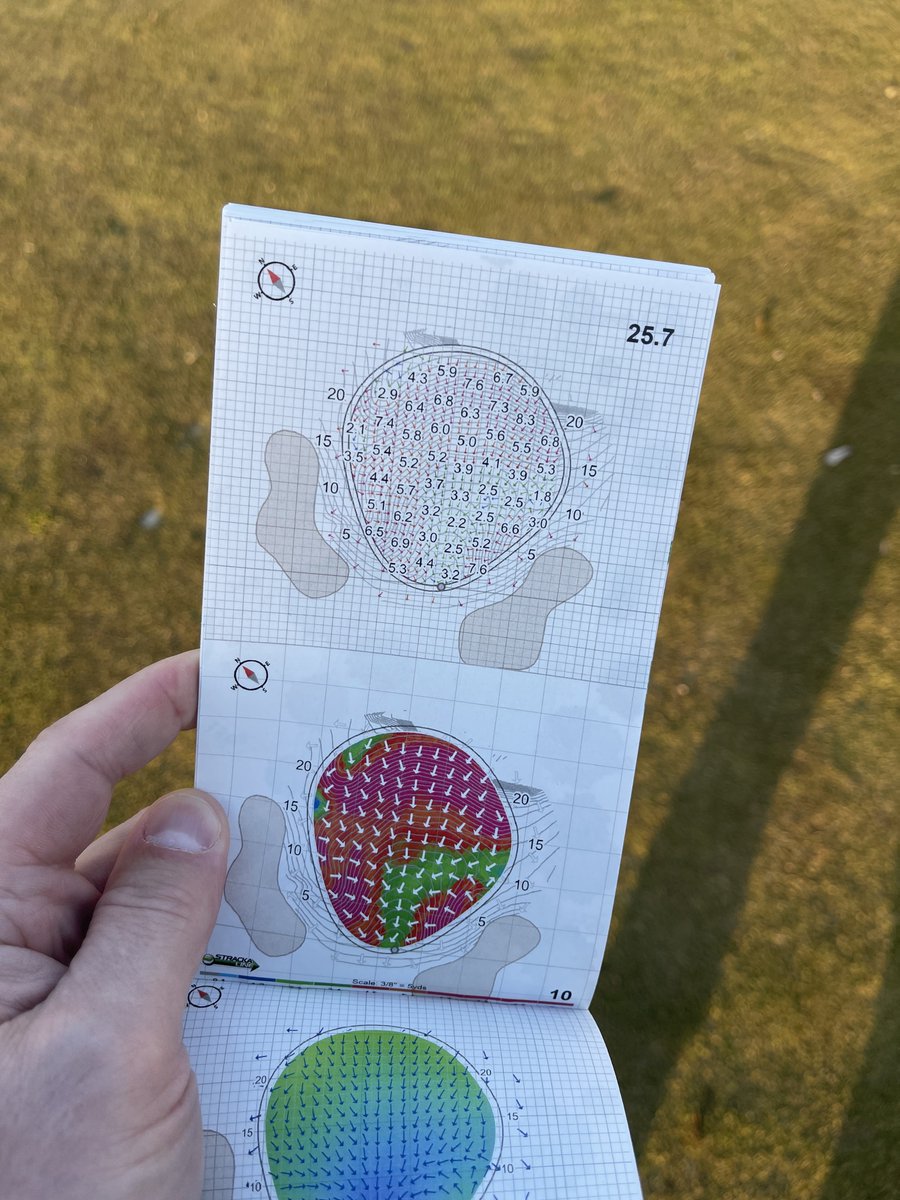
This is such a great reason to use green books. You look at the book and can clearly see the slopes and what you would be faced with. Green book images in this thread are from @StrackaLine (DATALOU15 saves 15%).
Understanding the type of shot you would be faced with if you short-side it can help you adjust how you play the approach shot.
If you have a tucked pin...
And if you short-sided it you would be faced with:
▶️Green sloping away from you
▶️Downwind chip shot
▶️Green is elevated compared to the ball
In this situation you need to get MORE conservative as that short-sided shot is going to be SO CHALLENGING to get the ball up and down.
Start paying attention to these things, and your scores will improve.
What are you thinking about when you see a green like this?
You are in the fairway, 150 yards from the hole. Pin is cut 11 on and 5 from the right edge. Wind is blowing straight down at 5-10mph.
What is your target?
What kind of shot are you trying to hit?
@tarheelpete@Titleist DM or give us a call and we can make you a package price. For course updates we have a dedicated team working on course updates every day
In honor of Halloween.
Be honest... what hole scares you the most?
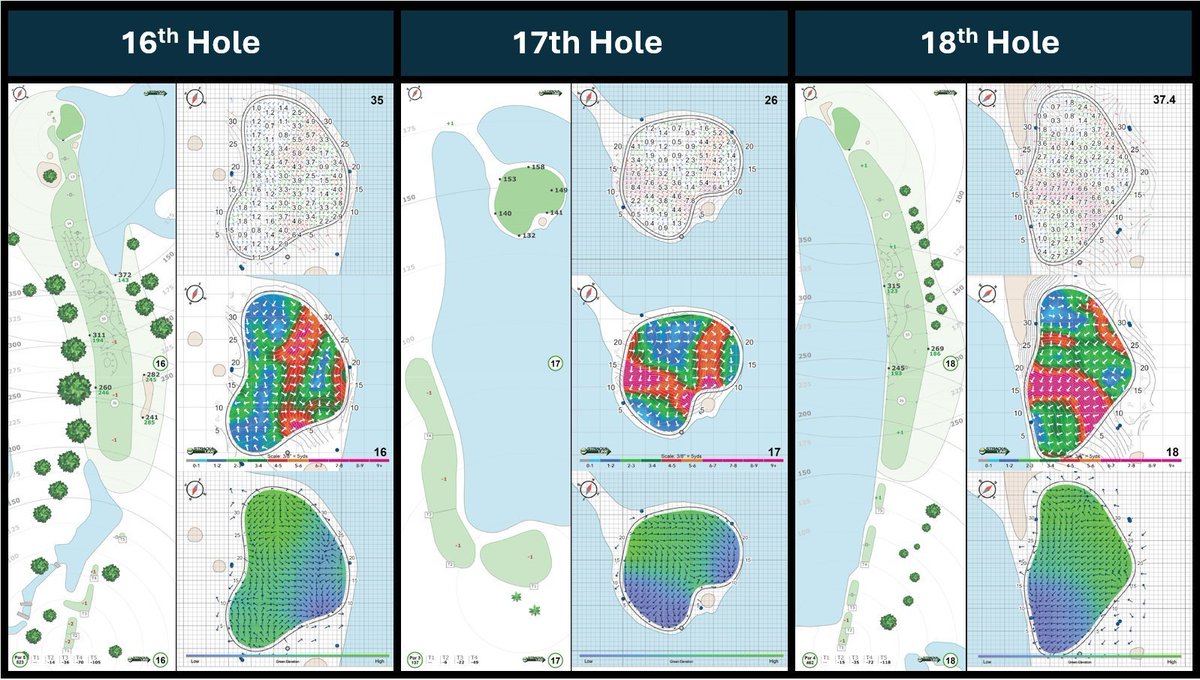
You are playing your club championship at TPC Sawgrass and have a one-shot lead.
All that’s left are holes 16, 17 and 18.
Water right on 16.
The famous island green on 17.
Water left all the way down 18.
What is the scariest shot?
Images from @StrackaLine green books.
(use code DATALOU15 to save 15%)