Social media can be a sewer. I pity the youth, and those old enough to know better, who occupy themselves and disturb their hearts with complex intricacies of problems between parties oblivious to their existence at the expense of so much that is far more worthwhile. اللهم سلم
Free PDF download of “When Allah Wants Good For Someone He Grants Him Fiqh In The Religion” - this weekend’s book we are studying with Shaykh Abu Muhammad al-Maghribi
https://t.co/jsbCRzKIyL
Subhana lallāhi Wa Bihamdihi Subhanallāhil Adheem
I need an Imān boot🤌🏾❗
Someone please send me stories of the Prophets and Messengers by @AbooSuhailah 😩
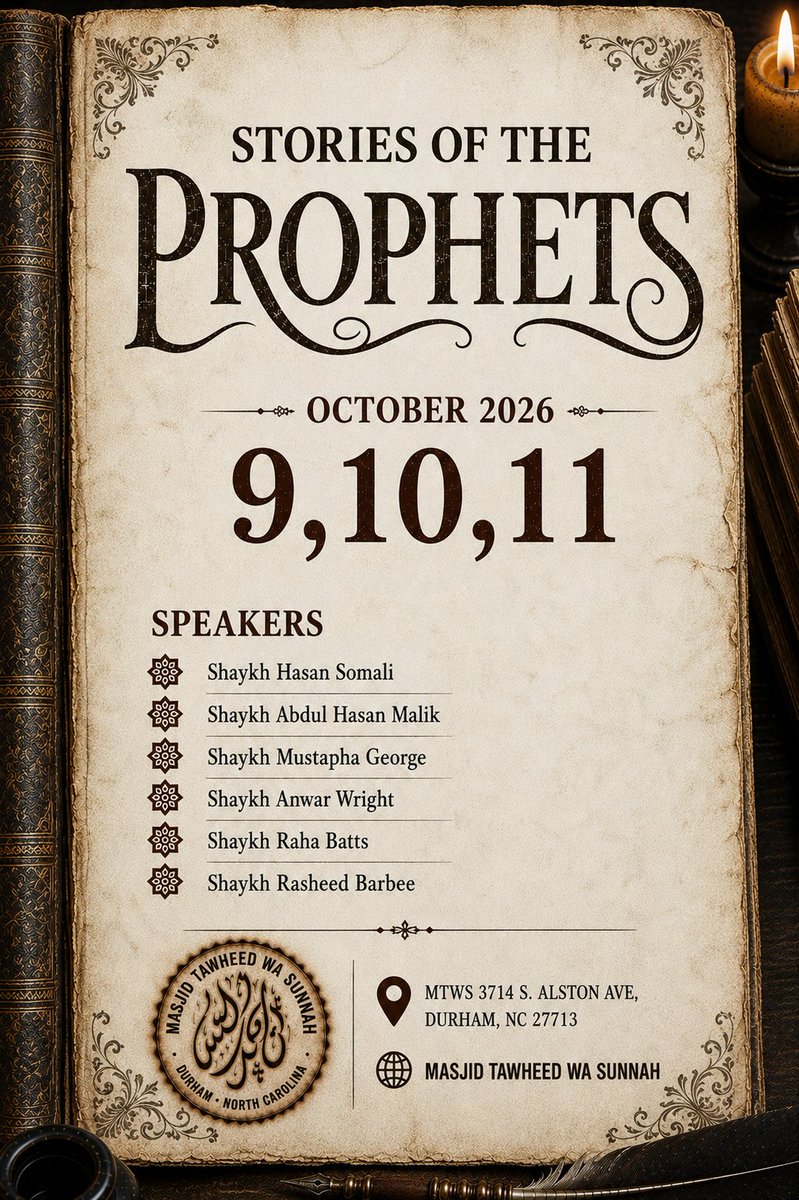
We invite you and your family to join us for a beneficial weekend exploring the Stories of the Prophets. Come learn from their lives, their trials, their steadfastness, and the timeless lessons they left for those who came after them.
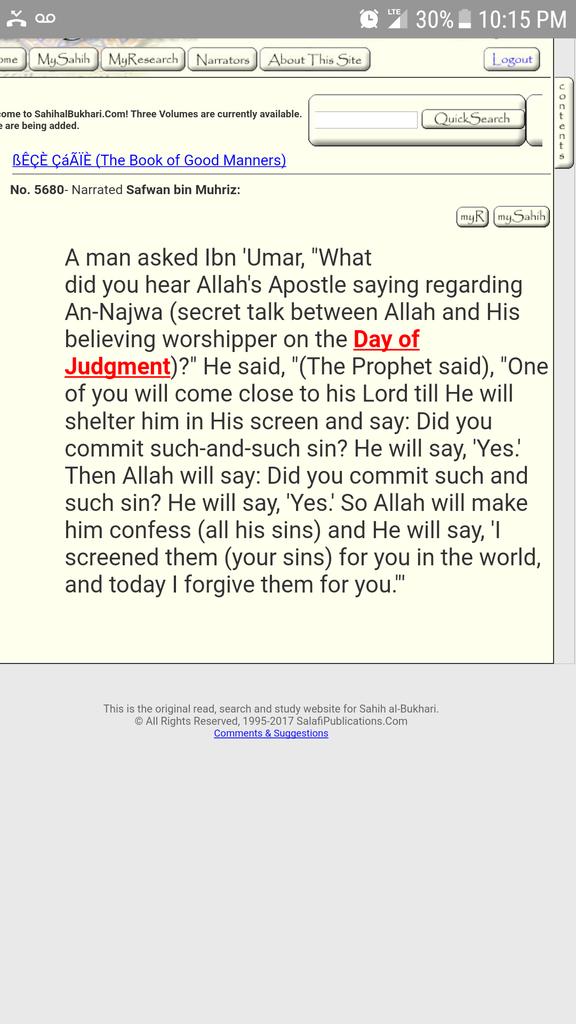
Your smile is being recorded
In an age where many enjoy using the smiling emoji to mock their brothers and sisters, you should understand your smile is being recorded.
Ibn Abī al-Dunyā, narrated in, The Condemnation of Backbiting, and Ibn Abī Ḥātim narrated from Ibn Abbās regarding the statement of Allah:
مَالِ هَـٰذَا ٱلْكِتَـٰبِ لَا يُغَادِرُ صَغِيرَةًۭ وَلَا كَبِيرَةً إِلَّآ أَحْصَ��ٰهَا
“What is with this Book?! It leaves neither a minor sin nor a major sin except that it has recorded it.” (Sura al-Kahf 18:49)
Ibn Abbās said: “The minor sin is smiling when a believer is mocked, and the major sin is laughing aloud at them.”
Translated by Rasheed Barbee
Alḥamdulillāh, Masjid Ibn Baaz is honored to host a telelink with our noble Shaykh, Abbas Al Jaunah Al Adani حفظه الله تعالى
Date: Tuesday, 8 Muḥarram 1448 / June 23, 2026
Time: After ʿAṣr Prayer
May Allah allow us to benefit from the Shaykh’s advice and guidance and grant us steadfastness upon the Sunnah.
COMING SOON - insha Allah!
One of the most beneficial works ever written on the journey to Allah.
The complete three-volume abridgement of Madarij al-Salikin by Imam Ibn al-Qayyim.
The Servant’s Journey!
Struggling to Focus in Prayer?!| Shaykh Saalih al-Fawzān https://t.co/SX10sK4Vme
TN: The Shaykh reminds us of an essential matter we should remember: Allah is the One who places khushūʿ—humility, submissiveness, and attentiveness—in the heart of the servant. Therefore, we should ask Allah to aid us and make us among those who pray with true khushūʿ and humility before Him.
After six years now, liars still claiming that I invented some obligation of social distancing in the prayer rows: Are you not yet exhausted?
You could not stand that he said it, but Shaykh Saalih al-Fowzaan (may Allah preserve him) actually issued that specific verdict. You could not respond to him, so you falsely accused the translator.
Your mockery & ridicule is only of an actual fatwaa from an actual senior scholar; nothing of that is from me.
Arabic & English together: https://t.co/DuNHYeeOM1
Original Arabic: https://t.co/dQNNR13LY8
Fanatical blind followers who go on parroting this lie: Wake up & return to your senses. Isn't six years of humiliating yourself enough?
Infidel is a Christian term
The term “infidel” comes from early Christian theology. Historically, Christians were the first to use the term “infidel” to describe: Muslims, Jews, Pagans, and anyone who did not accept Christian doctrine.
Merriam-webster dictionary: infidel 1. One who is not a Christian or opposes Christianity.
The Bible uses the word infidel according to the 21st Century King James Version in the book of 1 Timothy 5:7-9.
“And these things charge them, that they may be blameless. But if any provide not for his own, and especially for those of his own house, he hath denied the faith and is worse than an infidel.”
The Qur’an was revealed in the Arabic language. What is commonly referred to in English as “the Qur’an” is a translation of the meaning of the Qur’an, not the Qur’an itself.
As a result, certain English terms reflect the translator’s interpretive choices rather than the precise wording of the original Arabic text.
The word “infidel” is not found in the Arabic Qur’an; it is an interpretive term introduced by a few translators and does not correspond to a single Qur’anic word.
The Qur’an uses precise Arabic terms like: (al-kāfirūn) – those who reject or cover the truth
(al-mushrikūn) –those who associate partners with Allah
(People of the Book) – referring to Jews and Christians
None of these words mean “infidel.”
An important principle emphasized by the great imams of the Salaf in their profound works is the careful weighing of the benefits and harms that result from commanding good and forbidding evil. This is a principle we heard repeatedly from the scholars whom we were blessed to sit with and benefit from, and it remains preserved in their writings for us to read, contemplate, and put into practice. If this principle is lost, absolute chaos will always occur.
If only we realized!!!
Subhana lallāhi Wa Bihamdihi Subhanallāhil Adheem La Ilahi illa Allāh La Howla Wa La Quwatta Illa Billāh
This is why I stay off twitter, way too much strife. And I only come here to stay in the know about my Deen. This ain't it🤌🏾❗ Annaka Allāh
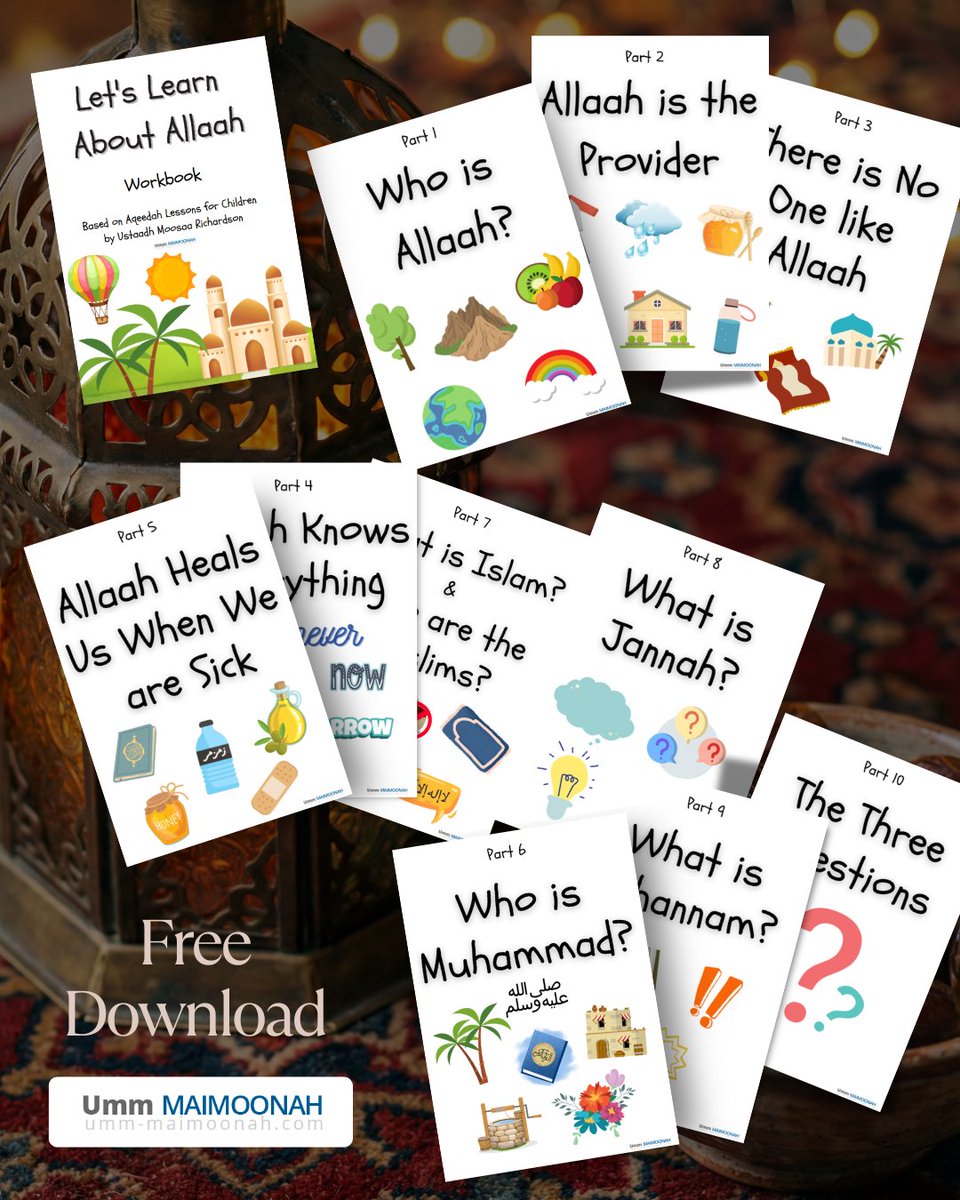
Who remembers Uncle Moosaa gently asking little Zainab not to spin on her chair!
Aqeedah Lessons by Ustadh Moosaa! Alhamdulillah, with his permission, we have now created 10-part workbooks based on those lessons for ages 3–8
Download https://t.co/YML9oDSIWP
Advice to the Muslims Regarding ʿIshā and Tarāwīḥ in Public Spaces Such as Times Square and City Hall
What follows is a brief piece of advice concerning a practice that has recently become prevalent and has generated considerable discussion.
https://t.co/bpPsZqvnmq
Drama & dawah scandals on social media... Muslims repent from engaging with such lowly trash & rise up. Learn your lesson about petty back & forth bickering YouTube children & get back to using the internet to learn your Deen from actual teachers. Enough nonsense & waste of time!