So many coaches feel powerless to tackle the prevailing culture in the way sport is provided for children and young people.
The Children's Coaching Collaborative is a community of changemakers that believes that we can do better.
Join the community at https://t.co/Sdy0MLmdIz
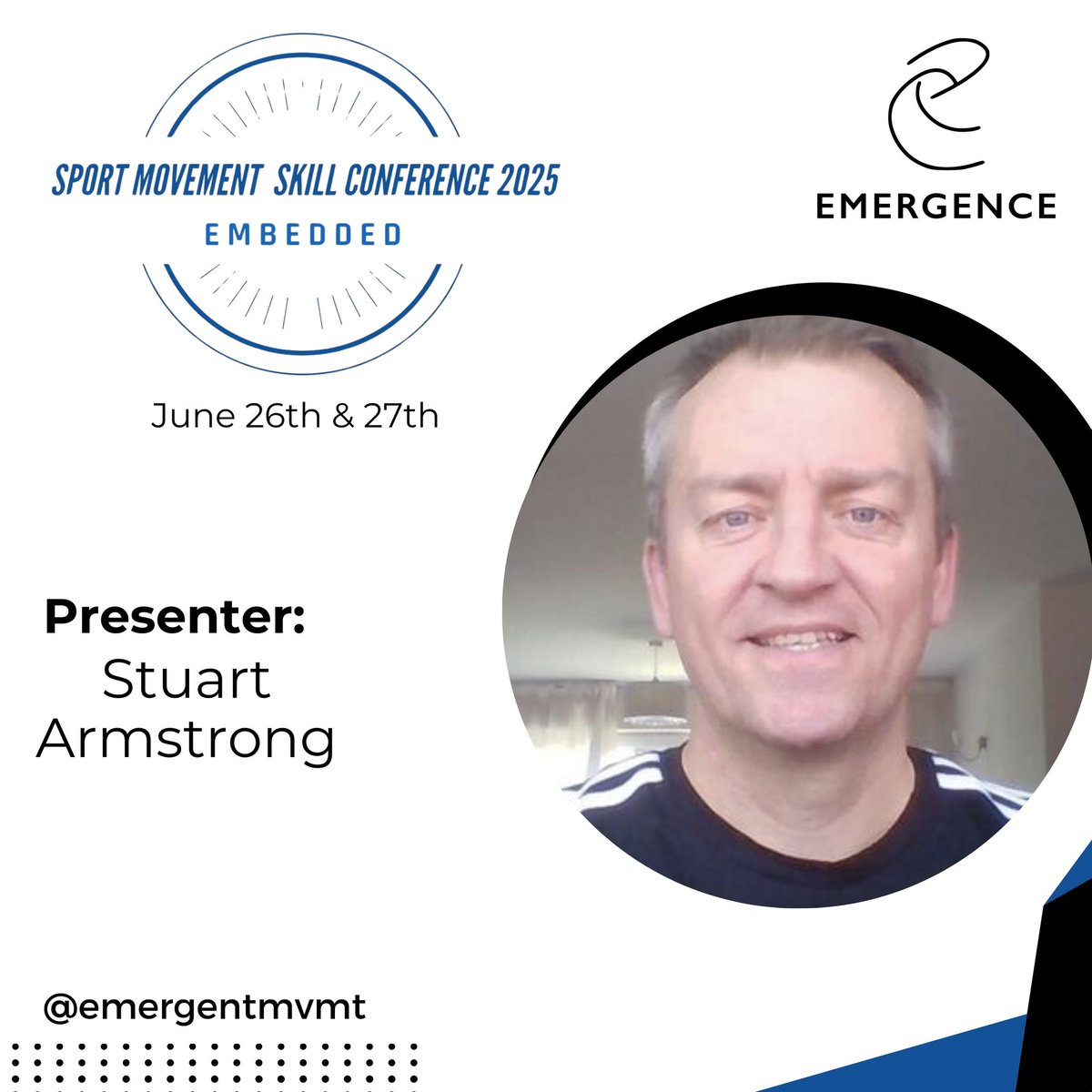
Our good friend @stu_arm will finally be in-person with us at #SMSC25 after presenting from across the pond a number of times over the years!
His session on 'How to ditch those drills' is bound to be a masterclass in utilizing a CLA!
Congrats to our friend and colleague @fab_otte (Head First Team GK Coach) on becoming Prem League Champion! We have recently published some work in skill ac together. https://t.co/Dza36rxe7C
Also with @AIKFotbollDam goalkeeping coach @BastiasAlamo22 https://t.co/19D1cosZRU
In my recent podcast conversation on 'The talent equation' @stu_arm , I shared how critical it is for parents to master these emotions to create a supportive environment for their children.
🎧 Listen to this section at [06:16]
https://t.co/MpRTACWD8p
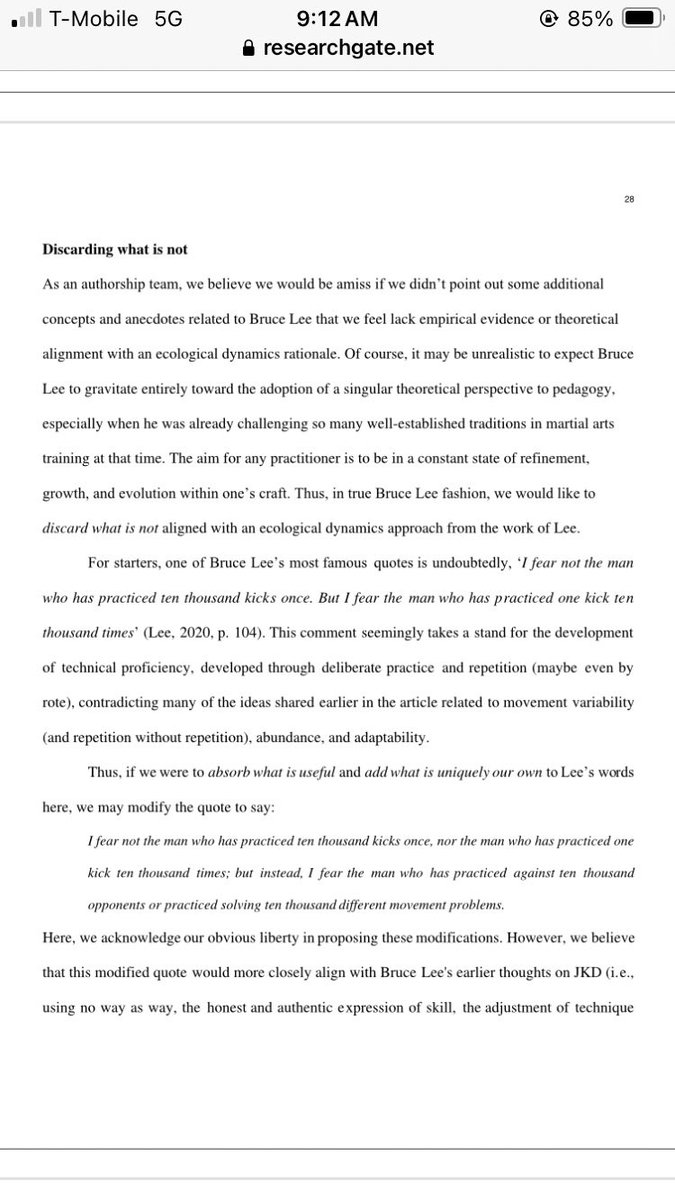
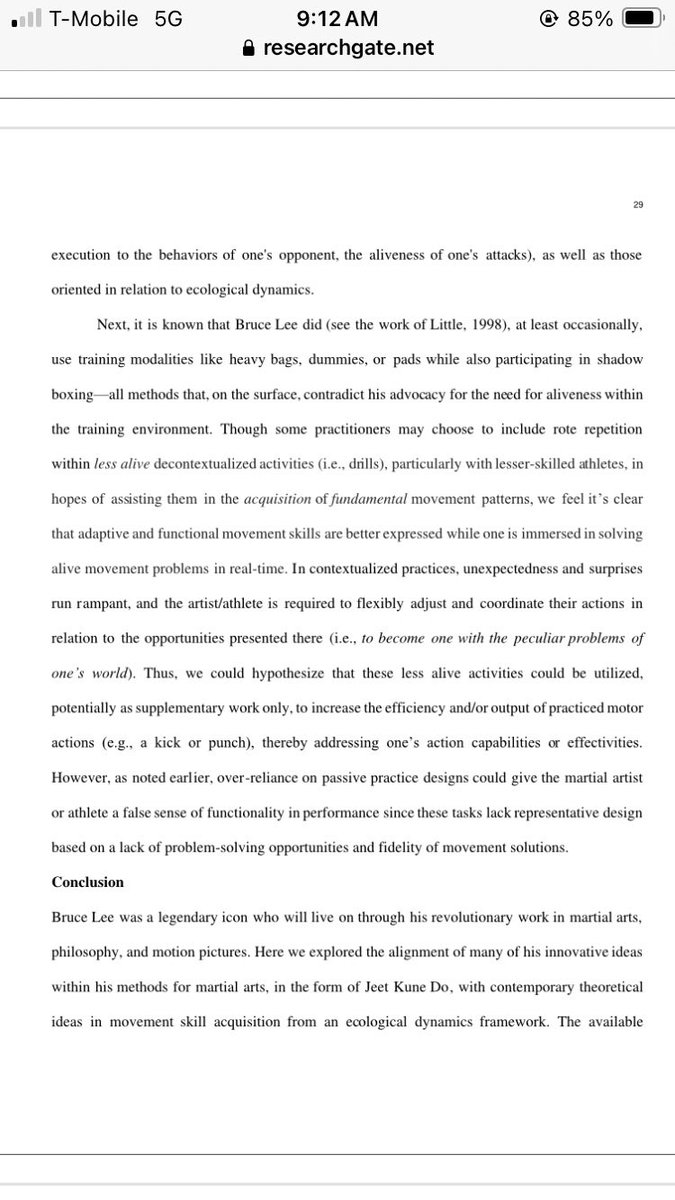
This is a fabulous video from @intrinzen that draws on a new paper by @MadhurMangalam that rips apart the notion of correct movement technique.
Must Watch!!
https://t.co/IZunE5Rw4K
@kearney_phil@david_l_mann@fab_otte I can only assume that the people at @incisivsport have responded to a request from a customer to put this in the software because that customer thinks this kind of training is valuable.
I doubt they would have built it otherwise - they are too well versed in skill aq literature
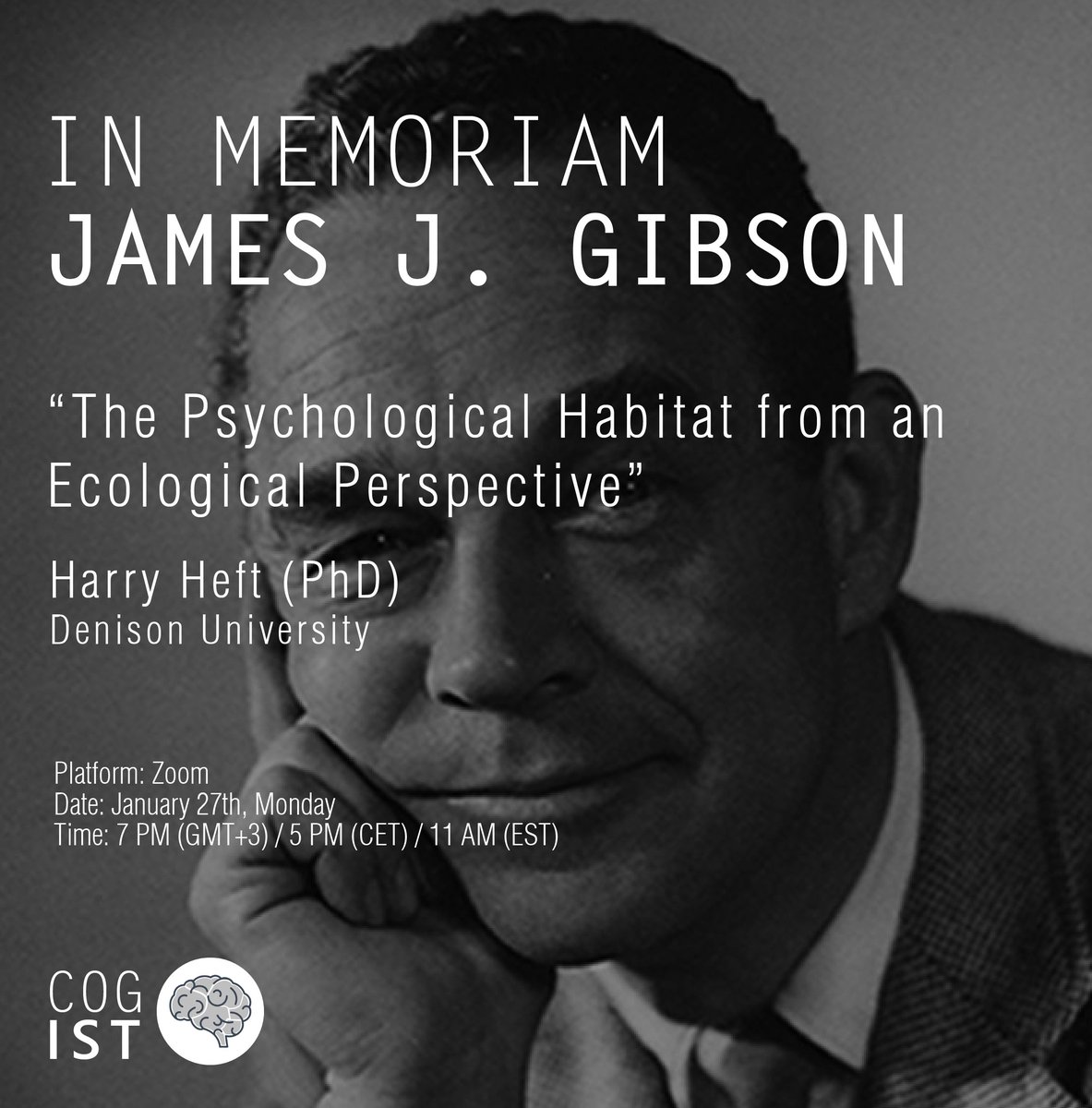
James J. Gibson was born on January 27, 1904 and made groundbreaking contributions to psychology during his 84-year life. Primarily working in perception and ecological psychology, Gibson revolutionized the field with his theory of affordances, which emphasized the direct perception of opportunities for action in an environment, rather than mediating internal processes like inferences or algorithms in mind/brain. His ecological approach to perception challenged mainstream views, emphasizing the relationship between an organism and its environment over isolated sensory inputs. Gibson’s influential works, including The Perception of the Visual World (1950) and The Ecological Approach to Visual Perception (1979), reshaped how psychologists and cognitive scientists understand perception and behavior. His legacy extends far beyond psychology, influencing disciplines such as design, robotics, and education. James J. Gibson passed away in 1979, and we will honor his life and impact on Monday, January 27th, with two talks—one in English and one in Turkish!
We will first host Harry Heft (PhD) from Denison University. Heft is one of the prominent figures in ecological psychology. His research has for the most part focused on how humans navigate their environment, particularly the environmental information used to learn paths and routes. Current studies aim to explore how this route knowledge can be used to develop a broader understanding of a place's overall configuration. He has also investigated the perception of affordances along with the development of children's navigational skills, environmental aesthetics, and the impact of home noise on cognitive development. His upcoming talk at CogIST is titled "The Psychological Habitat from an Ecological Perspective."
You can find the link to the registration form below in the replies!
And, FYI, there are some who are talking about how cognition may live & breathe within an ecological explanation as to how skillful movement behavior emerges in sport (see below & also read the work of Araujo, Reed, Turvey, various others).
Don't let some across the space tell you otherwise just b/c they want to push their narratives.
https://t.co/BJcyAIkfsj
Anyone is free to critique or challenge ideas within a paper all day long…
But don’t try to act as if someone said something they didn’t or portray them as attempting to deceive readers to fit a narrative. That, as I say in the pod w/Stu & Tyler, is bush league.