There is a 60% survival difference between woman with #BreastCancer living in high-income countries vs those living in low-and-middle income countries.
Global Breast Cancer Initiative is raising awareness, sharing knowledge, and advocating for stronger health systems to improve survival for all https://t.co/r2BH99xt9L
If you live in portions of the northern Gulf coast highlighted here, winds are forecast to be high enough to make further preparations for Isaias impossible by Friday. Do you have an evacuation plan? Is your home ready?
Prepare now. https://t.co/SqrQiDnUzK
REMEMBER: Antibiotics do not treat viral infections, like colds and flu
ALWAYS seek the advice of a qualified health care professional before taking antibiotics
765 people were trained in hands-only CPR at FunFest!
248 more people than last year, so thank you all for coming to learn and helping us beat last year's numbers!💙
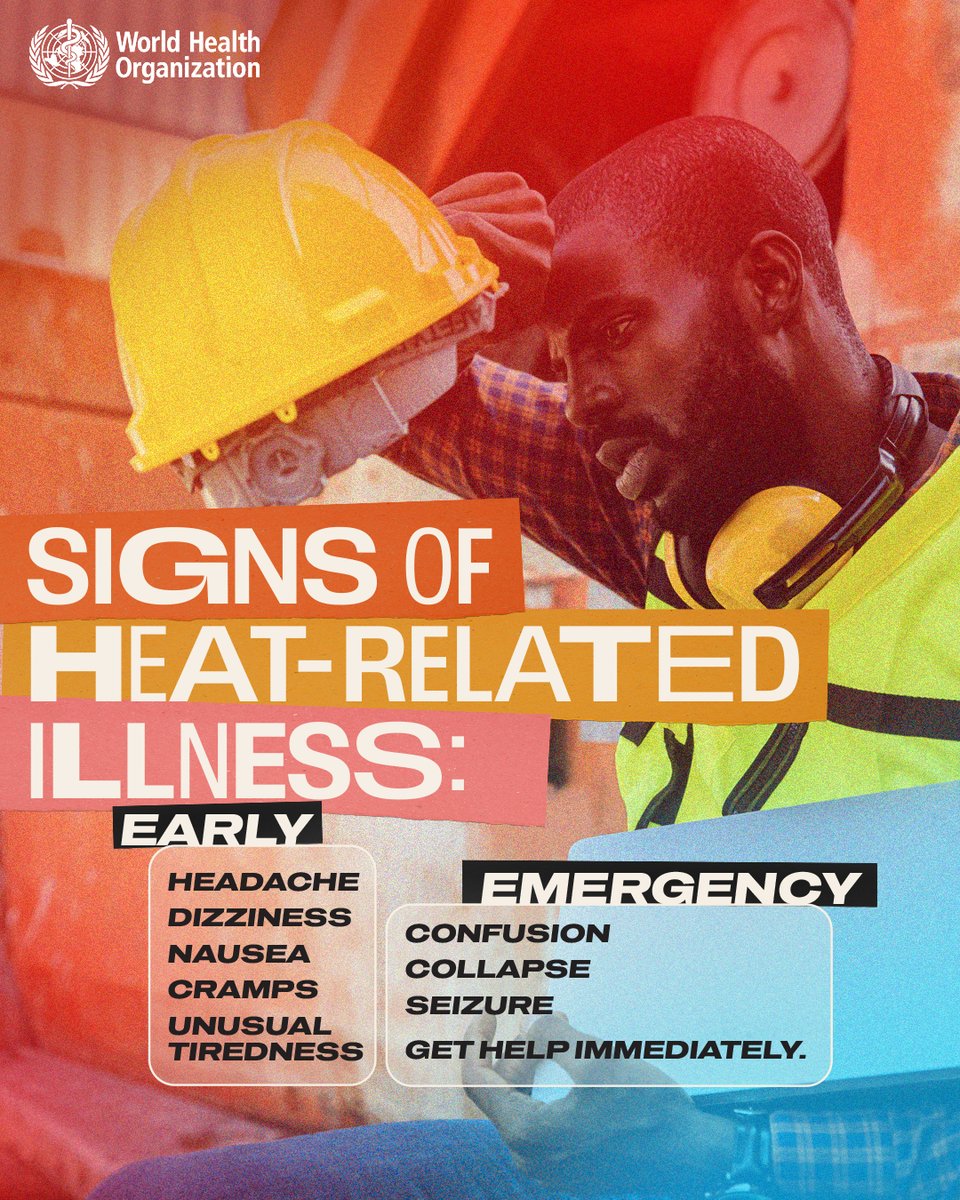
Heat can make people seriously ill. Knowing the signs saves lives.
⚠️Here’s what to watch out for:
Headache, dizziness, nausea, cramps, palpitations, excessive sweating or unusual tiredness.
Heat and air pollution together hit harder and for people with cardiovascular or respiratory conditions, the effects can be faster and more severe.
If you or someone you know starts to experience signs of heat stress:
❎ Slow down or stop activity, move to a cooling area, drink water. Seek help if your symptoms don’t improve.
🚨 Look for danger signs: severe headache, confusion, agitation, collapse, seizures, or not responding normally. This counts as a health emergency.
👀 If someone near you looks unwell, don’t leave them alone.
Move them to a cooling area immediately, and call for first aid or alert event staff.
🌡️ Check weather forecast and air quality levels.
Share to help more people recognize the signs https://t.co/ON15cp6fmO
#BeatTheHeat
🏟️ Protect health from heat at mass gatherings.
Major sporting, religious, and cultural events bring people together. But they can also increase the risk of heat-related illness due to:
☀️ Prolonged outdoor exposure
👨👩👧👦 Crowd density
🚱 Limited access to cooling areas, drinking water, toilets and hand hygiene facilities, and medical services at peak times
Event organizers can prepare.
✅ When risks rise and heat alerts go out, protective measures kick in immediately, such as providing additional drinking water, cooling areas, queue management, staffing, and clear public messaging.
WHO supports organizers, federations, and host governments to protect attendees, workers, and officials during extreme heat https://t.co/7ISFeesdfK
#BeatTheHeat
As of now, there are no confirmed Ebola cases in the United States, and the overall risk to the American public remains low. The outbreak in Central Africa is ongoing, and travelers from affected areas are being closely monitored.
Want more information? https://t.co/9FS8hY0PUt