We need to talk more about the design of kids’ apps, and that’s exactly what @Sharon_Horwood and I did on @ConversationEDU today. Here are the 3 main types of persuasive features we came across in our recent study of early childhood apps and relevant tips
https://t.co/0PMw9t7fgS
I can think of a few, like cutting off critical support and information resources and limiting opportunities for social connection and identity exploration - especially for vulnerable youth.
Still waiting to for any plans that might educate and empower youth and families online.
The conversation on a social media ban continued last week.
The Australian government has committed to a ban with an added option of exemptions for platforms that demonstrate ‘low risk of harm to children’. Find out more here:
https://t.co/3KTMdlrReR
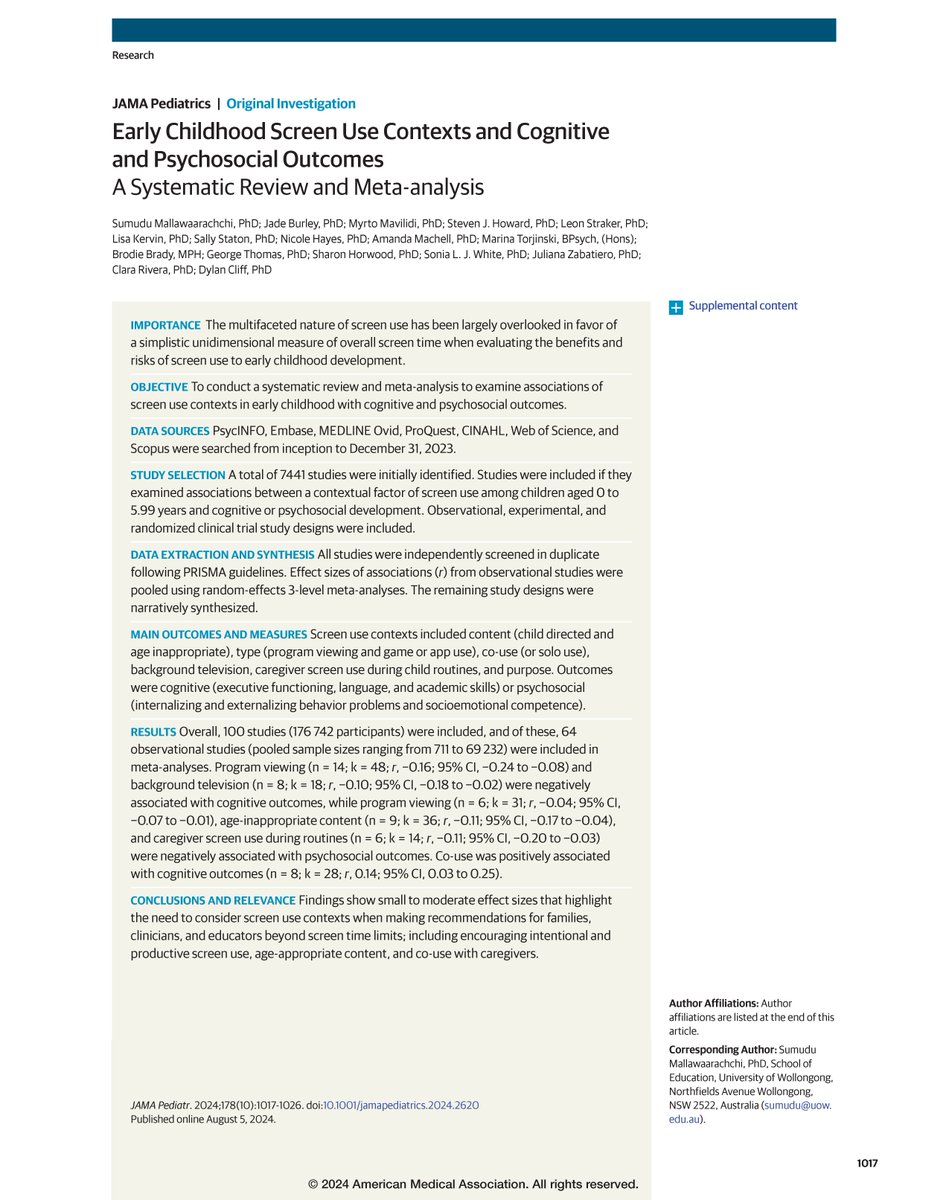
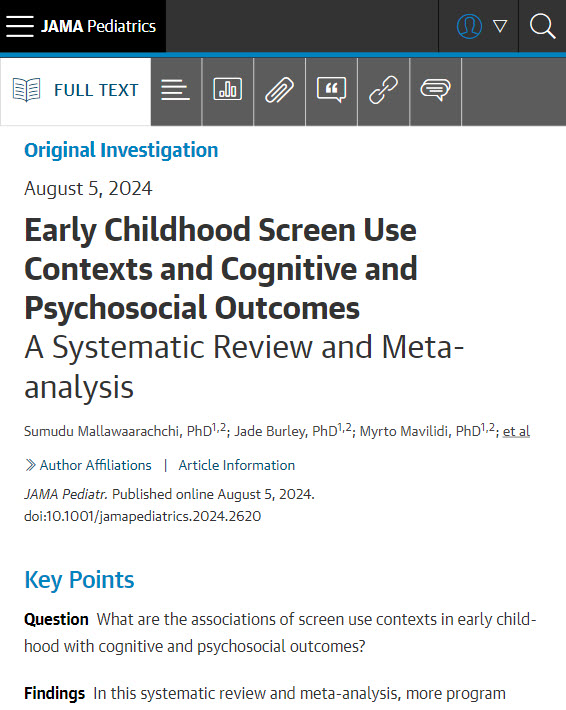
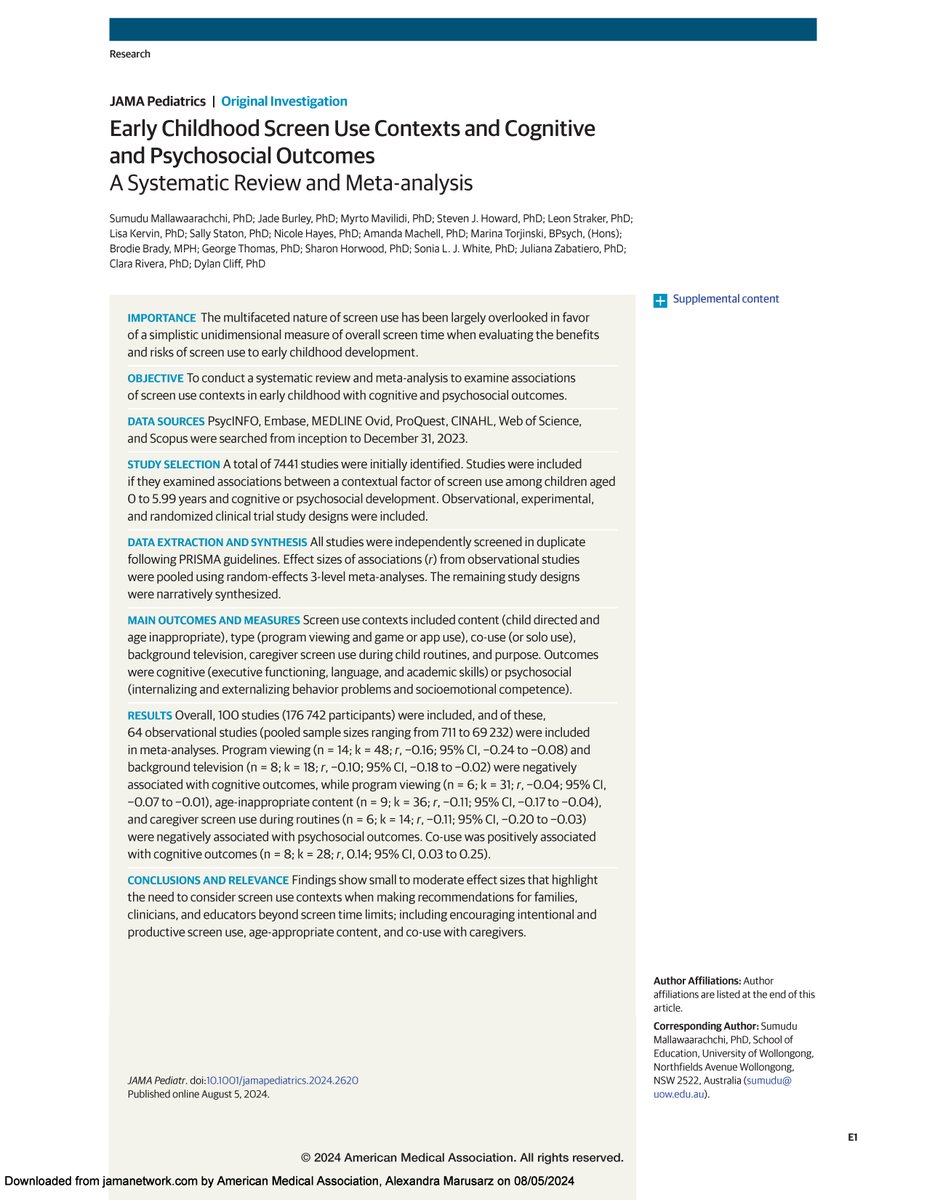
The results of this systematic review and meta-analysis suggest the importance of screen use contexts (type, content, co-use, background or caregiver use) for child cognitive and psychosocial outcomes, beyond total or overall screen time. @digitalchildau
https://t.co/VilJirZYR3
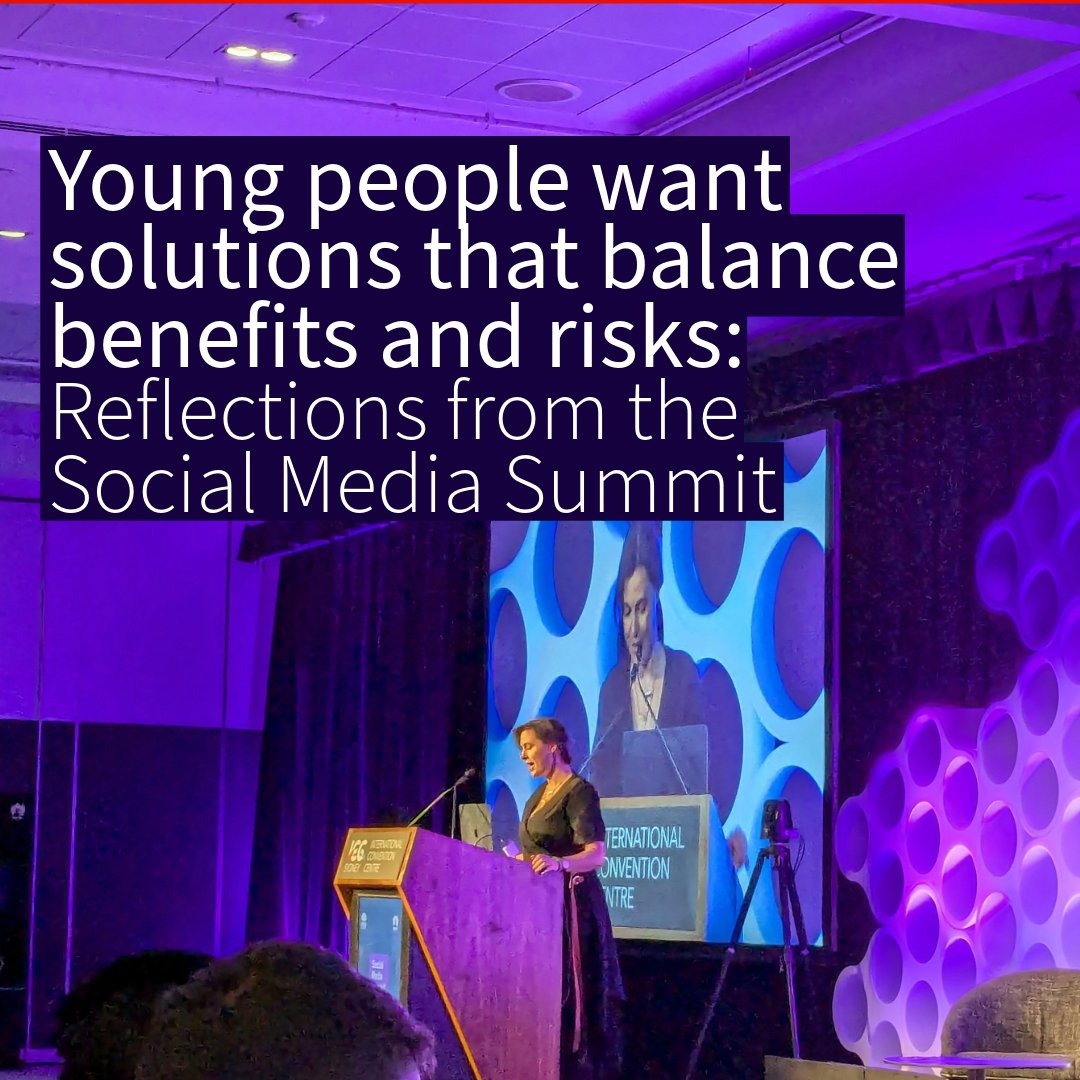
We're hearing a lot about a social media ban for children and teens. But is exclusion really the answer?
Here are some resources to help you navigate the conversation from our experts
https://t.co/11NMqDwn3l
#SocialMediaSummitNSWSA#socialmediaban#children#digitalchildren
🚸Persuasive design continues to sap the attention and control the decision-making of children!
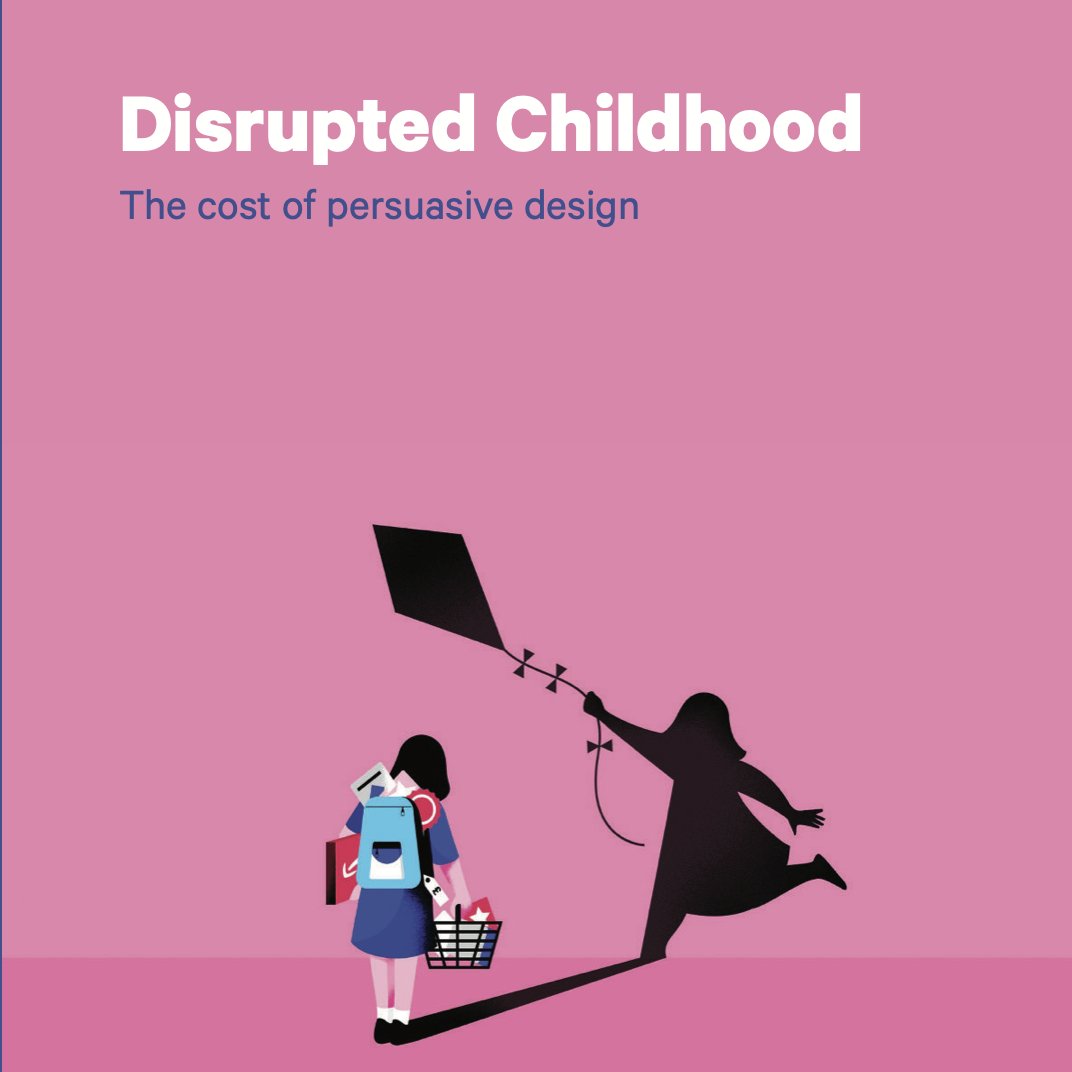
🎨Chris Zomer & @SumuduM3's important article calls for #SafetybyDesign, and references our game-changing and newly redesigned 'Disrupted Childhood' report:
https://t.co/yMv5lnCrX2
When it comes to screen time, parents and carers must navigate an emotionally charged landscape of conflicting advice and information.
Join our expert panel - Dr Billy Garvey, Derek McCormack and Fiona Holder - in Melbourne (or online!) on Oct 22
https://t.co/xPlnxThTTj
Ever found yourself unable to resist checking out a phone notification?
If so, you’re far from alone. Here's some common design tricks that are used to keep you engaged...
New from Chris Zomer and @SumuduM3
https://t.co/MMUgTvMzhP
From streaks to loot boxes, apps for kids are full of 'persuasive design' intended to keep users watching, playing and paying – whether it's good for them or not. @uow https://t.co/qT5hCWJMPR
New pub! This was an absurdly ambitious piece of work that nearly drowned me BUT it’s ended up saying some important things about research on digital tech use by families with very young children. 🧵https://t.co/mTrMYmGi7G
Most viewed in the last 7 days from @JAMAPediatrics:
What are the associations of screen use contexts in early childhood with cognitive and psychosocial outcomes?
https://t.co/FfqEk0HlJL
For more information, access:
📱A quick breakdown of our researchers' advice on children's screen use https://t.co/hIuaJdpL35
📰The journal article https://t.co/IY6Mkx5BCg
#screentime#screenuse#earlyyears
A paper has reviewed the evidence on how screen use in children under six can impact behaviour and cognitive outcomes. The researchers say while #screentime is important, it’s not the only factor.
@SumuduM3@dylancliff_uow@UOWEarlyStart@normanswan
https://t.co/bs6hfQwbC9
Many parents worry about screen use and their children. Research shows it helps if you watch with your kids and talk about the program @UOW https://t.co/WvaL6Vr0Jf
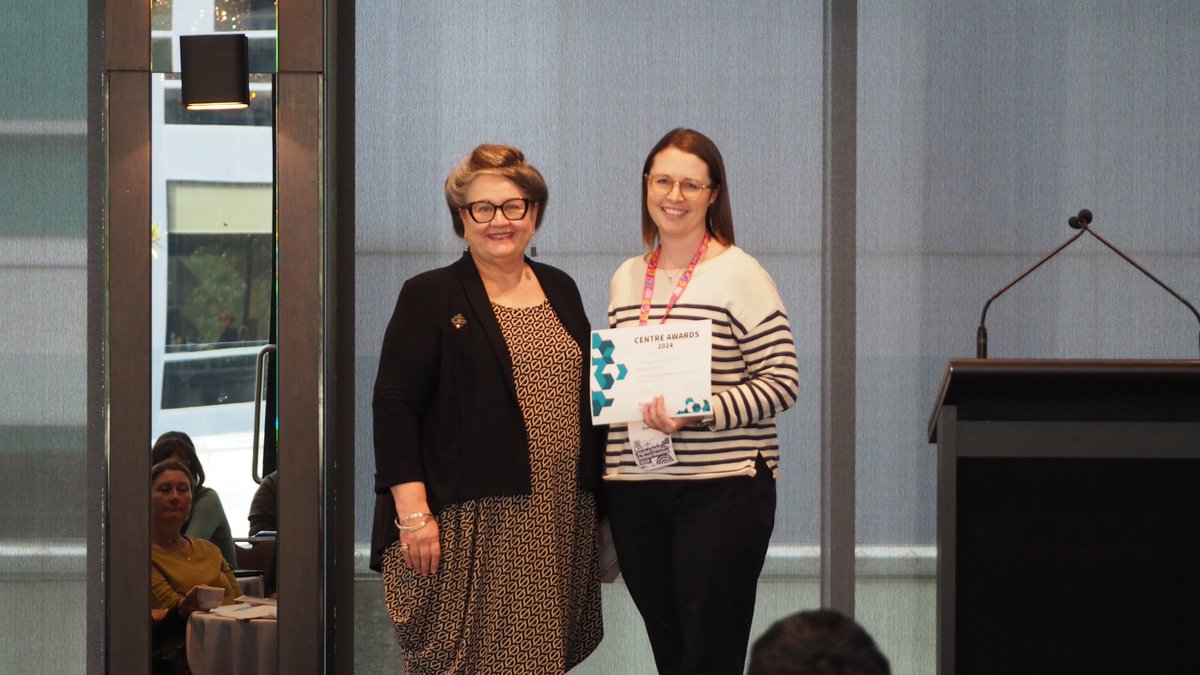
Congratulations to our 2024 Centre Award recipients!
⏱️Amanda Cipriani - People's Choice award for their 3MT presentation
🌟@SumuduM3 and @kimmaslin - Emerging Scholar Awards
The results of this systematic review and meta-analysis suggest the importance of screen use contexts (type, content, co-use, background or caregiver use) for child cognitive and psychosocial outcomes, beyond total or overall screen time. https://t.co/yQWunJxoWI @digitalchildau