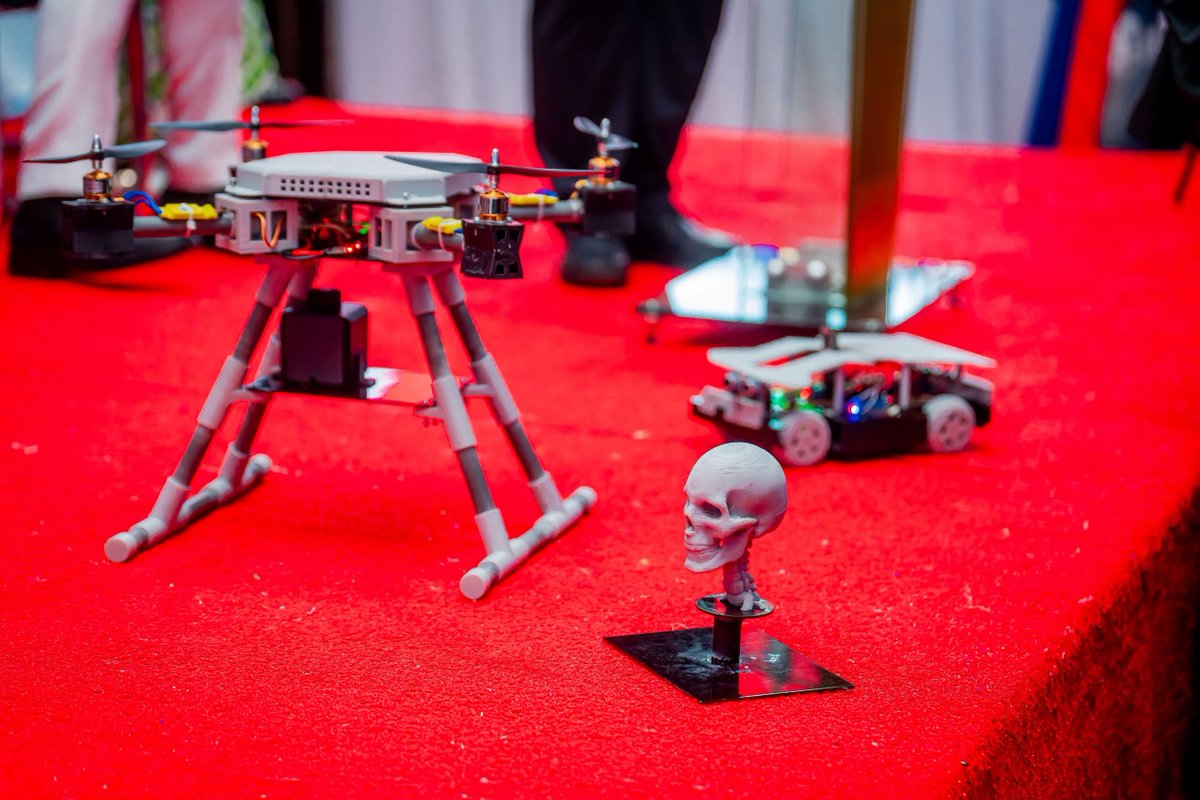
Yesterday, I had the honour of celebrating the graduation of 850 young innovators from TechRise Cohort 3. These brilliant minds have completed intensive ICT training and are now equipped to shape Abia’s digital future.
To encourage their excellent performance, I have:
* Approved automatic employment into the State Civil Service for the 19 best-graduating students.
* Directed that all 850 graduands receive ₦100,000 each.
* Gifted them the laptops used during training, now theirs to keep.
Beyond these, I have instructed our ministries to integrate TechRise talents into government ICT projects, ensuring their skills directly improve public service delivery. A special salary structure for ICT professionals in the civil service will also be introduced.
I urge our graduands to remain committed to continuous learning. The greatest reward of the programme is the knowledge and skills they now possess. Use them to build businesses, create innovations, and uplift society—not for harmful purposes.
I am particularly proud of the team that developed a functional drone. We will support them in moving this innovation from concept to commercial reality.
Finally, we are working to establish international-standard ICT certification centres in Abia and expand internet access across the state in partnership with MTN.
I extend my heartfelt congratulations to our graduands, once again. You are the true architects of our collective future.
Nigerian President Bola Tinubu (@officialABAT) was employed as Treasurer of Mobil Oil Nigeria Ltd. when, according to @TheJusticeDept@FBI@DEAHq records, he was alleged to have been connected to a criminal organization involved in smuggling heroin from #Nigeria into the United States.
Mobil later became part of the corporate lineage of what is today @exxonmobil. Funds associated with Tinubu were seized as proceeds of drug trafficking by the DOJ, but strangely, Tinubu was allowed to leave the United States without being criminally charged.
As Nigeria's President, #Tinubu’s government has maintained significant relations with ExxonMobil, including direct engagement with the company and major policy, regulatory, and investment decisions affecting its Nigerian operations. Reports show that ExxonMobil has benefited tremendously under President Tinubu through major state reforms:
The Fuel Subsidy Removal: The elimination of the multi-trillion-naira fuel subsidy freed up national revenues that allowed Nigeria to pay its obligations and joint-venture cash calls to major international oil operators like ExxonMobil.
The $1.28 Billion Seplat Approval: President #Tinubu's administration broke a long-standing regulatory deadlock by officially greenlighting ExxonMobil’s asset divestment to Seplat Energy, clearing the firm's capital path out of older shallow-water assets.
Deepwater Tax Breaks: President #Tinubu introduced massive tax credits—up to $11.50 per barrel—enabling ExxonMobil to shift its full operational weight toward more profitable, export-heavy offshore projects.
Production Pledges: Following direct meetings with the presidency, ExxonMobil has reinvested in local operations to bring an additional 40,000 barrels per day (bpd) into the Nigerian crude stream.
Disclaimer: The information above is presented for public-interest, research, and commentary purposes. References to President Bola #Tinubu and historical drug-trafficking allegations concern allegations and matters reflected in U.S. government and court records. Nothing in this post should be interpreted as asserting that ExxonMobil participated in, had knowledge of, or was connected to any alleged criminal activity. The references to actions benefiting ExxonMobil are not intended to allege a quid pro quo or unlawful conduct by ExxonMobil.
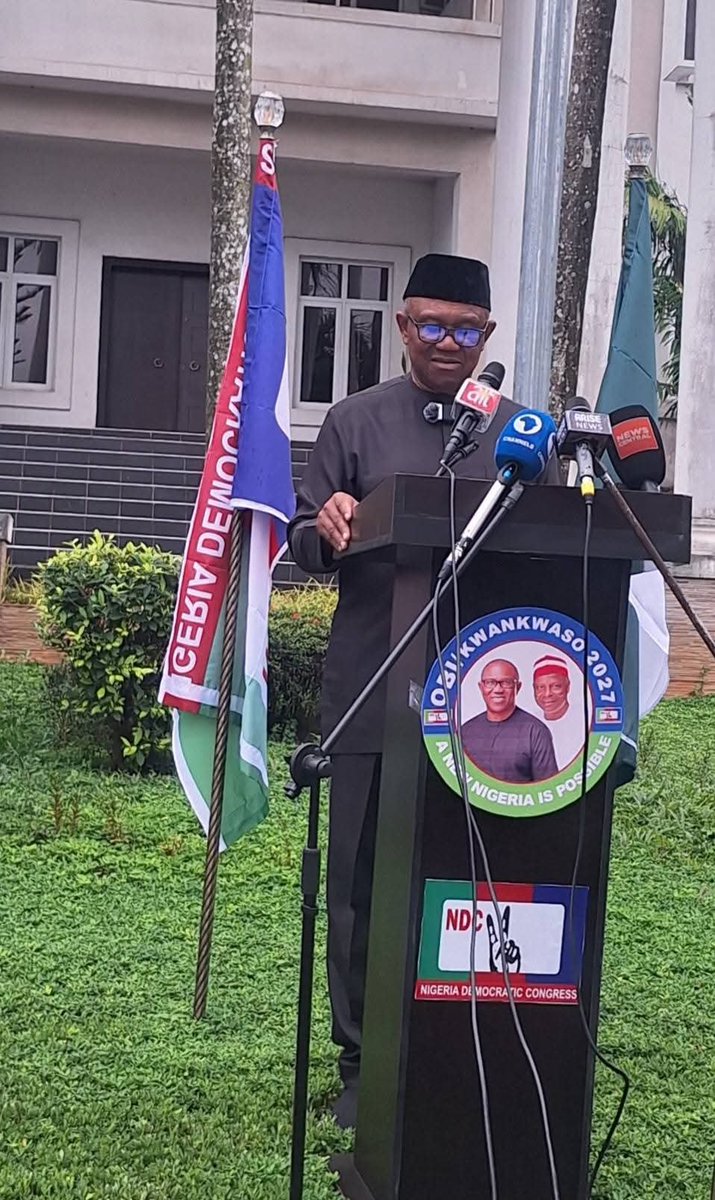
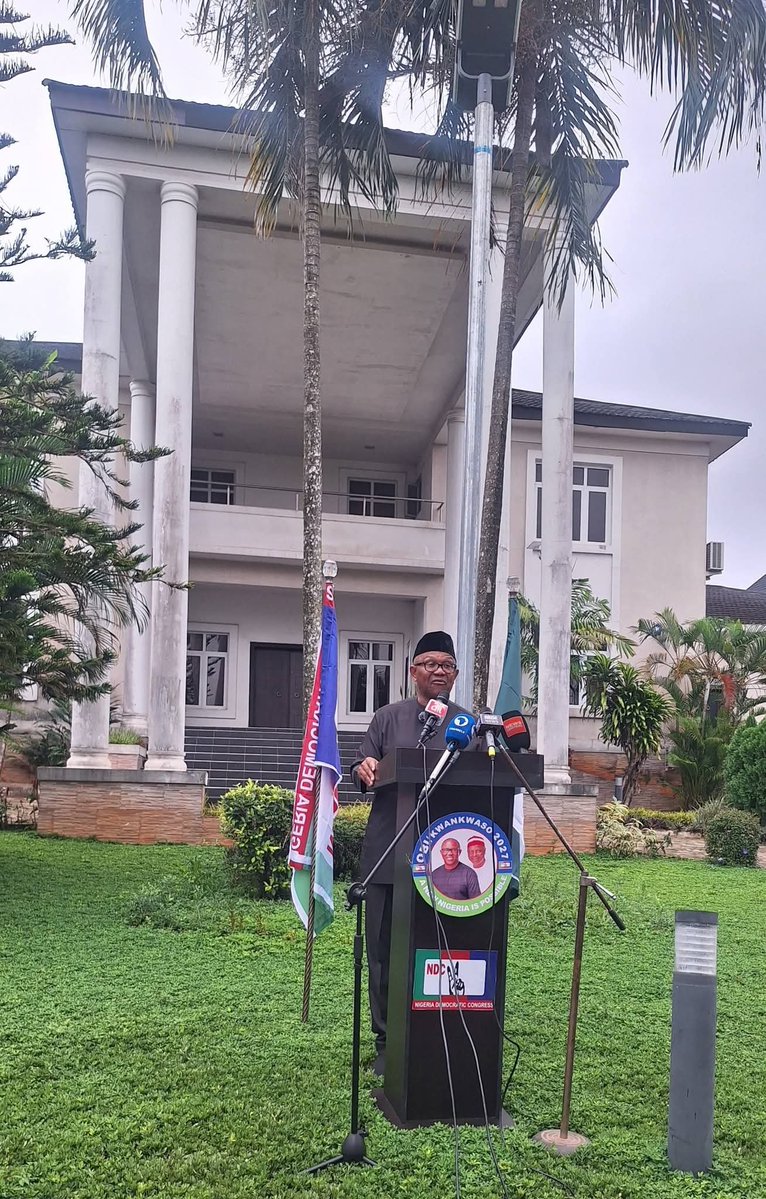
MY ADDRESS TO MARK THE COMMENCEMENT OF THE 2027 PRESIDENTIAL AND NATIONAL ASSEMBLY CAMPAIGNS
21 August 2026
Dear Compatriots,
Members of the Press,
Distinguished ladies and gentlemen,
Wednesday, 19 August 2026, marked the official start of the campaign period for the 2027 Presidential and National Assembly elections.
There is no doubt that this is a defining moment for our democracy. This moment gives Nigerians the opportunity to assess the records, ideas, and plans of those seeking their mandate to lead their country at a time of grave uncertainty in our rapidly changing world.
I consider myself quite privileged to be one of those seeking your mandate to deal with these challenges facing our country.
I enter this contest with one firm conviction: Nigeria can work, and Nigeria must work.
Nigeria faces several serious challenges. Some of them are indeed of existential proportions.
According to the IMF, 63%, or over 140 million Nigerians, live at or below the national poverty line, while humanitarian agencies estimate that 35 million people will need food assistance during the 2026 lean season. About 3.6 million Nigerians remain internally displaced, largely because of conflict and insecurity. Each year, millions of young people enter the labour market, yet too many struggle to find productive opportunities. Weak infrastructure, unreliable power, insecurity, and the excessive cost of doing business continue to burden households and constrain enterprise.
These are more than statistics. They reflect the daily realities of Nigerian families, farmers, workers, students, and businesses.
Yet I do not believe Nigeria lacks the ability to overcome these challenges. We have the people, resources, market, talent, and enterprise. What we must do now is turn these strengths into security, productivity, and shared prosperity.
LEADERSHIP MUST DELIVER RESULTS
My successful private-sector experience, studies in institutions of repute on policy and business matters, and my service as Governor of Anambra State have shaped my understanding of public leadership. Government must manage resources responsibly, set clear priorities, and measure the outcomes of its decisions. Public office is not a reward; it is a responsibility to the people.
In Anambra, I prioritised the foundations of long-term development: education, healthcare, infrastructure, fiscal discipline, and institutional capacity. I do not present that record as perfect, but as an experience from which Nigerians can draw their own conclusions.
Senator Rabiu Musa Kwankwaso brings a different but complementary governing experience.
As Governor of Kano State, he focused strongly on education, technical training, scholarships, infrastructure, and human-capital development. His administration’s investments in education and skills showed an understanding that the people are a state’s most important long-term resource.
Our experiences are different, but our conclusion is the same: Nigeria must invest in its people and manage public resources with discipline.
BUILDING AN ECONOMY THAT WORKS
Nigeria needs more than reactive reforms. We must focus on the questions that matter:
Are Nigerians better off than they were four years ago? Can they afford food, education, and healthcare? Can businesses produce, expand, and create jobs? Can young people find productive work? Can farmers work safely and get their produce to market?