📢 Introducing Our Speakers
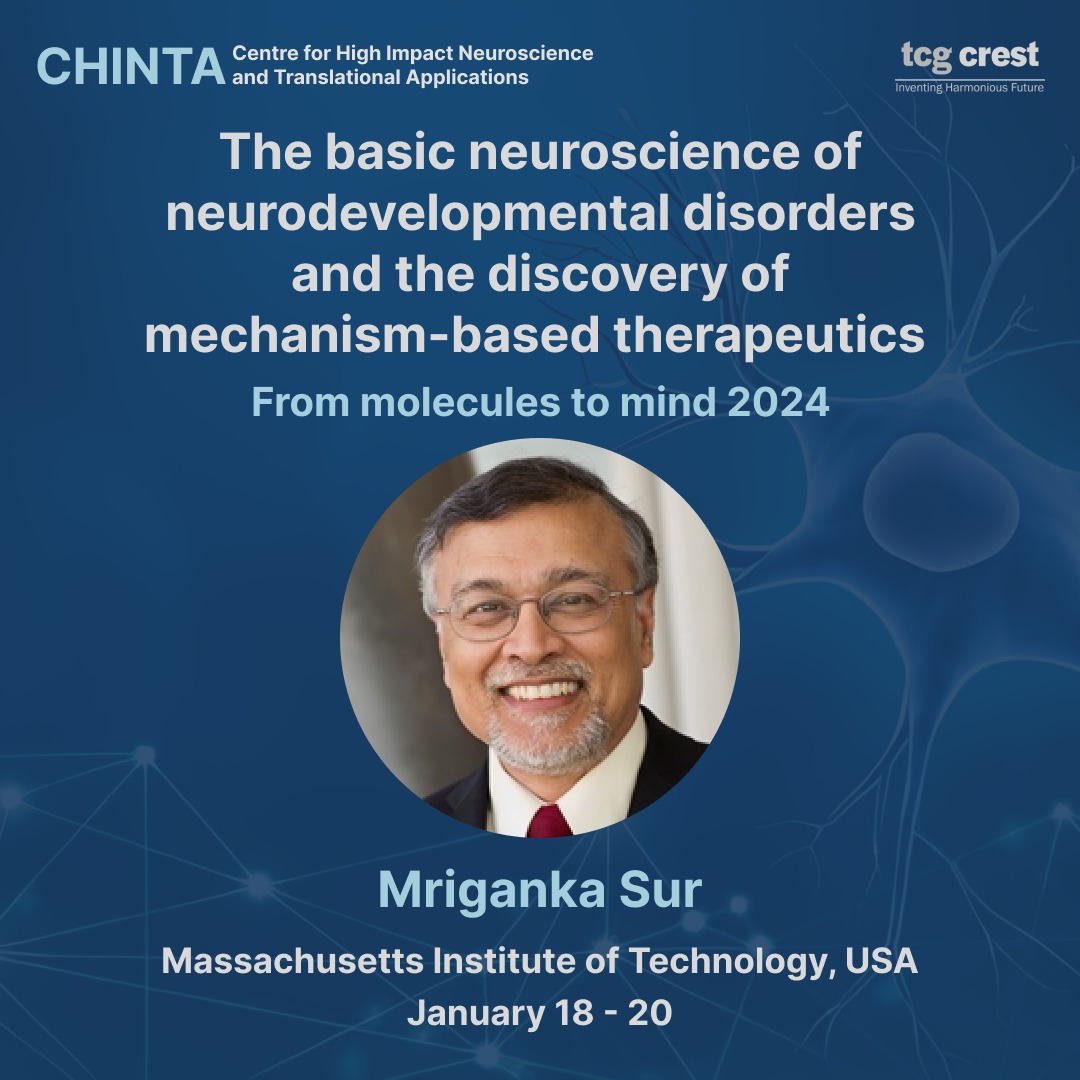
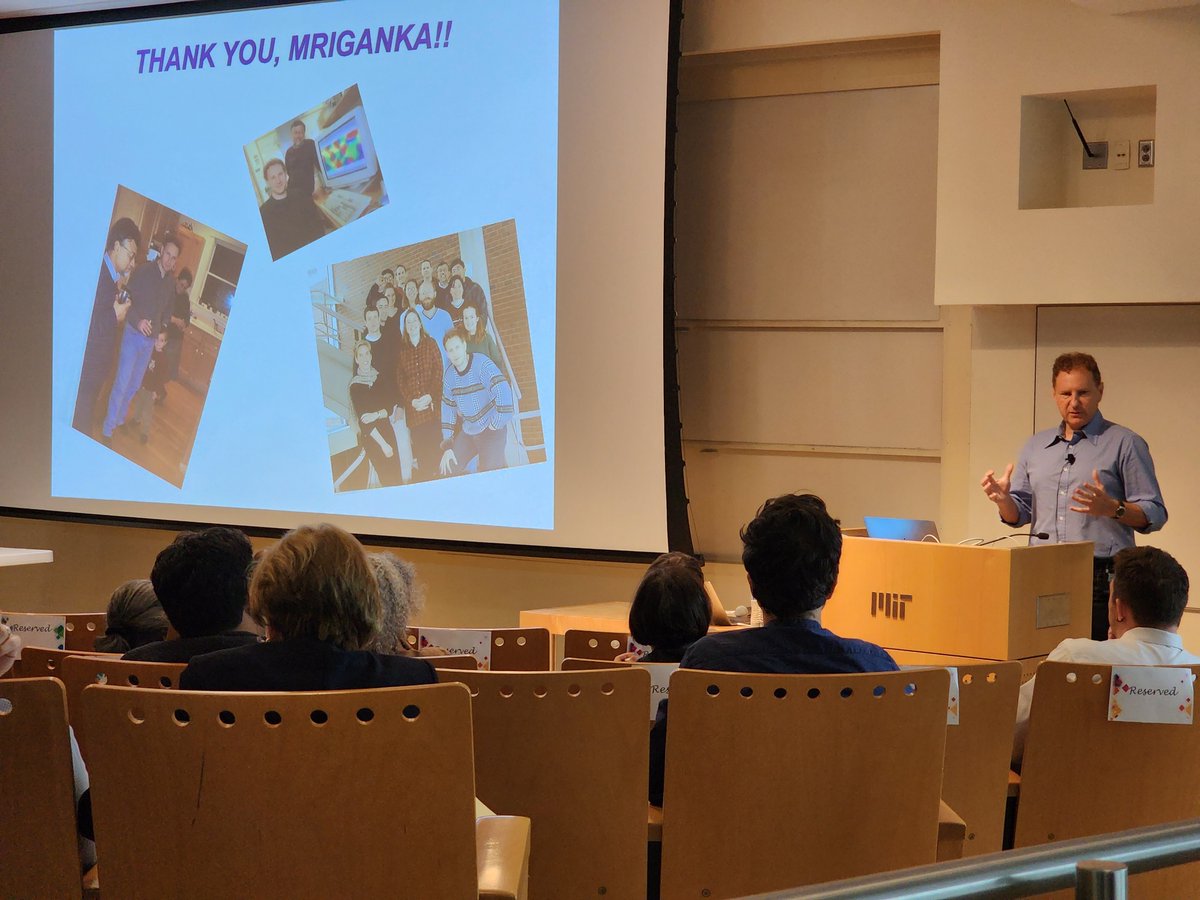
We’re excited to hear from Prof. Mriganka Sur, @MIT, on the subject, ‘The basic neuroscience of neurodevelopmental disorders and the discovery of mechanism-based therapeutics’ at #Frommoleculestomind.
#neurotwitter
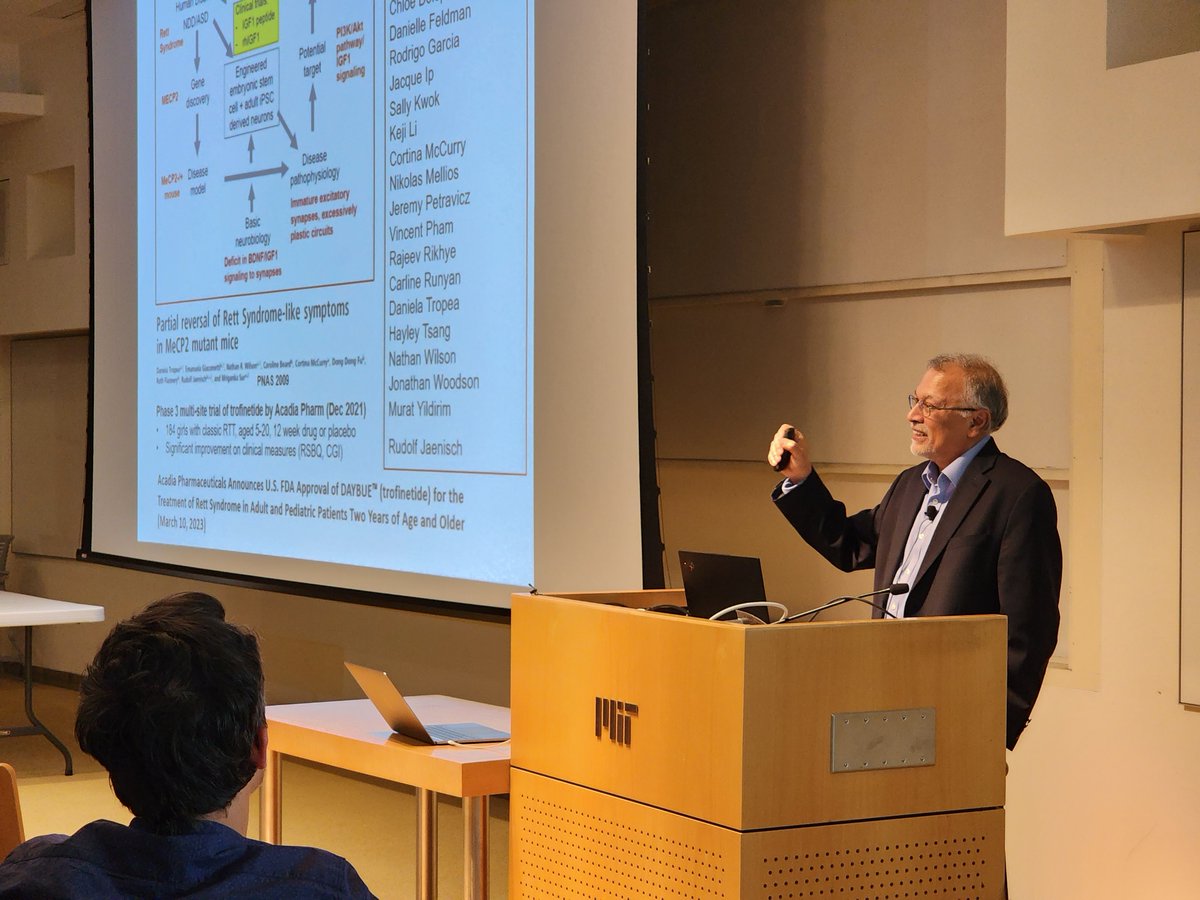
Today's FDA approval of #Trofinetide could bring new, much needed hope to many with #Rettsyndrome and their families. In 2009 @SurLabMIT made the first preclinical showing that IGF-1 could have therapeutic potential. https://t.co/BbPstqBZEp @mit@mitscience@mitbrainandcog
The brain uses basic calculus to quickly halt fast movements — a surprisingly clever way to control behaviors that need to be more precise than the commands from the brain can be. @KSHartnett reports: https://t.co/h3APqQGKyw
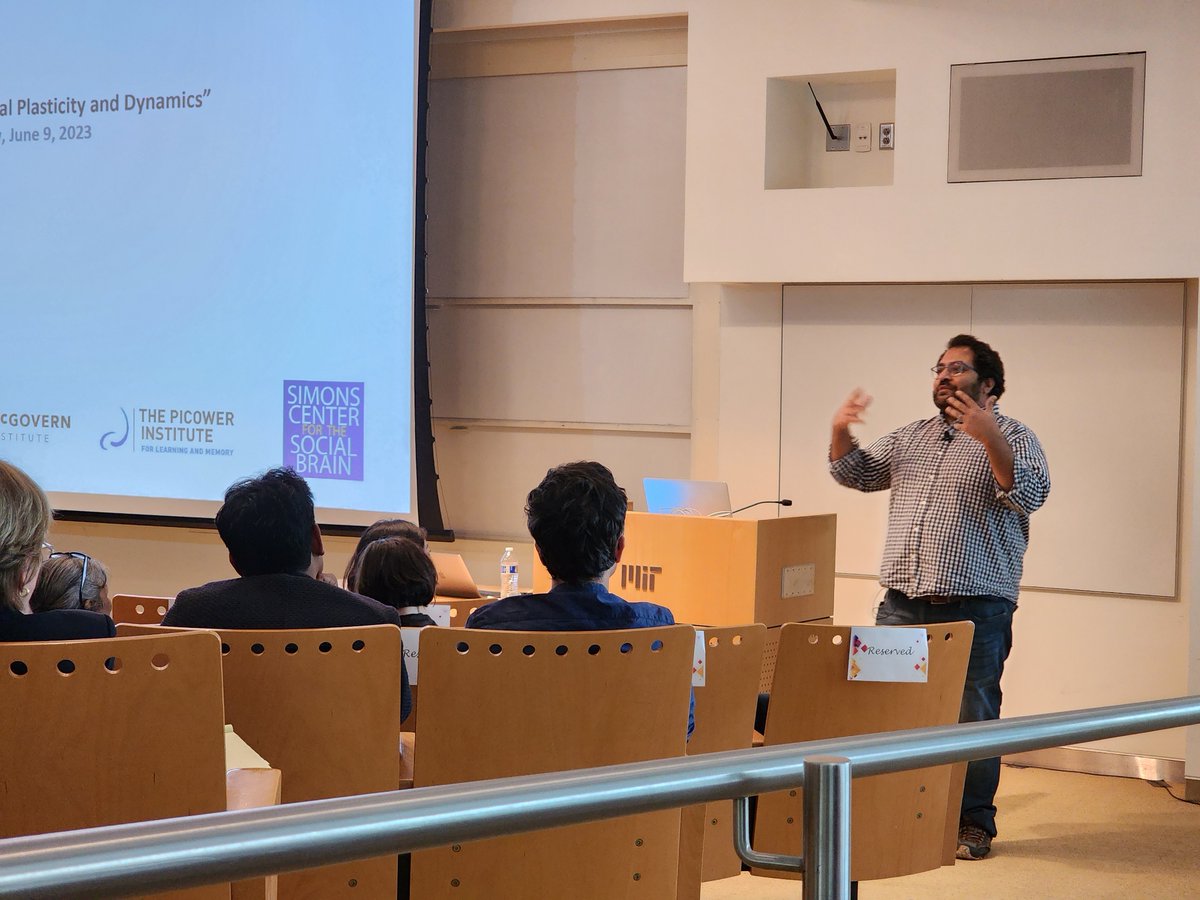
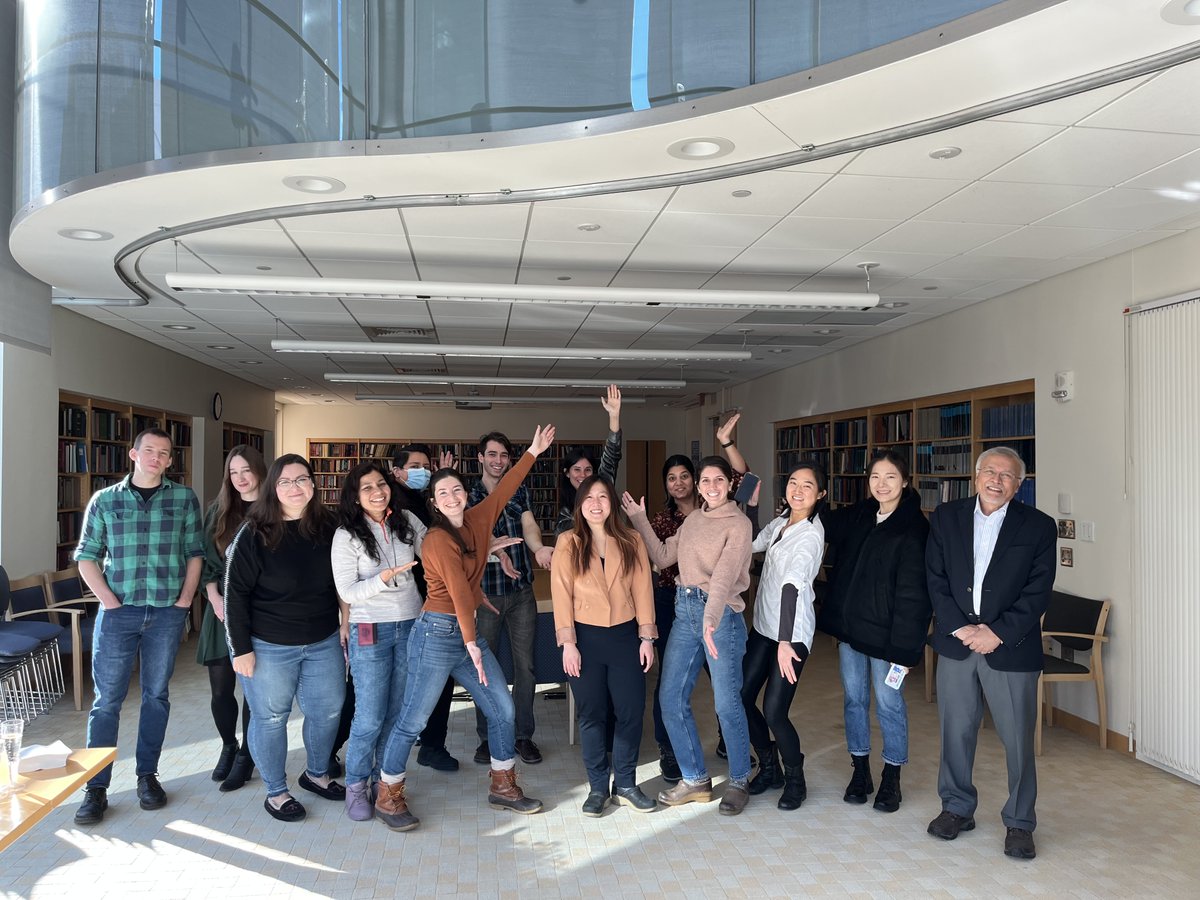
The Sur Lab is pleased to be celebrating the Picower Institute for Learning and Memory's 20th anniversary! Many thanks to all involved for an outstanding symposium
@MIT_Picower https://t.co/6FF17U7tOz
New in @eLife: In organoids modeling Rett syndrome, MIT researchers used an advanced form of three-photon microscopy to observe that newborn neurons struggle to migrate properly. https://t.co/nsUk7FvjU7 #neurosciencd@ScienceMIT#rettsyndrome
Running to catch the bus? The brain is wired for the rapid calculus needed to bring you to a halt right at the doors before they close, a new @SurLabMIT study in @CellReports suggests. https://t.co/WZ40XzS6U5 #neuroscience@mitbrainandcog@ScienceMIT
Out in @Nature today, our latest effort at understanding norepinephrine spatiotemporal dynamics during learned behavior. Work done with @gabidrummond24 while I was transitioning from the @surlabmit to my new position @CERVO. https://t.co/vG9sPH3kIt Thread (1/9):