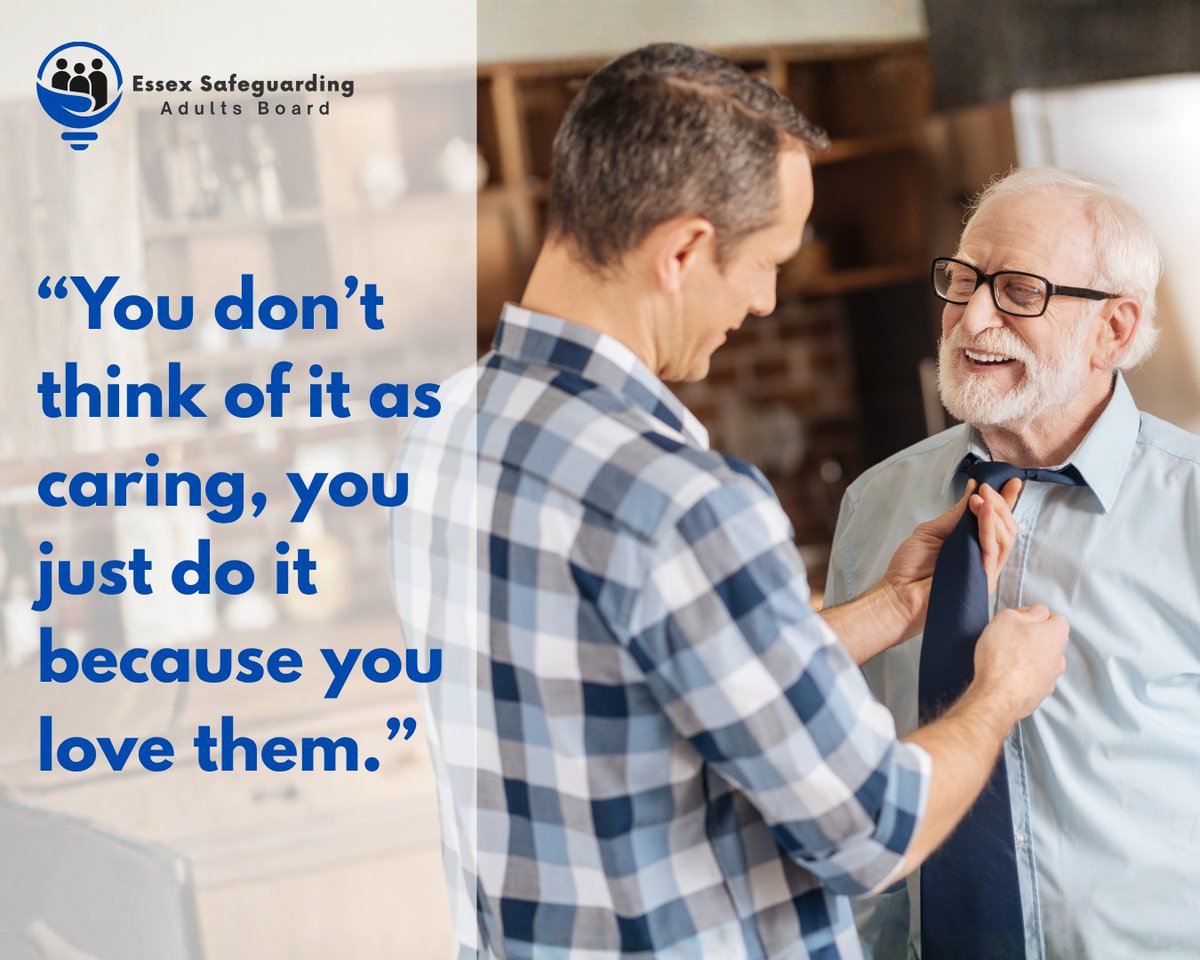
Muriel navigates caring full-time for her husband Harry*, who lives with Alzheimer’s disease, with little support and a big impact on her quality of life.
Read their full story 👉 https://t.co/HyfFu5h8tP
* Names and images have been changed
This week is Carer's Week and we want to hear from you. Hearing about your experience let’s us know what we are doing well and what we could improve on.
If you are supporting a person who is using our services and have had a recent experience please tell us how we did.
Our next webinar, on Wednesday 17th June 2026 at 12.30-1.30pm, will share emerging evidence from three research projects currently underway by the Working With Dementia Network Plus Research Team exploring #dementia and employment.
Sign-up here: https://t.co/jBlRcyuOgk
Safeguarding Adults Review (SAR) 'Stephen' publication
CSAB have just published the 'Stephen' SAR overview report on their website.
A SAR takes place where an adult with needs for care and support died or experienced abuse or neglect, and there are concerns about how agencies worked together to protect them.
You can find further information, including the link to the report and learning event for practitioners in the briefing: https://t.co/co6vYlRZZH
We're launching our first-ever Five Year Carer Strategy during #CarersWeek
Developed with carers, partners and colleagues, it sets out our commitments to improve carers' experiences and strengthen support across our services.
More: https://t.co/lM7BNXKNXB
On average, it takes 2 years to recognise you’re a carer. Many see it as just helping a loved one. If you support someone who couldn’t manage without you, you’re a carer. Recognising this helps you access support along the way. Find help: https://t.co/rDnZdImC8I #CarersWeek
We'd like to say a huge thank you to Baroness Ritchie of Downpatrick for her important speech last week on Parkinson's care and the Government's NHS modernisation plans, including improved integration of patient records.
@UKParliament
This week, we’ll be talking all things MS and diagnosis. 🔍
MRI plays a vital role in how we diagnose and monitor MS. In fact, over 90% of people have their MS diagnosis confirmed by MRI.
Read 7 things to know about MS and MRI:
https://t.co/CfiXMOA470
Spot the signs! ⚠️ With the warmer temperatures continuing into this week, it's important to know the symptoms and what to do if you're affected by heat exhaustion or heat stroke. 🌡️
Save this and share with those who may need it.
@metoffice
Join us for our next Fearless information session on Wednesday 8 July, 10:00–11:30am.
If you work with or support young people, this session is for you.
Spaces are limited, so grab your spot now:
https://t.co/HMCm9Pgiof
This Dementia Action Week, if you’re living with dementia or supporting someone, take a moment to watch our video about the Herbert Protocol. It helps police find someone quickly if they go missing. Download the form and get more info on @EssexPoliceUK website.
#DementiaAwareness
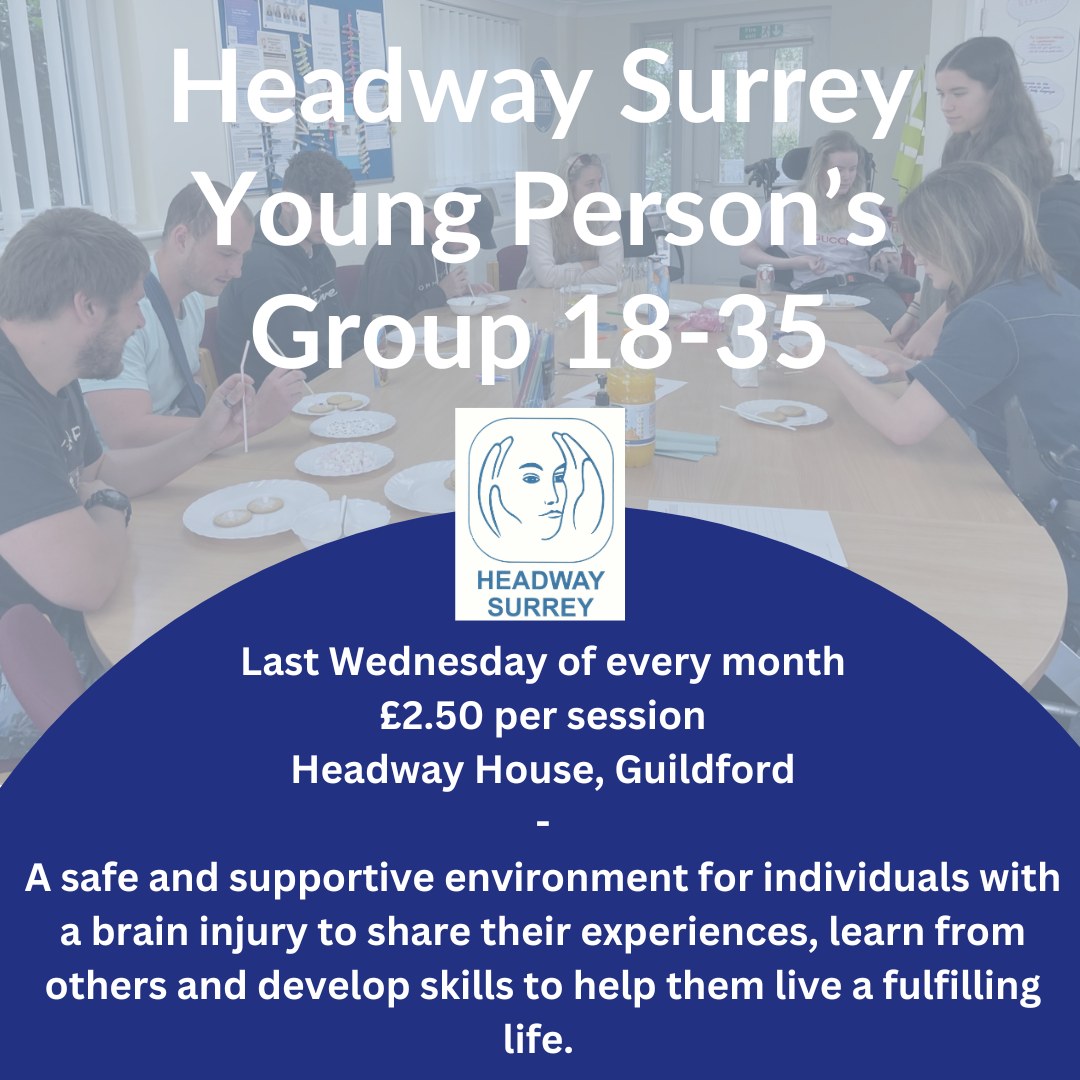
Join @HeadwaySurrey for their Young persons group where they support individuals with a brain injury ✨
📍Headway house, Surrey
📅Last Wednesday of the month at 10.30am to 12.30pm
#BrainInjury#Support#DevelopSkills
Find more details here 👇
https://t.co/4h5ZvVoK7X
Today marks day 2 of Action for Brain Injury Week. In support of @HeadwayUk 'We See You' campaign, Exchange Chambers would like to shed light on some findings from the recent study. To learn more, or to access support, please visit: https://t.co/EY94fbp8vt #WeSeeYou#ABIWeek
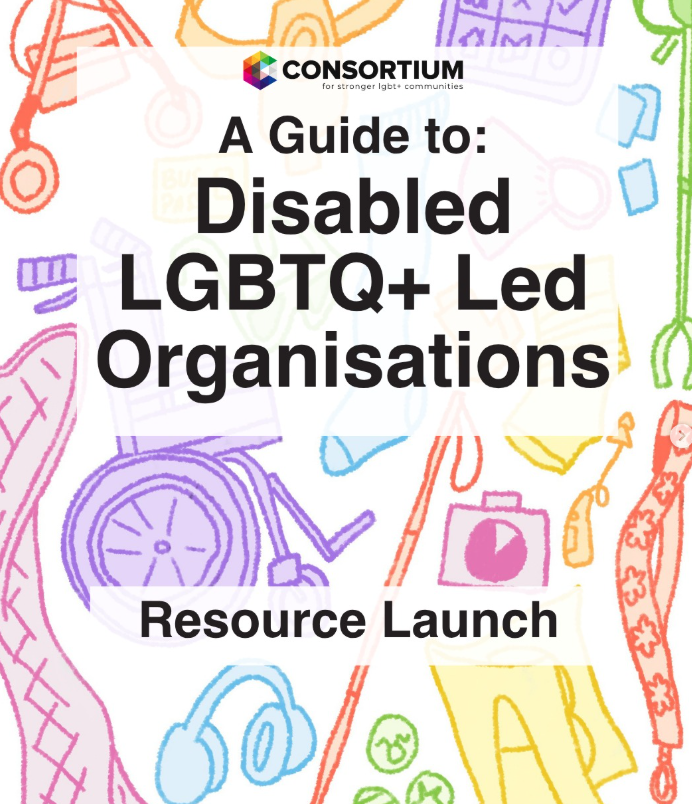
🚨Resource launch! From @LGBTConsortium
A guide to LGBT+ Disabled-led organisations, containing a list of LGBT+ disabled led organisations, groups and projects as well as accessibility checklists for planning events or sourcing venues.
Read it here 👇
https://t.co/QbENDKtGMu
This week is ME Awareness Week (11th - 17th May 2026).
ME/CFS is a complex and debilitating disease that significantly impacts the lives of affected individuals.
Read more about the symptoms and impact of ME/CFS: https://t.co/CWAQktIS58
It’s #HoardingAwarenessWeek.
Hoarding can pose as a serious fire hazard.
If you're worried that someone you know may be affected by hoarding, we can help. Use the online home safety checker to request a safe and well visit: https://t.co/gxGYZqCySU 🏠
This #HoardingAwarenessWeek, Mandi shares her own experience.
👉 Read her story here: https://t.co/QFT5oknpqs, where you'll also find top fire safety tips and ways to book a safe and well visit with us too.
May is Borderline Personality Disorder Awareness Month and we’re sharing a new FAQ video about our Service User Network (SUN). The video explains what SUN groups are, who they are for, and how they can support people. Find out more:https://t.co/LvLiiI5H6p
https://t.co/sMlLyKXYHC
Did you know that dementia can affect how people use British Sign Language?
Many people living with dementia experience issues with communication. But not everyone knows what signs to look for when the person experiencing these symptoms uses BSL.
It might look like struggling to find the right signs - we all do this sometimes, but with dementia a person can struggle to find even common, everyday signs.
It might also look like use of signing space shrinking, or you might notice that the production of their signs seems less clear and more vague.
Another possible change is the use of 'old signs' from childhood that they might have learned at school, or using original signs or old regional variation signs from their home country or city.
They might also go back to using more lip reading or oral speech and less signing because during their childhood they were taught to speak rather than sign.
If you’re worried about dementia symptoms in yourself or someone else, you can call our Dementia Support Line via SignVideo, which links the user up with a BSL/English interpreter who can live translate the conversation with one of our Dementia Advisers.
And please share this post to raise awareness and help everyone affected by dementia get the support they deserve.
#DeafAwarenessWeek