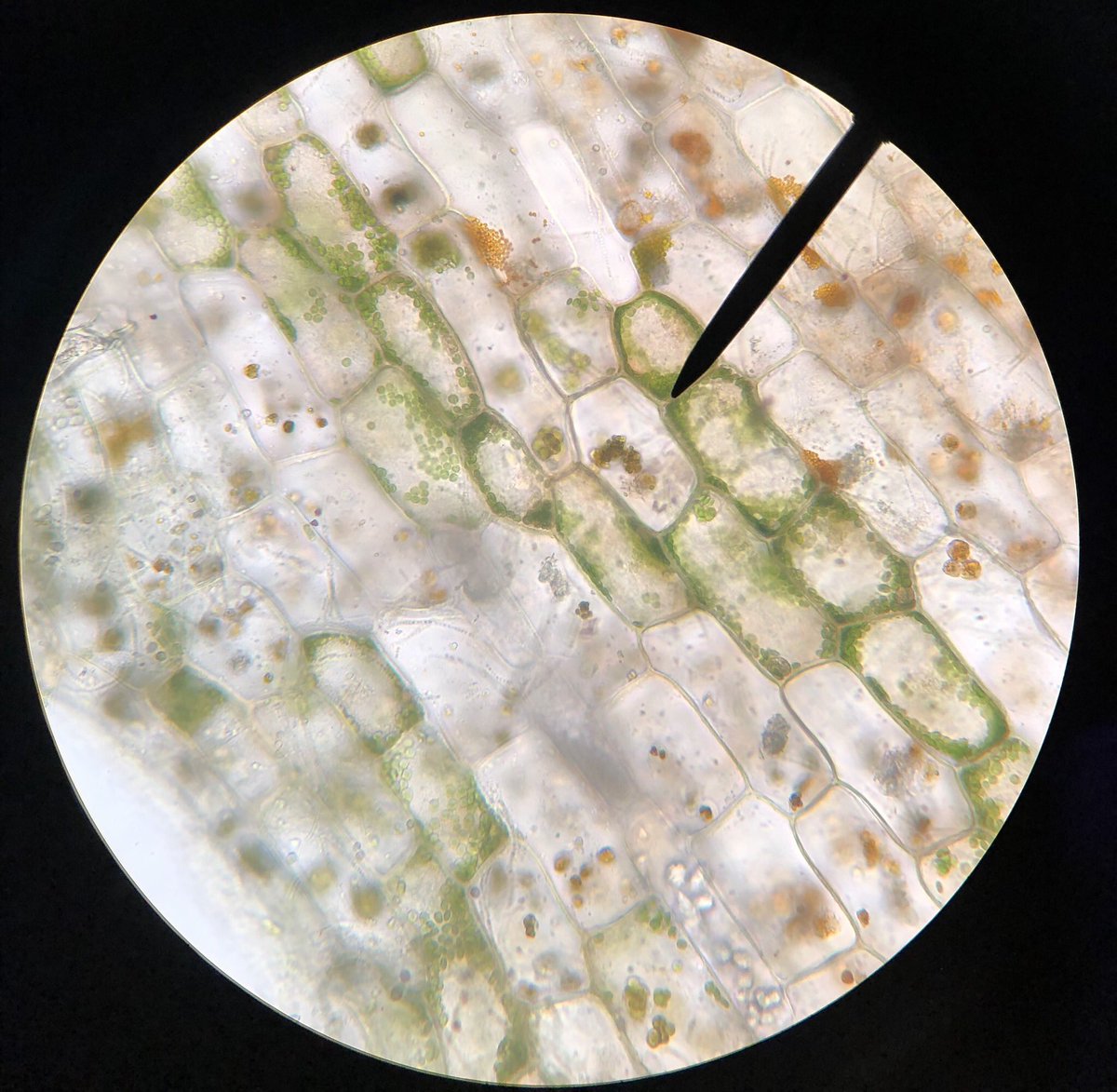
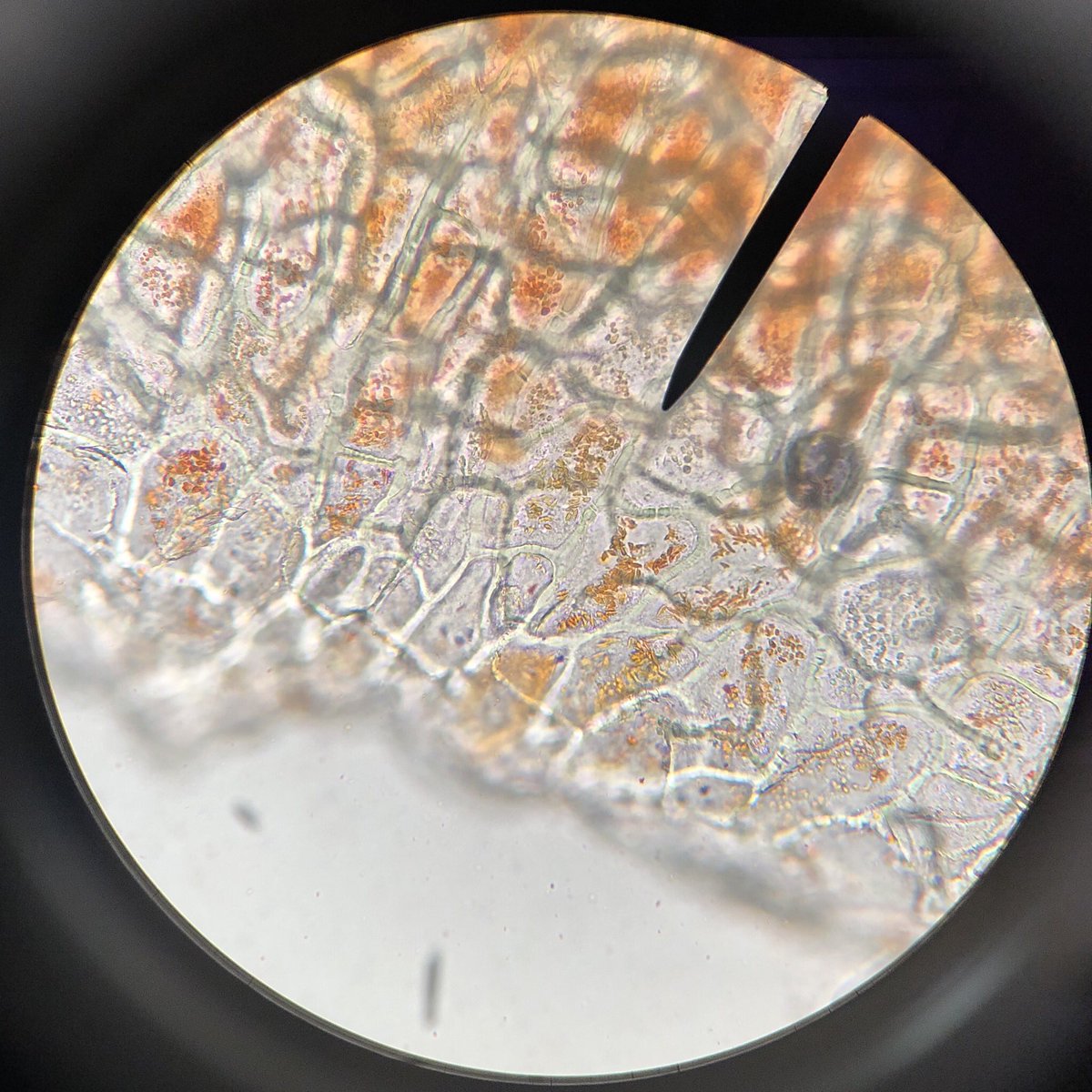
To study plasmolysis in plant cells, we observed Elodea cells under the microscope. The first image displays the cells with NaCl present, the second displays the cells in deionized water. You can see the effect! #Bio120Fall19@NutmegSomething
Pictured is an Orchid, both a popular plant and great example of a monocot. Orchids are classified as monocots since their seeds possess a single cotyledon. #Bio120Fall19@NutmegSomething
I.P.M.A.T. is an acronym representing the stages involved in mitosis. In my opinion, “I Peed Myself At Target” is a great way to remember interphase, prophase, metaphase, anaphase, and telophase! #Bio120Fall19@NutmegSomething
Decided to follow @NASA. Space exploration is important. In addition to addressing the fundamental questions of our universe, space exploration provides great advancement in technology and creates new industries! #Bio120Fall19@NutmegSomething
Wouldn’t be thanksgiving without some turkey! Over 250 million turkeys were produced this year, just for the holiday. This makes you wonder, how can this vast production be sustained? Why do we necessitate turkey as part of the celebration? #Bio120Fall19@NutmegSomething
These are microscopic images of diatoms. The shells of diatoms, a major group of algae, found in water and soil worldwide, are prominently used in water filtration, trapping unwanted particles in the fluid being filtered. #Bio120Fall19@NutmegSomething
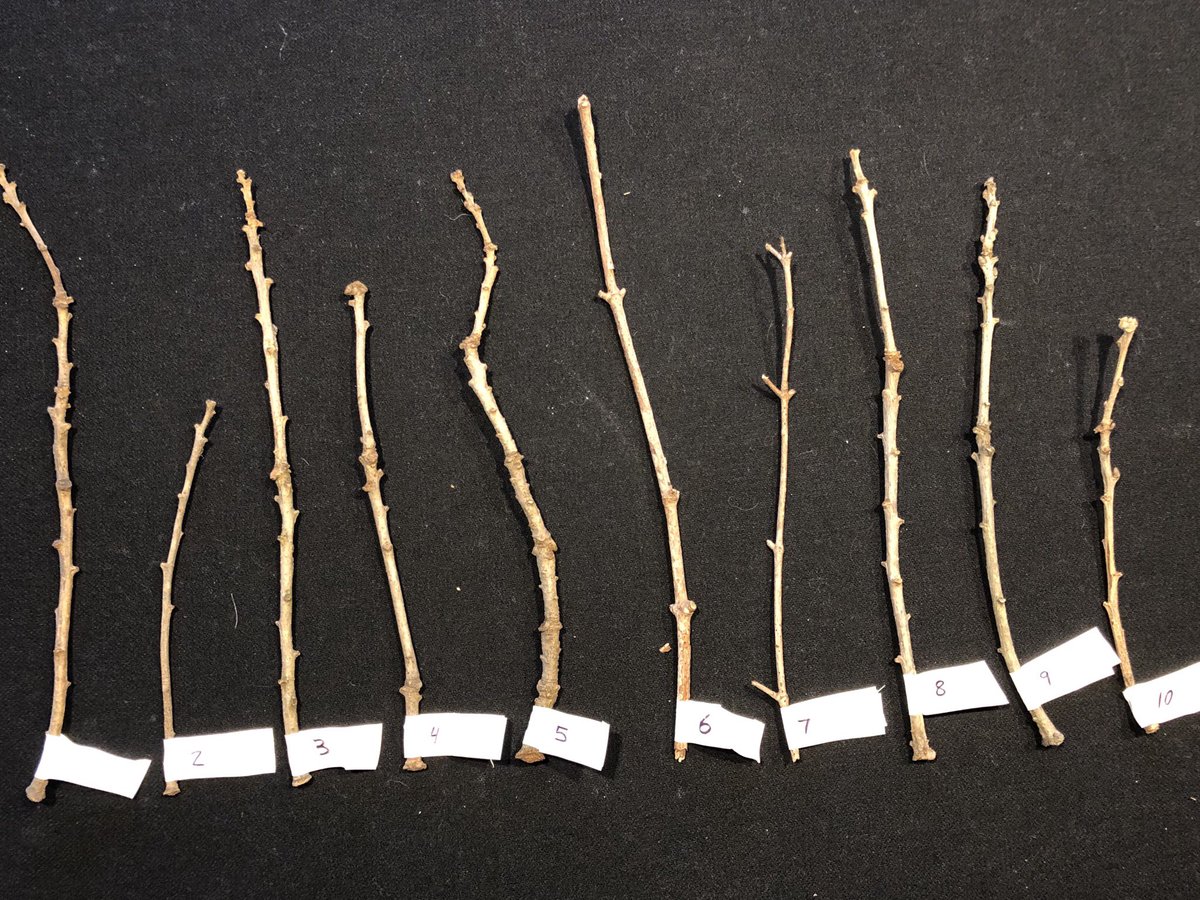
Woody stems can be aged by counting the number of scar terminals, which indicate annual growth. Here is a photo of the 10 stems I collected! 5 of them are Bur Oak, the other five are Sugar Maple. @NutmegSomething#Bio120Fall19
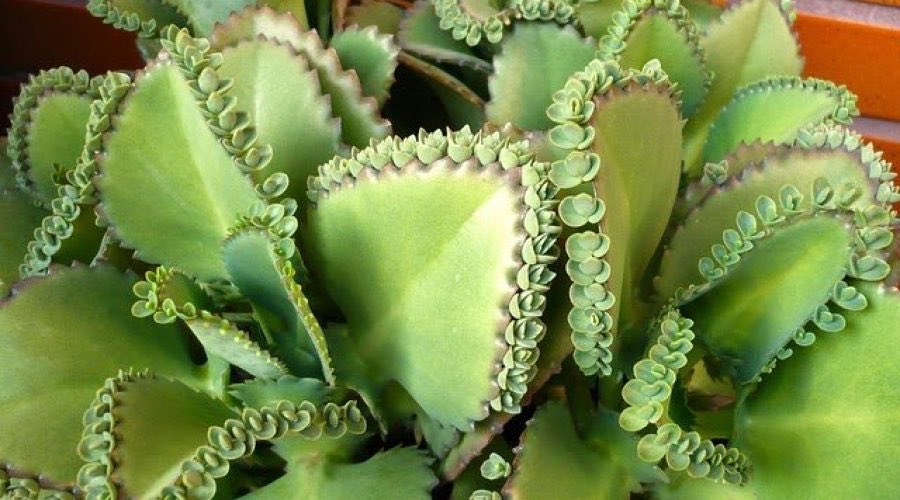
The Kalanchoe plant showcases quite an interesting method of reproduction. The genus Kalanchoe reproduces asexually by producing plantlets on the outer rim of its leaf. These young plants then fall off and take root themselves. @NutmegSomething#Bio210Fall19