@gleppa För att Sverige, liksom vilken annan demokratisk stat som helst, är intresserad av att världsordningen upprätthålls och att stora länder inte anfaller mindre länder.
@McFaul Michael, do you have any ideas as to how American democracy has degraded to the point where such a nonentity could become president—and for a second time, at that?
@RaguliaBoss@gb6ph4ysgk В былые времена ипотека была весьма выгодна. Я несколько квартир на росте купил. Потом инфляция мои долги обесценила, а квартиры в цене очень сильно выросли (знаю что сейчас так не работает)
The Russian pseudo-opposition crowd is celebrating.
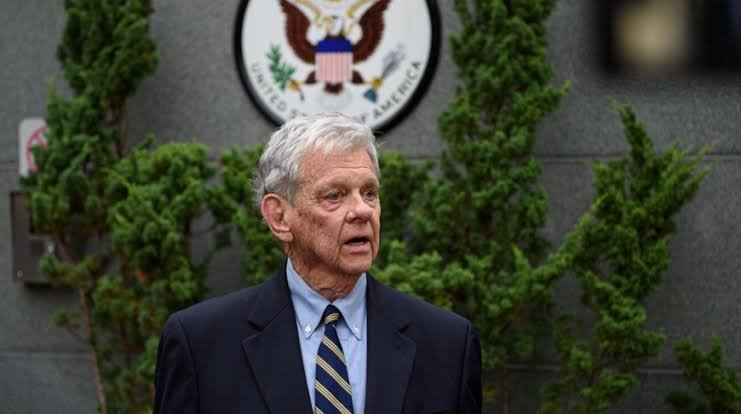
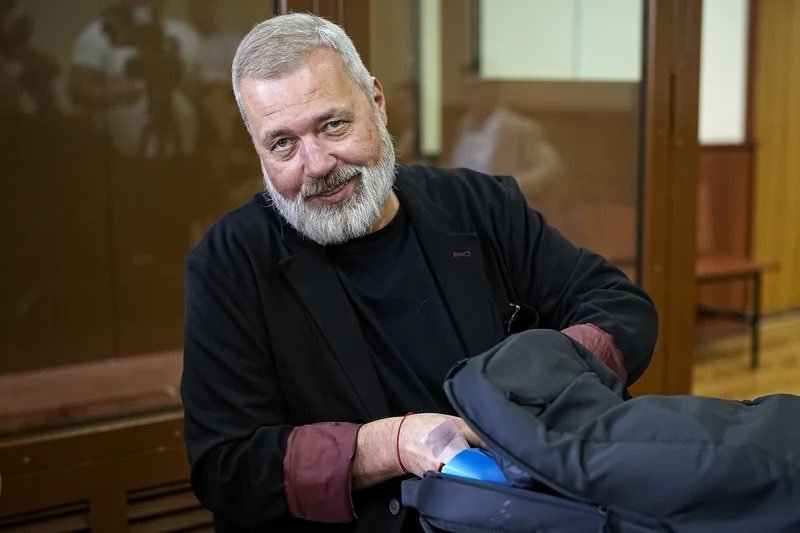
Journalist Dmitry Muratov pitched an idea to U.S. President's Special Envoy John Cole: the release of Russian political prisoners in exchange for an easing of U.S. sanctions against Russia. Cole brought this idea to Trump. Trump agreed to give it a try.
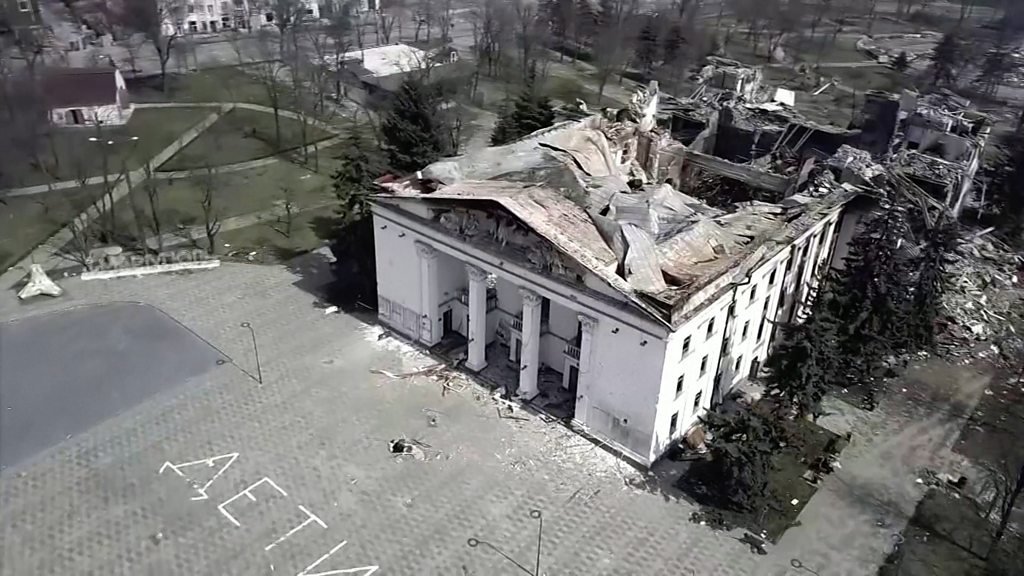
I’d like to remind you that Russia has already spent about $600 billion on the war. By the most conservative estimates, including Mariupol — where about 80,000 civilians were killed — a total of about 300,000 Ukrainians have died.
That is, for every billion dollars Russia spends on this war, approximately 500 Ukrainians are killed.
And if, as a result of the lifting or easing of sanctions, the terrorist state of Russia receives an additional $20 billion — which it can use to continue the war — by this same arithmetic, that money will mean another 10,000 Ukrainians killed.
This is the true cost of such “humanitarian diplomacy.” The freedom of Russian political prisoners should not be paid for with Ukrainian lives — especially when the goal is to create a pretext for easing sanctions and resuming business with Russia.
The Kremlin gets a simple and extremely profitable model: first, put people in prison; then, sell their freedom to the West in exchange for money, sanctions concessions, and a return to international trade.
The background to the negotiations between Muratov and Cole:
It all began in the spring, when Muratov met with Cole at the exclusive Ned’s Club in Washington, D.C., a venue popular among the political elite. Muratov told him about Mikhail Gorbachev’s negotiations with Ronald Reagan. At that time, Reagan and his representatives provided the Soviet side with lists of imprisoned dissidents and demanded their release. Gorbachev agreed, and the humanitarian agreements became part of a broader process of normalizing relations between the U.S. and the USSR.
Muratov brought photographs of Russian political prisoners to the meeting and described how the Kremlin persecutes opponents of the war.
And then he produced the main prop: a commemorative medallion that Ronald Reagan had once given to Gorbachev. Before his death, Gorbachev had passed it on to Muratov, and Muratov has now presented this relic to Cole. The current U.S. administration is generally very fond of beautiful symbolic gestures, glamorous items, and deals that can be effectively sold to the public. So the medallion belonging to the late Gorbachev seems to have perfectly complemented the presentation.
When the U.S. passed the Lindsey Graham Sanctions Act, I was skeptical from the very beginning that Trump would actually go so far as to significantly tighten sanctions against Russia.
But now we’re no longer reading about a tightening of sanctions. We’re reading about a scheme under which the Kremlin could release some Russian political prisoners and, in return, receive a significant easing of sanctions. Moreover, The Atlantic explicitly states that such a scheme could pave the way “for new trade and business deals between the U.S. and Russia even before the war against Ukraine ends.”