The problem isn't that healthcare is broken - it's that we don't talk about what's broken.
Until now.
Jump in and debate to earn: https://t.co/BSHNnd2ljL
Code: OQH1M33
#LifeAITestnet#HealthcareAI
The kind of testnet you'll actually want to check daily.
Not for tasks but for the conversations.
Jump in: https://t.co/BSHNnd2ljL
Code: OQH1M33
@LifeNetwork_AI#LifeAITestnet#HealthcareAI
🩺 Community Question
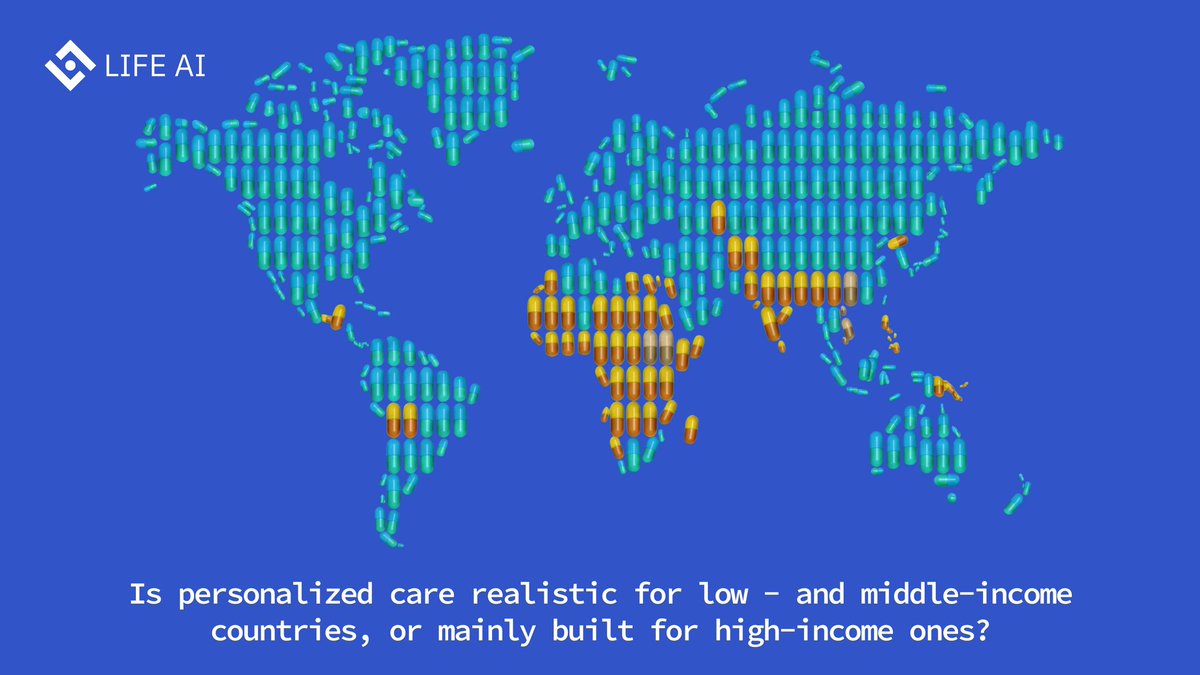
Is personalized care realistic for low- and middle-income countries (LMICs), or is it still a model built mainly for high-income countries (HICs)?
Viewpoint A: Gradually achievable in LMICs
Personalized care can scale over time. Costs of genetic and digital tools are falling, AI-driven insights are becoming more accessible, and hybrid models already work in areas like oncology and chronic care. With the right partnerships and focus, personalization doesn’t have to remain a luxury.
Viewpoint B: Not practical for most LMICs
For many LMICs, personalized care remains unrealistic. High costs, limited infrastructure, workforce gaps, and unequal access make large-scale adoption difficult. Healthcare systems should prioritize proven, low-cost interventions like vaccination, screening, and basic prevention.
Or is the future of healthcare built by combining both approaches?
👇 Drop A, B, or share your perspective.
Tag someone who should weigh in on this.
🩺 Community Question
Is personalized care realistic for low- and middle-income countries (LMICs), or is it still a model built mainly for high-income countries (HICs)?
Viewpoint A: Gradually achievable in LMICs
Personalized care can scale over time. Costs of genetic and digital tools are falling, AI-driven insights are becoming more accessible, and hybrid models already work in areas like oncology and chronic care. With the right partnerships and focus, personalization doesn’t have to remain a luxury.
Viewpoint B: Not practical for most LMICs
For many LMICs, personalized care remains unrealistic. High costs, limited infrastructure, workforce gaps, and unequal access make large-scale adoption difficult. Healthcare systems should prioritize proven, low-cost interventions like vaccination, screening, and basic prevention.
Or is the future of healthcare built by combining both approaches?
👇 Drop A, B, or share your perspective.
Tag someone who should weigh in on this.
🩺Community Question:
Should healthcare prioritize personalized care for individuals, or one-size-fits-all care for everyone?
Viewpoint A: One-size-fits-all as the default
Standardized care is more practical, affordable, and equitable for large populations and resource-limited settings. It delivers consistent, proven outcomes at scale, reduces disparities, and avoids the high cost and access barriers of full personalization.
Viewpoint B: Shift to personalized care
Personalized care is more precise, effective, and preventive. Leveraging genetics, AI, and real-world insights enables better outcomes, fewer side effects, and long-term cost savings as personalization becomes increasingly accessible.
Have you benefited from standardized care or struggled because it wasn’t personalized enough?
👇 Share A, B, or a short personal insight.
Tag someone who should be part of this conversation.
🩺Community Question:
Should healthcare prioritize personalized care for individuals, or one-size-fits-all care for everyone?
Viewpoint A: One-size-fits-all as the default
Standardized care is more practical, affordable, and equitable for large populations and resource-limited settings. It delivers consistent, proven outcomes at scale, reduces disparities, and avoids the high cost and access barriers of full personalization.
Viewpoint B: Shift to personalized care
Personalized care is more precise, effective, and preventive. Leveraging genetics, AI, and real-world insights enables better outcomes, fewer side effects, and long-term cost savings as personalization becomes increasingly accessible.
Have you benefited from standardized care or struggled because it wasn’t personalized enough?
👇 Share A, B, or a short personal insight.
Tag someone who should be part of this conversation.
🩺 Community Question:
In areas facing extreme doctor shortages, can AI doctor truly be considered a real solution for improving healthcare access?
Viewpoint A:
Yes. AI doctors can deliver 24/7 diagnostics, symptom triage, and medical guidance at scale, often matching or exceeding human performance in specific diagnostic tasks.
Viewpoint B:
No. AI doctors can hallucinate, lack physical exams, contextual judgment, and real empathy, creating serious patient safety risks. Treating AI as healthcare risks harm and delays long-term solutions like training and deploying human doctors.
Now make it personal:
Would you choose an AI doctor, or wait to see a real human doctor?
👇 Drop A, B, or share your own perspective. Tag someone who shares your opinions.
🩺 Community Question:
In areas facing extreme doctor shortages, can AI doctor truly be considered a real solution for improving healthcare access?
Viewpoint A:
Yes. AI doctors can deliver 24/7 diagnostics, symptom triage, and medical guidance at scale, often matching or exceeding human performance in specific diagnostic tasks.
Viewpoint B:
No. AI doctors can hallucinate, lack physical exams, contextual judgment, and real empathy, creating serious patient safety risks. Treating AI as healthcare risks harm and delays long-term solutions like training and deploying human doctors.
Now make it personal:
Would you choose an AI doctor, or wait to see a real human doctor?
👇 Drop A, B, or share your own perspective. Tag someone who shares your opinions.
We fight for better jobs, better tech, better opportunities… but what about better health systems?Let's start that conversation.
Debate to earn on @LifeNetwork_AI: https://t.co/BSHNnd2ljL
Code: OQH1M33
#LifeAITestnet#HealthcareAI
🩺 Community Question:
What should health apps focus on to actually help people stay healthy over time?
Viewpoint A:
Help people book doctors, manage visits, and deal with sick care when problems happen.
Viewpoint B:
Build on an intelligence layer that supports daily health and helps prevent problems before sick care is needed.
If technology is meant to serve human health, where should it begin?
👇 Drop A, B, or share your own perspective. Tag someone who shares your opinions.
🩺 Community Question:
What should health apps focus on to actually help people stay healthy over time?
Viewpoint A:
Help people book doctors, manage visits, and deal with sick care when problems happen.
Viewpoint B:
Build on an intelligence layer that supports daily health and helps prevent problems before sick care is needed.
If technology is meant to serve human health, where should it begin?
👇 Drop A, B, or share your own perspective. Tag someone who shares your opinions.
🩺 Community Question:
What should health apps focus on to actually help people stay healthy over time?
Viewpoint A:
Help people book doctors, manage visits, and deal with sick care when problems happen.
Viewpoint B:
Build on an intelligence layer that supports daily health and helps prevent problems before sick care is needed.
If technology is meant to serve human health, where should it begin?
👇 Drop A, B, or share your own perspective. Tag someone who shares your opinions.
🚀 ASTROX IS LIVE — THE NEW ERA OF MEME & CREATOR ECONOMIES BEGINS NOW
💥 First livestream-powered, multichain meme platform
💥 Buy/Sell IN-STREAM (spot + perps)
💥 Creator-friendly fees
💥 11 revenue streams
💥 MASSIVE ASX AIRDROP via Creator Point System
Your token pumps → YOU earn ASX.
Early creators = the biggest rewards. ⚡️
AstroX isn’t competing — AstroX is the upgrade.
Launch. Earn. Go viral. 👉 https://t.co/eTCnDSDTSt
#AstroX #Airdrop #Web3 #MemeTokens #CreatorEconomy
Alpha for Everyone is the weekly broadcast for traders.
We’re back this Thursday at 2PM ET.
On the menu:
➡️Trading agent strategies
➡️AI trading meta shifts
… and more alpha you won’t want to miss.
Alpha for Everyone returns this Thursday | 2PM ET
What GoTrader topics or tools do you want us to focus on? $GOAI
Something else? Post in the comments 👇