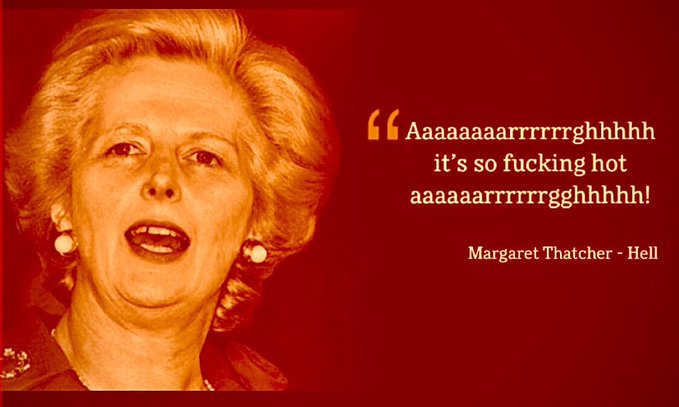
"Trickle down economics doesn't work, so let's try piñata economics. That's the one where we beat the billionaires until the hoarded wealth falls out."
In all my soviet history reading I think one of the anecdotes that spoke the most was how people from the USSR who were excited for the collapse thought homelessness was just communist propaganda and couldn't possibly be a real thing especially in America.
ngl a lot of people do make straight up fanfiction about the US. last year i was arguing w two guys in buenos aires at 5am in front of a mcdonald’s trying to explain to them that the US has extreme poverty
Western historians have been overly kind to him. Beyond incompetence which tbh was pretty normal for monarchs, dude openly supported the black hundreds who were committing pogroms across the countryside in Jewish villages. Evil.
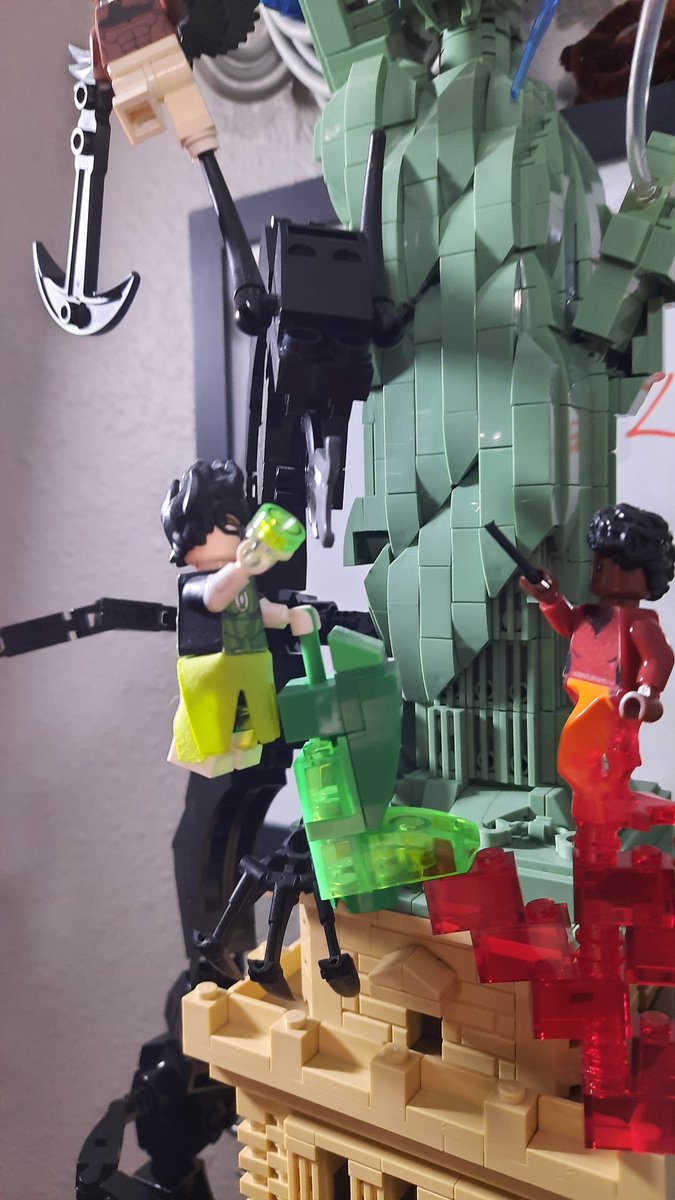
Decided to move the Bombshells MOC but the new shelf was too small to fit the old dragon on it. So I decided to beef it up a bit and rework the Statue of Liberty build so it can just connect in with some technic bricks. Pretty happy with how everything turned out.
Were there any big The Last Jedi haters out there who saw the Rise of Skywalker and went "Ah yes, finally they made the movie I am asking them for. I'm glad they listened to our feedback."
@sgambati476761 I loved it back in the day but I haven't watched it in years so idk how well it really holds up to more modern fan films. I remember really loving the production value and costuming.
This is why you have to strip yourself of Eurocentrism. If your exposure to global history is limited to a Western point of view, then you’re missing a great deal of important detail.
I could look at this picture alone and write a dissertation on China versus Europe, on how differences in resource distribution, political structure, and cultural outlook helped shape colonial attitudes and their lasting impact on the world today.
Historically, China often operated from a position of relative abundance and self-sufficiency, especially during its strongest dynasties. It held its civilization in very high regard and viewed itself as the center of the world, prioritizing internal stability and regional influence over sustained intercontinental expansion.
They hardly suffered from a lack of capacity; they had formidable naval and economic power. There were literally Chinese pirates with fleets rivaling those of some powerful European states, this is not an exaggeration.
Of course, they had some periods of outward engagement but they were followed by deliberate withdrawal, and most of the expansion they did was continental or tributary rather than overseas or settler-colonial.
Western Europe, by contrast, was relatively constrained in land and resources and remained politically fragmented for much of its history. Competition between states, combined with commercial ambition, greed, their fascination with mercantilism cum capitalism and some advances in navigation which China had way before them, helped drive maritime expansion and, in many cases, exploitation abroad.
Many don't know that, for a time, Europe was deeply fascinated by Chinese goods, from porcelain, prized as a luxury, to tea, silk, and more. Meanwhile, China maintained controlled trade and had limited interest in European goods beyond silver. In response to this imbalance, British traders introduced and expanded the opium trade to disrupt and eventually decimate Chinese society.
China had the capacity to project power more broadly, but global domination was never a sustained objective. Its priorities were shaped more by internal governance and regional order than by overseas empire-building. I don't think much has changed in their approach to geopolitics, even today.