WHAT'S HAPPENING IN JAPAN SHOULD BE STUDIED.
Japan's jobless rate came in at 2.5%, missing the 2.4% expected by just 0.1 points.
If you look at the number that's a very small miss but for Japan it is not.
To count as unemployed in Japan, you have to be not working, actively job hunting in the past week, and ready to start immediately.
Anyone who gave up looking doesn't even show up in this number.
Japan's labor force itself has been shrinking.
In July, it dropped by 240,000 people to an 11-month low, and the share of the population working or looking for work fell from 64.4% to 64.1%.
In August, the picture shifted.
Employment rose by 300,000 people, and the number of unemployed rose by 100,000 people. More people came back into the job market, and not all of them found work right away.
In other words, unemployment had stayed low mostly because fewer people were in the workforce to begin with, not because jobs were plentiful. Now that more people are returning to look for work, the cracks are starting to show.
The jobs to applicants ratio was at 1.18 in July, and it's still at 1.18 in August, unchanged for 3 straight months. That means there are more job openings than people applying.
That's a labor market that's supposed to be too tight for unemployment to rise at all.
So a miss like this, even a small one, is a signal.
If unemployment ticks up in a country that structurally doesn't have enough workers, real hiring demand is cooling.
Combine that with the Bond market crisis, weakening currency and the unwanted inflation. You can understand the seriousness of situation and how bad Japan is stuck.
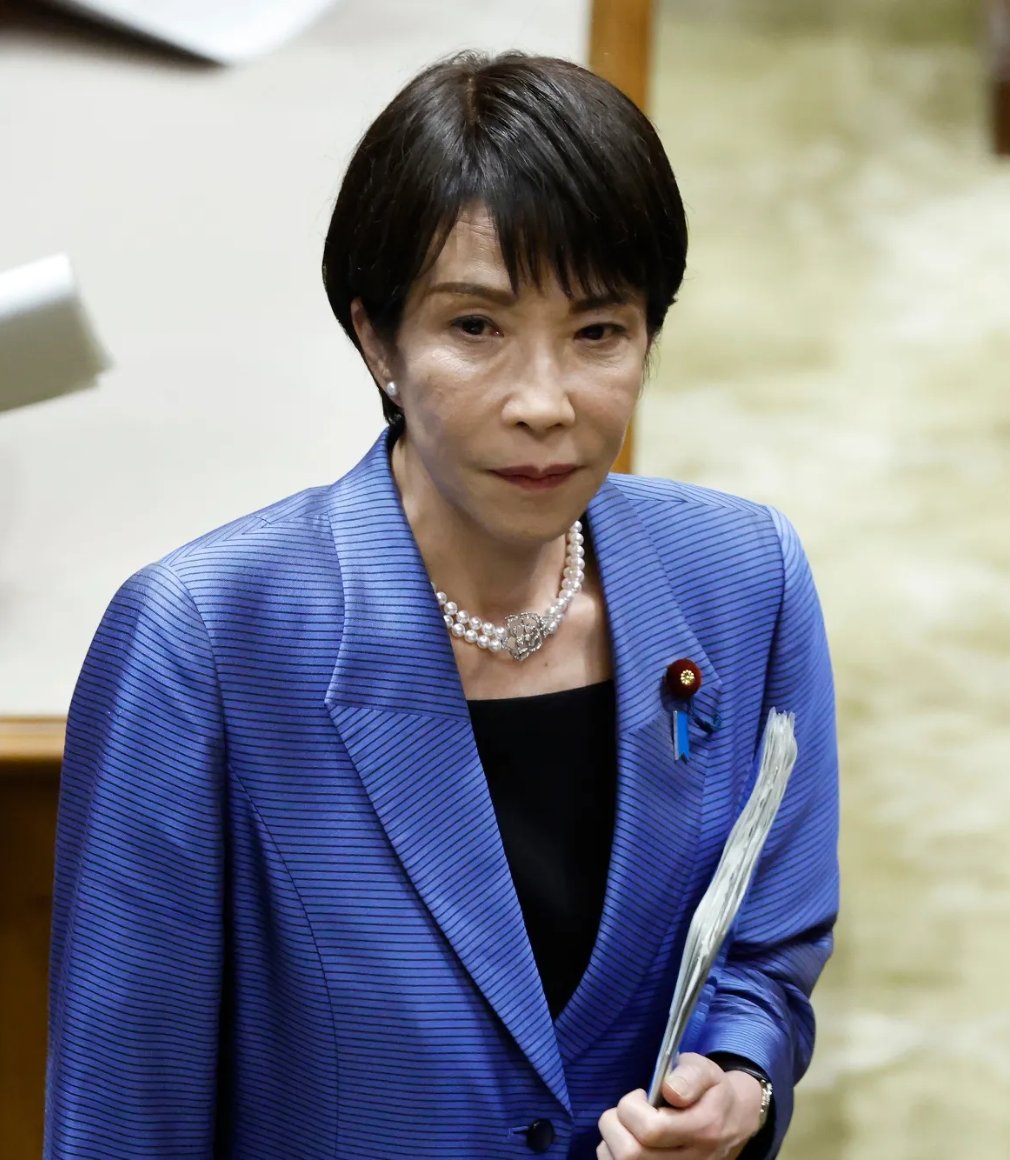
Japan’s foreign population is a fraction of that in other countries. It’s still causing resentment, feelings that Prime Minister Sanae Takaichi is tapping into. https://t.co/XuMYr18MrG
Japanese Prime Minister Sanae Takaichi took to social media over the weekend touting efforts to revise the country’s rules related to foreign nationals https://t.co/sEuoVRRPko