Funny thing about ‘growth’ is that we may not see it ourselves until someone tells us about how much we’ve grown.This also applies to achievements and accomplishments. You may find yourself asking “Who me?” Answer is, “Yes YOU!!”You did that! You’re not an imposter! Keep at it!
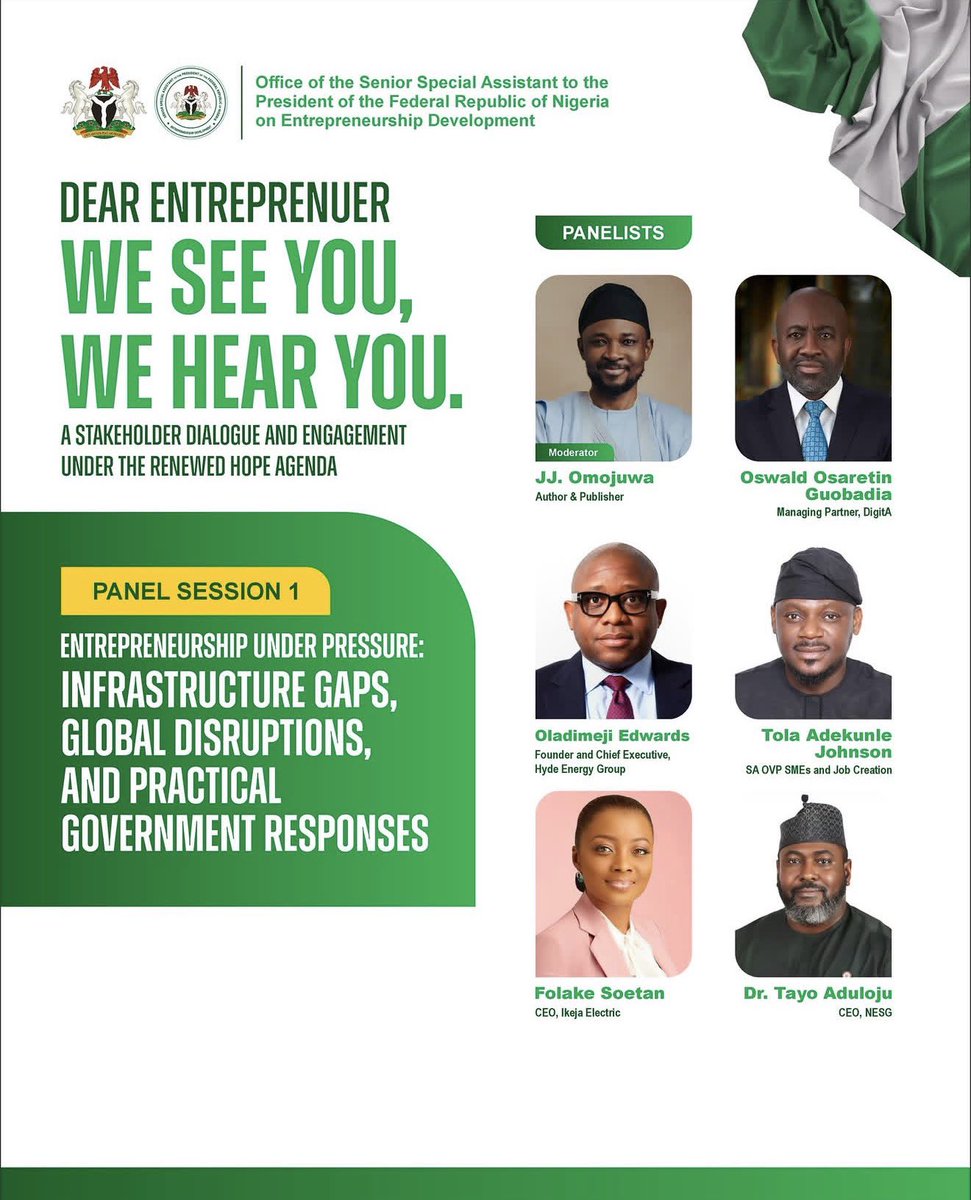
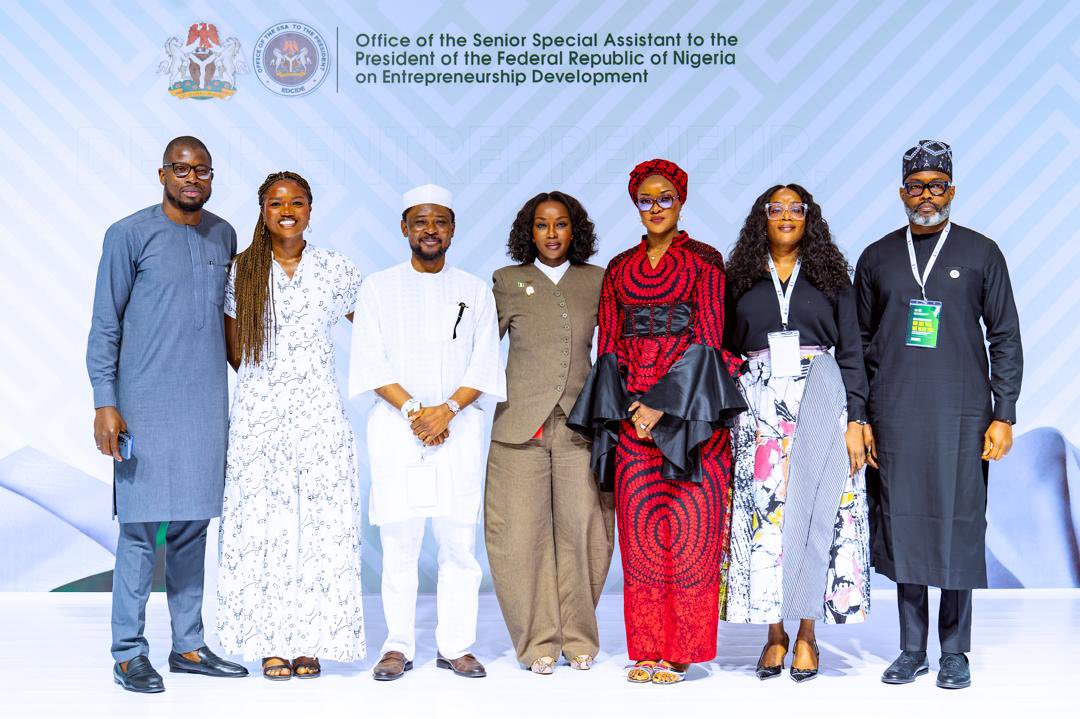
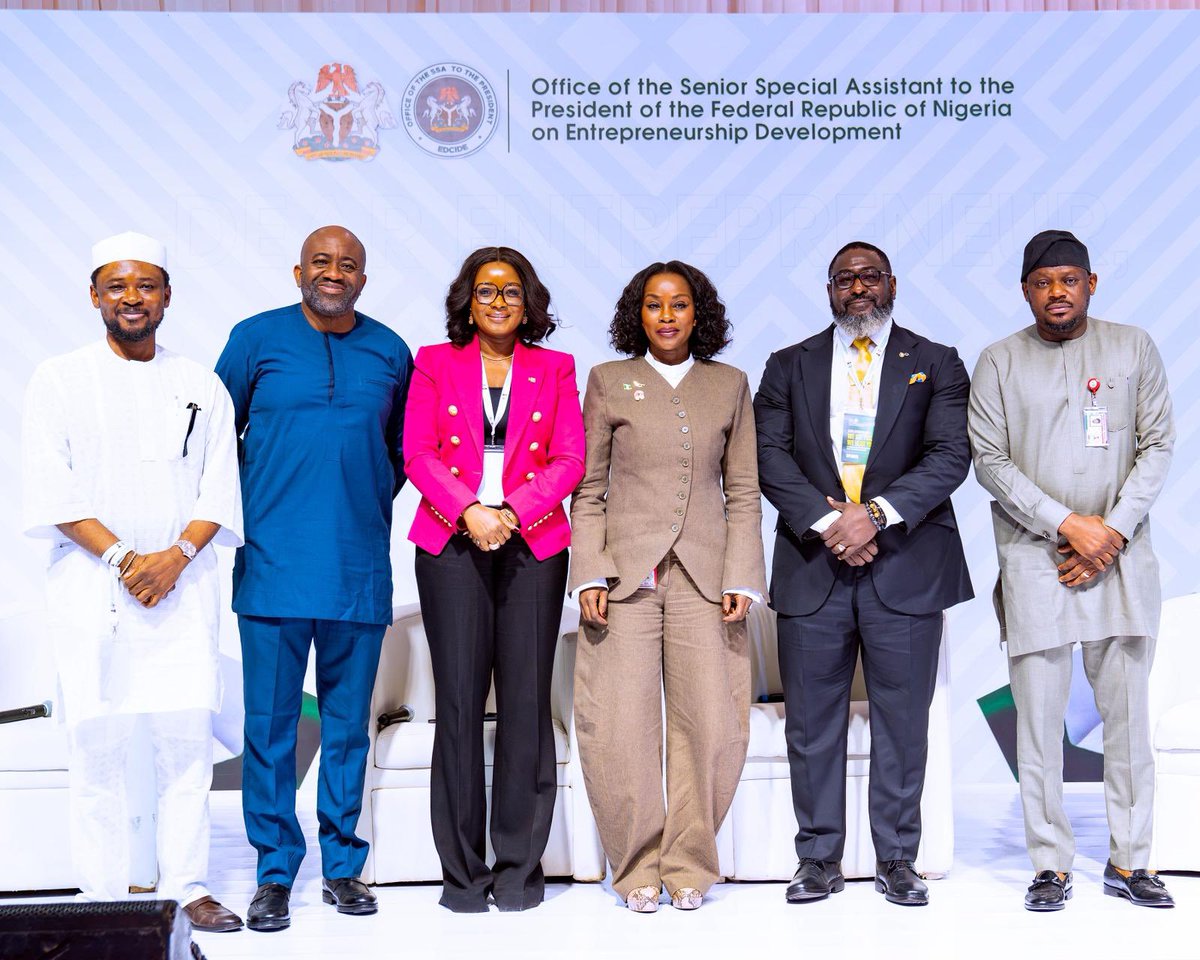
Dear entrepreneur we hear you… was a great conversation about funding SMEs by the office of the senior special assistant to the president on entrepreneurship development @THEChalya . We are now working on implementing the conversations as by now many entrepreneurs don’t want another talk shop. More actionable Updates soon !!
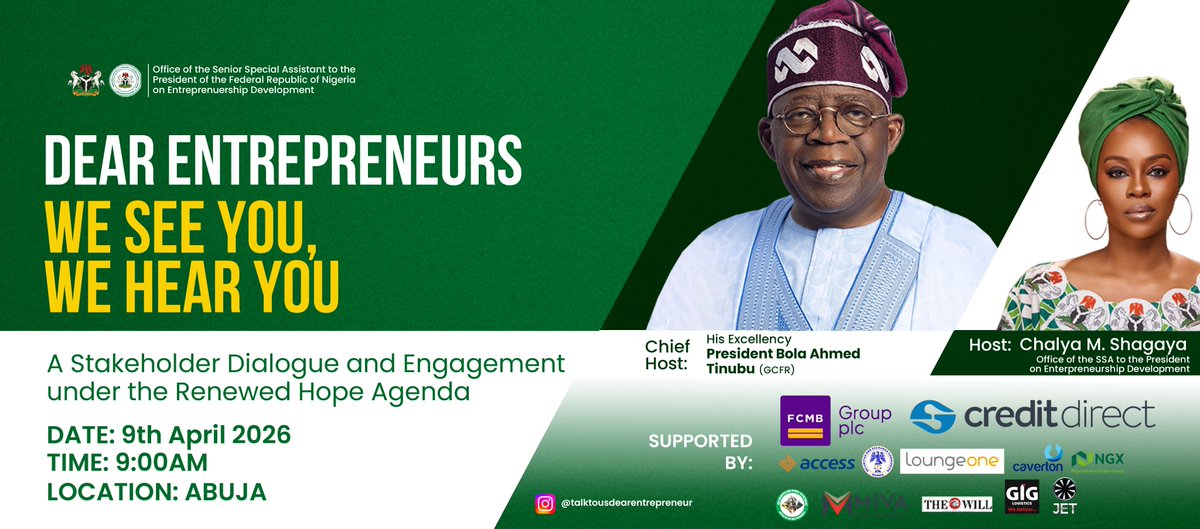
Event: A Stakeholder Dialogue and Engagement under the Renewed Hope Agenda.
Theme: Dear Entrepreneur
We See You, We Hear You.
Host: @THEChalya .
Speakers: Various.
Location: Abuja, Nigeria
Music used in the video: Formation by @adekunleGOLD x @Olamide.
When @THEChalya called, we answered.
I had a great time moderating this session, listening to and learning from Folake Soetan CEO @IkejaElectric , Oswald Osaretin Guobadia (Digit-A), Tayo Aduloju CEO @officialNESG and Tola Johnson, SA OVP on SMEs and Job Creation.
I hope Chalya’s office will get the support to build more tools like RHEBI to facilitate support for entrepreneurs. Nigeria needs to create jobs and opportunities at scale. And our resilience can be deployed in more productive endeavours than just navigating the basic things entrepreneurs in other jurisdictions take for granted.
Until our prayers change, we cannot be in denial as to where we really are at this time. A lot is being done, by the likes of Chalya. A lot more needs to be done, by everyone.
We’re proud to announce Chalya Shagaya as one of the 100 Reputable Women of African Descent 2026.
An entrepreneur & SSA to the President on Entrepreneurship Development
More details: https://t.co/Mt7jDh1Mek [email protected]#100ReputableWomenOfAfricanDescent
Entrepreneurs will gather in Abuja on April 9, 2026, for a stakeholder dialogue under the Renewed Hope Agenda themed: “Dear Entrepreneurs, We See You, We Hear You.”
Hosted by Chalya M. Shagaya with President Bola Ahmed Tinubu as Chief Host, the engagement aims to strengthen collaboration between government and Nigeria’s entrepreneurial ecosystem.
📍 Abuja | ⏰ 9:00AM
Dear Entrepreneurs, we see you, we hear you.
President Bola Ahmed Tinubu is confronting the hard choices of economic reform head-on. Beyond the numbers, his policies aim to rebuild confidence for the real drivers of Nigeria’s economy: entrepreneurs, traders, creatives, innovators, and businesses striving to grow and shape the nation’s future.
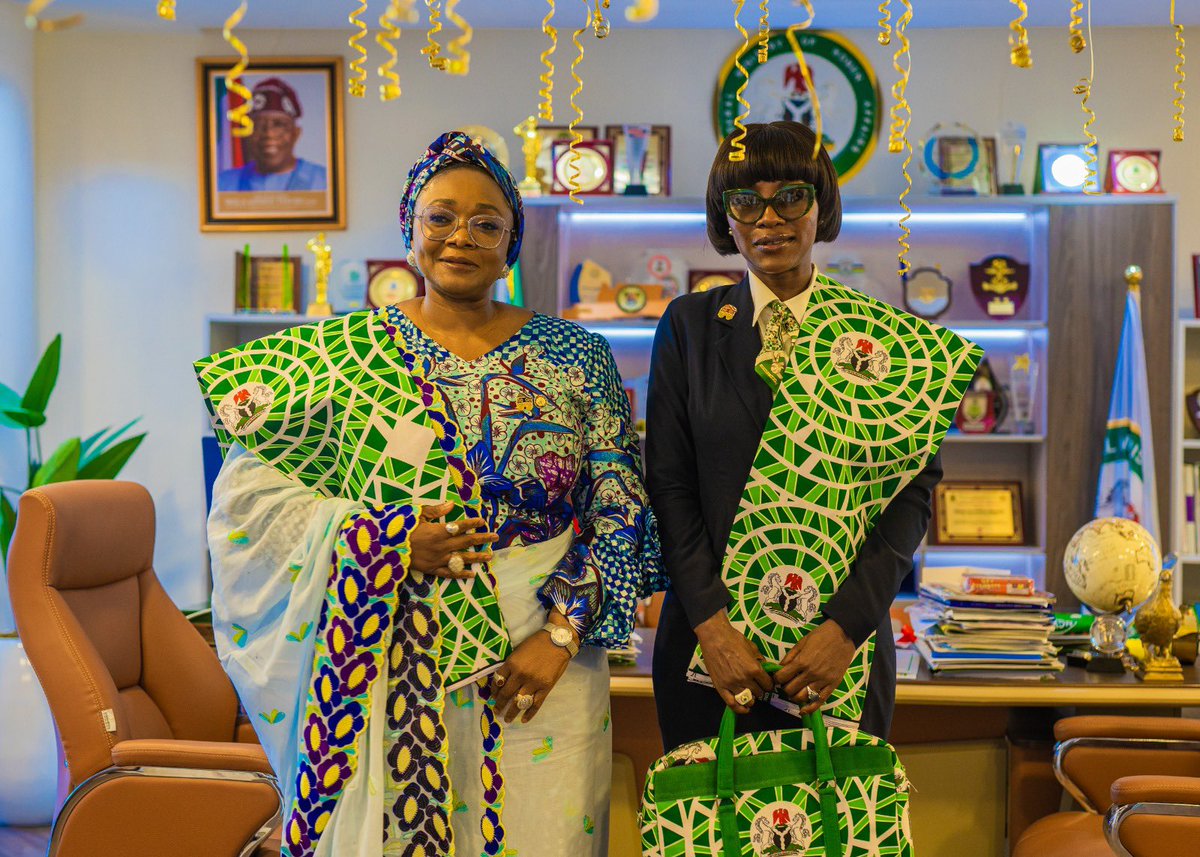
I met with Chalya Shagaya, Senior Special Assistant to the President on Entrepreneurship Development, to discuss collaborative efforts aimed at advancing women's economic empowerment.
We explored potential partnerships in key areas such as women's entrepreneurship through the PowerHer 774 project, financial literacy, digital inclusion, and policy advocacy to support women-led businesses across the country.
We were delighted to welcome Chalya Shagaya, Senior Special Assistant to the President on Entrepreneurship Development, to Legend Internet PLC today.
#EntrepreneurshipMatters#LegendInternet
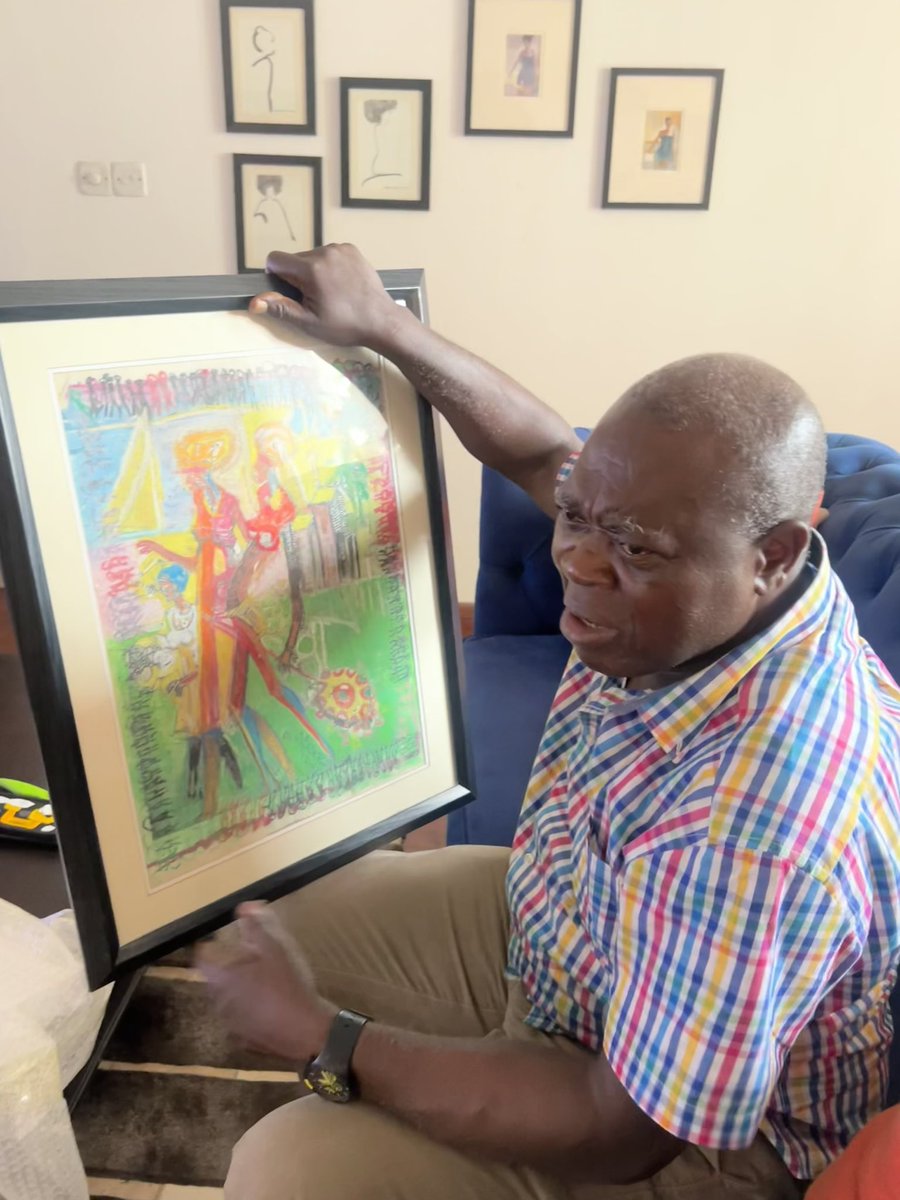
When a master of contemporary Nigerian Fine Art visits your home and approves of your mini collection of his work. Uncle Duke (as I call him) left me feeling humbled. #DukeAsiedere.
If you know, you know.
It’s going to be an awesome year 🙏🏽
25% of Nigerians carry a copy of the sickle cell sickle cell trait (HbAS), which means they are carriers but do not have the disease. This high carrier rate leads to a high incidence of SCD when two carriers have children. Many are unaware of their status so testing is expedient
NIGERIA, WE HAIL THEE
The Stirring Saga of our National Anthem(s): Historical Perspective or Voice of a New Dawn?
by Otega Ogra, FCIM
1. The year was 1959. As the clock ticked towards 1960, Nigeria stood on the precipice of a monumental shift—its emancipation from British colonial rule. This was a time when our nation was more a line item in a colonial ledger than a free state. The country, once treated less as a nation and more as a commodity in an unholy alliance with the infamous Royal Niger Company, was gearing up to redefine its identity. Our founding fathers had waged a long, arduous struggle not just against colonial domination but also against the indignity of having to pledge allegiance in compulsory renditions to a distant monarch with the anthem, "God Save the King."
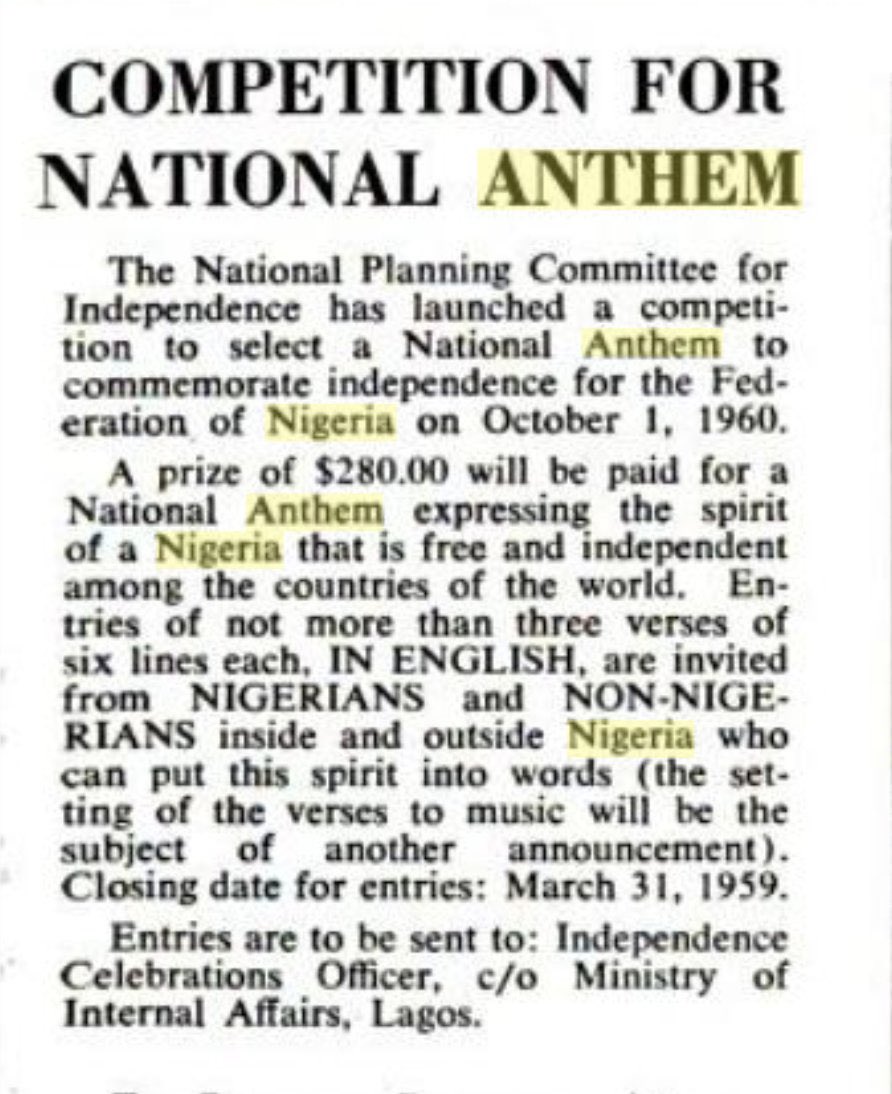
2. To solidify this newfound autonomy, a call was issued, inviting both Nigerians and international participants to pen a national anthem that would encapsulate the vision of the impending free and independent Nigeria. The call for entries reproduced below, was a clarion call to articulate the collective aspirations and spirit of diversity of our soon-to-be sovereign nation:
“COMPETITION FOR NATIONAL ANTHEM”
“The National Planning Committee for Independence is thrilled to announce a competition to select a National Anthem to commemorate the Federation of Nigeria's independence on October 1, 1960.
A prize of $280.00 will be awarded for a National Anthem that resonates with the spirit of a free Nigeria, standing proud among the nations of the world. We invite submissions of no more than three verses, each comprising six lines in English. This lyrical representation should capture the essence of our nation (the setting to music will be announced later).
Please send your entries by March 31, 1959, to: Independence Celebrations Officer, c/o Ministry of Internal Affairs, Lagos.”
3. This call for entries drew a staggering response of over 1,000 entries, culminating in the selection of "Nigeria, We Hail Thee" as Nigeria’s inaugural anthem, penned by a British expatriate living in Nigeria, Lillian Jean Williams, with music by Frances Berda. As the anthem echoed through the celebrations on October 1, 1960, it marked a fitting tribute to the aspirations of our nation and reflected the broad diversity of the various nations that made up the New Nigeria. Unity was its key message.
4. However, the years that followed brought with them trials that tested the nation's resolve: a military coup in 1966, a subsequent civil war, and the onset of an oil boom that reshaped the economic landscape. By the late 1970s, amid the throes of change and under the leadership of then former dictator and military Head of State, General Olusegun Obasanjo (who was part of the military coup that brought Gen Murtala Mohammed into power before his demise in a failed coup that saw Obasanjo become head of state), a new anthem was sought to reflect what they believed was a maturing nation’s identity. This led to another anthem competition, to reflect the nationalistic fervor of the time, resulting in "Arise, O Compatriots," adopted in 1978 and penned by a quintet of Nigerian writers - John A. Ilechukwu, Eme Etim Akpan, B. A. Ogunnaike, Sota Omoigui and P. O. Aderibigbe. The music was created by the Nigerian Police Band directed by B. E. Odiasse.
5. Years of political tumult continued until Nigeria returned to civilian rule in 1999, with reformed President Obasanjo (now a civilian) at the helm. The turn of the millennium saw calls from across the country for restructuring, a topic that Obasanjo largely sidestepped, focusing instead on other reforms. This decision to ignore...
⏬⏬