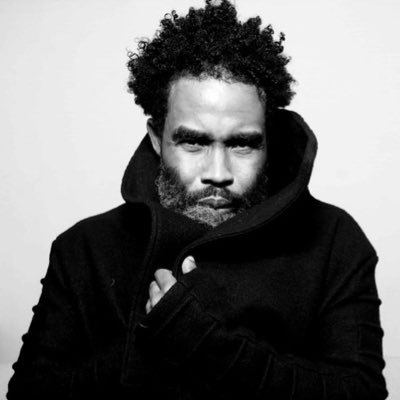
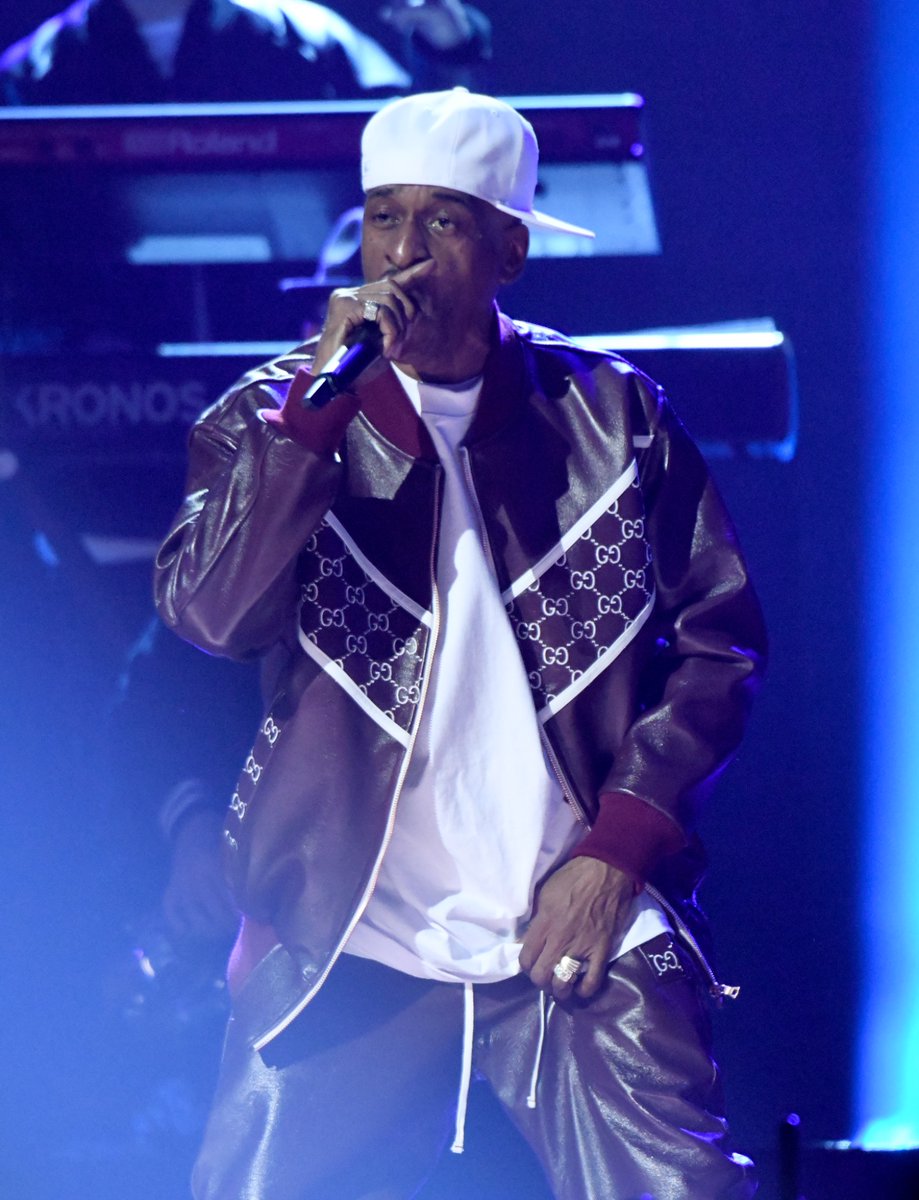
Official X of The God RAKIM | Founder of @notestechnology with @divine4thletter where "Don't Nothin' Move But The Money." | Follow The Leader #TheGodRakim
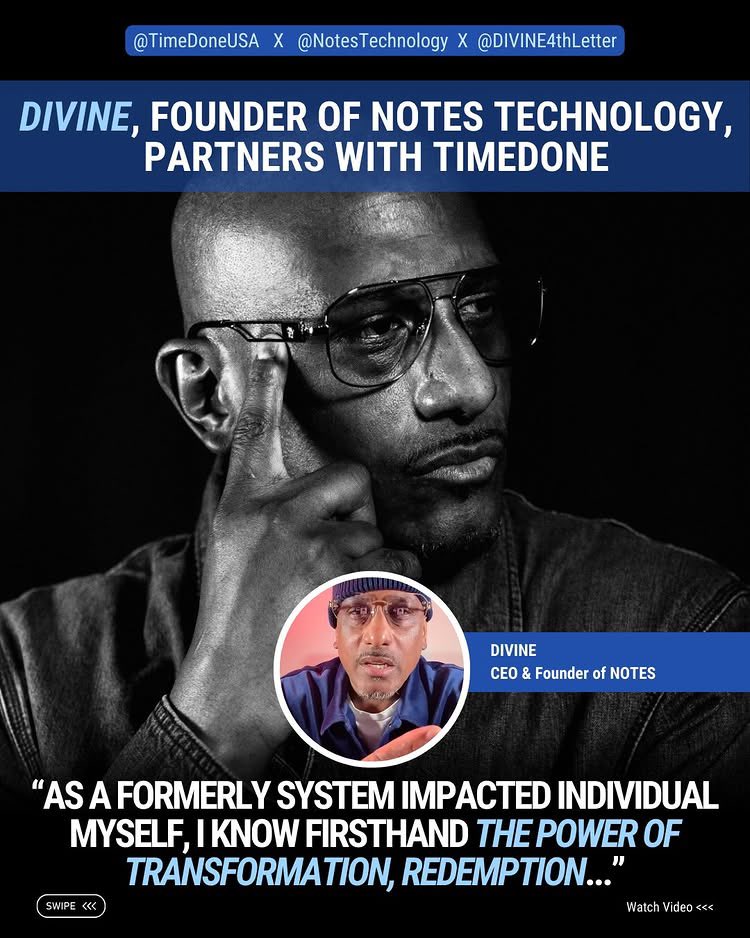
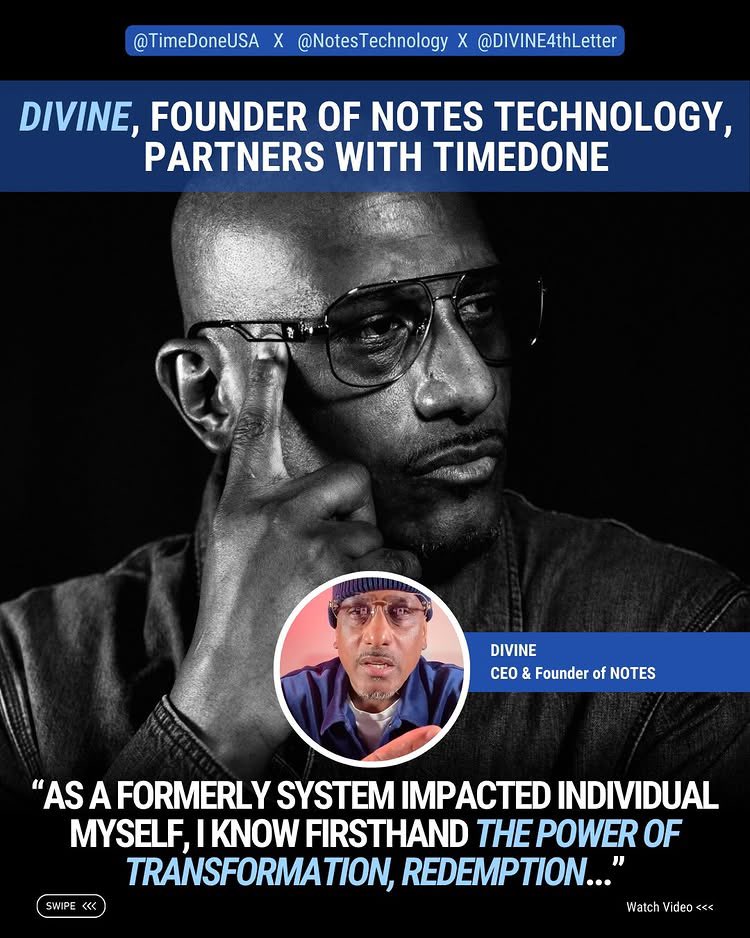
#Repost@timedone We’re honored to welcome @divine4thletter as an ambassador for TimeDone and JustSafe in partnership with @notestechnology and the legendary @thegodrakim. This collaboration is about more than programs—it’s about people, possibility, and second chances made real.
#Repost@timedone We’re honored to welcome @divine4thletter as an ambassador for TimeDone and JustSafe in partnership with @notestechnology and the legendary @thegodrakim. This collaboration is about more than programs—it’s about people, possibility, and second chances made real.
#Repost@timedone We’re honored to welcome @divine4thletter as an ambassador for TimeDone and JustSafe in partnership with @notestechnology and the legendary @thegodrakim. This collaboration is about more than programs—it’s about people, possibility, and second chances made real.
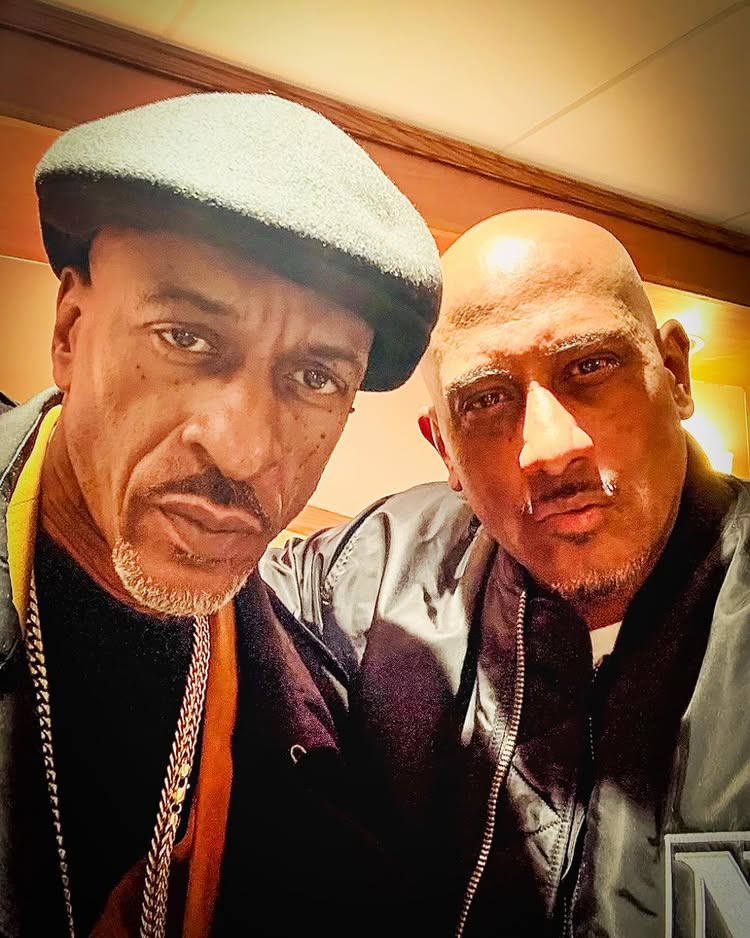
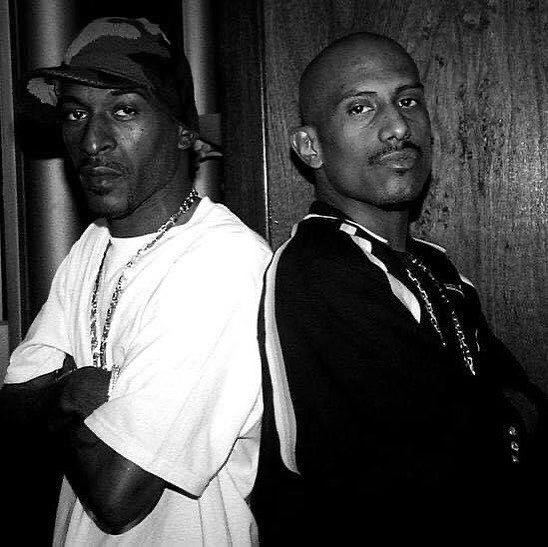
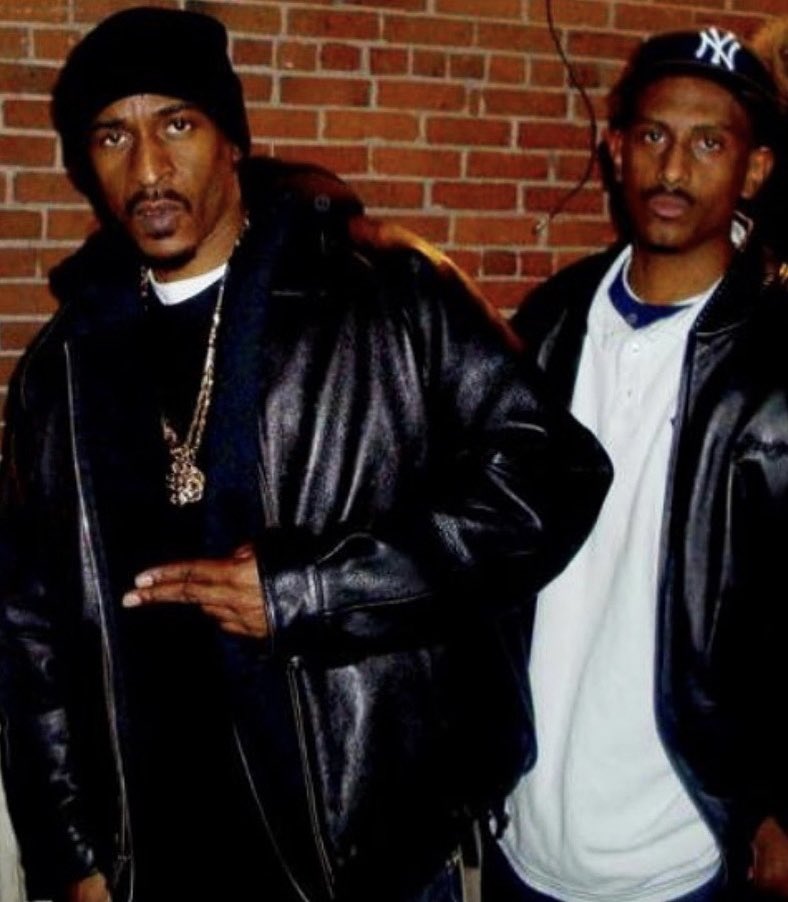
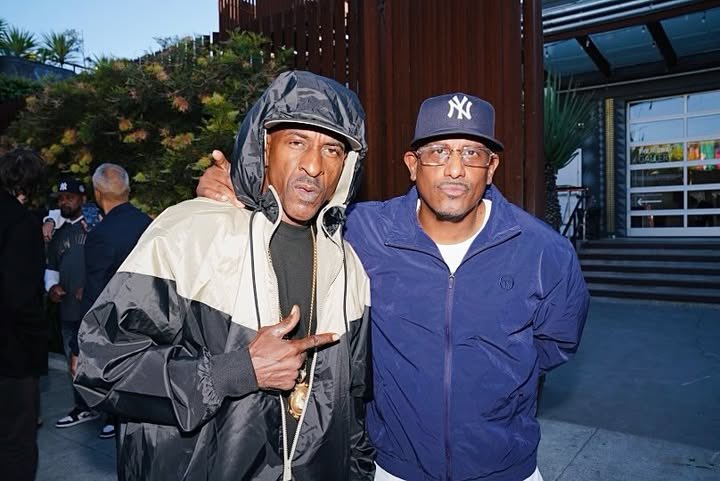
Blessed born to my Brother, @notestechnology Co-Founder, and business partner @thegodrakim!!! It’s been a long time…and the saga continues! 🫡🫡🫡 🔥🔥🔥 🤲🏾🤲🏾🤲🏾
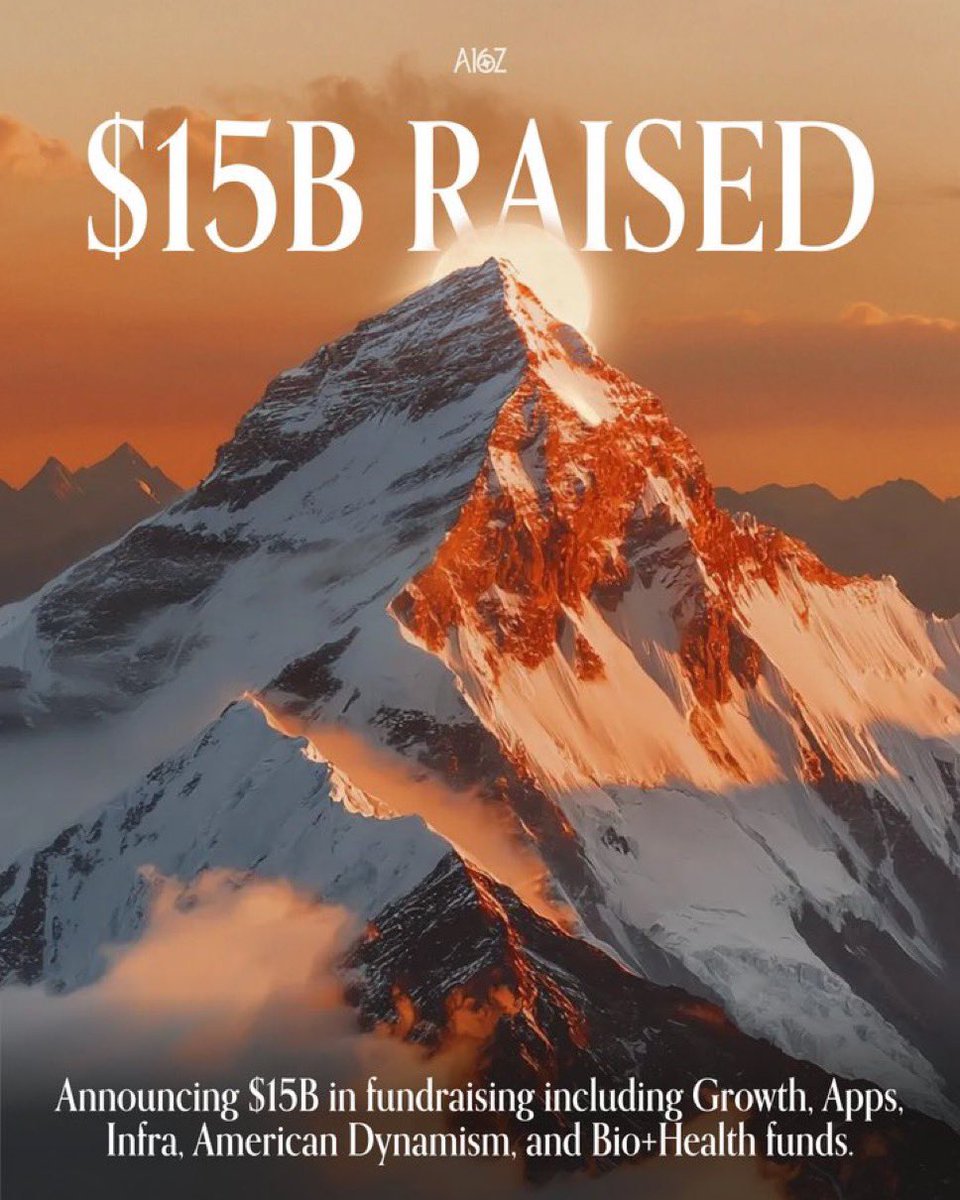
“a16z is betting that it can help make that future bigger and better than it would otherwise be, sooner, through policy and platform and power, and help its portfolio companies win in the process.”
“Based on my conversations with a16z’s founders, this bet seems to be paying off today, and it is an unbelievably asymmetric one. Each win can pay for a lot of capabilities. The machine compounds.
The most interesting bet it’s making, in my opinion, in light of the first two, is the one that seems most obvious, when you put it like I’m about to put it:
That a VC firm can, like nearly every other type of company in the universe, get better with scale.”
Read more from Packy McCormick: https://t.co/YSi2m8Mwzt
Not an offer or solicitation. None of the information herein should be taken as investment advice; Some of the companies mentioned are portfolio companies of a16z. Please see https://t.co/zi0TIkmB2y for more information. A list of investments made by a16z is available at https://t.co/XoPcrepkYx.
Salute and big ups to @bhorowitz,,,@pmarca,,,and the entire @a16z firm on a successful and monumental fundraise,,,no tricks in ‘26 it’s time to build !!! 🫡🫡🫡
My man @bhorowitz building on the @paidinfullorg Hip-Hip Grandmaster Awards on the @myfirstmilpod,,,this year it was crazy,,,next year it’ll be crazier !!! 🔥🔥🔥
Eric B. & Rakim - 'In The Ghetto' (HD) (60fps) [1990] (prod. Eric B. & Rakim | MCA Records | Album: Let The Rhythm Hit 'Em) @EricBandRakim@thegodrakim@ERICB#hiphop
The Onion Theory of Risk by Marc Andreessen:
"I think the single biggest thing entrepreneurs are missing, both on fundraising and how they run their companies, is the relationship between risk and cash.
The relationship between risk and raising cash, and then the relationship between risk and spending cash.
So I've always been a fan of something that Andy Ratcliffe taught me years ago, which he called the onion theory of risk.
Um, which basically is, you can think about a startup like on day one, um, as having every conceivable kind of risk, right?
And you can basically just make a list of the risks. And so you've got, you know, founding team risk.
You know, do the founders, are the founders gonna be able to work together?
Do you have the right founders? You're gonna have product risk. You know, can you build a product?
You'll have technical risk, right? Which is maybe you need a machine learning breakthrough or something to make it work.
Are you gonna be able to do that? Um, you'll have, you know, launch risk.
Will the launch go well? You'll have, you know, market acceptance risk.
You'll have revenue risk.
A big risk you get into in a lot of businesses that have a sales force is, can you actually sell the product for enough money to actually pay for the cost of sale?
So you have the cost of sale risk. If you're a consumer product, you'll have a viral growth risk.
Well, you get the thing of viral growth. And so, a startup at the very beginning is basically just this long list of risks.
And then the way that I always think about running a startup is also the way I think about raising money, which is it's a process of peeling away layers of risk as you go.
And so you raise seed money in order to peel away the first two or three risks.
The founding team risk, the product risk, and maybe the initial launch risk.
You raise the A round to peel away the next level of product risk.
Maybe you peel away some recruiting risk because you get your full engineering team built.
Maybe you peel away some customer risk because you get your first five beta customers.
And so basically the way to think about it is you're peeling away risk as you go.
You're peeling away risk by achieving milestones.
And then as you achieve milestones, you're both making progress in your business, and you're justifying raising more capital.
And so you come in, and you pitch somebody like us, and you say you're raising a B round.
The best way to do that with us is you say, okay, I raised a seed round, I achieved these milestones, I eliminated these risks.
I raised the A round, I achieved these milestones, and I eliminated these risks.
Now I'm gonna raise a B round. Here are my milestones, here are my risks.
And then by the time I go to raise a seed round, here's the state that I'll be in.
And then you calibrate the amount of money that you raise to spend to the risks that you're pulling out of the business.
And I go through all this, in a sense this sounds kind of obvious, but I go through all this because it's a systematic way to think about how the money gets raised and deployed.
As compared to so much of what's happening, especially these days, which is just, my God, let me go raise as much money as I can.
Let me go build the fancy offices, let me go hire as many people as I can, and just kind of hope for the best."