Overall this model represents a new way to study inflammation-related arrhythmia in a human setting and could ofer a new understanding of how AF can emerge
A great thank you to @NcardiaStemCell and @PersonalizeAF, as well as my supervisor and last author Elena Matsa, my academic supervisor @UliSchotten , and my great collaborators Ozan Özgül, @MariluCasini, Brigitta Szabó, Rémi Peyronnet, Óscar Bártulos, Mariana Argenziano.
Finally, we checked if these transcription changes had similarities to clinical findings and we found that many of the gene groups we found to be affected had shown up in atrial fibrillation (AF) patients before, suggesting that our findings could be relevant for AF research
After characterizing the model, we activated the macrophages into a pro-inflammatory 'M1' state which caused the aCM to:
-Beat irregular
-Have increased conduction heterogeneity
-Show reduced electrical signals
To analyze how M1 could lead to irregularity we did RNA-seq of the aCM and found that several key electrophysiology genes were downregulated in the coculture. Exciting was that these genes were not affected by M1 supernatant and their expression was restored with hydrocortisone
Interestingly that effect was not present, when the macrophages were not activated or if the aCM were only treated with M1 supernatant (i.e. not in contact with M1)
Irregularity could be treated by using anti-inflammatory compounds, showing inflammation to be causative
For this we first developed a coculture model of atrial cardiomyocytes (aCM) and macrophages, derived from human induced pluripotent stem cells, which included developing a new protocol for aCM differentiation. (Pic: Macrophages on aCM monolayer)
In this project we wanted to answer the question if immune cells like macrophages could be the direct cause of irregular beating in atrial cardiomyocytes, which could potentially explain a correlation of inflammation and cardiac rhythm disorders like atrial fibrillation.
Our paper published in Stem Cell Research & Therapy titled "Immune response caused by M1
macrophages elicits atrial fibrillation-like
phenotypes in coculture model with isogenic
hiPSC-derived cardiomyocytes" is Open Access now, give it a look: https://t.co/ySZSVivTFN
Can macrophages cause arrhythmia?
(Spoiler: it seems like they can)
Check out our newest publication and my first, first author paper published today!
(Pictured a green macrophage lounging on some red atrial cardiomyocytes) 🧵1/11 #hiPSC#PhD#Sciencetwitter#AF#stemcells
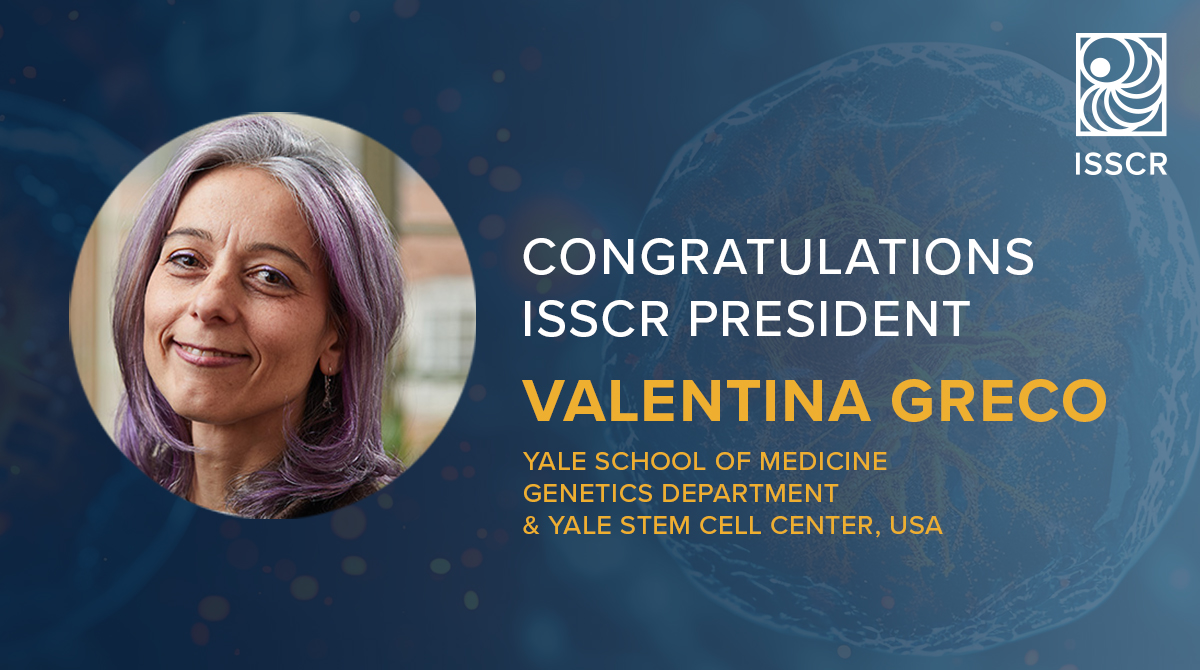
“My focus will be on people and scrutinizing processes so that they better support the diversity of needs of our members across identities including geographies and career stages."
@valentatormenta@YaleMed@YaleGenetics
https://t.co/cg2268Ugw6
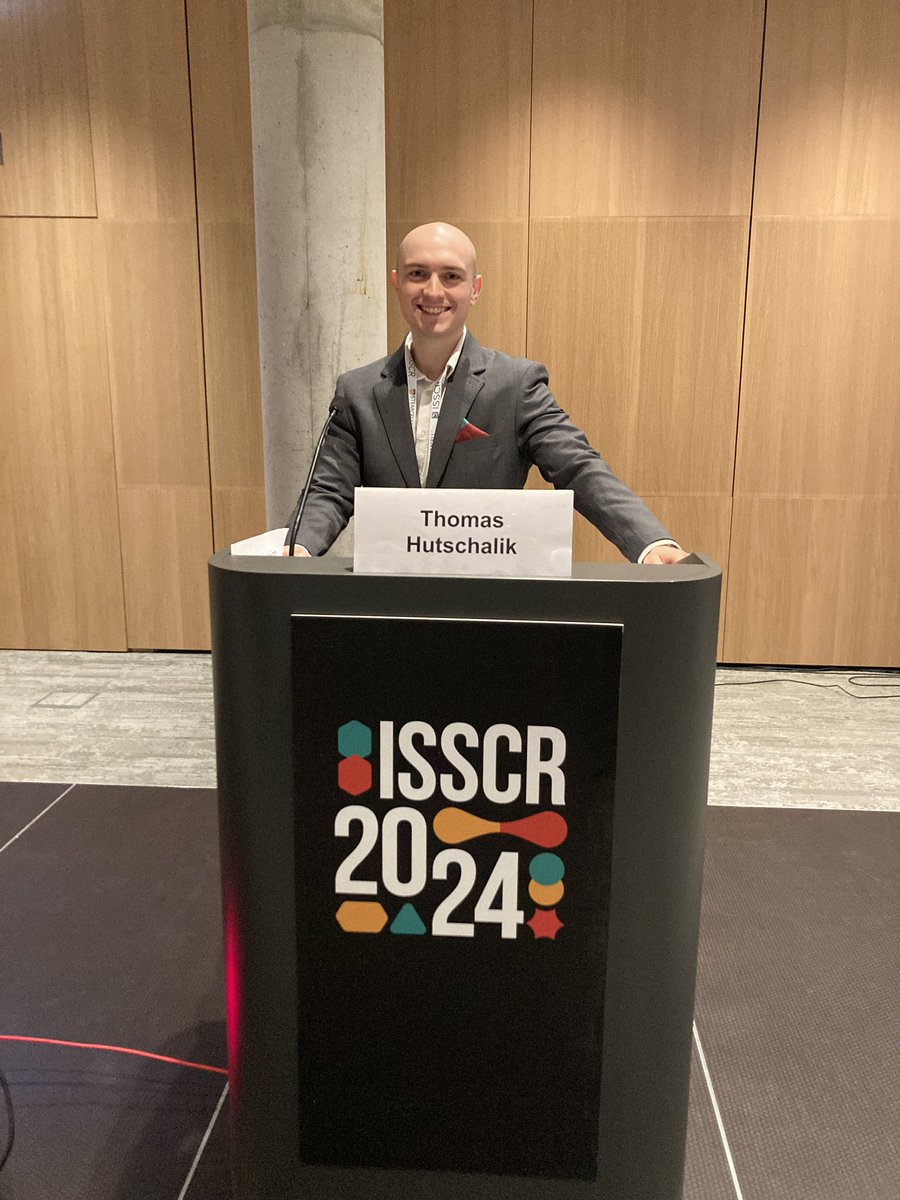
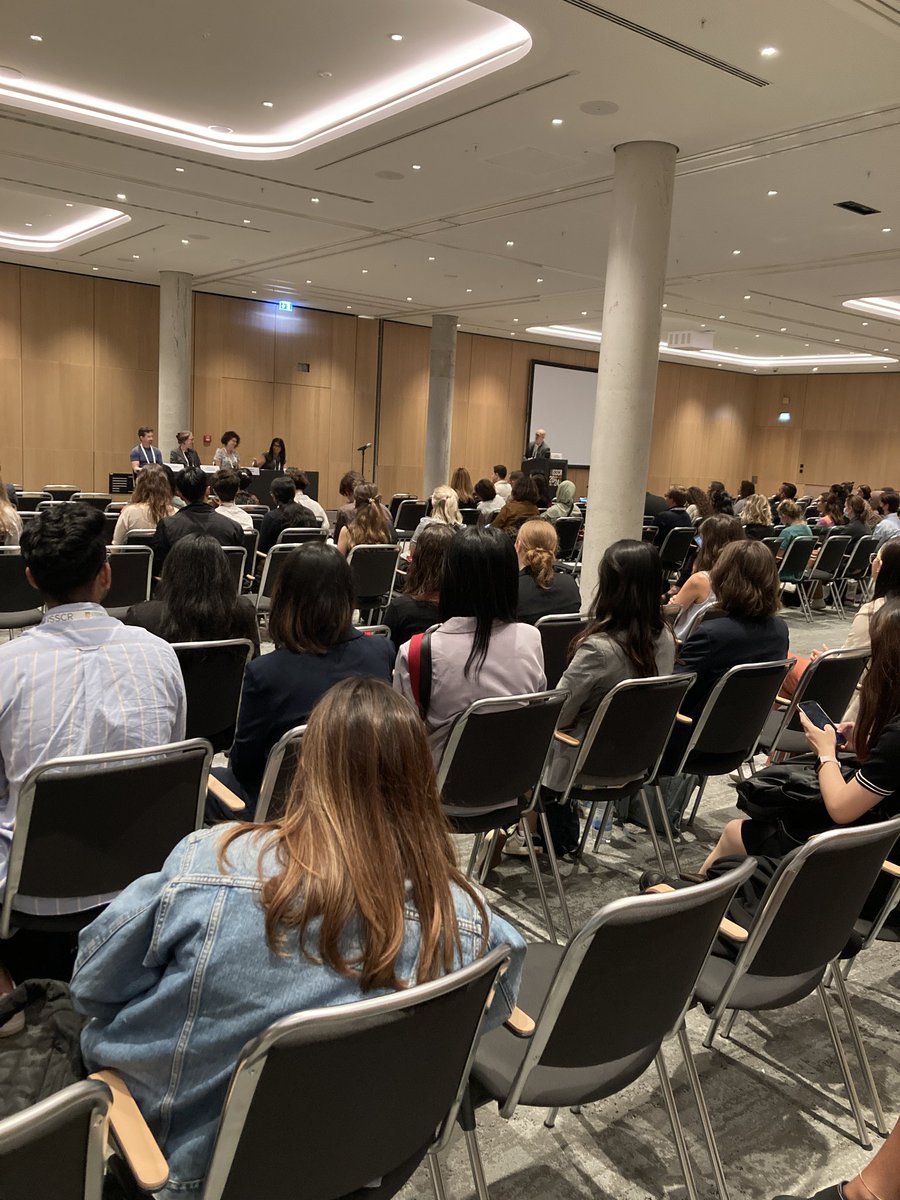
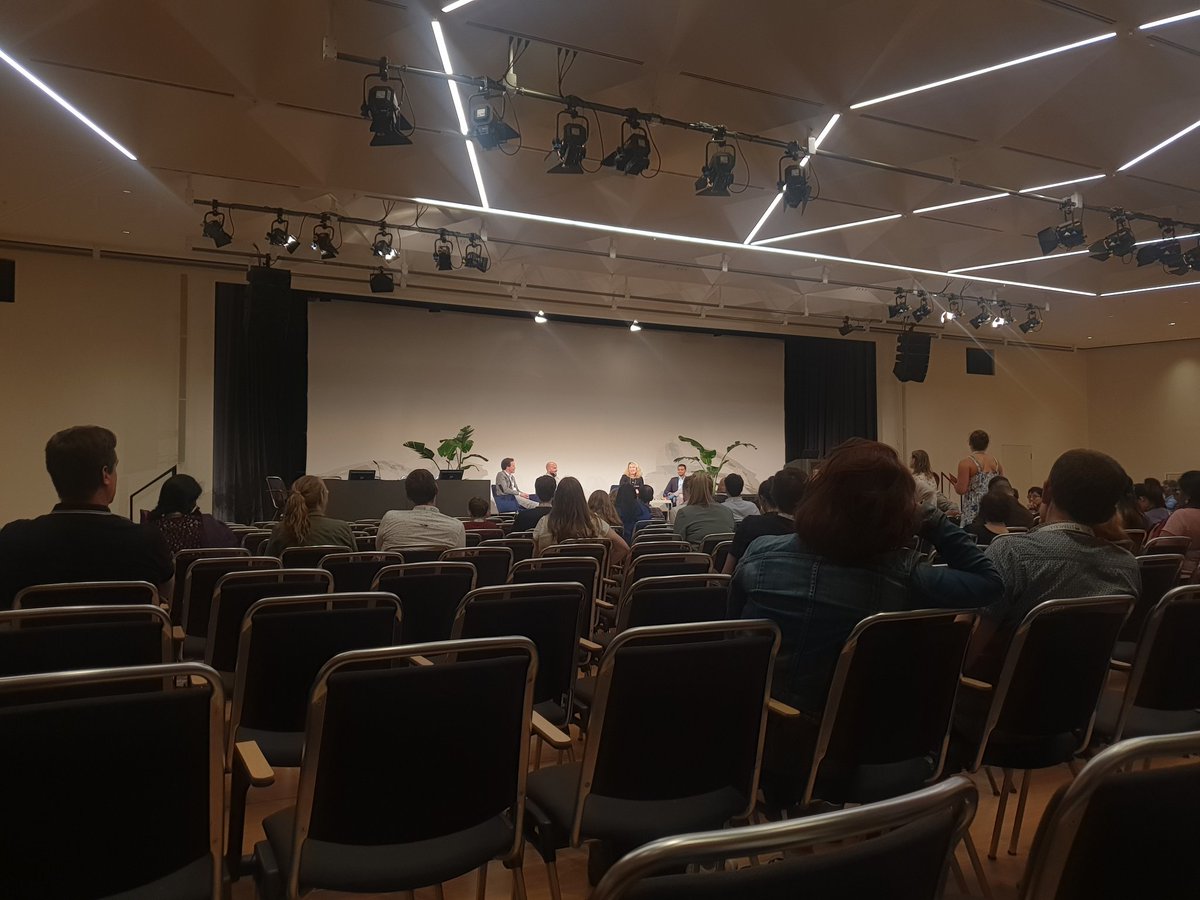
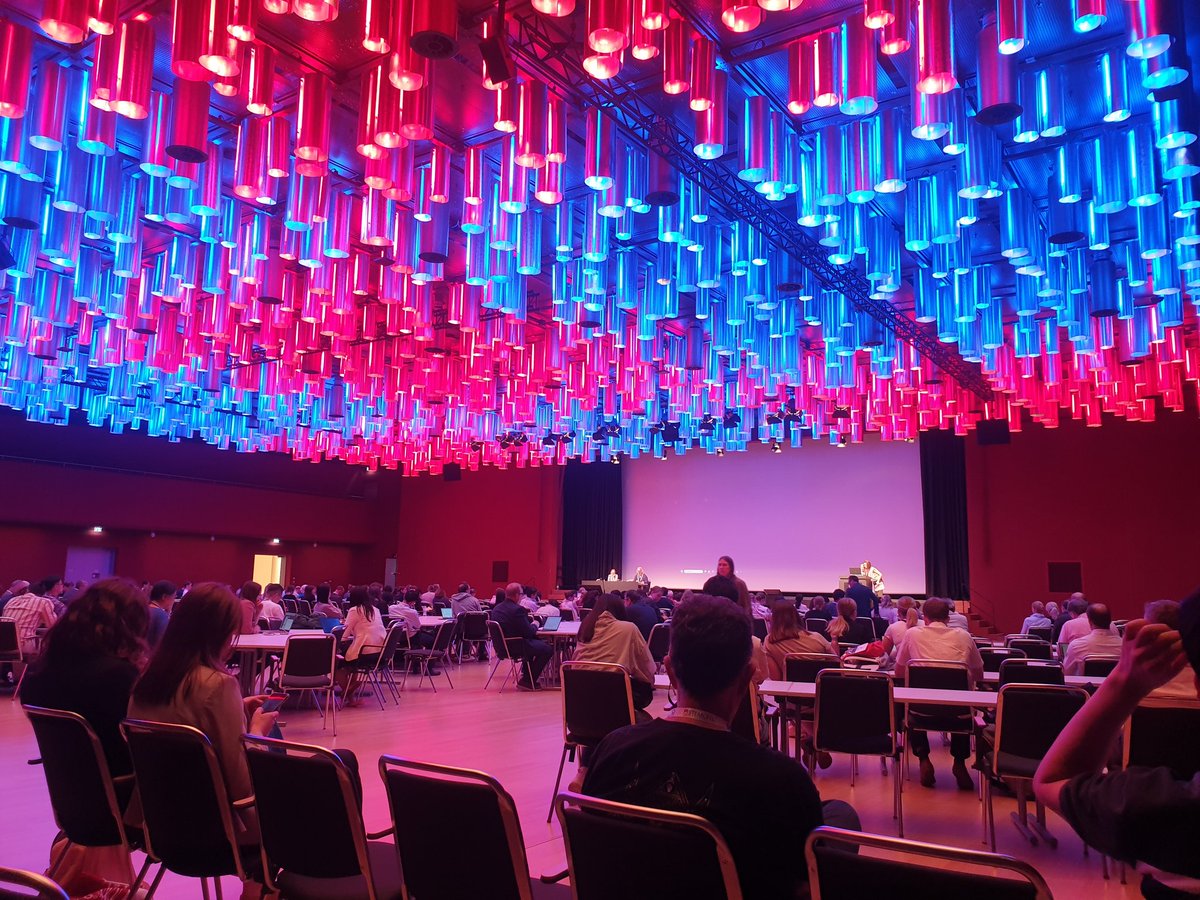
#ISSCR2024 in Hamburg was great, a wonderful week of stem cell science & networking! My highlight was getting to host the career panel of the @ISSCR early career scientist task force. Thank you to all the great panelists & the many attendees. See u all in Hong Kong at #ISSCR2025