Proteome-wide assessment of differential missense variant clustering in neurodevelopmental disorders and cancer by Jeffrey K. Ng (@WashUGenetics) et al.
https://t.co/Xulb6pYGNY
Highlight from @CellGenomics
Explore a joint collection from @AJHGNews (@GeneticsSociety) and Cell Genomics on variant functional studies which features how genetic variation shapes biology—from protein function to organismal phenotypes.
https://t.co/kKDT3eO1Uk
“Monogenic” disorders are not so monogenic after all. In Mowat Wilson Syndrome, we show common enhancer variants at RET can modify Hirschsprung disease risk, offering a genetic explanation for phenotypic variability.
https://t.co/fJTVTsaPB8
Great collaboration with @tycheleturner
Outreach note from @TNTurnerLab. One part of our research work since joining the faculty at @WashUGenetics has been building new and original genomics software out of necessity. Over ~7 years, driven by our interests in my research area of neurodevelopmental disorders, we have developed a steady stream of state of the art new original tools, and some now also apply to other phenotypes. Encouraged by other research scientists and to make this work more accessible for the community, I am releasing our first white paper: CNPI (https://t.co/eafoPTS7zS) #GenomicsWhitePapers #genomics #computation #bioinformatics
1/9 Excited to share our new paper in @BiologyOpen: “Generation and characterization of a knockout mouse of an enhancer of EBF3.” This collaborative project spans model generation, multi-omic characterization, and community release. 🧬🐭 @WashUGenetics@jacksonlab
https://t.co/K06spSNxA4
HAT-FLEX is a caller-agnostic, drop-in trio DNV detection tool that operates directly on existing VCFs. It introduces allele-level intersection, sex/PAR-aware logic, clustering, comprehensive audit outputs, and streamlined operations. HAT-FLEX supports both trio-level and large multi-sample VCFs, producing tidy, per-child outputs with full provenance. Developed in response to user feedback from HAT, HAT-FLEX enables use of existing VCFs, can extend to non-human species with diploid genomes, improves performance, increases configurability, and provides robust handling of sex chromosomes (X/Y). If you have feedback, please email or DM me. Thanks. https://t.co/NUdoS8IdBb #genetics #genomics #denovo
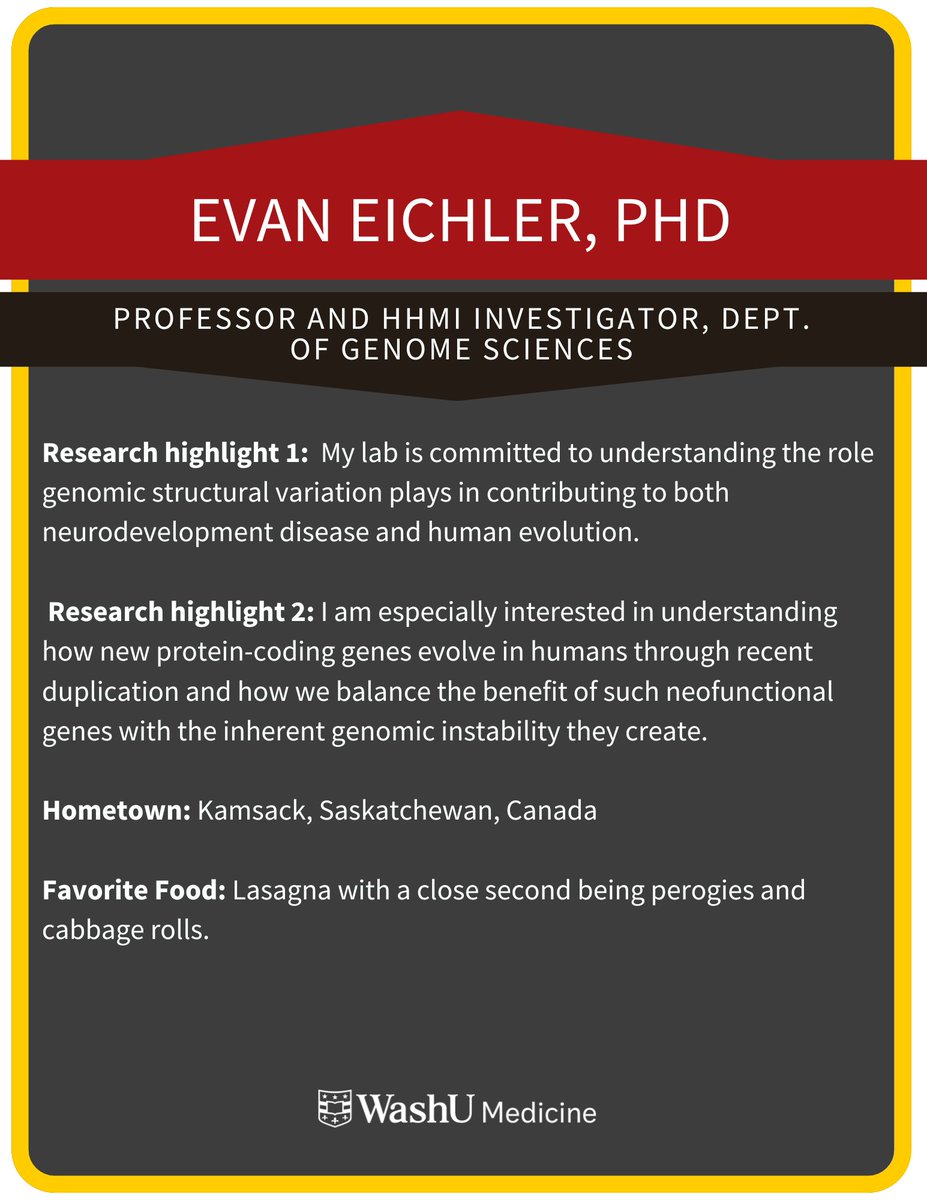
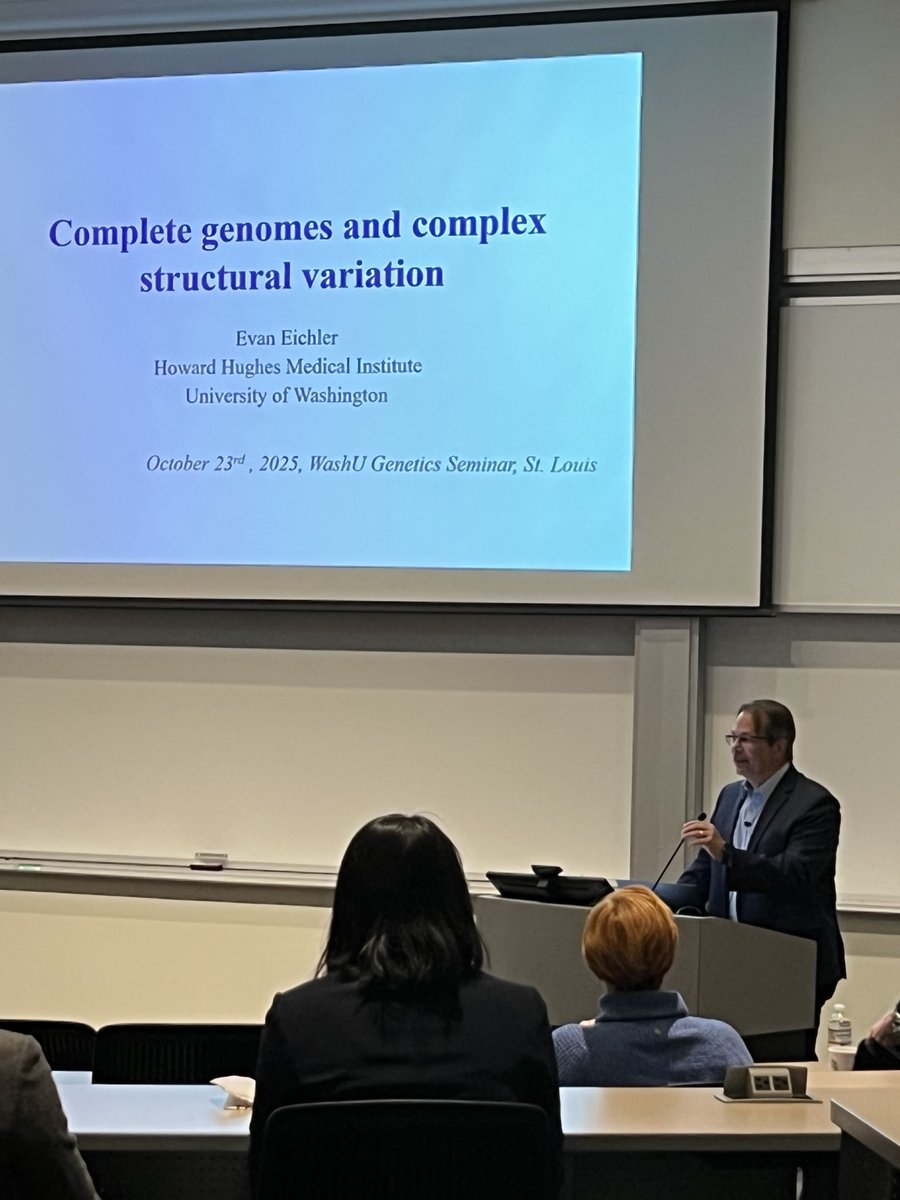
Thank you to Dr. Evan Eichler for visiting #WashU and presenting in our Department of Genetics seminar series. An inspiring talk from one of my academic fathers! @WashUGenetics#genetics#genomics
Looking forward to #ASHG25 with @TNTurnerLab this week!
🚨 Late-Breaking Poster Session: (yes, it is 7 feet wide × 3 feet high!)
Date/Time: 🗓️ Oct 16 | 2:30-4:30pm
Board 2009T: Whole-Genome Sequencing Uncovers New Insights into Chromosome 9p Syndromes
Presenter: Tychele Turner, Ph.D. (first author Isabelle Wang will also be joining me 🙂)
🧬 Omics Technologies Poster Session:
Date/Time: 🗓️ Oct 15 | 2:30-4:30pm
Board 4016W: CNPI - a Computational Toolkit for Rapid Copy Number Analysis of Whole-Genome Sequencing Data
Presenter: Sydney Collins, Turner Lab
Date/Time: 🗓️ Oct 15 | 2:30-4:30pm
Board 4029W: A Multiplatform, High-Throughput De Novo Variant Caller Run on Over 50,000 Phenotypically Heterogeneous Trios
Presenter: Jeffrey Ng, Turner Lab
@GeneticsSociety@WashUGenetics
🐭This week the strain detail sheet for the enhancer knockout mouse we describe in https://t.co/XrUWe8tXRr became available at the MMRRC https://t.co/aeQY4Cm2T3. Please check it out if you are interested in ordering the mice. #noncoding#enhancer#ebf3#genomics#genetics@TNTurnerLab@WashUGenetics 🐭
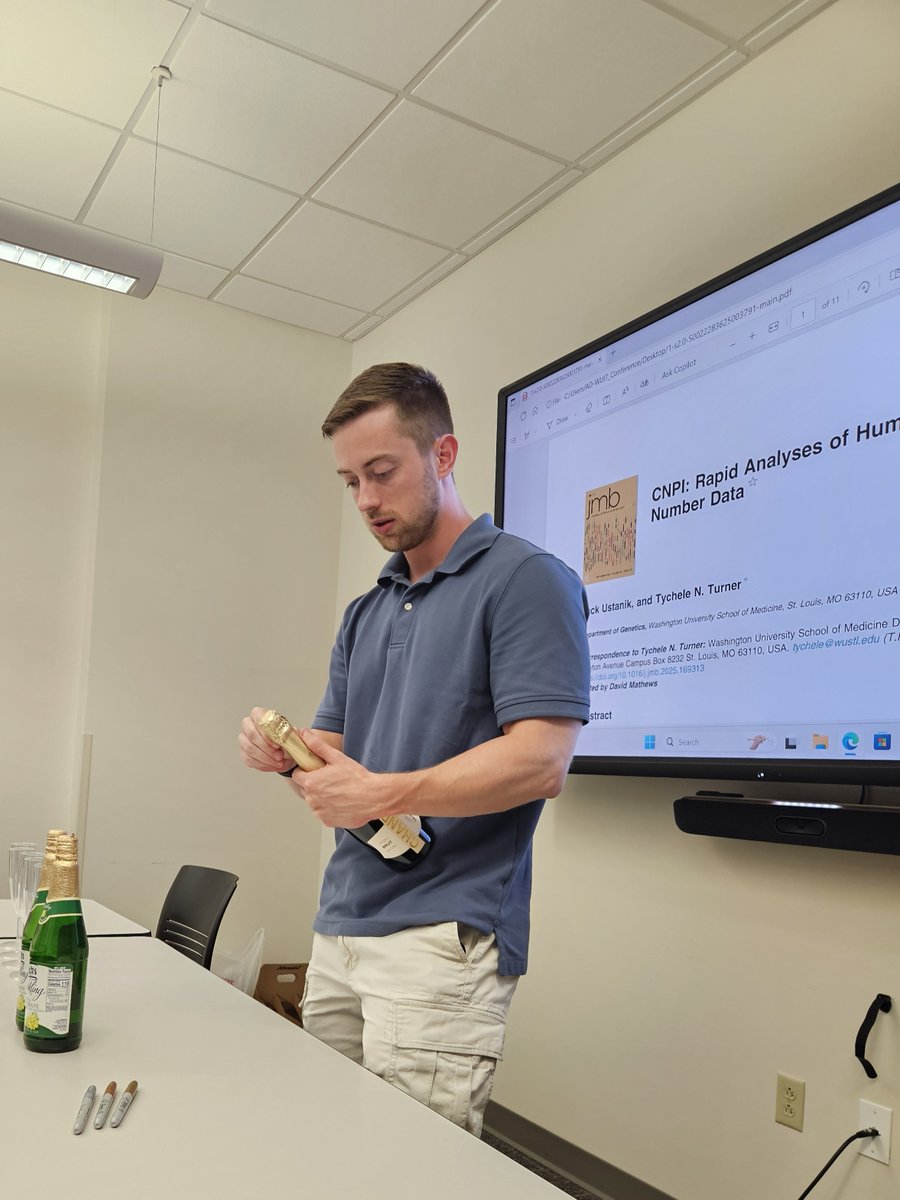
Earlier this week, we celebrated our 10th @TNTurnerLab paper 🎉: https://t.co/ZFBKLLdARp. I am especially proud of this paper. Watching this first author grow into a leader driving the analysis portion of a project and his first paper, with quite a bit of independence was a first for me as a mentor, making it a milestone for both of us and our lab. At CSHL last fall during a poster session, a professor told me, “He’s going to get scooped up quickly, he’s great!” They were right. Jack Ustanik has now moved on to an exciting new role. Bittersweet, but truly one of the best team members I have had in my lab! Congratulations Jack! 🙌 #bioinformatics #genomics #computation #research #CNPI @WashUGenetics@SimonsFdn
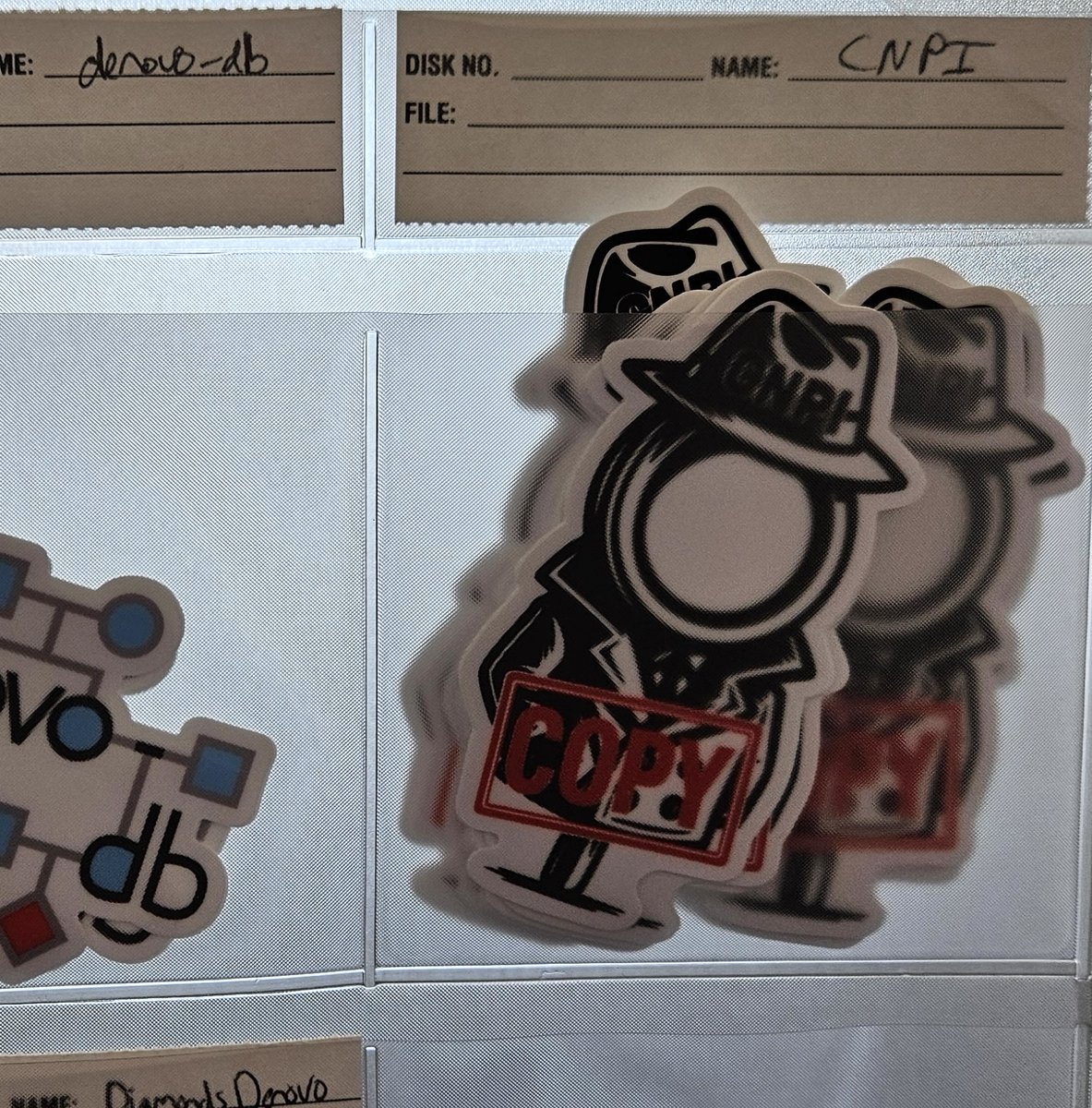
Excited to share that the Copy Number Private Investigator (CNPI) laptop stickers have arrived at @TNTurnerLab! You can find them in the Couch Building (usual locations). Check out the project here: https://t.co/dsT23u0FDn #genomics#bioinformatics#cnv
🚨 New from @TNTurnerLab@WashUGenetics! 🚨
Check out our latest paper on efficient genome-wide copy number genotyping in WGS data:
https://t.co/FLWZVx9C7E
Also explore the CNPI toolkit powering this work: https://t.co/dsT23u0FDn 🧬🖥️ #genomics#WGS#copyNumber#cnv