Transit Oriented Development (TOD) Institute advocates for the roll-out of walkable, mixed-use, sustainable communities around rail & transit stations.
This morning I submitted the People over Parking Act, a bill in the U.S. House that eliminates parking minimums across the country in transit rich zones. We are in a housing crisis and eliminating parking requirements lowers costs to build. It’s good housing & climate policy.
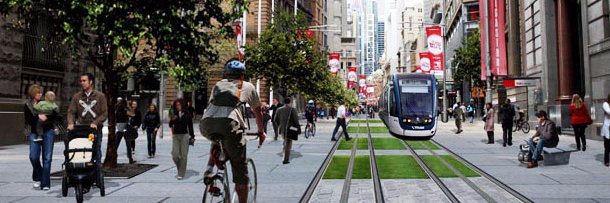
Remember this picture every single time you hear someone in your city say "we're not Amsterdam."
This was #Amsterdam in the 1970s, via @fietsprofessor.
The cities we admire made better choices regarding cars, and are still making them today.
Better choices instead of excuses.
The vision the Duluth Waterfront Collective has to remove the urban freeway that bifurcates the city is awesome. Goals for a more vibrant, more livable, and less polluted city start with removing overbuilt car freeways and infrastructure. (@highway61duluth)
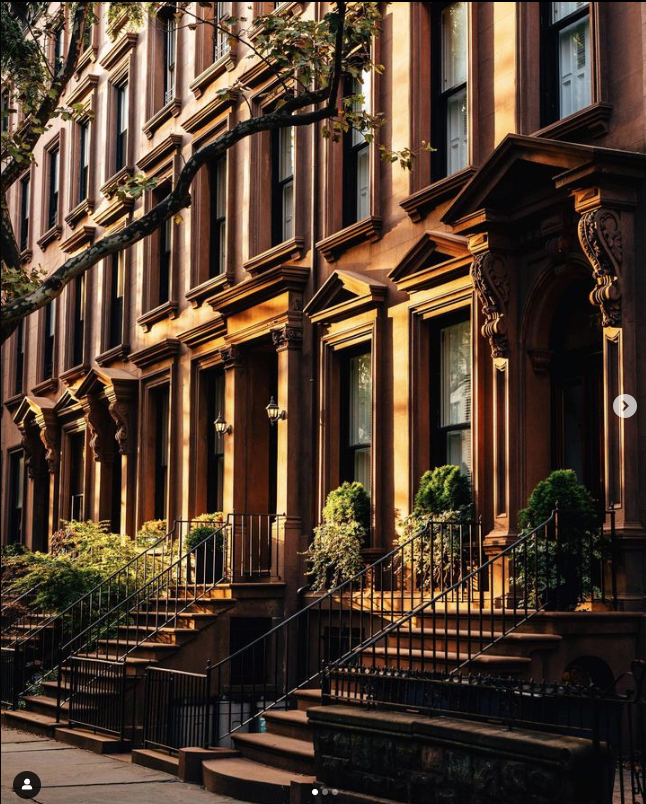
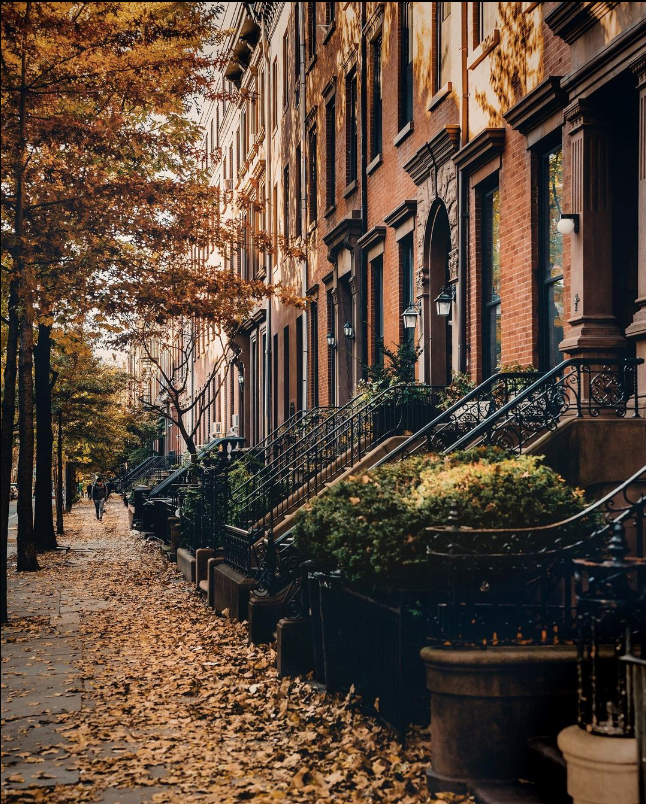
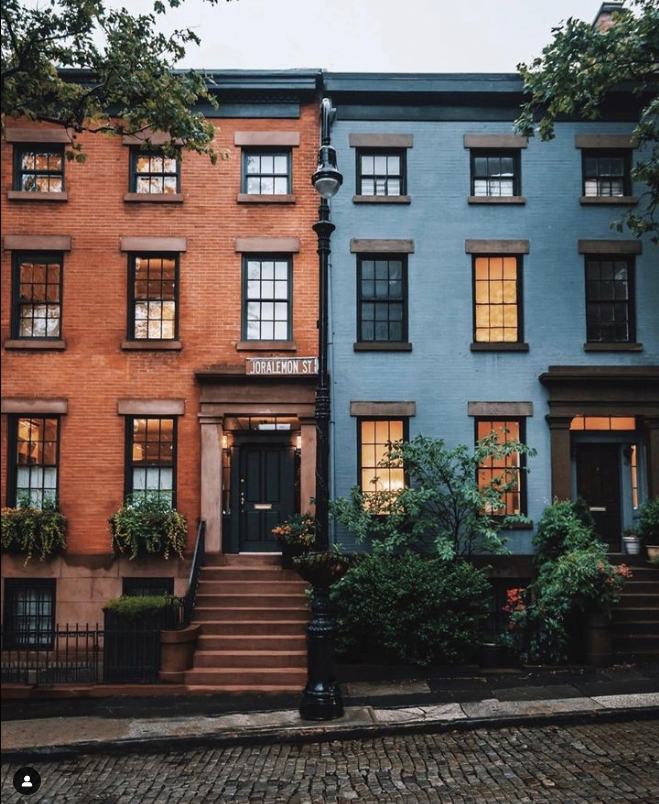
Brooklyn Heights, known as the "first suburb" in New York City, is one of the densest neighborhoods in North America with 78,000 people/square mile. Levittown, the first postwar suburb of Long Island is 10% as dense. Dense communities can still be gorgeous. (Insta: JoeThommas)
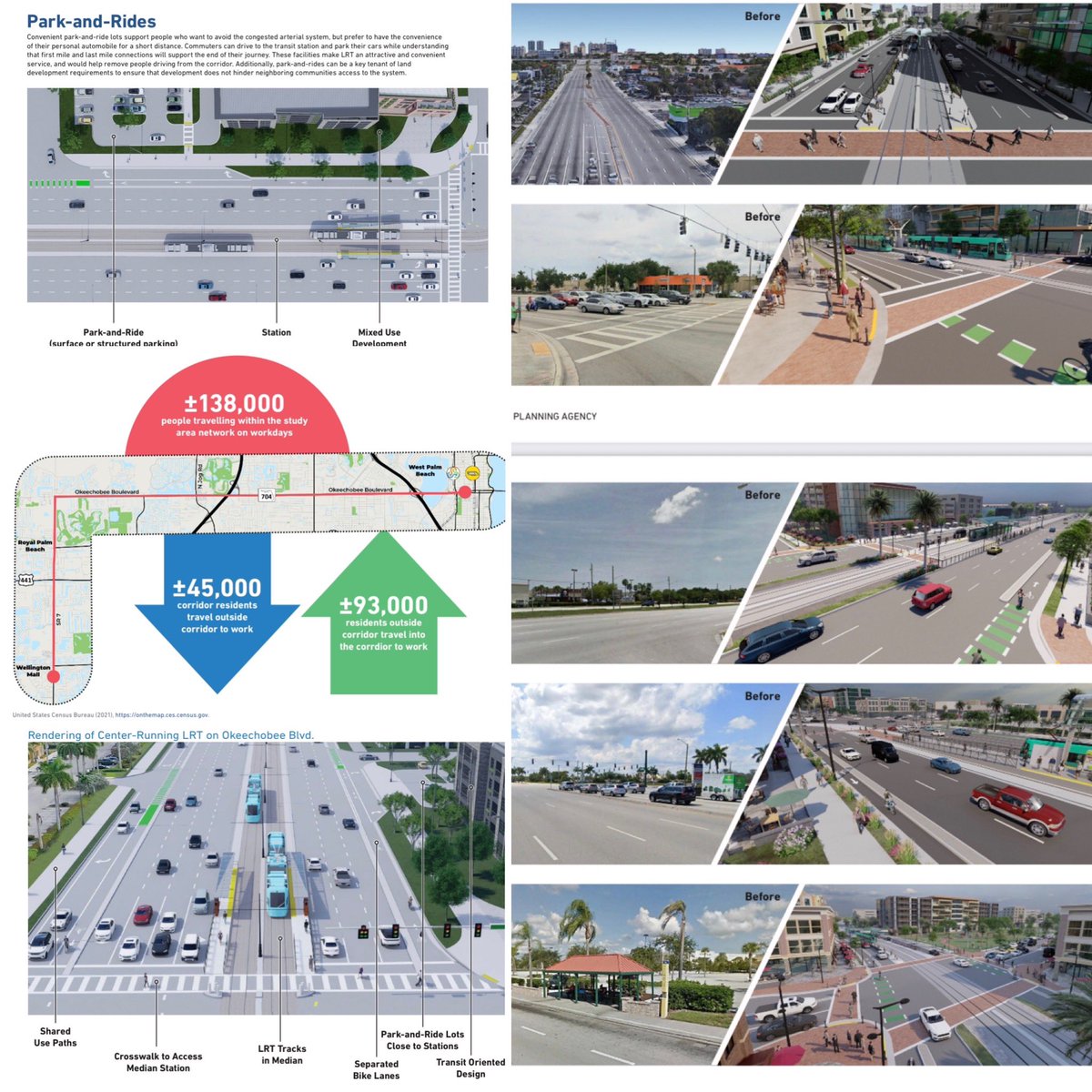
Proud of the @PalmBeachTPA’s visionary study that proposes center running light rail along this major east west corridor to move people in a safe, efficient, and connected way✅😄👏🚄🏡🌇🚄☀️🌴 https://t.co/iB3kcKtsyE #transit#lightrail#completestreets#palmbeachtpa#florida
“It’s such a house of cards, a pseudoscience. The more you look at parking minimums, the more you realize they are ridiculous. People are finally listening and waking up to this.”
https://t.co/ZHrlh6H1Jp
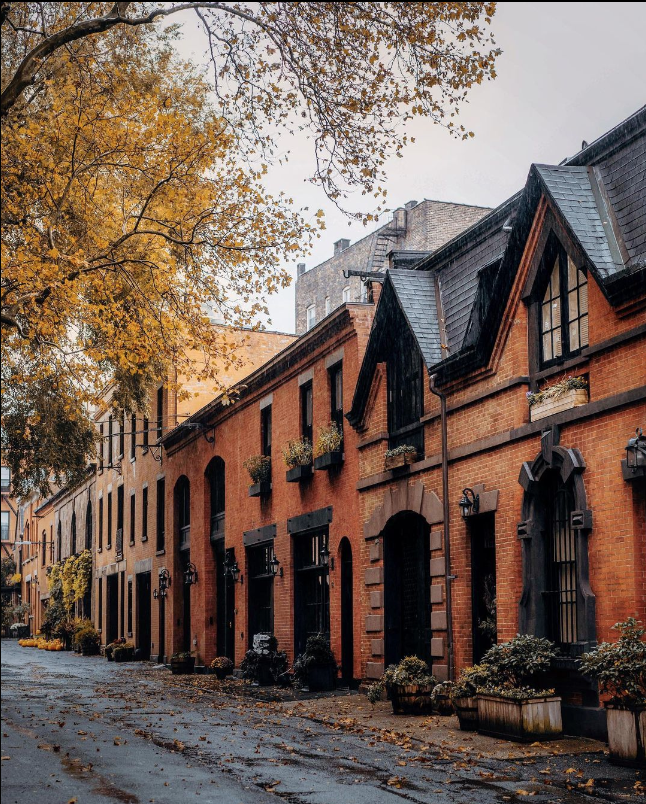
The quality of design in Montgomery County is becoming increasing important as the land to develop on shrinks. New development should be attractive, safe and sustainable places to live, work and play. Learn more about our Design Excellence program. https://t.co/q1BVel6eL6
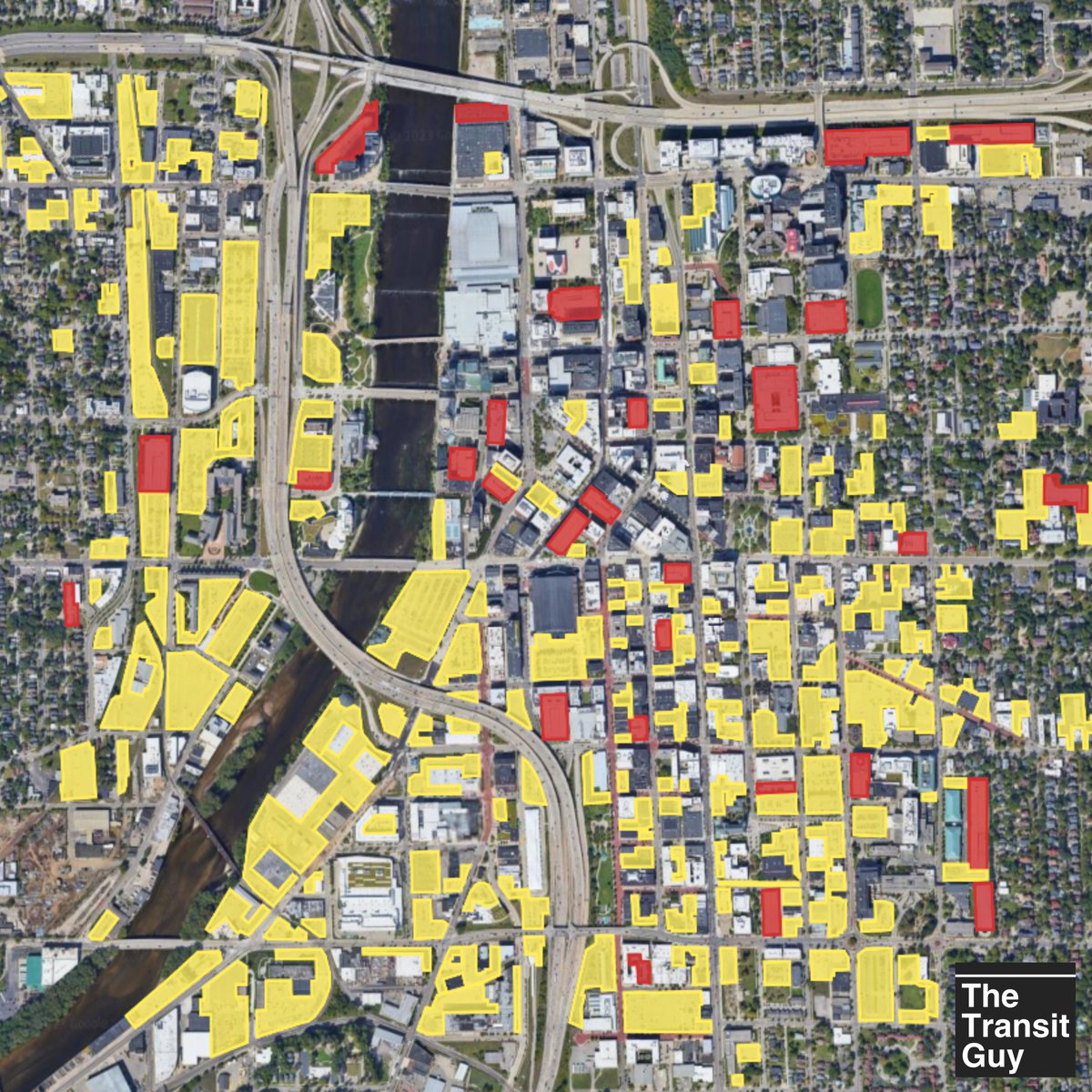
Grand Rapids? More like Grand Parking. In downtown alone, there are more than 30,000 parking spaces for a city with under 200,000 people. We need more infill development and to get rid of parking minimums, everywhere.
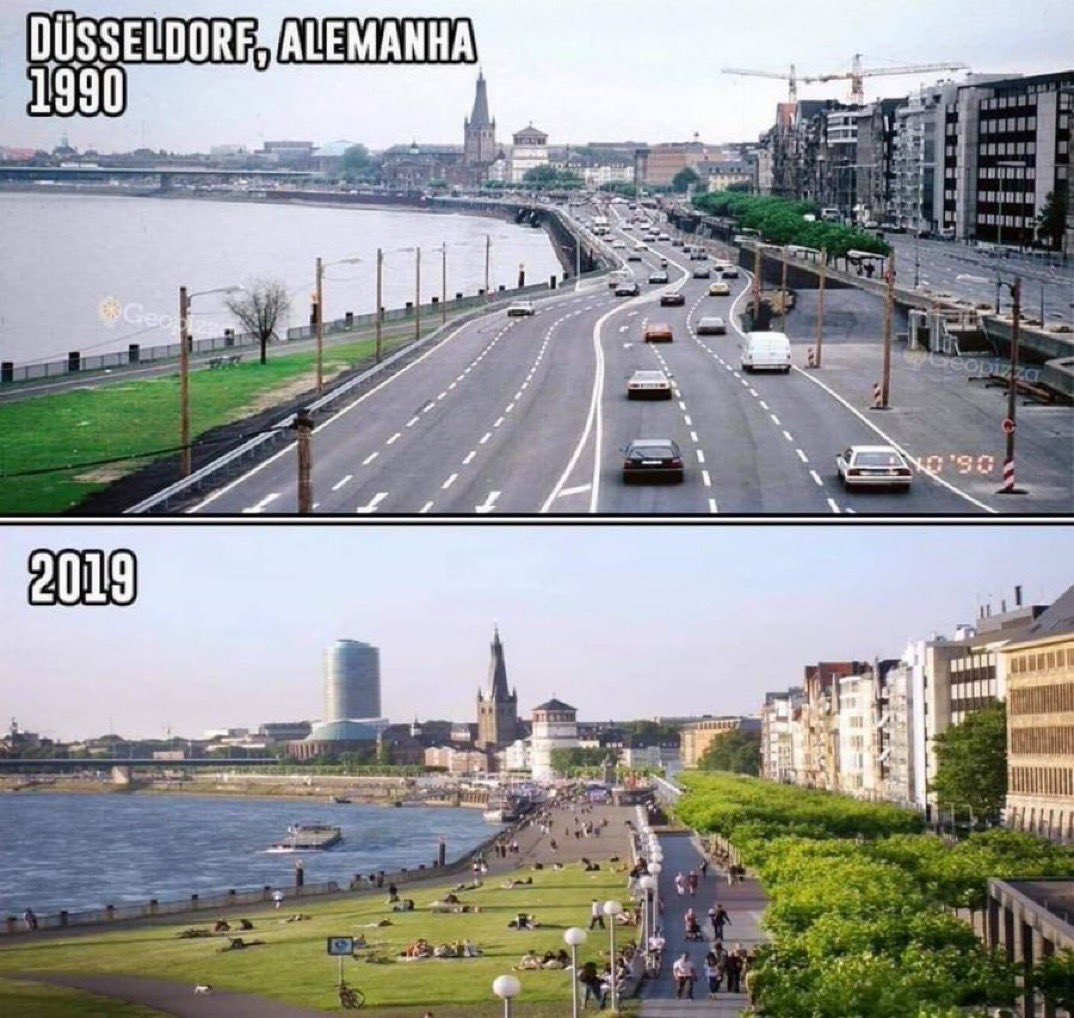
One of my favourite things to share on Twitter are inspiring before-and-after photos of transformed urban places. They kind of speak for themselves…except what you can’t tell from the after-photo is that vehicle traffic often actually gets BETTER.
This one comes from @iamcais.
Make cities for cars, and they work for nobody (including car drivers). Make cities for humans and they work for everybody!
(by @jan_kamensky, based on Schrödingers Road Space by @urbanthoughts11)
https://t.co/N40B5JXCg5
If you laid out all the parking in Downtown Raleigh, you could fit the entirety of Disneyland in it twice. If you parked in a different spot everyday, it would take you nearly 74 years to park in every space. Our cities have too much parking…
Urban design notes: (1) excellent use of street trees and, on the right, landscape buffers; and (2) if you're going to build a highly impractical, meandering path, it's nice to build a direct option as well.
Glad to finally be in Miami for #RailVolution2022!
Totally loving Miami's #Underline creating vibrant, livable and active spaces for all ages in the heart of the city...under rail transit! #railvolution2022
#DYK? The average household spends 16 cents of every dollar on transportation, & 93% of this goes to buying, maintaining & operating cars - the largest expenditure after housing.
A single household can save nearly $10,000 by taking public transit & living with one less car.
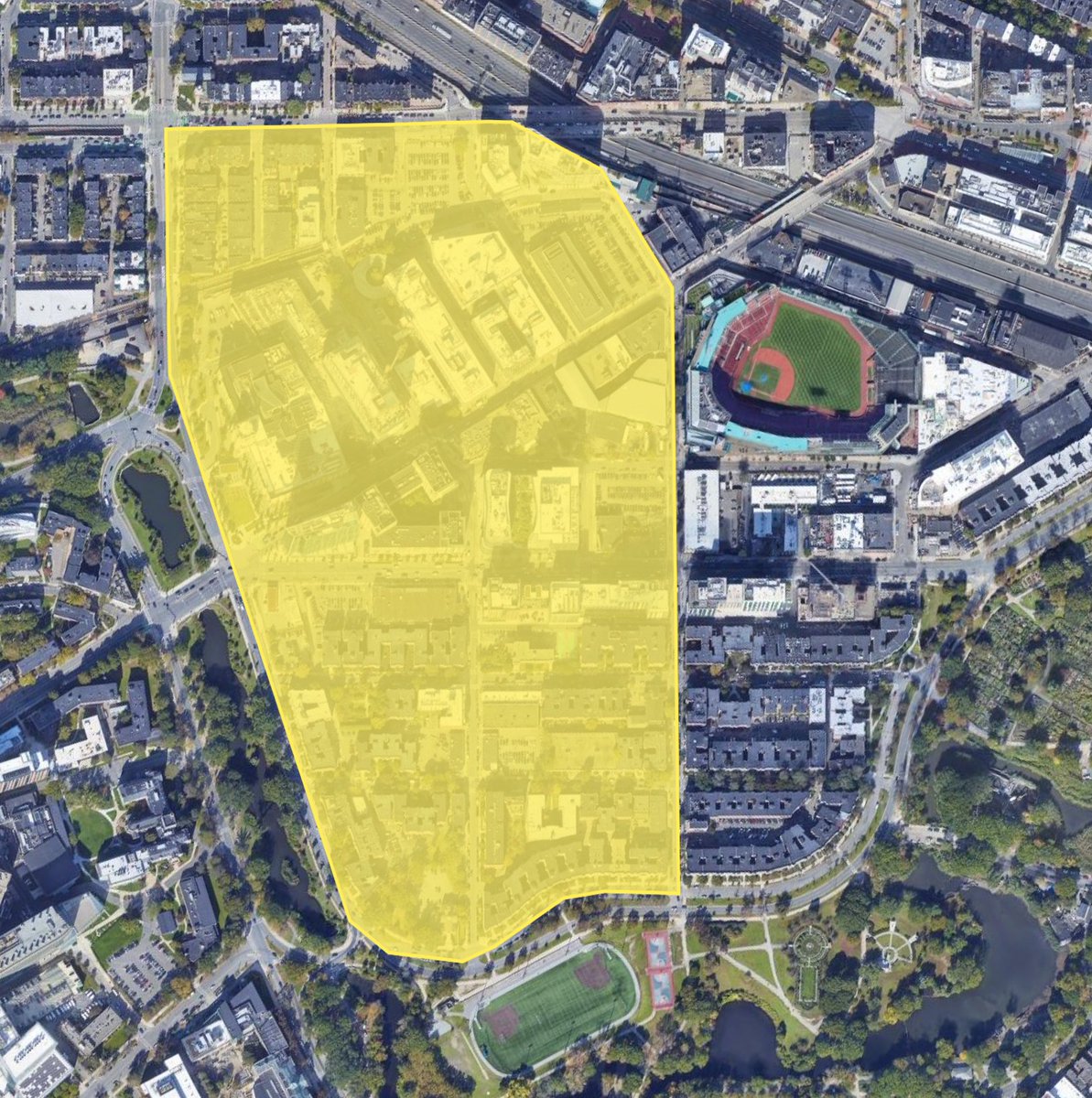
If Fenway Park in Boston had to adhere to Wichita's parking requirements, the surface parking lot would cover 18 blocks of the city. That would mean that you'd need 73 acres of parking to watch an event on a 2.77-acre field. Ban all parking minimums, today.