On the supply side, we see materials like T-glass maintain extremely strong demand across both thick products (primarily used in ABF substrates) and thin products (mainly used in BT substrates). Even TSMC underscored the impact of T-glass on CoWoS yield and reliability. We see Chinese vendors are entering aggressively in the T-glass market, expanding supply from a single source (Nittobo) to more than five suppliers, offering a glimmer of hope on the T-glass supply side. Materials are tight beyond just T-glass; substrate-level CCL has been almost solely sourced from Resonac, creating another bottleneck for substrates. Now, we are also seeing EMC make continued progress on substrate CCL. Product shipments could begin as early as 4Q26, with plans to expand its substrate CCL capacity by 100% in 2027, making a new solution available for the substrate CCL. (2/2)
After watching clips of China's humanoid Olympics...
I think we're cooked chat.
Still can't believe $GOOGL sold Boston Dynamics, don't think we have another humanoid that can backflip.
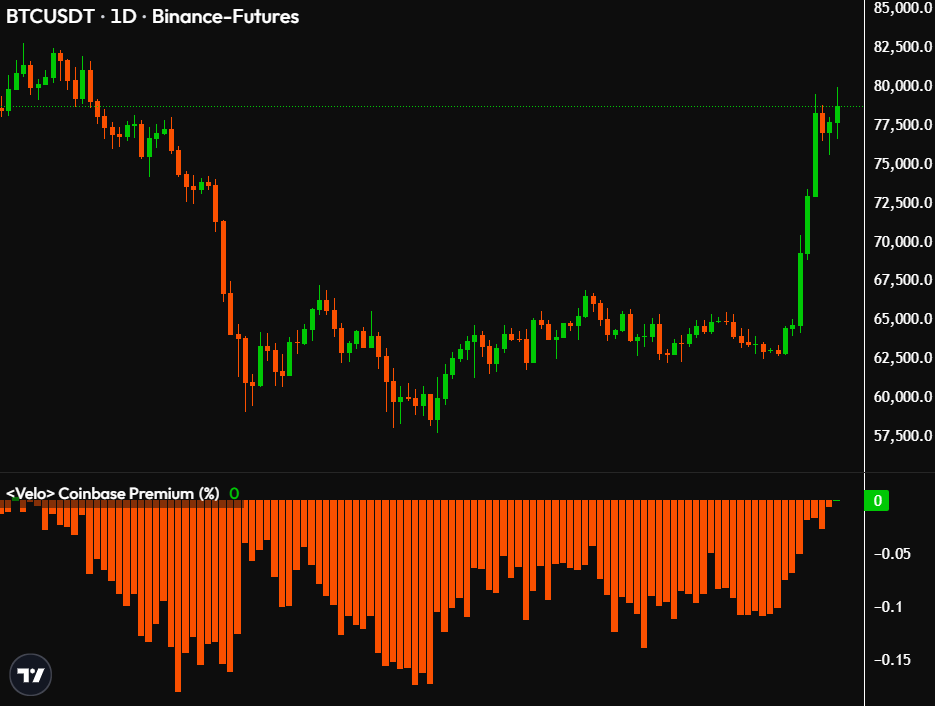
So all of the sudden everyone is bullish on Bitcoin. Perfect
But.
Daily RSI: 80
I will be rational here. You want a dip?
Look at $73,000 & $71,000 as your next attractive buying opportunity.
iPhone demand in China is around 50M units, and assuming each phone ships with 12GB of RAM, the annual demand is around 600M GB.
CXMT's yields have crossed 90%, and if they are using D1a/G4 (0.32 Gb/mm2), then around 240k wafers will be required, or 20k WPM (G5 is denser, but I don't know the exact density)
CXMT's capacity for DRAM is around 300k WPM and 50k WPM for HBM by YE26, so if CXMT were to supply every single Chinese iPhone, then they would need to dedicate 6.6% of their capacity to Apple
I don't think they will supply every Chinese iPhone, but CXMT could supply 40%-50% by dedicating just 3% of their capacity.