Have you seen these early bloomers? Serviceberry, fragrant sumac & pussy willow! They are some of the first species to bloom in the spring & provide a much-needed source of nectar to pollinators when food sources are scarce.
Plant your own through LEAF: https://t.co/FhTUywhhpq
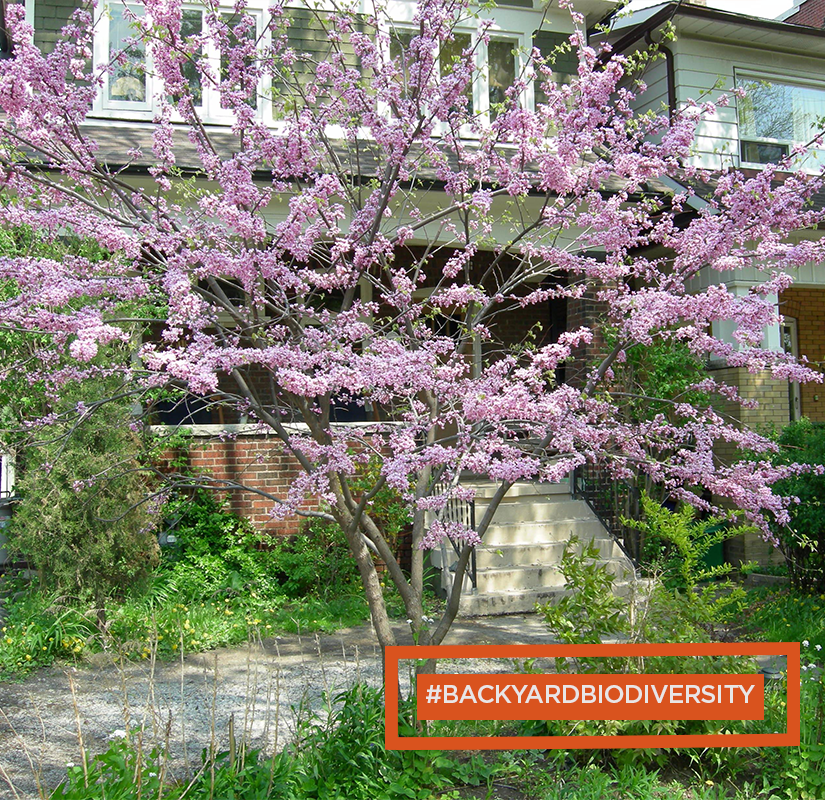
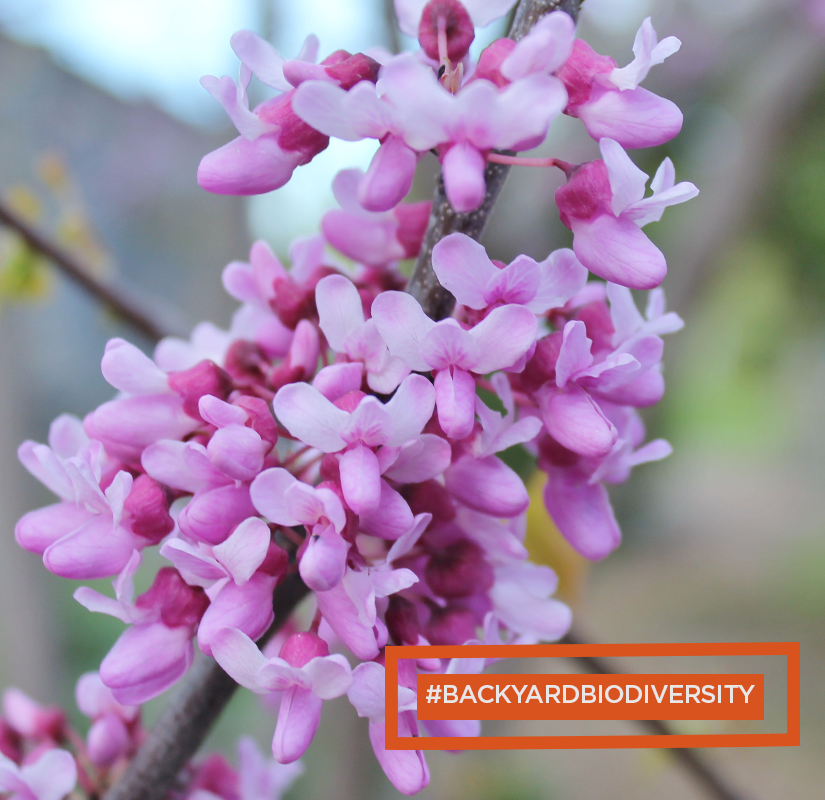
Eastern redbuds are early spring bloomers. They provide a much needed food source for pollinators, like native bees & hummingbirds, when other species have yet to bloom. Learn how you can help #BackyardBiodiversity this spring w/ @TWC_Wildlife & @opg: https://t.co/bPuQJzF2hr
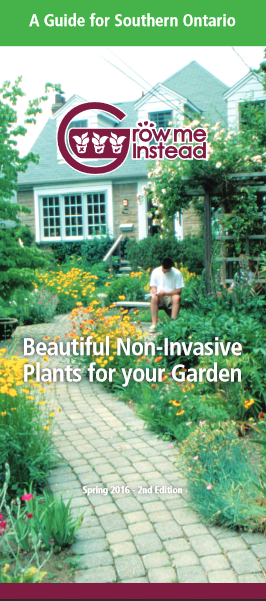
Spring has almost sprung and its put us in the mood for planting! Planting native species that is! Check out the Grow Me Instead Guide from
@OIPC1 to learn what native species would do well in your garden! Download your free copy at https://t.co/RaNdKgeVUy
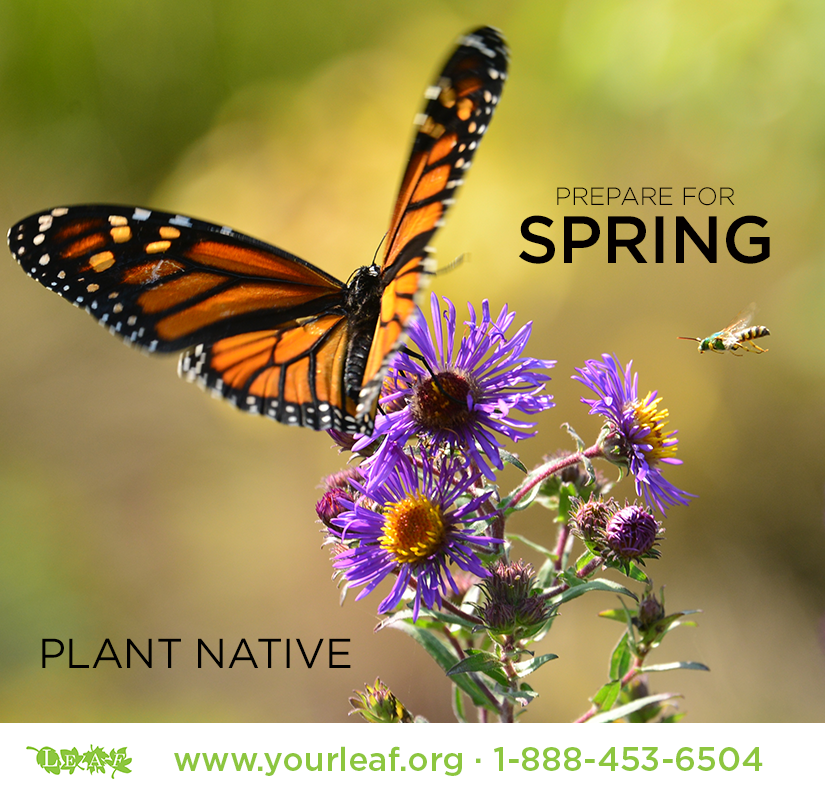
Prepare for spring’s arrival by ordering your Native Shrub Bundles & Garden Kits! They'll add beauty to your yard AND provide a perfect pollinator paradise. #monarch#butterfly#pollinators
Order: https://t.co/tzbscSyfex
Learn about #BackyardBiodiversity: https://t.co/bPuQJzF2hr
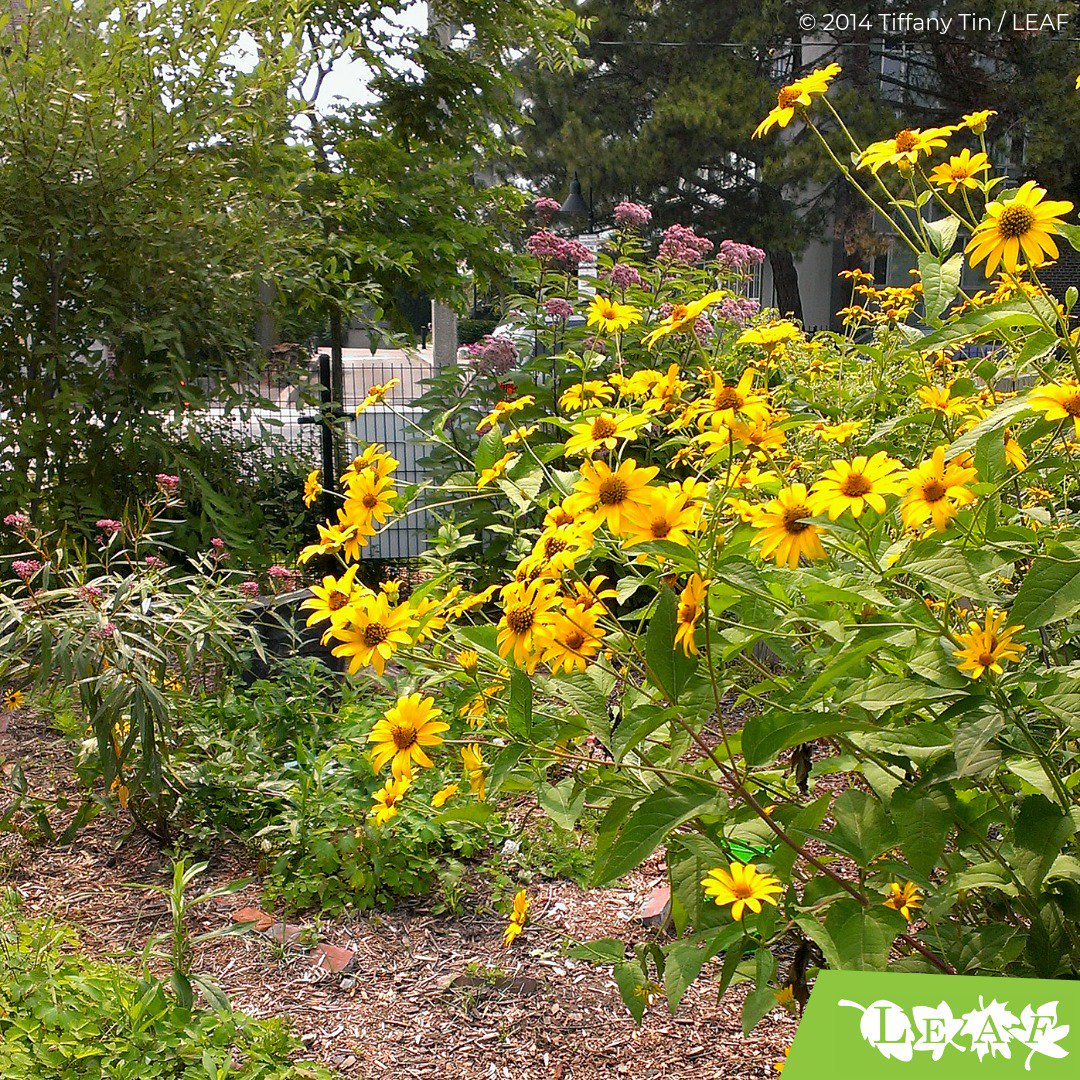
It sure is white out there, but it's a great time to plan your spring projects! To naturalize an outdoor space, mimic the multi-height nature of a forest - plant trees, shrubs, perennials & groundcover. Plan now to have a garden like this later! #BackyardBiodiversity#gardengoals
“Bees are becoming very hip,” says Warrick, who uses the honey he produces to educate culinary students about the benefits of honey. “I don’t see a downside to it at all.” Maybe that's bc no one is talking about the downsides like competition & disease?? https://t.co/llPMTHxCi9
Climate change and pipelines are bad for bees and other wildlife. As a Conservation Biologist and human, I need to get on board with lowering carbon emissions stat. https://t.co/vYKJvsn2CZ
Use ecological references in planting design!
WHEN: Thursday, February 21st, 9:00 a.m. to 6:00 p.m. (lunch will be provided)
WHERE: Ryerson University, George Vari Engineering and Computing Building (245 Church Street)
https://t.co/etUDa7xUl6 to register
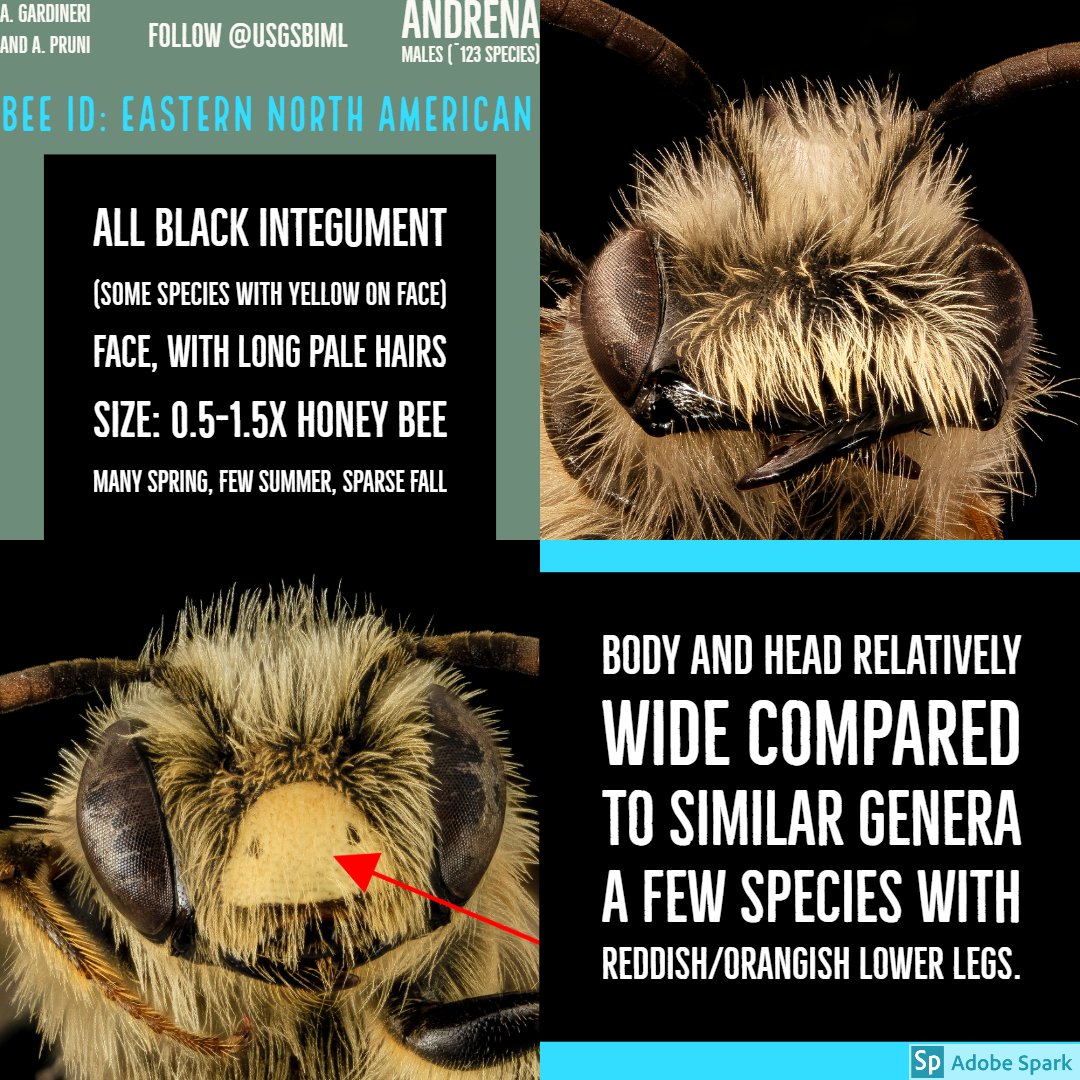
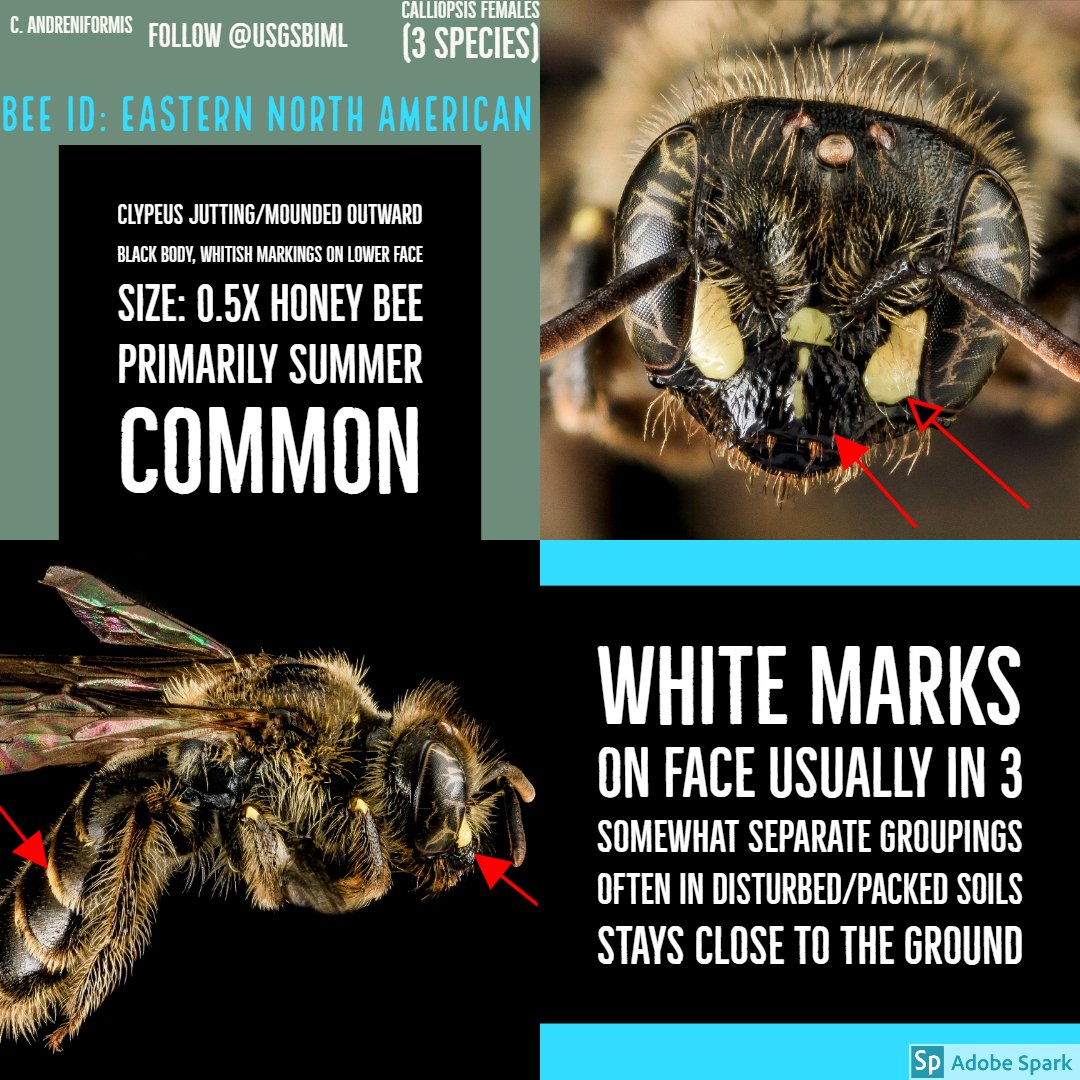
The next in the KNOW YOUR WILD BEES CAMPAIGN. Calliopsis are often specialists...the most common (C. andreniformis) loves things like hard packed playgrounds. You have it at your house almost for sure. Want more of them? Dig a whole or pile up dirt and they will move in.
Learn how to identify native and invasive species with expert help from a LEAF professional. Discover beautiful native plants you can grow in your yard! Registration for this event is limited and is on a first come, first served basis. https://t.co/aVXuAjMspw
Cities can provide a buffer to certain threats like pesticide use and climate change. We need to take care of the biodiversity in cities for long-term conservation. https://t.co/HmM721mxFD
Addressing pollinator introduction policy and the effects introduced species can have on local ecosystems with @rominatwi @ManuSaunders and @EcologyToby Read more: https://t.co/TyLslrotIr
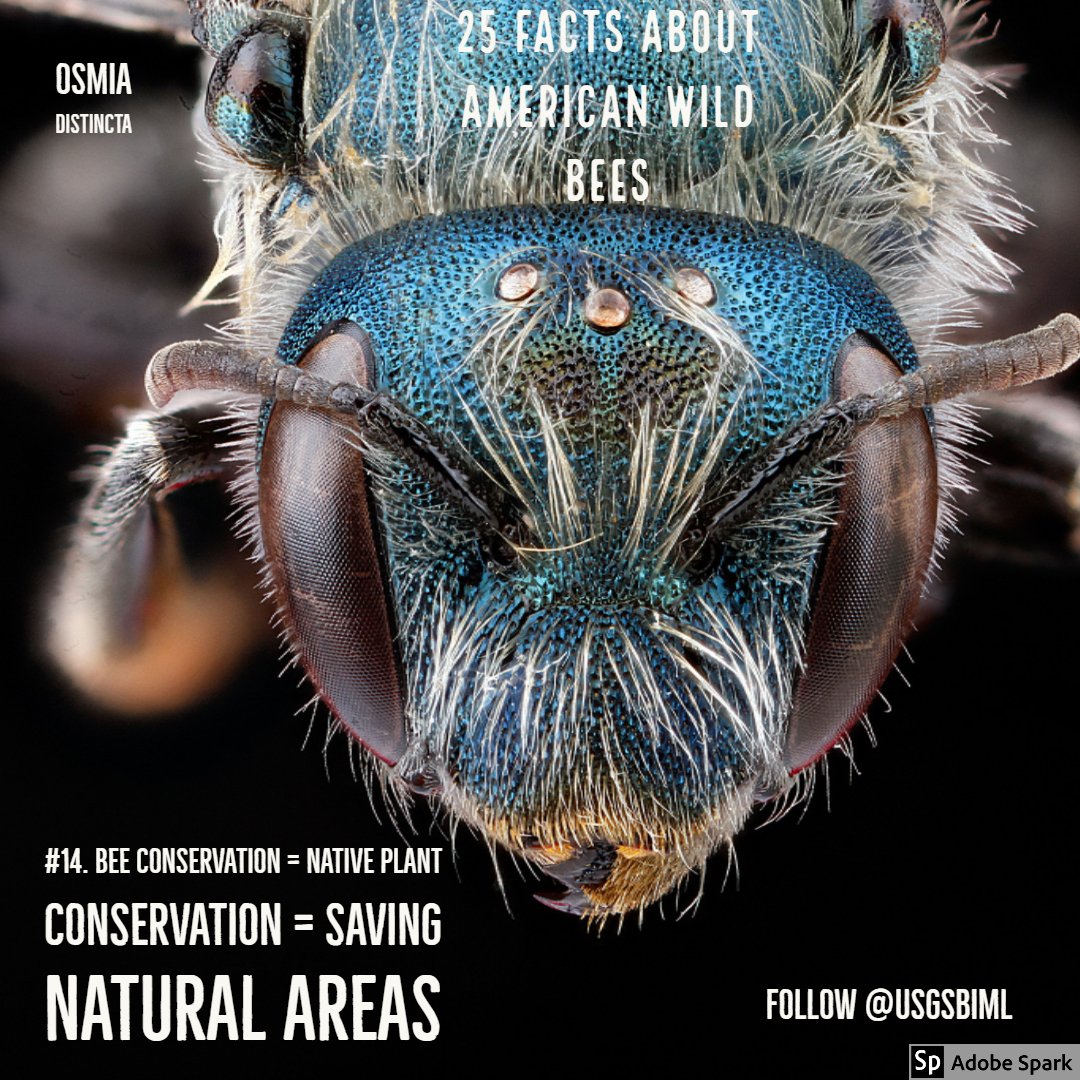
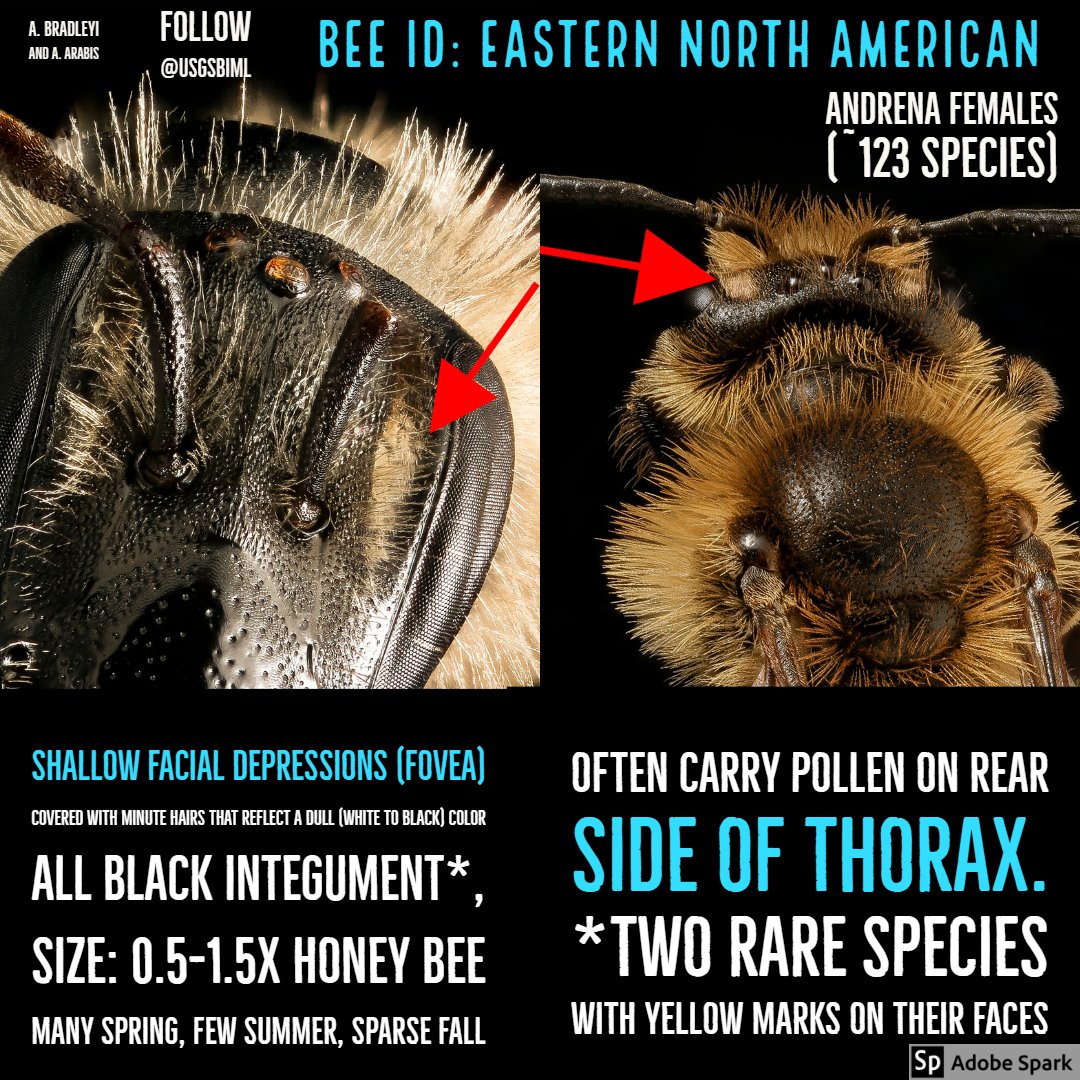
Number 14 in the KNOW YOUR WILD BEES CAMPAIGN.
Plant biodiversity is the answer to the bigger question of how do we keep all our bee species around. Planting flowers good, but favors common bees. Better to preserve wild areas #bee conservation #bees
Honeybees, this is the bee that we all know, they give us honey, they are raised commercially, and we can point at the hives; to some people it seems to be the only bee in existence. But, as you know, there's so much more, but so little information in the air about the other 4000
Number 16. THE CAMPAIGN TO KNOW YOUR WILD BEES.
In a rough world where you can be eaten at any moment; there is usefulness in being able to make self-supporting capsules for your babies with enough food and liquid to last a year. #bees#factsonly#Entomology
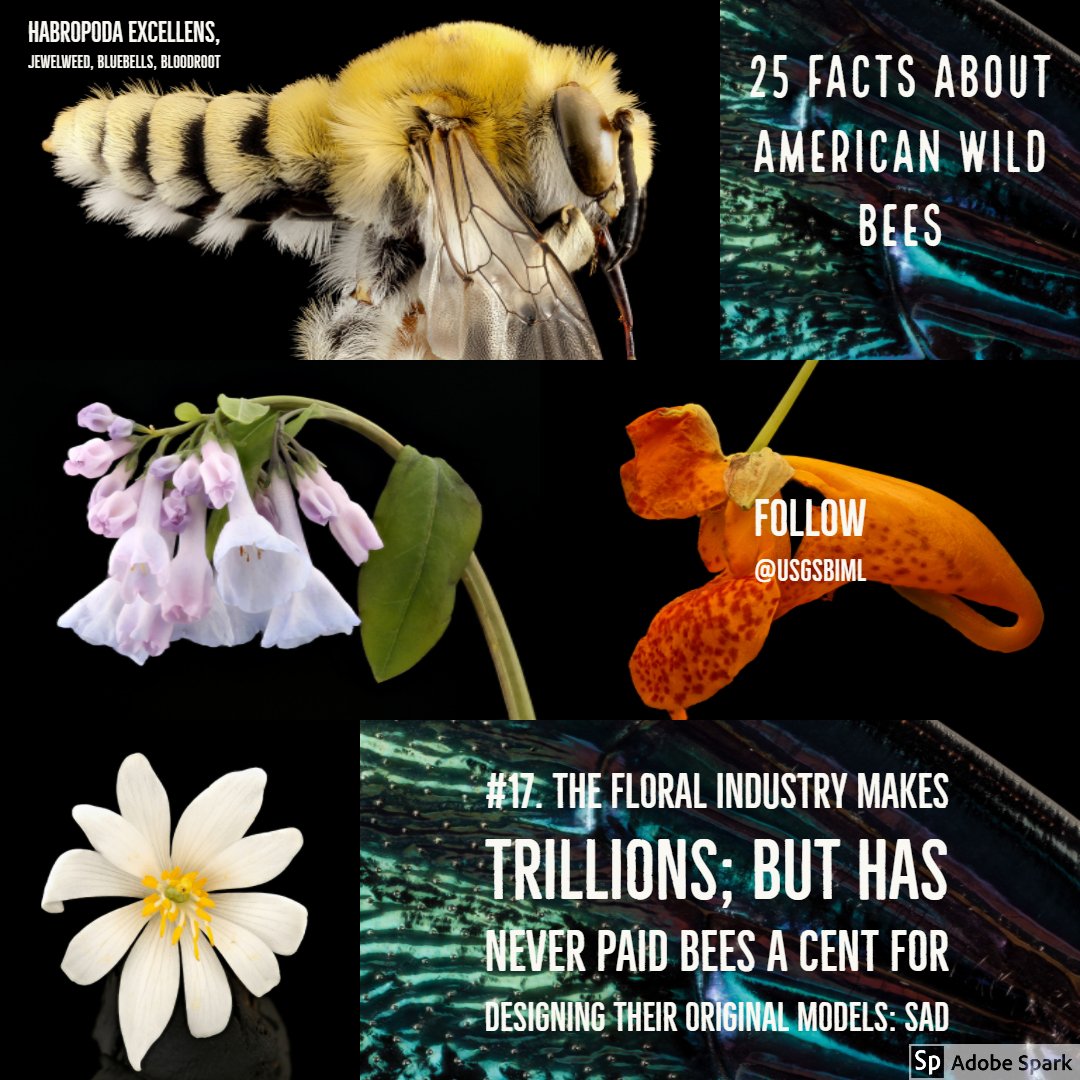
#17 of the KNOW YOUR WILD BEES CAMPAIGN. Wild bees and plans have cocreated flowers. We have added our tweaks, but they are trivial compared to the bee's contributions. #Bee#Bees#Hymenoptera#USGS#flowers#florist#floral shop #floral industry