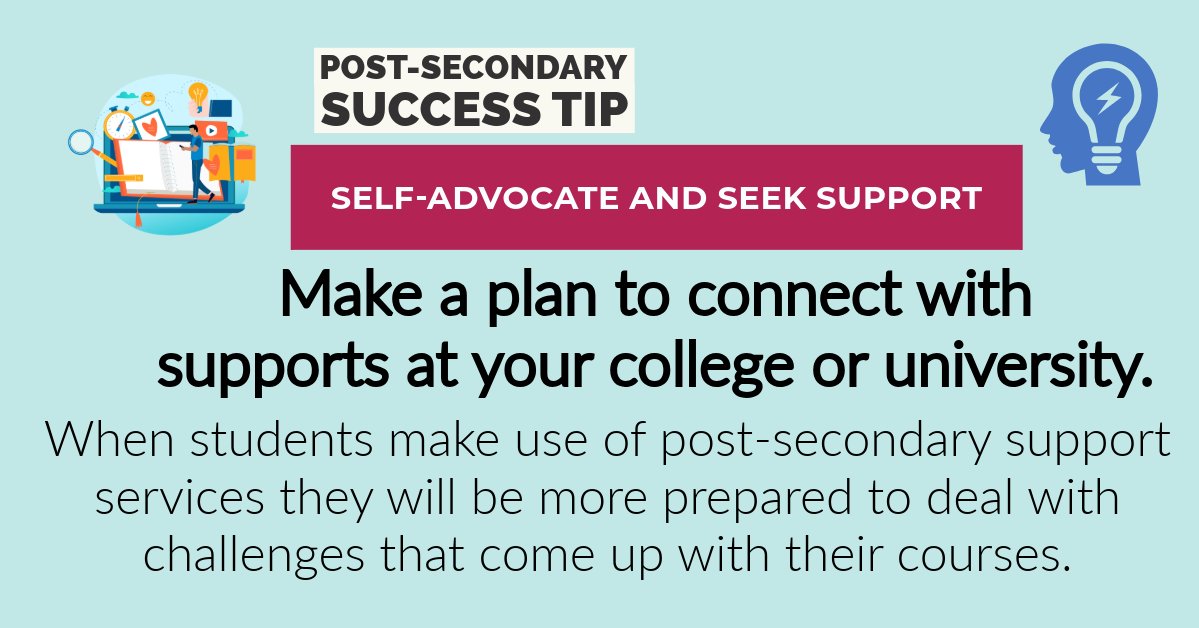
Post-Secondary Success Tip - Although during Summer many students are not taking classes, it is a good time to review academic Support Services available to you and make a plan to connect in the Fall. Remember that #SelfAdvocacy is key to #StudentSuccess!
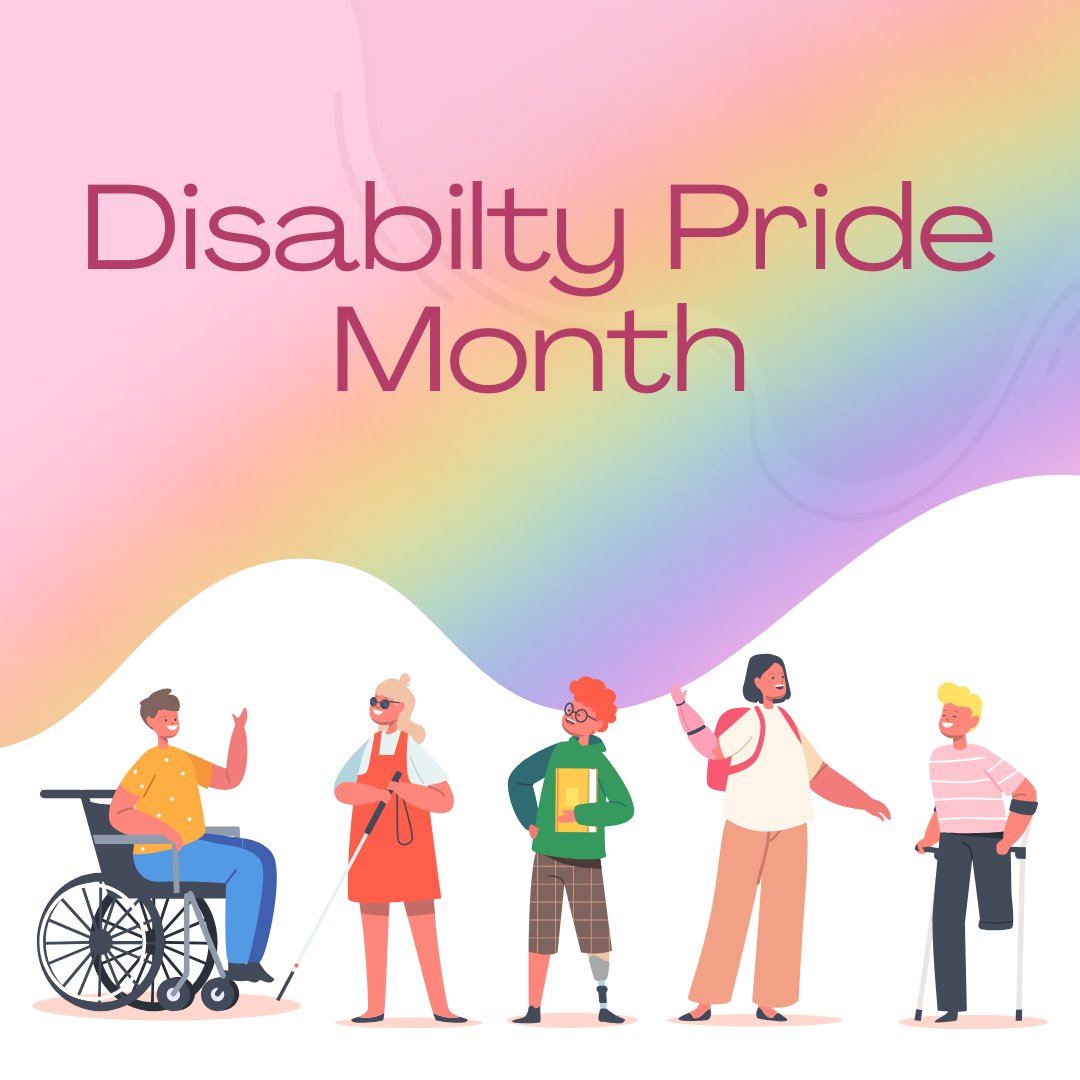
Disability Pride Month is a time to honor the history, achievements, experiences, and struggles of people with disabilities.
Let's celebrate their unique talents and skills, amplify their voices, and work together to change outdated perceptions.
#DisabilityPrideMonth
In the second post of our “Career Gap” series, we share another tip on how to explain your career gap to hiring managers.
Do you have a tip? We'd love to hear from you! Share your advice in the comments section below.
#Careergap#GapYears#EmpathyDrivesInnovation
We are excited to announce that Rangam will be attending the Disability: IN Conference from July 15-18, 2024. Visit our booth to learn more about our commitment to disability inclusion and how we can support your organization's diversity goals.
Communication is vitally important when it comes to being a rock star neurodivergent employee!
How comfortable are you in voicing your strengths and weaknesses at your job?
I’m at @landmarkcollege for the 2024 graduation. So proud of today’s group of proud neurodivergent graduates. They say they will go on to change the world, and I think they will.
One thing that struck me, as so many students mentioned it, is that this graduating class came to college at the start of covid and emerged into a very changed world from the one graduates of 2019 knew.
Awareness of neurodiversity continues to grow despite that upheaval across the world. In 2019, neurodiversity was still seen as disability accommodation by a majority of people, if they knew what it was at all. Today there is widespread recognition that neurodivergent people represent a huge minority of humanity, and bring so many different skills and abilities that make the world better for all of us. All of us need to work together to build a better future.
Congratulations!!
Hey everyone!
Just a reminder that we need more openly autistic professionals in various fields.
Let's work towards creating a more inclusive and supportive environment for everyone to thrive in their careers.
#OpenlyAutistic#Education
I'm a 'person with autism' and also 'autistic'. Not boxed into either label or feel offended by either. the amount of airtime spent over discussing this one issue is ridiculous to the point it taking precedence over pressing issues. Let's reclaim both and move on.
I am pleased to show you what I think will be the definitive book on understanding neurodiversity.
For the last 100 years we have recognized the medical sides of neurodiversity - ways in which people who seemed to be "born different" were observably disabled. Those observations led to the creation of diagnostic labels - ADHD, OCD, autism, Asperger's, and more - that were then conferred upon millions of people, most of whom were schoolchildren.
Was in genetic? Was it lead poisoning? Was it the water, or the vaccine? All those things and more can cause developmental disability in some people, but an overarching concept has emerged - that about 1 in 7 people are born neurodivergent - with atypical neurology - that confers upon them (us) a mix of disability and exceptionality.
Medical people recognized the "what's wrong with us" side of the story, but it took neurodivergent people coming together to tell the world what's right about us, and why we are here.
Neurodiversity For Dummies - despite its annoying title - it a major work that will help anyone understand the complexity of who and what we are, and what we may do to thrive in this world.
Highly recommended, and kudos to @JHMarble@RangaJayaraman and Kushboo Chabra.
"I am different, not less."
These simple yet powerful words encapsulate the essence of neurodiversity and the value of embracing our differences.
#EmbraceDifferences#CelebrateNeurodiversity
Not a lot of people have heard of @shortyvoorde outside disability spaces, but she’s had an outsized impact on disability policy through her longtime friendship with @SecretaryPete and @Chasten. I profiled her for @19thnews. https://t.co/gJMY6GxS6V
I speak, share, and advocate to create change because I believe the world needs to be ready and accepting of all kinds of bodies and minds.
The future is people with disabilities.
#Neurodiversity#Autism
Yesterday I attended the Neurodiversity Employment Network conference at @DrexelUniv in Philadelphia. Drexel has been working with employers to place neurodivergent students in jobs, and it was good to be back there talking about it again.
I’ve spoken at these events and Autism at Work conferences (now Neurodiversity at Work) since the beginning, and I took some time to reflect on where we have been and perhaps where we need to go.
SAP created Autism at Work, and it was adopted by other large employers in quick succession. The programs got a lot of good publicity and worked well for some people, but their effect on the neurodivergent unemployment situation was insignificant.
Over the years I became disillusioned listening to HR people tell us they had “100 people in the autism apprenticeship pipeline!” while their annual reports said they employed 200,000 people. The pandemic forced a reset, and I’ve emerged with a fresh conviction: it’s fine, whatever big business wants to do, but solving neurodivergent unemployment is our community problem. Our community, as ND people, and our communities, as in the places where we live.
Large public companies exist to enrich their shareholders, period. They employ people who care about us, but they aren’t the owners and corporations themselves have no hearts. It’s small businesspeople who can really help us. We must help local business owners see their own neurodiversity and how they would benefit from more “people like themselves.”
Small business owners can hire people because it’s the right thing to do. They can make accommodations, especially when they see the benefits themselves. They don’t have to squeeze every last dollar to appease shareholders. Some of the most affluent Americans are small business owners – these are people who have the ability to help, now.
It’s time to stop treating neurodiversity as a small minority. If one in seven kids are neurodivergent, as our CDC suggests, there are some forty million neurodivergent Americans. Most grew up with ADHD or dyslexia. Others have traits of autism or other inborn neurological differences. A few have epilepsy. Many outgrew their childhood disabilities, even as they may still feel their differences. Most are unaware of the neurodiversity movement, and what they could do to help.
Small businesses are the most common type of business in America, and they already employ half of working Americans. There’s room for a few more of us in there. For those who want to help ND people get jobs – Connect with local business owners!
At the meeting we talked about how the conversation has changed from “having autism” to “being neurodivergent.” While the tent has gotten bigger with the addition of dyslexic and ADHDish folks, the real issue is with words. We are moving from medical terms that say “what’s wrong with us” to our own words. Neurodiversity should be about telling others what’s right, and where we excel. Instead, I still heard too many at the conference focus on the disability. We have to change that if we are to escape stigma. This comes from us, all the folks describing themselves in our community. It’s something we learned to do, and now it’s time to put that in its proper place.
Don’t deny the disability, but put your best skills first. Employers want to know what you’re good at; not what supports you need. Show them what you can do for them, before you tell them what you need to do it.
At the event people asked about disclosure. I don’t think it’s smart for job seekers to disclose neurodiversity out of the blue. Most companies want specific work skills. Those are what you should disclose. When it comes to neurodiversity, one of our group goals should be to turn the tables – get companies to want people like us and advertise “neurodiversity friendly workplaces.” That may be a few years coming, but the disclosure should follow a statement of acceptance.
We’ve come a long way this past decade. I was glad to see all of you in Philly and your enthusiasm and progress!
I’ve made it my life’s work, to share this lesson my mom taught me since I first learned about the autism spectrum as a kid.
We need to celebrate and accept one another!
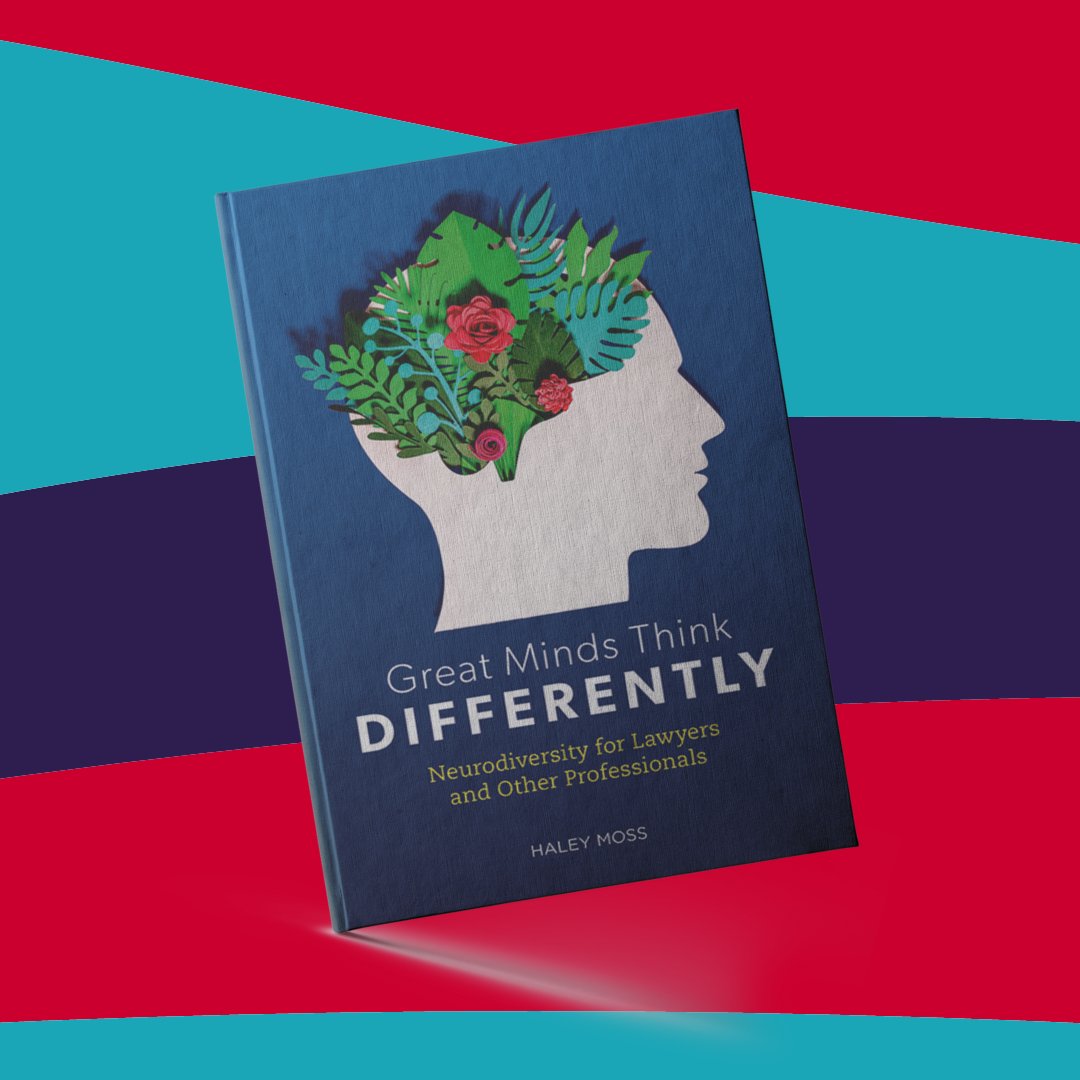
alt text: Great Minds Think Differently: Neurodiversity for Lawyers and Other Professionals
Let me help you out and give you my thoughts on DEI
1. Diversity
Good businesses look where others don't, to find the employees that will put your business in the best possible position to succeed.
You may not agree, but I take it as a given that there are people of various races, ethnicities, orientation, etc that are regularly excluded from hiring consideration. By extending our hiring search to include them, we can find people that are more qualified. The loss of DEI-Phobic companies is my gain.
1a. We live in a country with very diverse demographics. In this era where trust of businesses can be hard to come by, people tend to connect more easily to people who are like them. Having a workforce that is diverse and representative of your stakeholders is good for business.
Disclosing a disability is a highly personal and unique decision for everyone.
Having something prepared in advance can help offset anxiety around the actual conversation.
https://t.co/cTPXL8ozYA
#disability