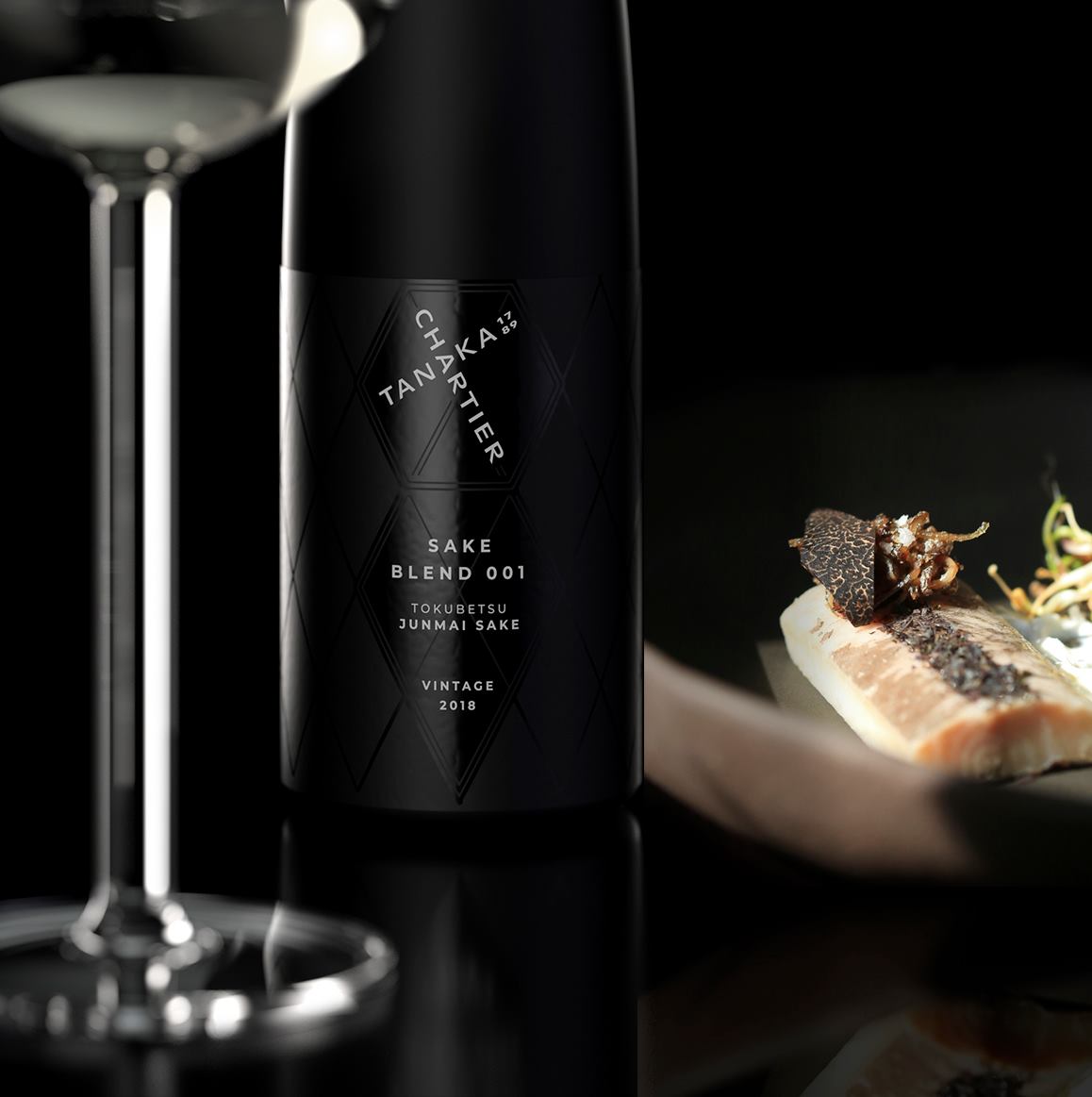
A revolutionary new line of sakes developed and blended by one of the world’s best sommeliers & globally recognizes aromas specialist, François Chartier.
Aniseed and basil notes, but it exhibits structure and power on the palate, with good #acidity, but well #balanced. It is dense and creamy, with a very long and #elegant finish. A sophisticated sake to accompany a good meal.
#TXCSake#Tanaka1789xChartier
A #Sake with multiple faces. The first meeting was about freshness with herbs, coconut water, and aniseed reminds us of #SauvignonBlanc if we wish to build bridges with wine. Let the oxygen penetrate this sake to give it more roundness and stone fruits such as peach. #TXCSake
As a rule, sake is always served to the companion and not to oneself. It is an act of friendship that strengthens bonds. In #Japan, pouring oneself is an offensive act. These values are fundamental to us, and we wanted to convey them for this #sake!
#sake#tanaka1789xchartier
Sake rice is different from rice used for cooking: it is larger and stronger and has more starch and less protein.
However, there are many different types of rice for sake brewing, but the first step is to choose the proper rice.
#japanesesake#tanaka1789xchartier#txcsake
The world of #sake does not yet have the #complex legislative structure associated with the wine world. However, there are "official" and "unofficial" terms to describe the history and production of the sake. On a bottle of sake is full of useful information.
Learn more at:
Eel confit, smoked sour cream, nori flakes - leathered with its crispy skin.
Recipe created by Chef @StéphaneModat - Best Chef in Quebec/Canada 2019, former chef of the Fairmont Château Frontenac, and co-owner and chef of the new restaurant Le Clan in Quebec City.
#Chartier was then able to obtain a variety of different base sakes to be used in his innovative #blending process, by multiplying, augmenting and truly magnifying the aromatic synergy between the different #sake blends he crafts.
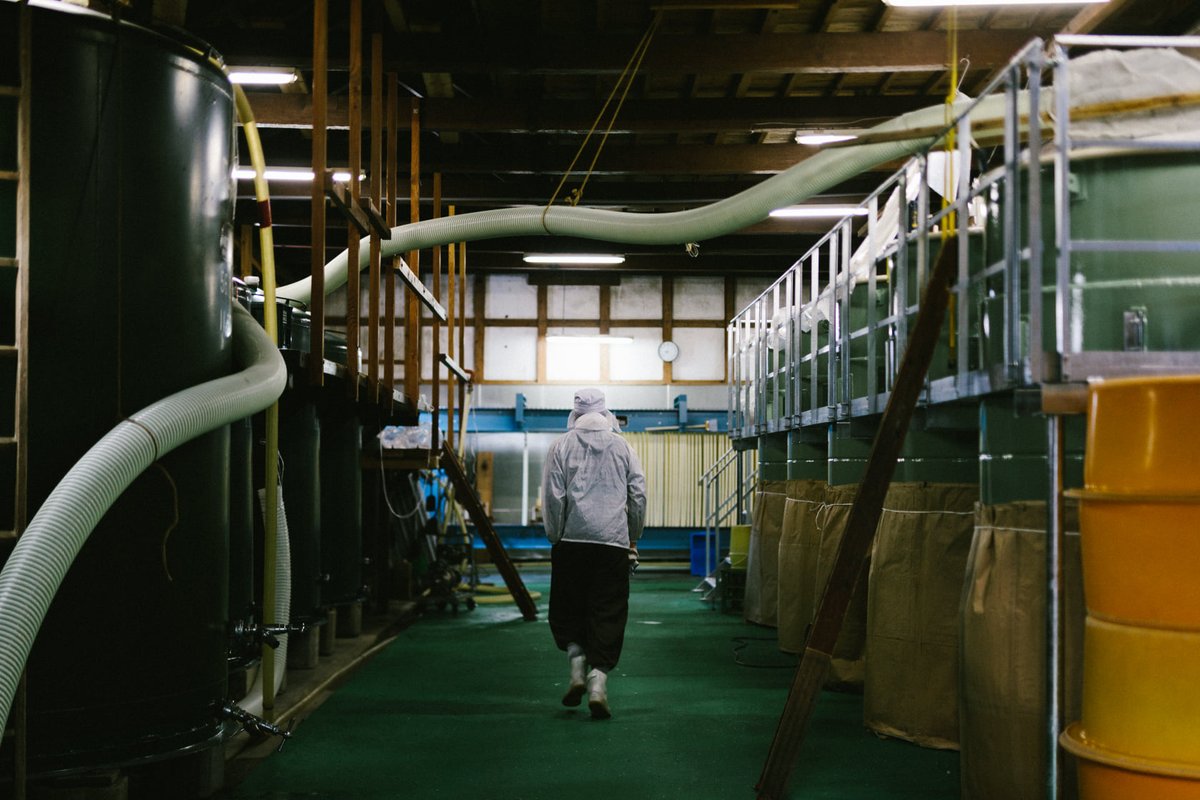
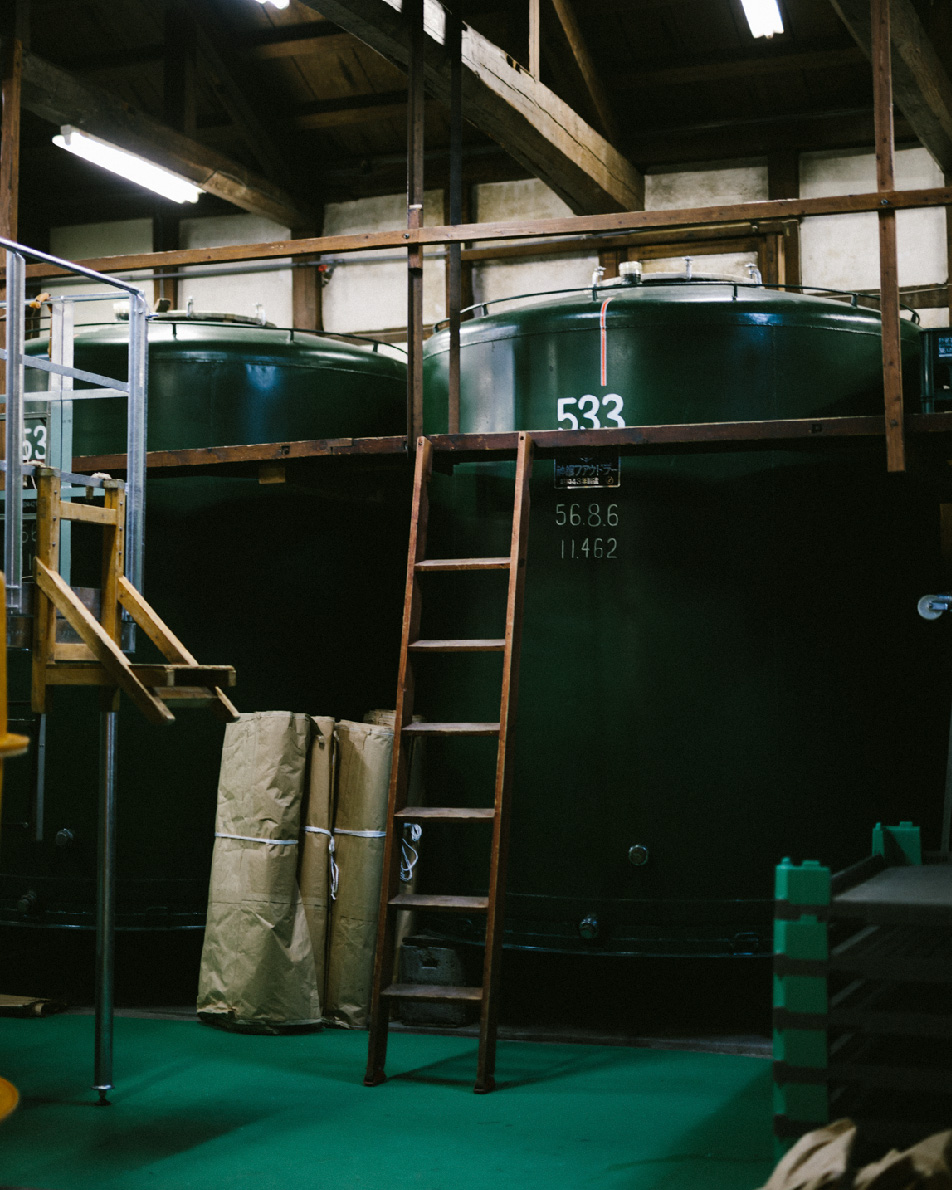
Our high-end sake is brewed in a Kura where tradition sets the style. This style remains our hallmark, but our #unique blending process makes this #sake unique in the world.
Sake can be served cold, hot or at room temperature. Although each sake has an ideal drinking temperature that best brings out its flavours, individual tastes also play an important role. Do you want to know at what temperature we recommend drinking our sake?
Did you know that July 1st is the beginning of the new brewing year in the long history of #Sake in Japan?
Happy New Year, Morikawa san Toji and the entire team at Tanaka Shuzo, where the TANAKA 1789 X CHARTIER sake project has been Crafted for wine lovers and Blended since 2017.
#Tanaka1789 is the past, the present, and the future. It has a history and is currently creating new sakes to change the vision of the industry's future.
Once the #sake has finished its fermentation process, the last steps before bottling can drastically change its profile. That is why at TANAKA 1789 X CHARTIER we take care of every detail
#FrançoisChartier is shaking up the art of making sake in #Japan. The idea of blending has never been part of Japan’s #sake culture. But he's changing that, by introducing high-end quality and #luxury sake blends in Tanaka 1789 x Chartier
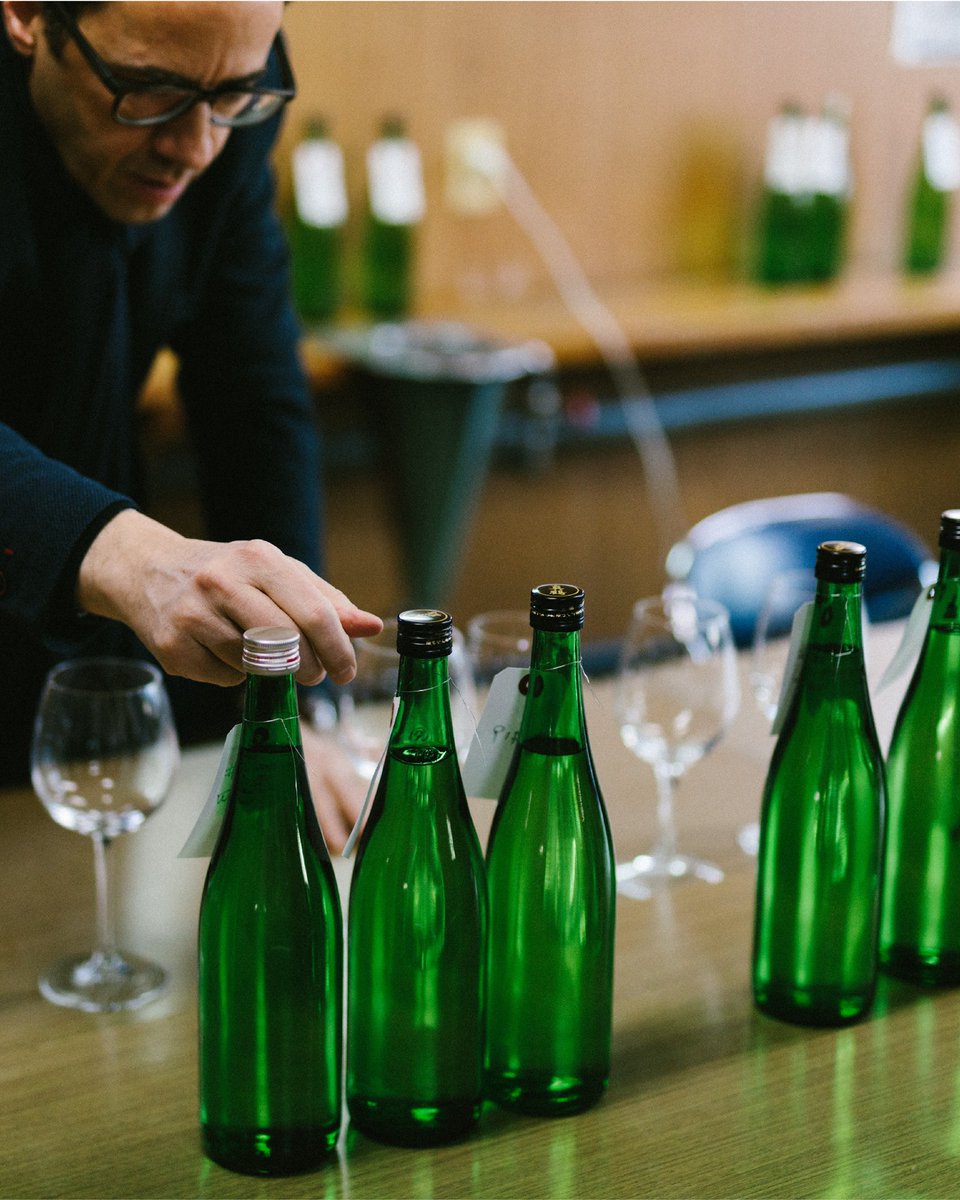
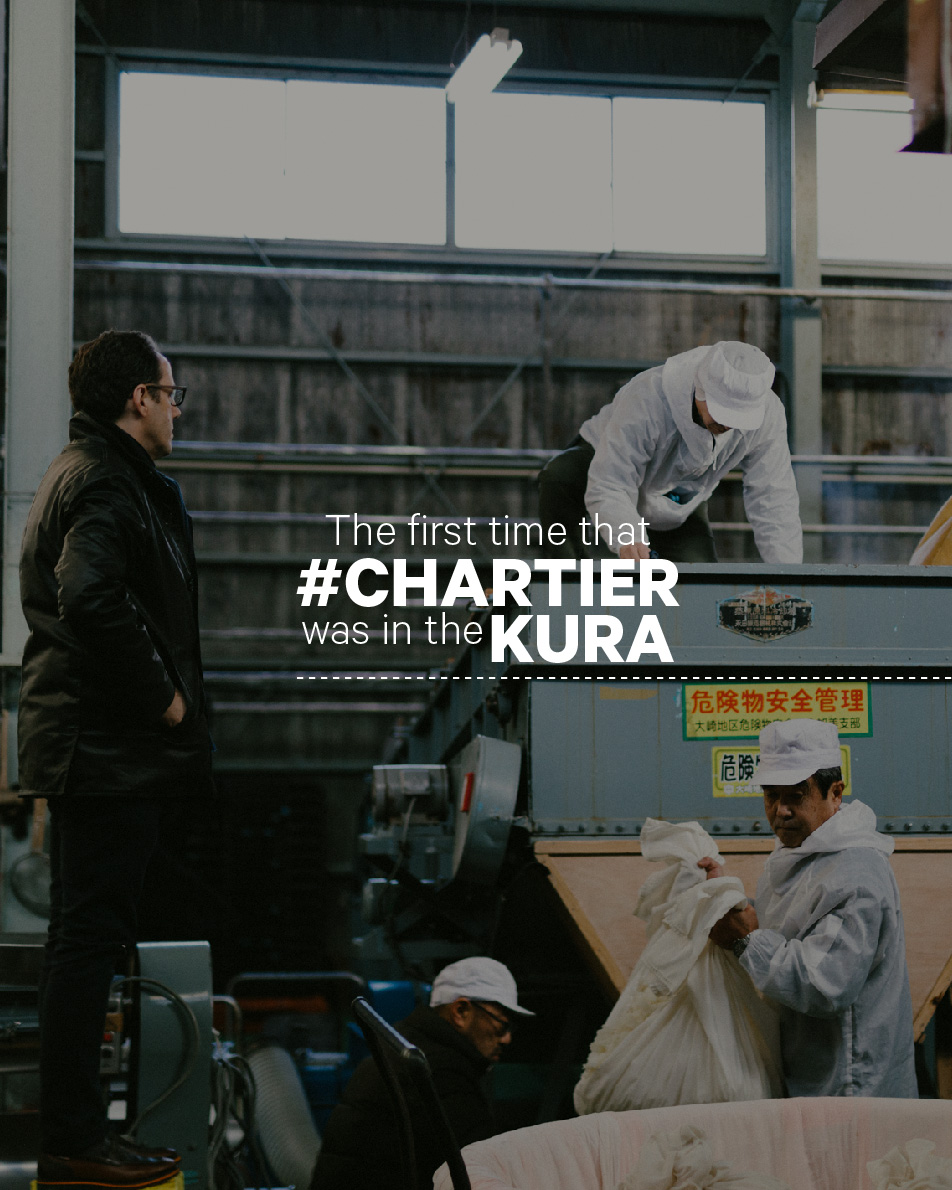
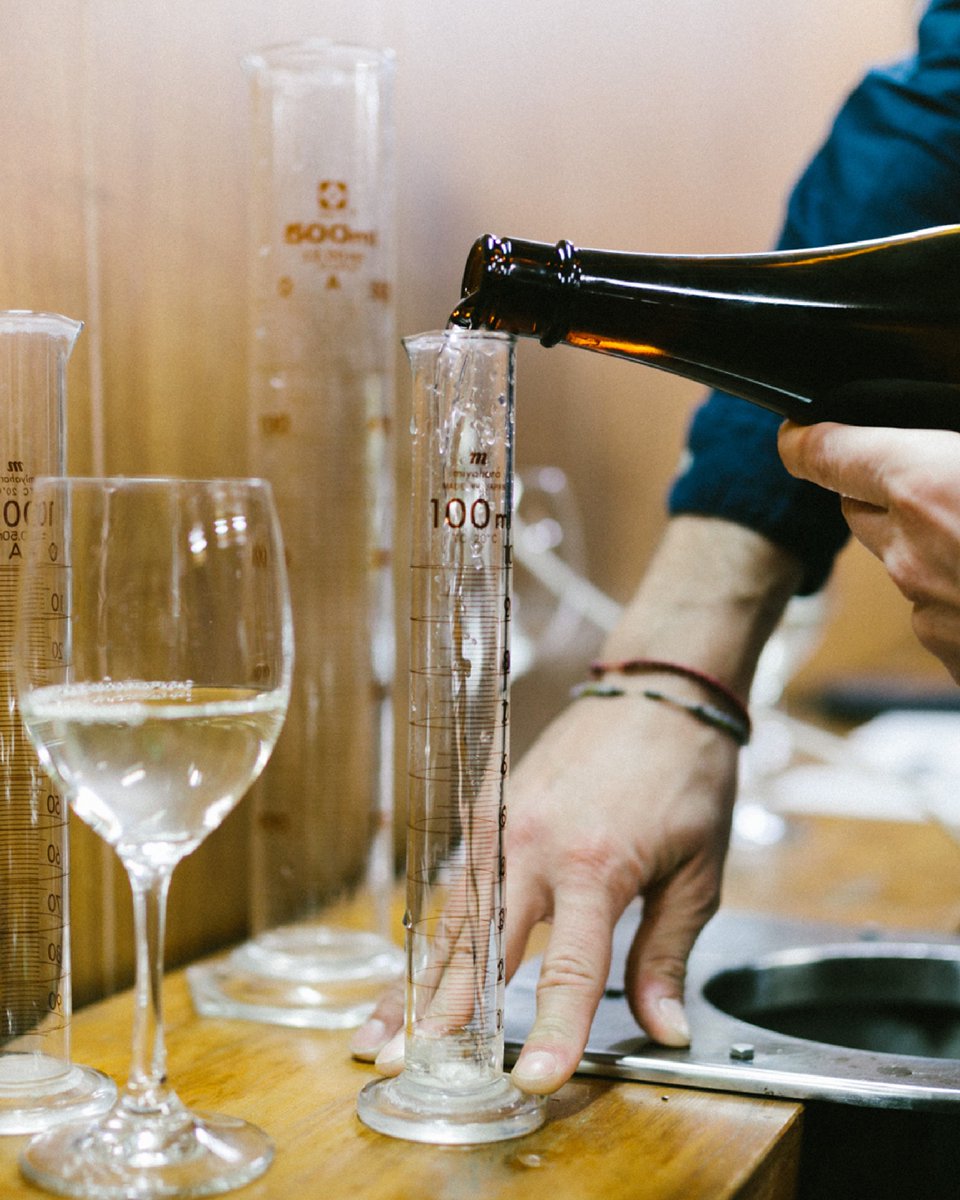
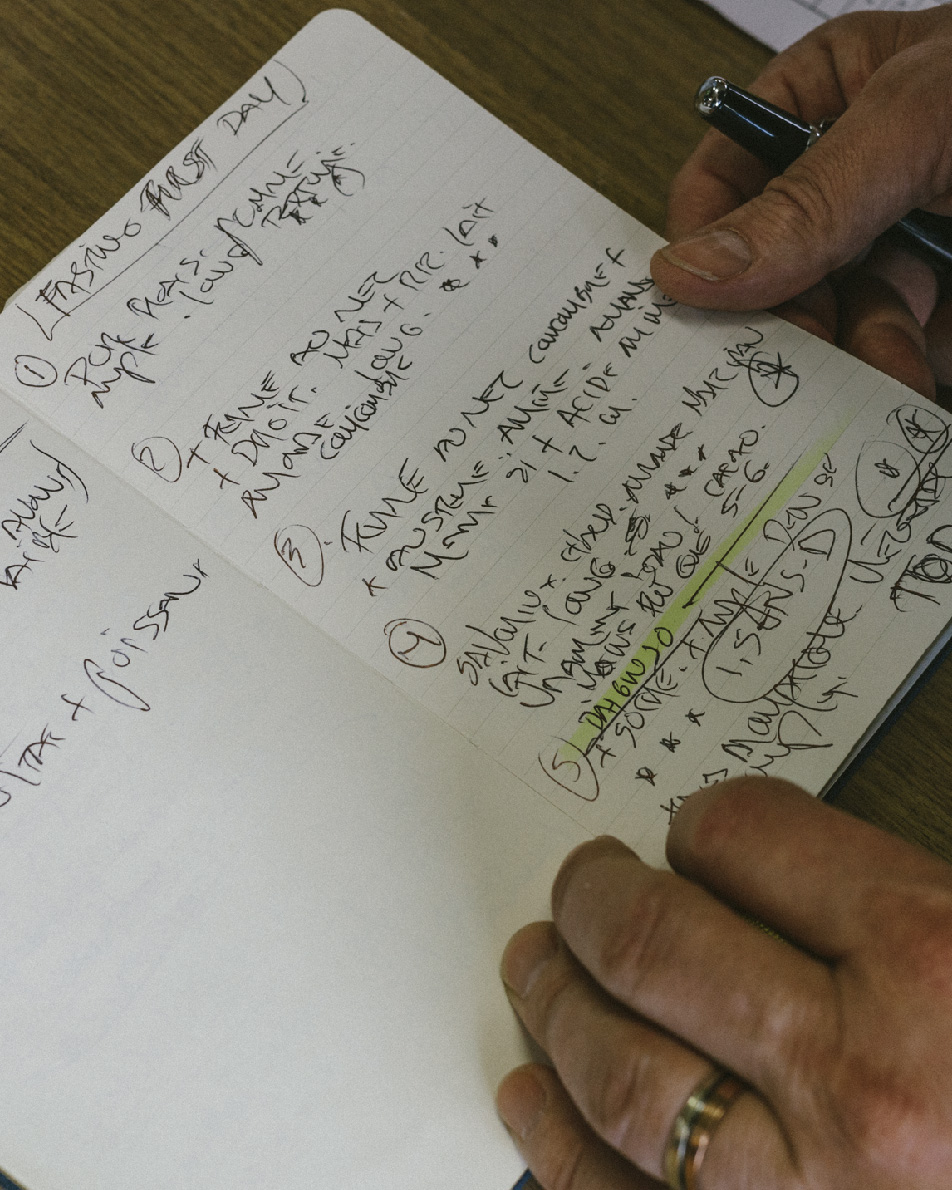
The first time that #Chartier was in the Kura, he was surprised to learn that the art of blending is not used in #Japan at all to improve the sake. He tried some blending experiments onsite, and the #Tanaka team was astonished at how his blends enhanced their sakes.
This is how the sake blending process began at Tanaka 1789 x Chartier. #Chartier asked #Morikawa, Tanaka 1789's toji, to adapt the elaboration process of making sake and to develop six new base #sakes for blending.
Did you know this? #Chartier uses less polished rice to develop more aromatic, complex and umami-dense sake. Tanaka 1789 X Chartier is sake craft for #gastronomy