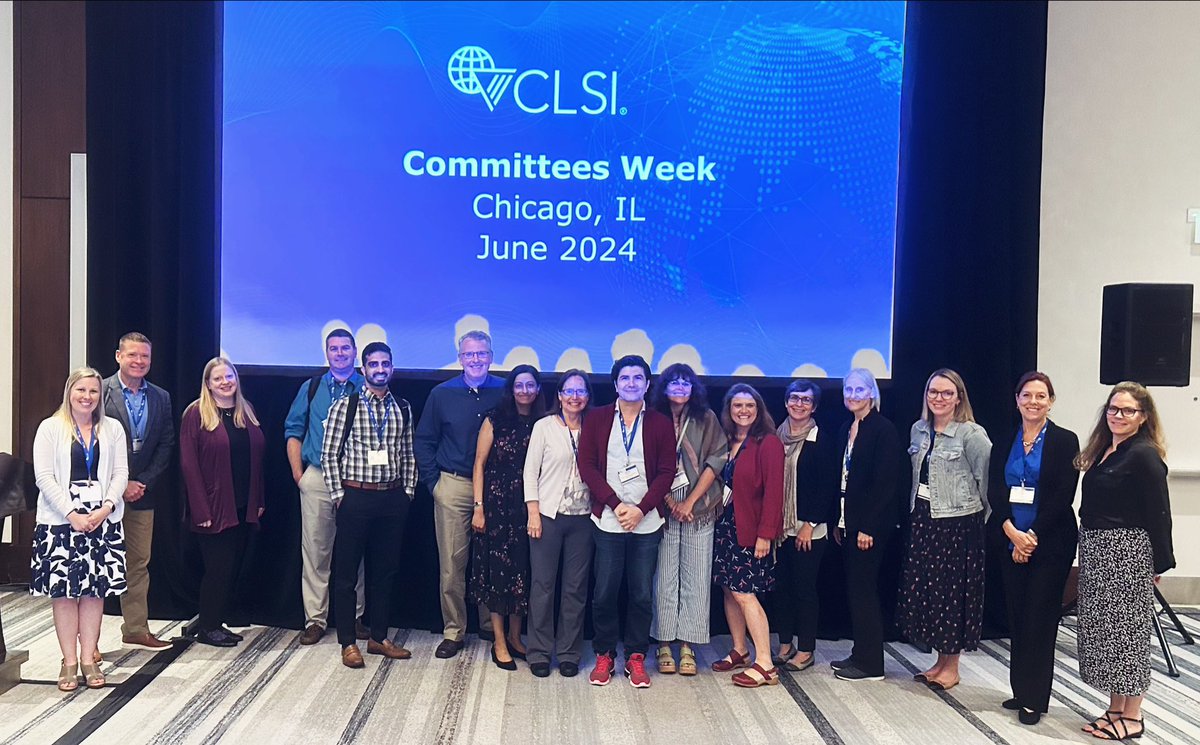
Directly from the album "antimicrobial resistance superstars". We're the @CLSI_LabNews AST subcommittee. Better tests, better care against MDR pathogens. 🇺🇸🇨🇦🇨🇴
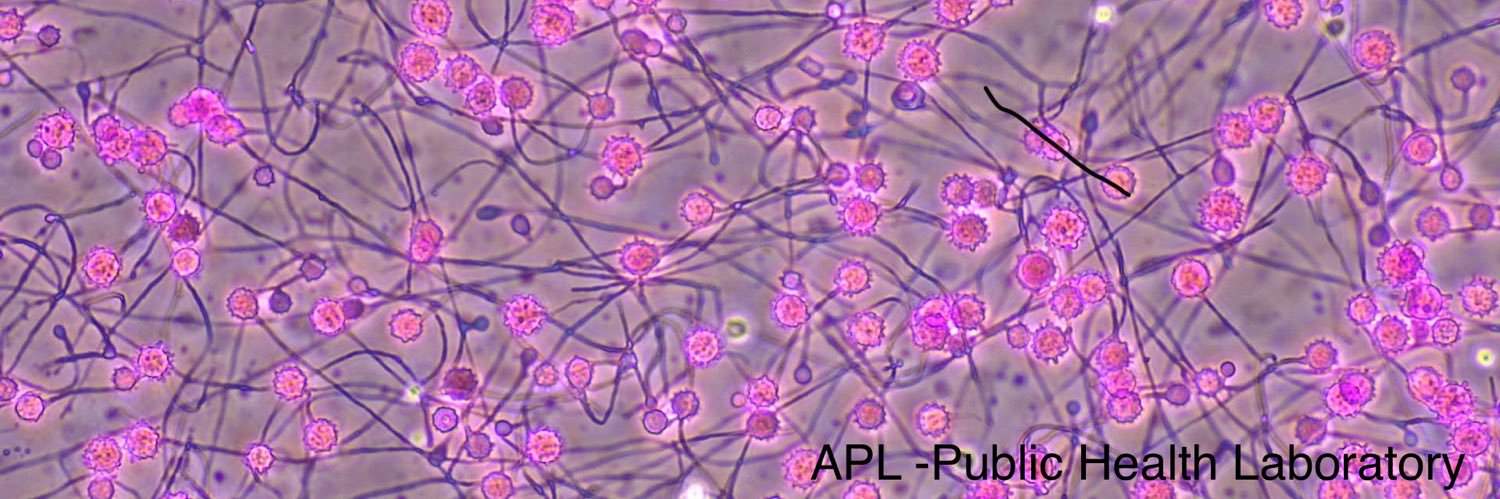
@JordanKM19 @GermHunterMD @ruwandi_k91 I should mention I don’t think this is Histo because it would be in its yeast form on direct exam from a blood culture vial.
@JordanKM19 @GermHunterMD @ruwandi_k91 Not many molds can grow in blood culture bottles. The ones that come to mind are Fusarium, Scedosporium/Lomentospora and Acremonium. I’ve also seen Histoplasma grow in routine bacterial blood culture vials.
Trichophyton indotineae is a recently-emerged fungus causing severe cases of ringworm across the world that often fail first-line therapy. This paper provides comprehensive analyses of the largest United States cohort of Trichophyton indotineae infections. https://t.co/pEHYlprM4h
@SBtotheDub Providing an excellent overview of how we got to where we are with bacterial/fungal taxonomy changes and justification as to why adopting those new names may not be appropriate.
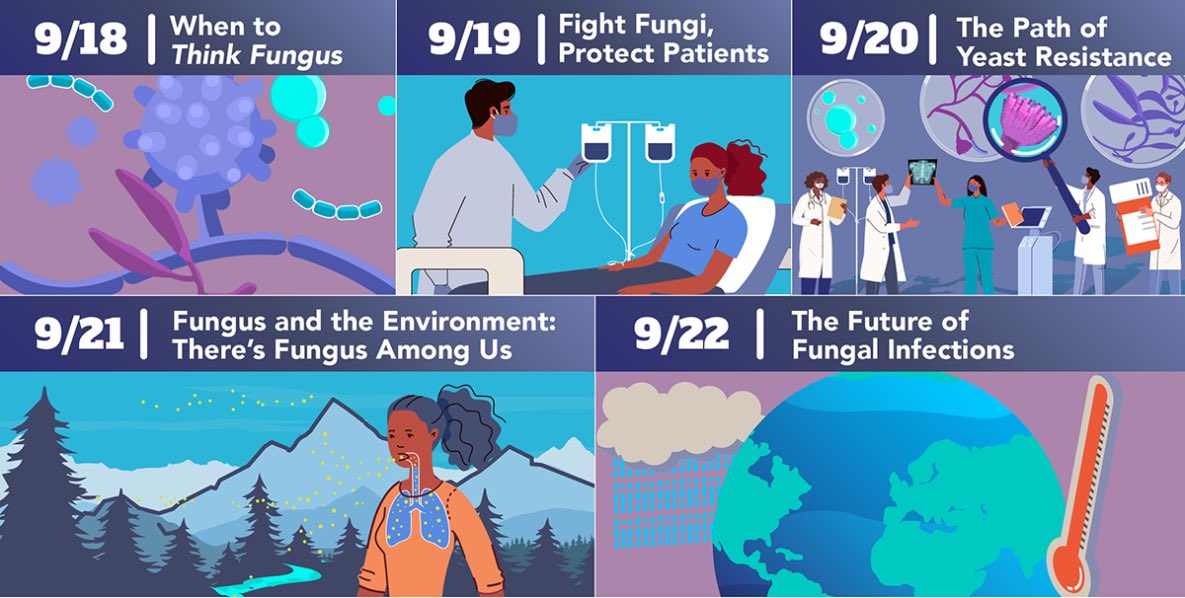
It’s #FungalWeek23!
Join @CDC_NCEZID and @MSG_ERC each day in activities that raise awareness and encourage clinicians to #ThinkFungus
To learn more, visit https://t.co/g158J3nbjZ
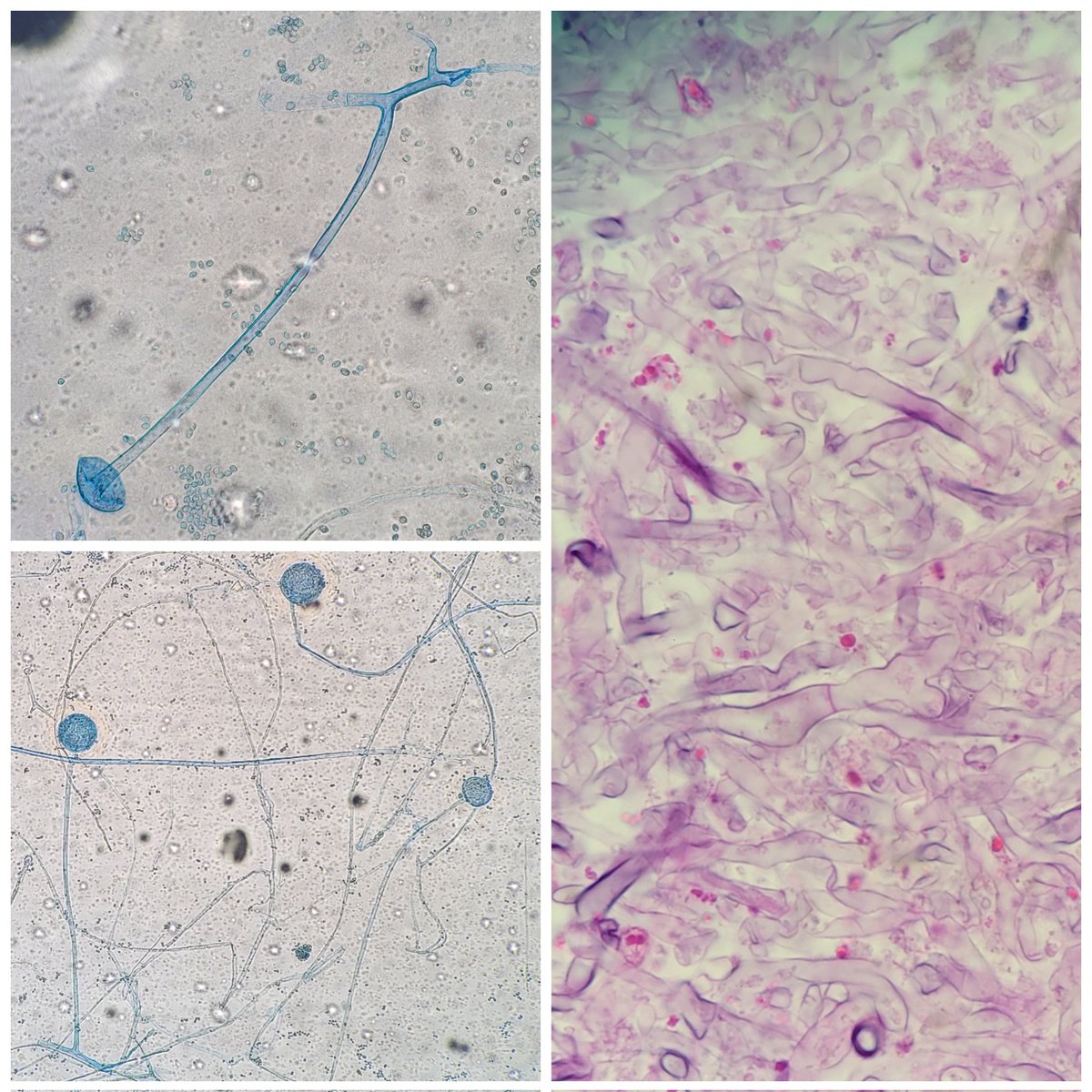
Often, Mucorales fungi are called aseptate. But in reality, they are pauciseptate, which means they do have septations, but its just rare. You can see a perfect example of this in this lung biopsy (pic on R) and the LPCB tape preps (pics on L).
Despite the know limitation of many fungal markers, they are frequently ordered (often repeatedly) in lung transplant recipients. @CA_Boutin reviewed the experience @NM_Lung@NM_Transplant found limited utility of addition of BD glucan.
https://t.co/24xu08xrEg