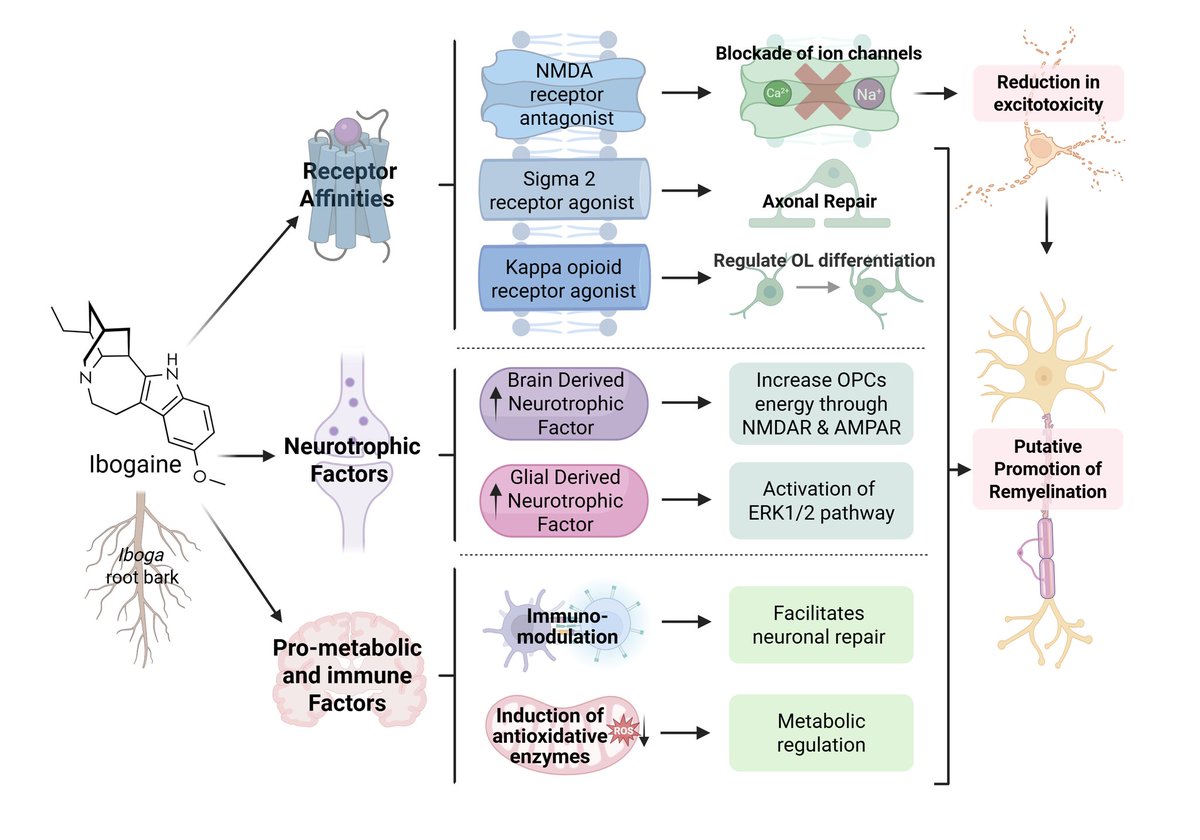
The latest perspective on ibogaine's potential to facilitate white matter repair in CNS injury @scnpjournal https://t.co/8UzHgBVThC Published with icons Beni Lerer, Steve Shoptaw and the late Dan Stein, the kindest giant in (cape) town. RIP 😢
@tferriss Chen et al. (2025)- a case study of structural changes following ibogaine treatment in patients with multiple sclerosis. Many cortical changes but the most notable effect was a 71% reduction in white matter lesion volume in the patient that received a full flood dose
What if the “Cry It Out” sleep training (aka extinction-based sleep training) has contributed to mental health issues in young people?
In some ways, it’s the most insane thing to do to a child (and is based on incredibly poor science). For centuries, families co-slept without issues, but in modern times, it has become increasingly taboo… why?
How can repeated emotional non-response to a baby be healthy? What does it do to their stress calibration, attachment expectations, and self-regulation? How does it play out in their long term relationships and social connections?
I’ve read the studies and they are poorly designed and weakly supported. Yet, we have an entire generation of parents that blindly follow this insane protocol without reviewing the data themselves.
To be fair, the data supporting co-sleeping is weak as well, but it has centuries of precedent so I feel much more comfortable supporting that than a new approach that was largely instituted since the 1920s.
For some context, in the 20th century, behaviorist John Watson (1928), interested in making psychology a hard science, took up the crusade against affection as president of the American Psychological Association. He applied the paradigm of behaviorism to childrearing, warning about the dangers of “too much mother love”. The 20th century was the time when “science" was assumed to know better than mothers, grandmothers, and families about how to raise a child. Too much kindness to a baby would result in a whiney, dependent, failed human being.
A government pamphlet from the time recommended that "mothering meant holding the baby quietly, in tranquility-inducing positions" and that "the mother should stop immediately if her arms feel tired" because "the baby is never to inconvenience the adult." A baby older than six months "should be taught to sit silently in the crib; otherwise, he might need to be constantly watched and entertained by the mother, a serious waste of time."
The truth is the opposite. We now know that ignoring a child raising cortisol levels and hurts trust and attachment. Yet, every young parent I know today has been brainwashed to let their child cry in silence. It’s truly wild.
It's official, we will be hosting #IBRO2027!!! We couldn't be more excited to welcome everyone to the first IBRO world congress in Africa! Listen out for our call to be part of the regional host committee - sign up https://t.co/FQ6Rb1SmWC
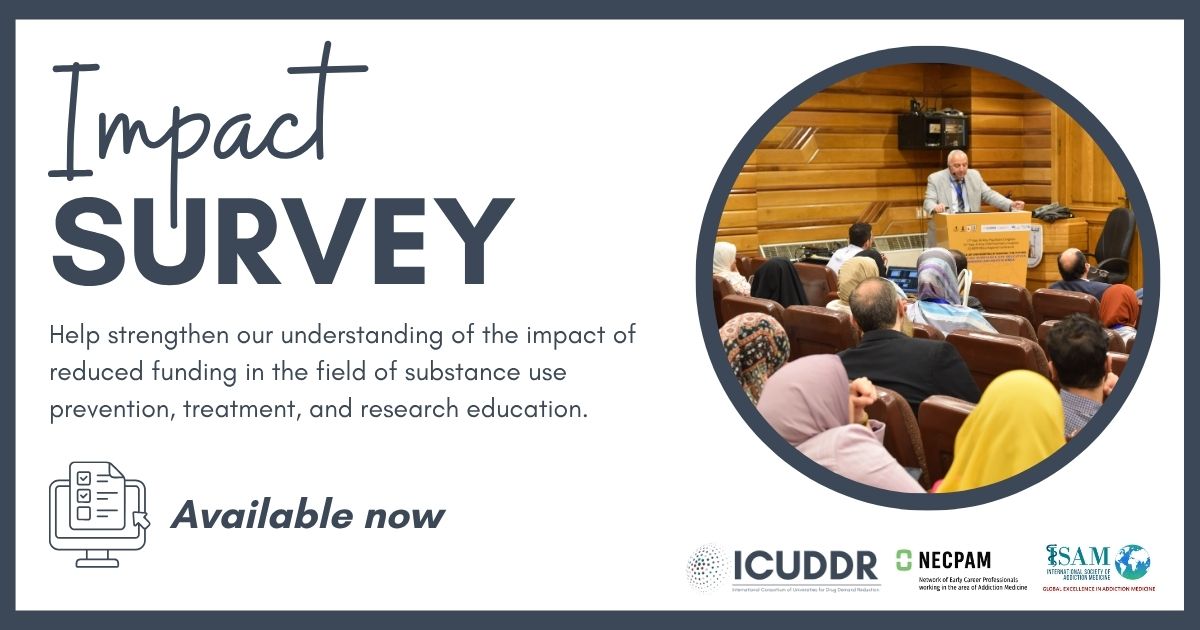
🌍 In the SUD field?
Has your work been hit by funding cuts? @isamnext@icuddr
📢 We’re surveying the workforce to assess the damage—and what support is urgently needed. Takes just 8 mins!
💬 Add your voice: https://t.co/7sSrmdtVoC
#SUD#FundingImpact#GlobalHealth
Towards best practice in OAT- comparing policy and regulation in 23 countries. Improving training, telemedicine access, and essential medicines inclusion can enhance global OAT accessibility and quality. @isamnext@TanyaCalvey@Dr_ArpitParmar@sagunpant https://t.co/xmBcp11KP9
Deep in the ocean's twilight zone, 600 to 800 meters (2,000 to 2,600 feet) beneath the surface, the barreleye fish (Macropinna microstoma) spots its prey above using upward-looking eyes through its transparent head.
📽: MBARI
“Every thought that has ever passed through your brain was made possible by plants.”
Fascinating read on the new science of plant intelligence and the mystery of what makes a mind https://t.co/td1dhthaF7
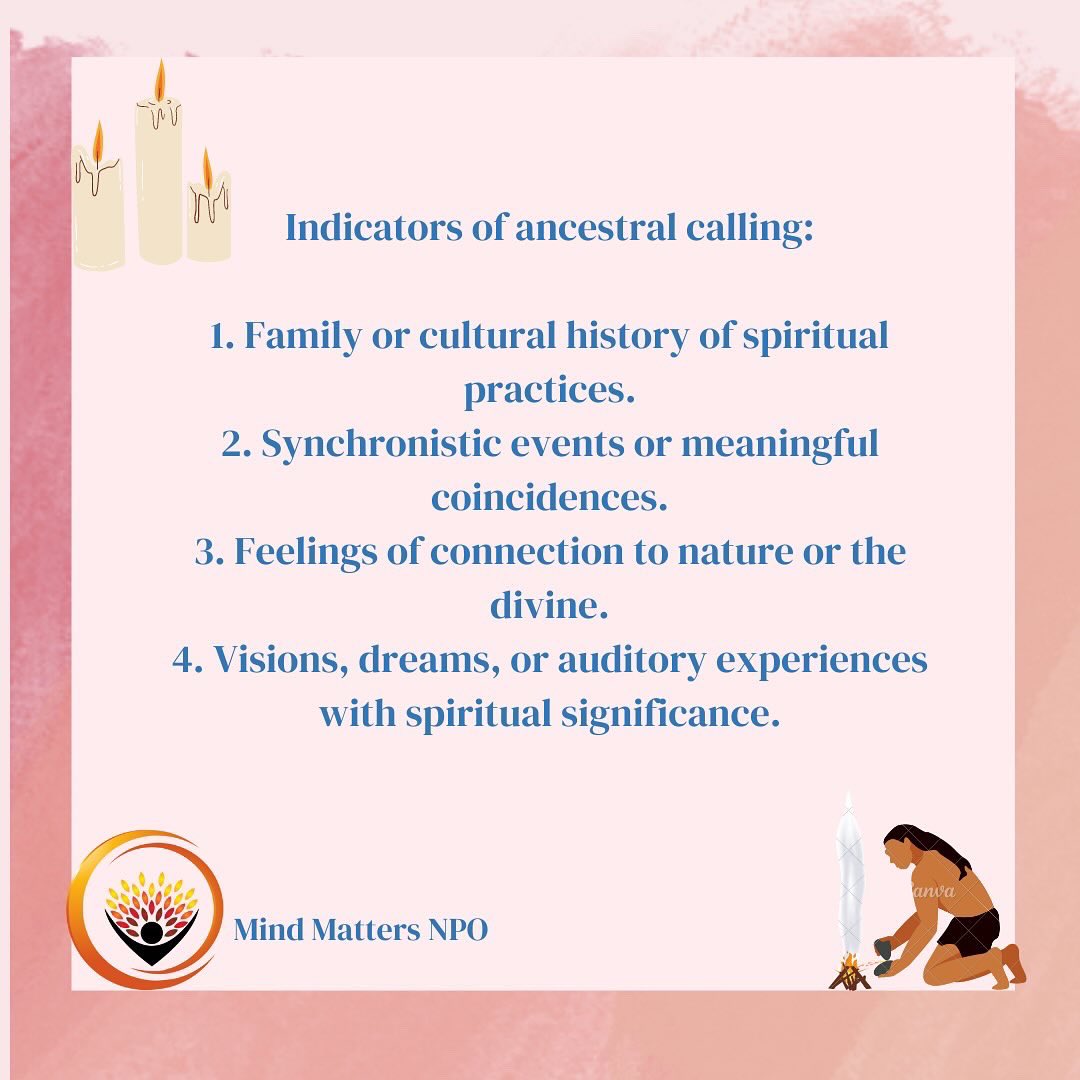
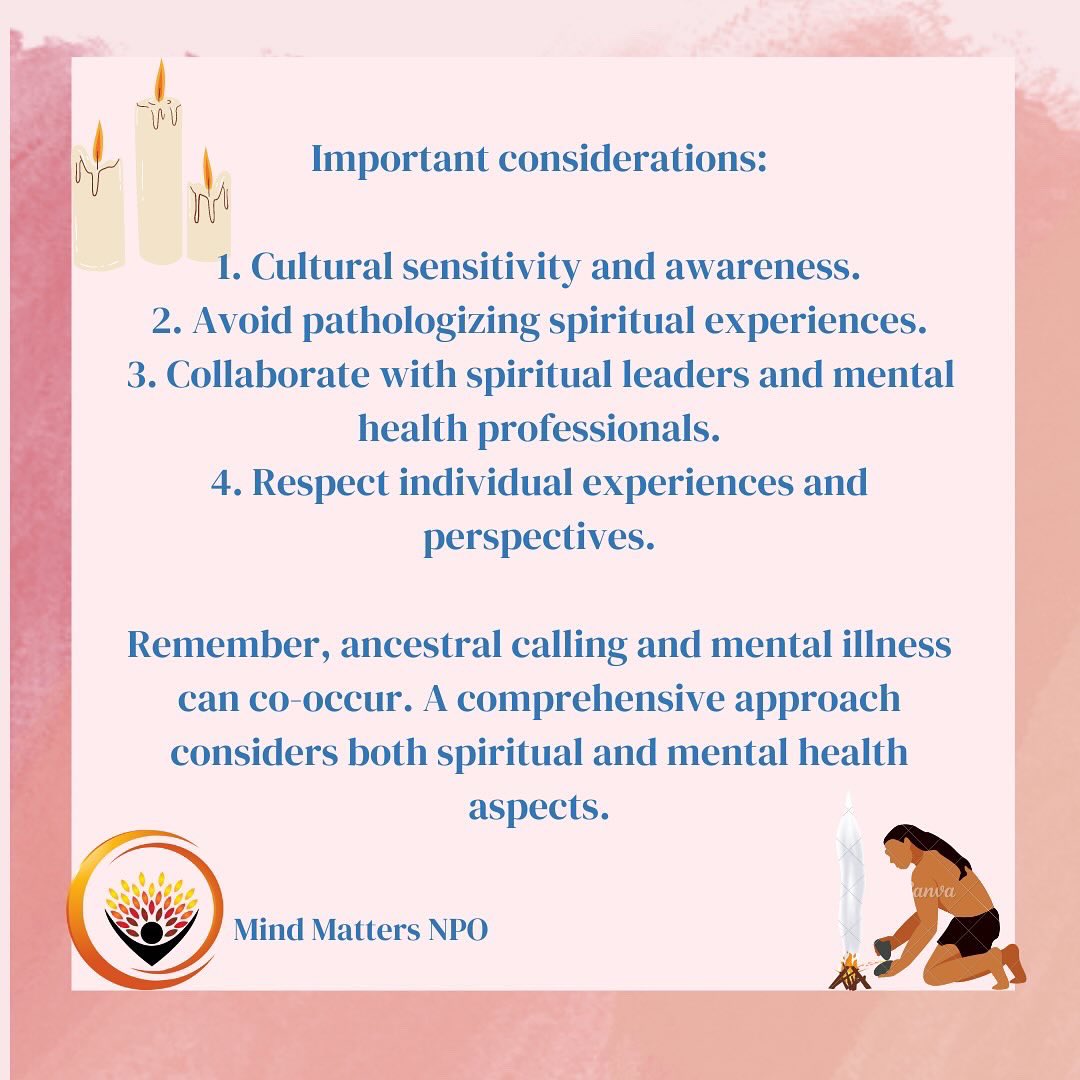
Important topic locally and internationally. Pathologizing spirituality versus misintepreting mental illness. A tricky line to walk for health care workers. Wellness is the key factor.
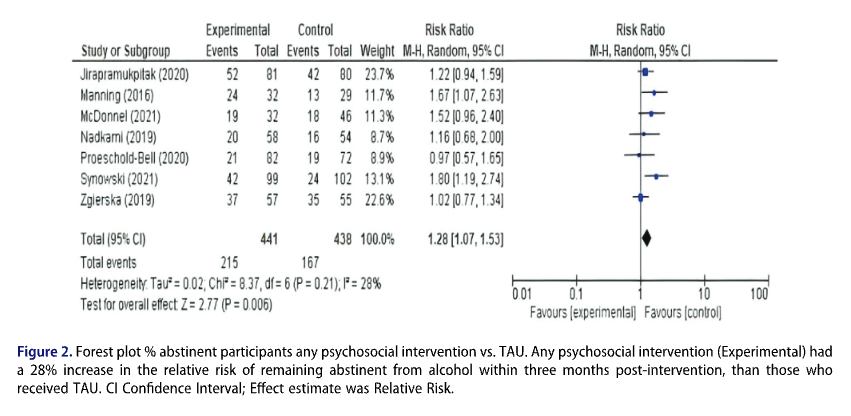
Important new updated meta-analysis provides an updated analysis of psychosocial interventions for AUD from @TanyaCalvey, @maricaferri, & @KrupchankaD. Important evidence for policymakers shaping #AUD treatment guidelines!
https://t.co/jK9v4aWejy