Join us in celebrating our PhD and master's graduates in health policy. What a remarkable group of scholars, MDs, policy experts — people from around the world committed to improving health care and policy.
Published today in @Health_Affairs:
Researchers measured the associations that democracy has with universal health coverage #UHC and government health spending in 170 countries during the period 1990–2019. https://t.co/iaAXTqYOKv
In a new paper, Tara Templin of @StanfordDeptMed, @TomBollyky of @CFR_org + coauthors examine 3 decades of data from 170 countries to understand the relationship that democratic quality has to #UniversalHealthCoverage and gov't health financing. @IHME_UW https://t.co/SnTY9cQqgB
Democracies more likely than autocracies to maintain universal health coverage, even amid economic recessions, when access to affordable, effective health services matters most, according to research led by SHP's @Tara_Templin and @CFR_org's @TomBollyky. https://t.co/hBNmXsX7co
It is often said that universal health coverage is a political choice
Yet the role political systems play in ensuring essential health services & minimizing financial risk is poorly understood
This @Health_Affairs study examines role of democracy in #UHC
https://t.co/YrglGZqupz
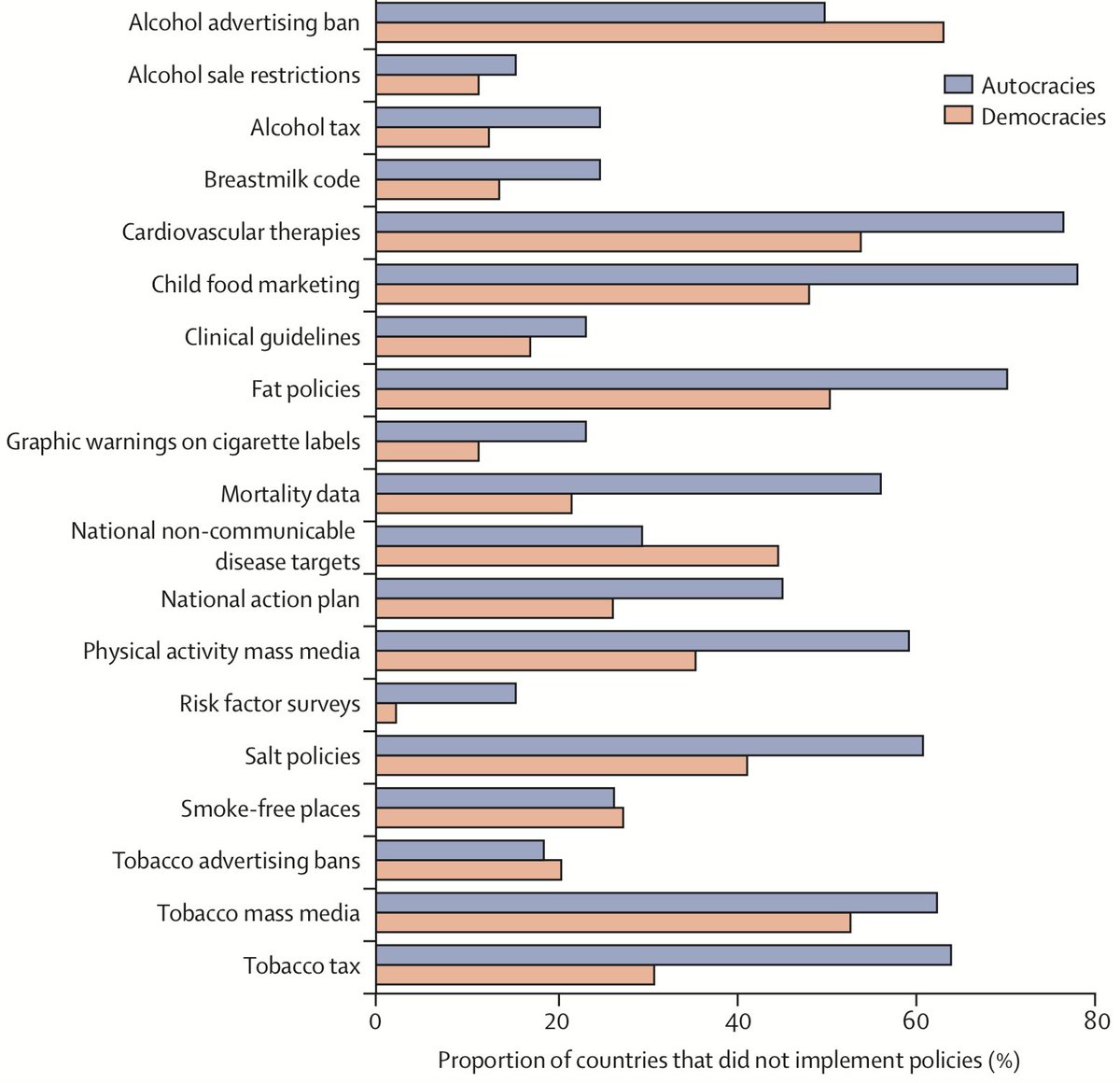
New in @LancetGH: democracy is messy, but still better than the alternative for implementation of best buy policies for cancers, heart disease, and other #NCDs.
Via @sdwigley@Tara_Templin@samckiernan Joe Dieleman & me
https://t.co/2meSgidcUT
Compared to similar democracies, countries that have recently taken an autocratic turn have experienced a 2% decline in life expectancy, write @TomBollyky, @Tara_Templin, and @sdwigley. https://t.co/KYOjqny7nY
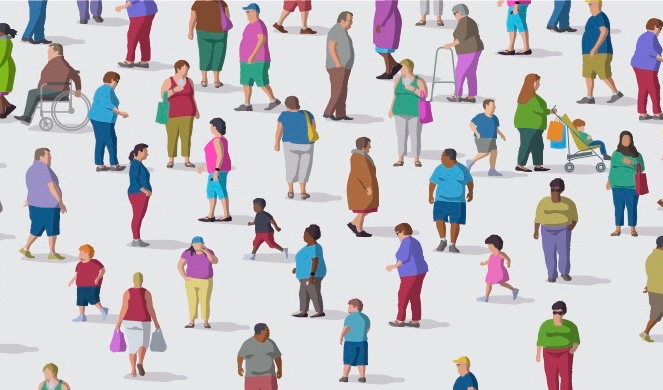
SHP researchers forecast poorest people in 103 countries will face greatest obesity burden with economic development; policymakers must target wide range of public health interventions in anticipation of obesity-related illnesses in poorest populations. https://t.co/nYI9sTNJN7
Voters may turn to populists and autocrats for promises of a better life, but, at least with regard to health, those expectations are not fulfilled. CC: @sdwigley@Tara_Templin@CFR_org https://t.co/CCJ1YEDZCy
Analysis | Democracy matters most for adult health in developing countries, and here's how we measured this, write @StanfordHP's @Tara_Templin and @CFR_org' @TomBollyky in this @monkeycageblog. https://t.co/xtmvBAdbY3
Democracy is good for your health, write SHP's @Tara_Templin and @TomBollyky in this @CNN editorial about their @TheLancet study that shows public health improving in developing countries that adopt democratic rule. https://t.co/btXfiRBHBv
It is not sustainable to treat a political system and the health of the people governed by it as unrelated, write @TomBollyky & Tara Templin https://t.co/6qdD2gToDq
The common denominator to improving health in developing countries is democracy, according to new research by @StanfordHP and @CFR_org https://t.co/Xpo6deu5fD
Most studies rely on life expectancy & infant mortality when looking at democracy's impact on global health. @Tara_Templin in @TheLancet suggests better way to measure role of democracy in public health is to examine causes of adult mortality such as NCDs. https://t.co/ibnQeR18nP
A new study in @TheLancet by SHP grad student @Tara_Templin & @TomBollyky of @CFR_org indicates that #democracy is the common denominator in improving public health in developing countries. https://t.co/ibnQeR18nP