1/ Verbal Particles. Ana. 4. It can be used by itself with no verbal particle before the verb in three ways. 2. When you have a subordinate clause of time followed by a main clause, both can be marked with ana. Mutu ana i a ia te kōrero, āhua ora ana anō aku taringa. When he..
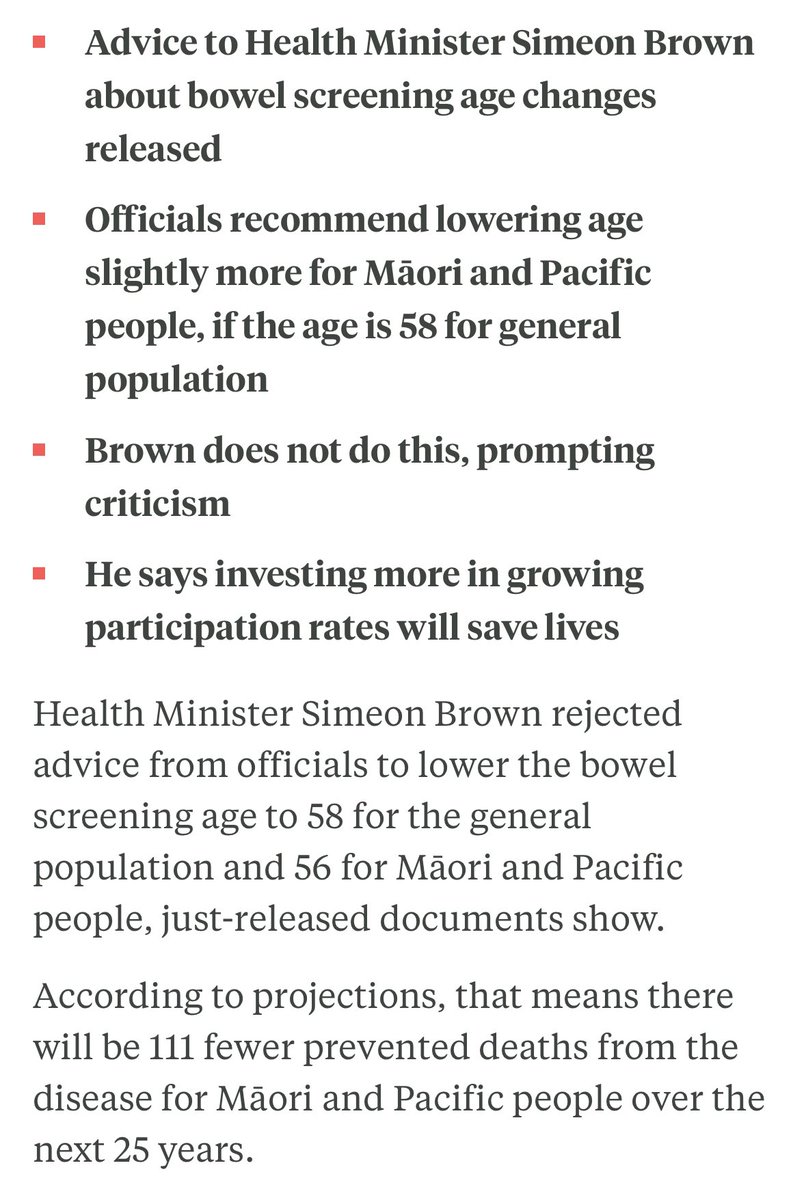
Simeon Brown was told he could save lives and he chose to end them instead
Yet another act that in this government that should ensure an MP would never work in this country again
Flooding the Zone with Shit: it was time for SA
After two weeks of intense discussions in the U.S. on South Africa’s relations with Washington, I thought I’d have one last quiet evening to reflect. Instead, as I prepared to head back to Joburg/Pretoria from NY, the news broke—Marco Rubio had declared South African Ambassador Ebrahim Rasool persona non grata, calling him a "race-baiting politician who hates America."
After days of conversations filled with concern, confusion, and even quiet apologies—“Sorry we/they’re putting you through this”—seeing it unfold in real time was surreal. Not because it was unexpected, but because it confirmed what I had heard repeatedly: this isn’t just about race or South Africa’s ICJ case against Israel. It’s about punishing any dissent and rejecting international mechanisms that challenge U.S. interests. The U.S. no longer seeks global legitimacy—it believes it can battle the world on all fronts. Expelling Rasool isn’t just erratic—it’s part of an order-transforming process.
For decades, the U.S. was both architect and enforcer of the international system, balancing its role as guarantor, enforcer, and disruptor. But when it abandons the very institutions it once led, this isn’t just a shift. The mask hasn’t slipped—it’s been ripped off by the US itself.
It would be easy to dismiss Rasool’s expulsion as another tense moment in U.S.-South Africa relations. But the real issue is precedent. No Global South country can be allowed to successfully use international law against a U.S. ally, especially being one of the few left. This isn’t about Pretoria. It’s about who might be next.
The irony is glaring. Washington’s accusations of “race-baiting” against South Africa feel like projection. This isn’t about racial division—it’s about burying the ICJ case in controversy. The strategy is clear: distract, discredit, and divert. But the bluntness exposes its weakness.
Over the past two weeks, I’ve spoken to diplomats, policymakers, and academics. Many are disillusioned. Some joke about quitting international affairs altogether, retreating to the private sector. Others are anxious, wondering if they’ll be next. The frustration is real, but exhaustion runs deeper—watching institutions they believed in be hollowed out by power politics.
The real question isn’t about multipolarity or U.S. decline. It’s about power. The U.S. still dominates financially, militarily, culturally. But now, it is throwing away the ressemblance of legitimacy that once made its dominance tolerable. Abandoning the structures that gave you influence doesn’t just erode control—it creates a void.
And voids don’t stay empty for long.
This isn’t just a policy shift. It’s a strategy—one built on disruption, making global governance impossible. Steve Bannon called it “flooding the zone with shit”—overwhelming the system with chaos so no one can process what’s happening. That’s no longer just a domestic tactic. It’s defining international relations.
So where does that leave us? At a crossroads. The U.S. is walking away from the system it built. The message is clear: “Deal with your own mess.” Maybe it’s time we do just that. Not through bureaucratic tweaks, but by redefining global governance itself. The longer we wait, the harder the hit will be.
Rasool’s expulsion might seem minor in global politics. But small moments add up. And sometimes, they trigger something bigger. This feels like one of those moments. The rules we thought governed international relations? They were never absolute, we knew it. Now, we have to decide what comes next.
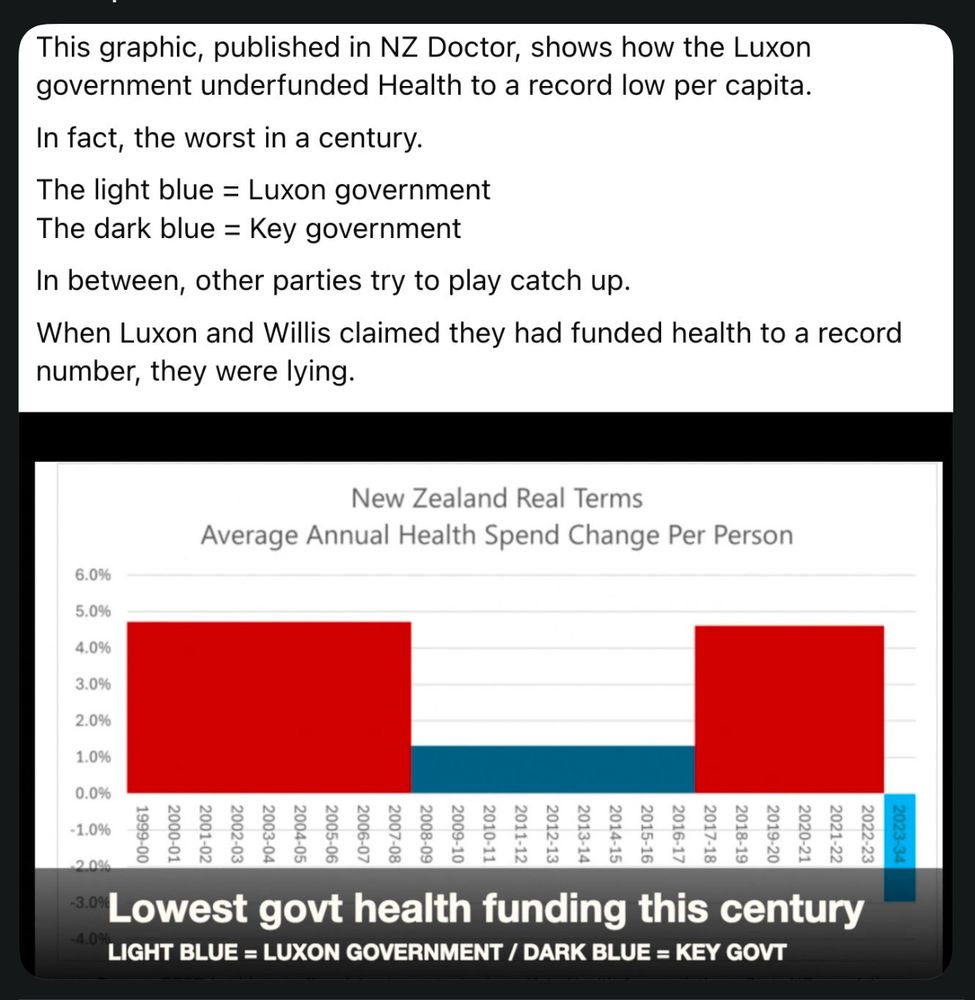
National has said that they believe in a policy of social investment (early intervention to get the best long term results).
Luxon has said education is a priority for him.
This short thread will give you hard data that show that neither of the above statements are true. 🧵
Here’s everyone’s reminder that being born and raised in Hawaiʻi does NOT mean you are Hawaiian/Native Hawaiian/Kanaka Maoli.
Hawaiian is an ethnicity, not a place of birth or lifestyle. If you do not have Hawaiian ancestry, you are NOT Hawaiian. Period.
"Living Wage basically allows me to survive. Before Living Wage came in I was really struggling to afford groceries, especially considering how high my rent was, and the Living Wage has allowed me to thrive in what would be seen as a very basic sense."
Jesus Christ, I’ve never wanted anybody to win something more than I want Luis Enrique to win the CL this year after seeing this.
I’ve got a nine year old daughter and this just flawed me. What a man
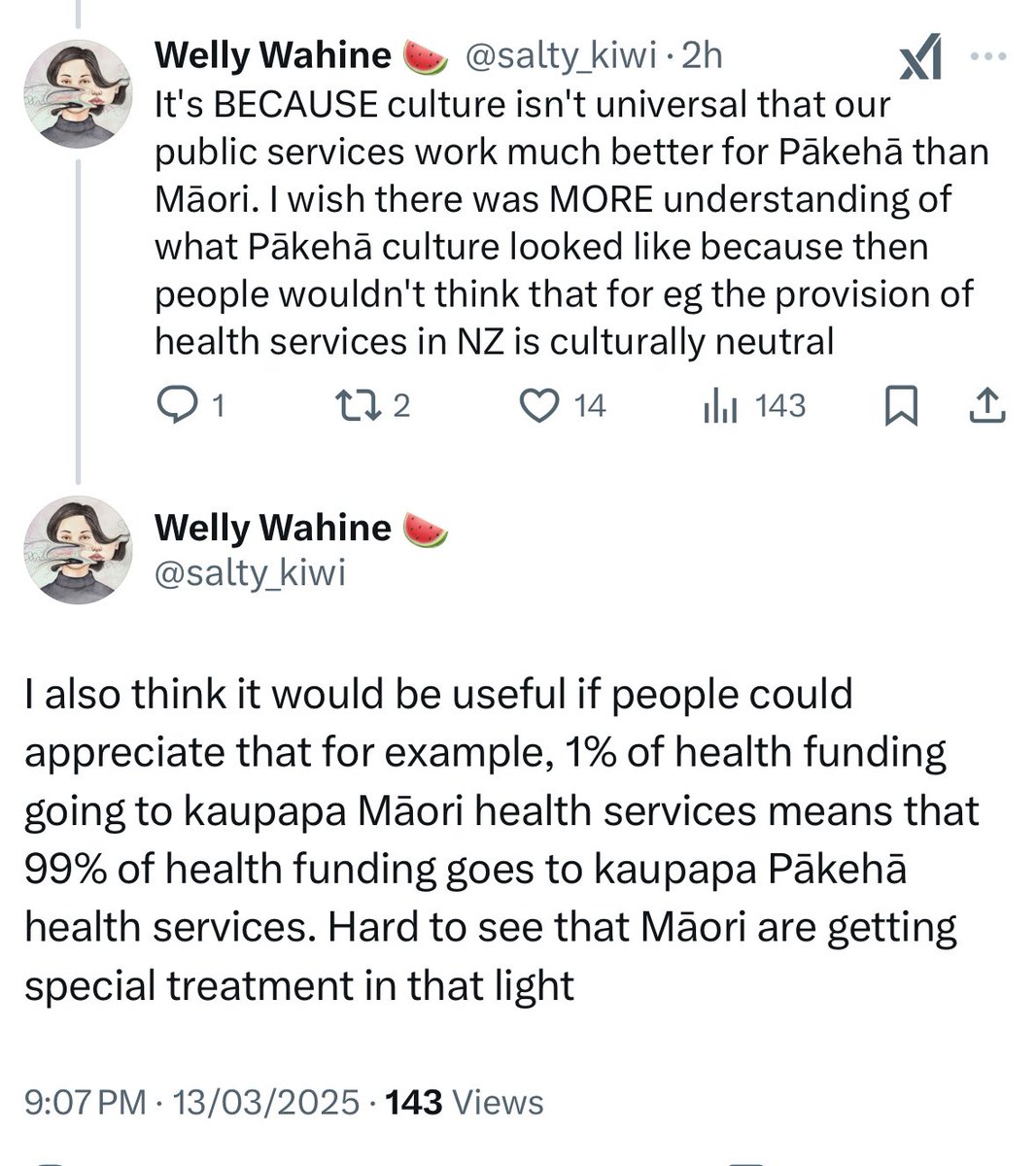
Here's my thread on Pākehā culture. I think it's important that we recognise Pākehā culture exists and is the basis for almost everything our government does. Only then can we realise how privileged Pākehā culture is & what a tiny % of resource goes to kaupapa Māori services
The draft decision to remove the Living Wage from cleaners, caterers, and security guards by the Minister of Finance will hurt real people. People we rely on every day to deliver public services. But it will also hurt us as taxpayers. Let's look at the story of 'Amy'...🧵
The Waitangi Tribunal has published its own statement in response to Prebble resigning. The inclusion of a timeline under the statement is fascinating - is Prebble arguing something different?
https://t.co/ZE4XlNZR4b
15 year contract to Compass with no savings!!!! 😱😱😱😱😱😱😱😱😱😱😱😱😱😱😱😱😱😱😱😱😱😱😱😱😱😱😱😱😱😱😱😱😱😱😱😱😱😱😱😱😱😱😱😱😱😱😱😱😱😱😱😱😱😱😱😱😱😱😱😱😱😱😱😱😱😱😱😱😱😱😱😱😱😱😱😱😱😱😱😱😱😱😱😱😱😱😱😱😱😱😱😓 https://t.co/AvRhJVUoZl
taxpayers shouldn't be paying for electric lighting in schools to bail out lazy parents who can't be bothered sending their children to school with a packed torch