Our new study out today in #AGUpubs! Cyclones cause warm water to rapidly flow from offshore up ocean troughs towards fjords and glaciers in southeastern Greenland. Changing our understanding of these processes with the first observations from satellite https://t.co/Y7mVxBXMs0
@ElenaSavidge @HVerboncoeur @hurricane_mara_@jdmillstein@grumplesiggy Congrats Elena! You crushed it and have such cool work you’ve published and released into the world through your PhD. I’m excited to see what comes next ☺️
A new imagery acquisition plan for @USGSLandsat@NASA_Landsat is dramatically improving satellite coverage of Earth’s surface during low- and even no-light seasons. https://t.co/LU8ISpKhCQ
Thank you so much @grumplesiggy. And to @jdmillstein and Wilson. Y’all put so much work into nominating me and have put an incredible amount of time and love into making CryoCloud incredible. It’s a team effort with a group of amazing people I am grateful for every day.
New paper out in @theAGU Geophysical Research Letters!
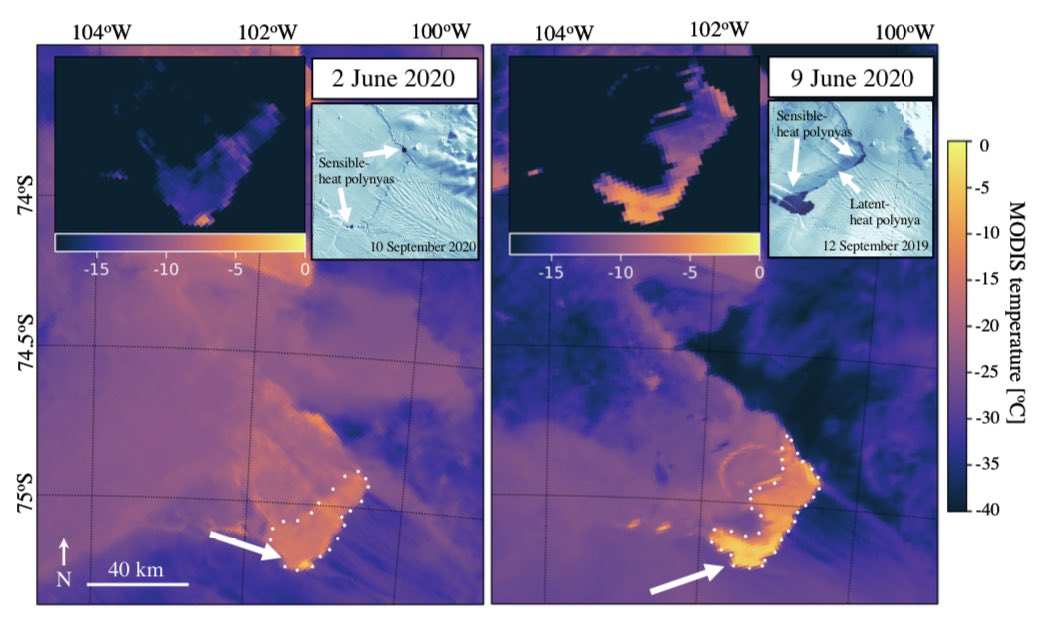
We present a multi-decadal record of sensible-heat polynya variability at Pine Island Glacier & discuss some interesting results & implications for ice-ocean-atm dynamics!
@TashaMSnow@grumplesiggy
https://t.co/2cp6x3HVzL
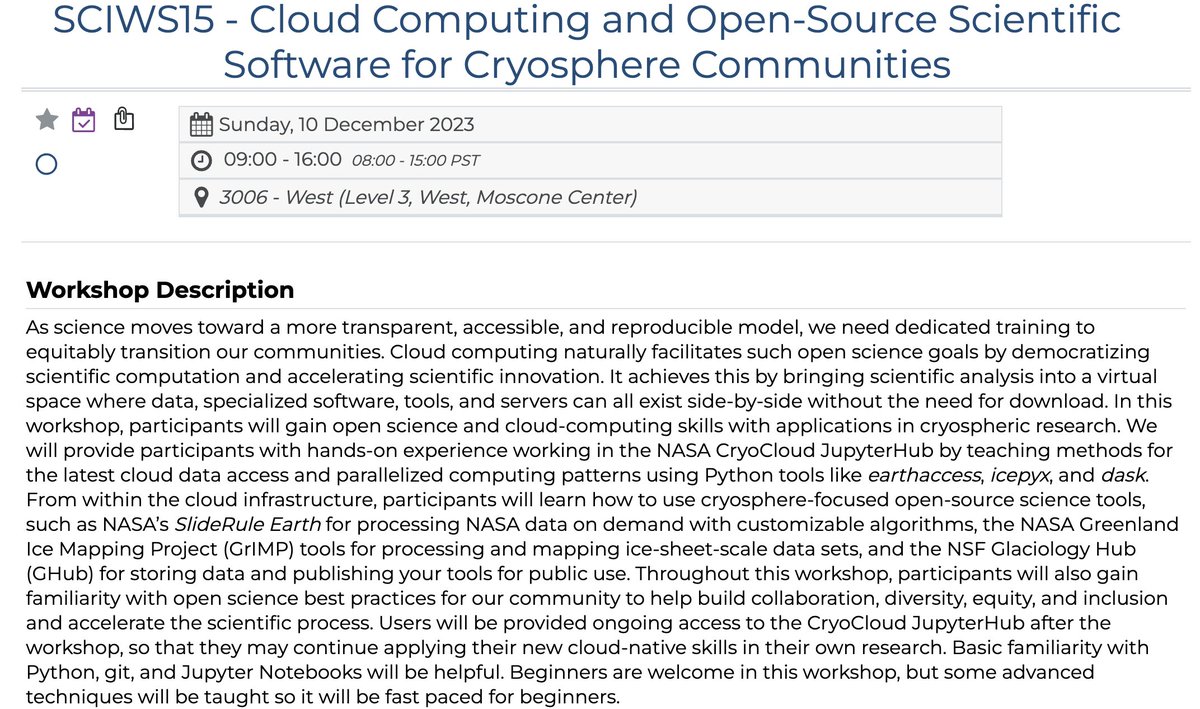
Don't forget to register for our free @theAGU hybrid open science and cloud-computing workshop on Sunday, Dec 10th! See #theAGU registration site under Learning Workshop button to register. To make this more open, we will refund workshop registration costs
https://t.co/hUDz46CsPU
Our new study out today in #AGUpubs! Cyclones cause warm water to rapidly flow from offshore up ocean troughs towards fjords and glaciers in southeastern Greenland. Changing our understanding of these processes with the first observations from satellite https://t.co/Y7mVxBXMs0
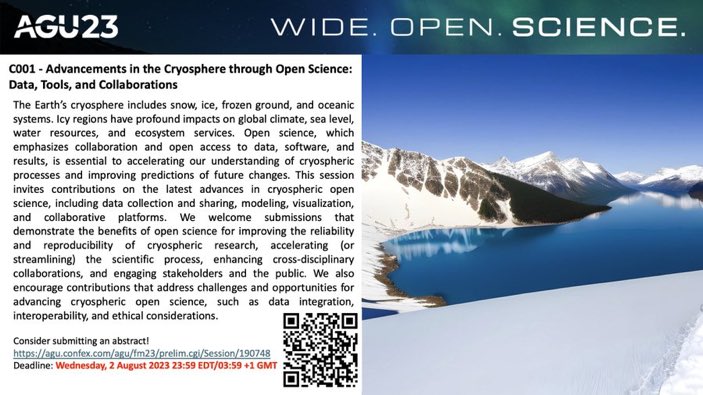
Submit to our AGU session on open science in the cryosphere C001! Tell us about your successes and obstacles in open science. We especially welcome people from underrepresented groups. Abstracts due on Wednesday. We are excited to see you there! https://t.co/jQ6vyfyslL
Global mean sea surface temperature anomalies (departure from average) so far this year ➡️ 3rd highest on record
[Data from @NOAA ERSSTv5 averaged over January to April]
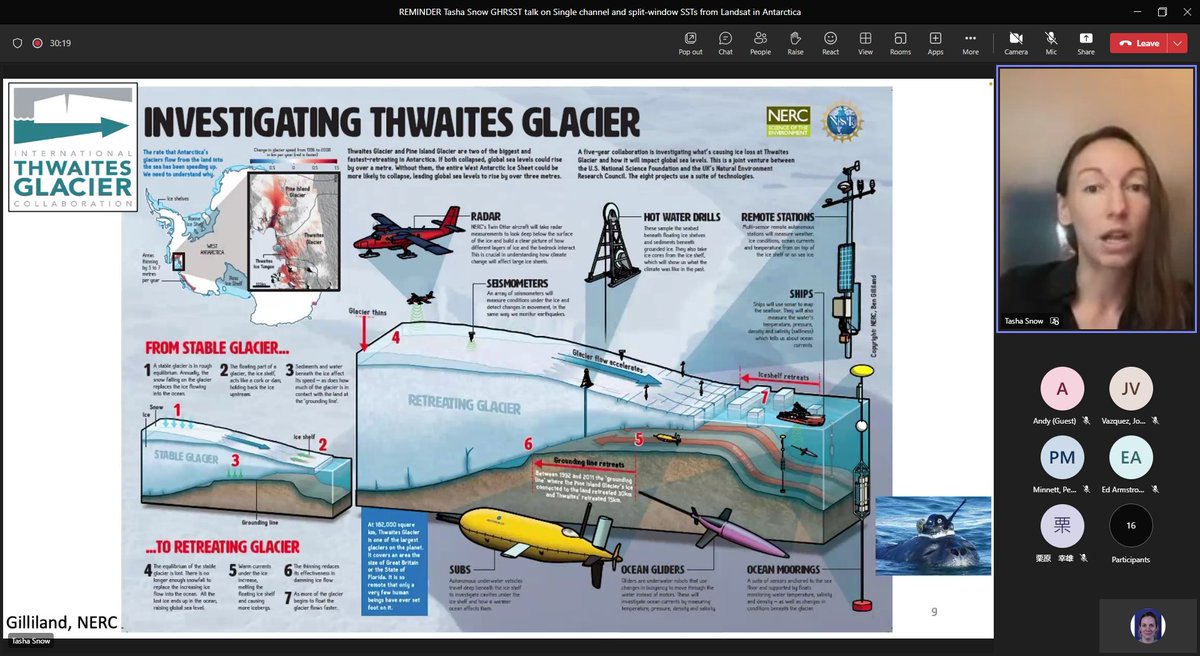
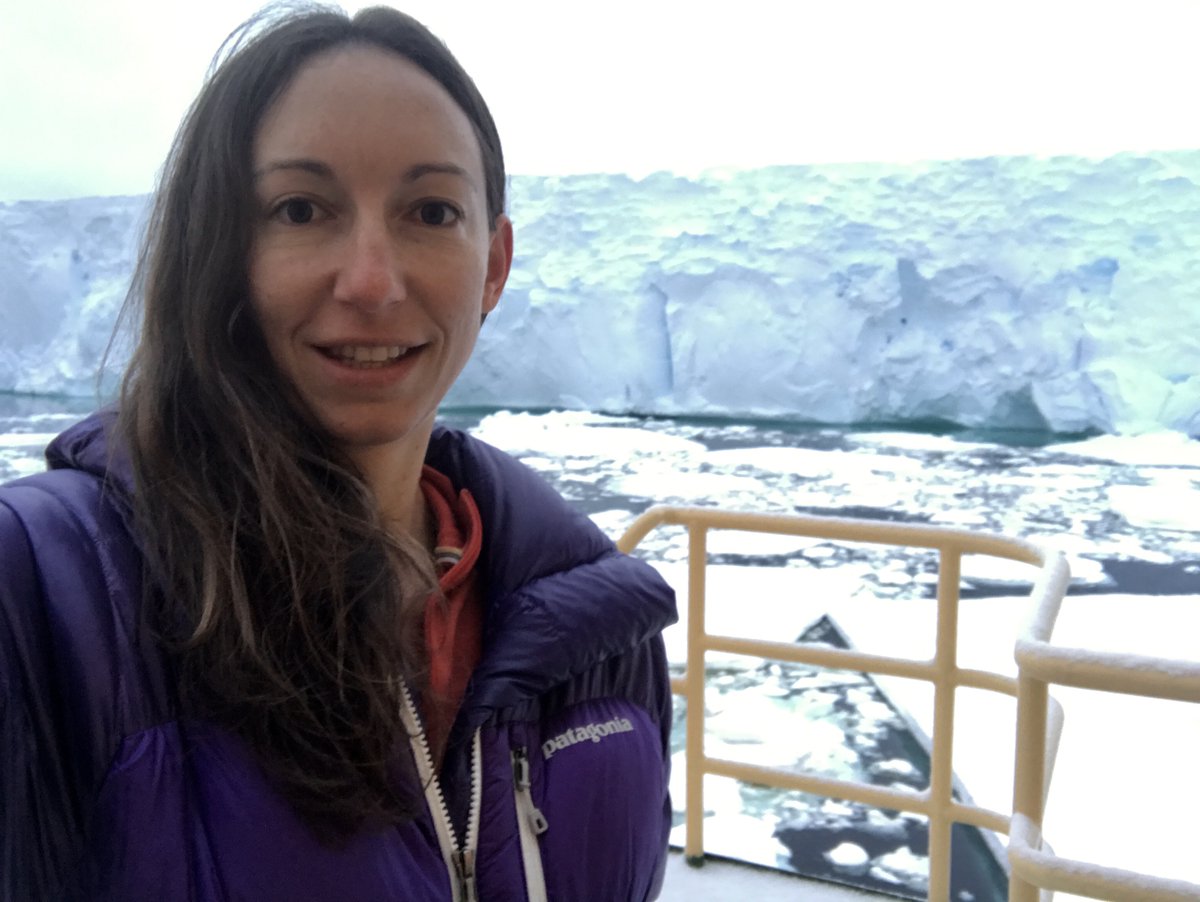
I had a great discussion with the GHRSST team yesterday! I’m working to get a sea surface temperature algorithm built for Landsat thermal imagery and there are lots of cool new applications for this thermal infrared imagery in Antarctica. Check out my talk on it!
If you missed @TashaMSnow talk on Single Channel SST from Landsat in Antarctica with great insights on new applications of thermal infrared imagery in Antarctic glacier-ocean systems using open cloud-computing workflows, it is now online! 🎥https://t.co/jJDAr7le71 #GHRSSTtalks
📢📢📢You have few days left to register and tune in on 4th April to listen to the talk and be part of the Q&A session with @TashaMSnow
If you work on satellite derived #SST, this series of talks is for you.
Link to registration is listed below 👇👇
Our next #GHRSSTtalk on 4 April: Single channel and split-window SSTs from Landsat in Antarctica
with @TashaMSnow, Polar ocean and glacier scientist. Read the abstract and sign up to join the discussion:
https://t.co/uXAHEa3gtV




![ZLabe's tweet photo. Global mean sea surface temperature anomalies (departure from average) so far this year ➡️ 3rd highest on record
[Data from @NOAA ERSSTv5 averaged over January to April] https://t.co/nEB6uJRNzi](https://pbs.twimg.com/media/Fvh3bStXwAAsRBj.png)