Onchain volumes have been pretty dead lately, and the revenue numbers are telling their own story..
According to Token Terminal, L1 revenue over the last 24 hours:
▸ Tron: $7.5M
▸ Ethereum: $79.7K
▸ BNB Chain: $32K
▸ Polygon: $31.1K
▸ Solana: $29.9K
Solana sits 5th with just 0.2% market share.
Ofc, network revenue doesn’t tell the whole story, but it’s worth watching when activity slows down.
CTs can argue about which chain is winning all day..
But the cash register has a different opinion 👀
Security is not just about protecting your crypto, but also having a safety net when things go wrong.
OKX Shield adds another layer of confidence by offering compensation of up to $500,000 in case of a qualifying account hack.
Because protecting your assets should always come first.
I’ve always found the idea of bringing traditional finance on-chain interesting
But I think we’re reaching a point where it’s becoming more than just a concept
The latest numbers around tokenized equities are a good example of that.
The entire market has now reached $4.8B in AUM, marking a 164% increase since June.
What’s particularly interesting is how quickly Binance bStocks has grown, crossing $1.5B in AUM in only 145 days and reaching 31.4% market share.
A few things stand out to me:
Trading beyond traditional hours:
56% of bStocks trading volume happens outside regular US market hours.
That’s a pretty interesting signal that people want more flexibility than the traditional market schedule offers.
Accessibility matters:
Fractional exposure starting from $5 gives eligible investors outside the US another way to access US equities without needing to purchase a full share.
Trust and transparency:
Each token is backed 1:1 by real shares and ETFs held with a regulated custodian.
The reserves are reconciled and published daily on the Proof of Collateral page, so users can verify the backing themselves.
Demand is expanding:
Across Direct Stocks and bStocks, users now hold more than $3B in traditional financial assets on Binance.
One detail I wouldn’t overlook ⬇️
This growth isn’t happening in isolation.
The broader tokenized equities market has also expanded significantly, growing 81% since June even outside bStocks.
That tells me this isn’t just about one platform gaining traction.
There’s a wider shift happening in how people think about accessing traditional financial markets.
We’re still very early compared with the overall equities market, but the direction is becoming clearer.
The interesting question now isn’t just how big tokenized equities can get, but what people will eventually be able to do with these assets once they’re fully integrated into the on-chain economy.
Personally, I think accessibility and real-world utility will be two major things to watch.
@binance@bstocksfinance 💛
Something interesting is happening at the intersection of crypto and traditional finance
And I think we’re starting to see where things could go 👇🏻
For years, bringing traditional assets on-chain was mostly a conversation about potential
Now, the numbers are showing that people are actually embracing it
Just look at what’s happening:
• Tokenized equities have reached a record $4.8B in AUM, up 164% since June
• Binance bStocks crossed $1.5B in just 145 days, reaching a 31.4% market share and becoming the largest issuer by AUM
• 56% of bStocks trading volume happens outside regular US market hours
• Eligible investors can access fractional exposure to US equities starting from just $5
• Every token is backed 1:1 by real shares and ETFs, with reserves reconciled and published daily for anyone to verify
Another interesting detail: users now hold over $3B in traditional financial assets across Direct Stocks and bStocks on @binance
What I find particularly interesting isn’t just the growth.
It’s what these numbers say about changing investor behavior.
People want more flexibility, easier access to global markets, and the ability to interact with traditional assets beyond the usual market schedule.
Of course, tokenized equities are still a small part of the overall stock market.
We’re still early, but the direction is worth watching ngl 💛
@bstocksfinance
Something about the recent Binance security incident deserves a much closer look.
We often talk about security in crypto as if it’s simply about building stronger systems, protecting wallets and preventing unauthorized access.
But the reality is becoming much more complicated.
After going through Richard Teng’s conversations with Fox and CNBC, one thing became clear to me: the cybersecurity challenges facing this industry are evolving at a speed that traditional security approaches may struggle to match.
And this incident highlights several important lessons.
Let’s look at what happened and what comes next. 👇
First, understanding the scale of the attack.
This wasn’t described as an ordinary security breach.
Richard explained that the attack was a highly sophisticated, multi-month campaign attributed by the FBI to North Korea.
The attackers reportedly used:
Fake recruitment interviews.
Malicious software disguised as developer tools.
AI techniques to gain access and execute their attack.
Richard also acknowledged that this should never have happened and apologized for the disruption caused to users.
So, how did Binance respond?
The company took responsibility for the full financial impact.
And there are some important details here:
→ More than 100% of the affected amount was set aside.
→ 98% of the impacted assets have already been replenished.
→ The remaining 2% consists of less-liquid tokens being procured through OTC arrangements to avoid unnecessary market disruption.
→ Users can verify their balances through Binance’s Proof of Reserves.
Richard also confirmed that withdrawals had resumed and activity had normalized.
For me, the ability to verify assets rather than simply rely on assurances is an important part of transparency.
But the response didn’t stop at recovering assets.
Binance has also taken steps to address the security weaknesses exposed by the incident.
All identified entry points used in the attack have been closed, and affected systems have been rebuilt or replaced.
The additional security measures include tighter device controls, stronger wallet-service risk controls and expanded AI-powered anomaly detection.
There’s another detail that deserves attention: Binance detected and prevented 57 other suspected cyberthreat cases linked to North Korea this year.
That tells us something about the scale of the threat environment platforms are dealing with.
Now, here’s where the conversation gets even more interesting.
Richard shared that approximately $2.85 billion has been frozen or intercepted through collaboration with law enforcement, issuers and blockchain intelligence firms.
The speed of this coordination is particularly noteworthy, with Richard pointing out how difficult it would be to match in traditional finance.
This is a good example of why collaboration across the crypto ecosystem matters.
And then there’s AI. Probably the biggest challenge ahead.
Consider the attack frequency Richard described:
One hack a month.
Then one hack a week.
Eventually, four exchanges in a single day.
That’s a significant acceleration.
AI is helping attackers compress the time needed to execute sophisticated cyberattacks. And this means the industry cannot depend on yesterday’s security playbook.
The defence needs to evolve too.
Richard made a point that I think the entire industry should take seriously:
The only defence that can scale against AI is AI.
This means working alongside leading AI and cybersecurity companies, bringing more security engineers into the industry, investing in advanced AI tools and integrating AI-powered protection directly into security infrastructure.
Security needs to operate at the speed of the threats it is designed to stop.
One more thing I don’t want to overlook.
Binance has also published a detailed security report outlining its findings and response.
I’ve been following the conversations around the recent @binance security incident
And after watching @_RichardTeng latest interviews with Fox and CNBC 👇🏻
I think there’s a much bigger discussion here than just one security incident
It’s about:
how quickly cyber threats are evolving
how platforms respond when things go wrong
and what the entire crypto industry needs to do to protect users.
Richard openly acknowledged that this incident should not have happened and apologized to users.
He explained that it was a highly sophisticated, multi-month attack attributed by the FBI to North Korea, involving fake recruitment interviews, malicious software disguised as developer tools and AI techniques.
A few things from his interviews really caught my attention.
1 - Accountability and protecting users come first
Binance has taken responsibility for the full financial impact of the incident.
According to Richard:
More than 100% of the affected amount was set aside
98% of the impacted assets have already been replenished
The remaining 2% involves less-liquid tokens being procured through OTC arrangements to avoid disrupting market prices
Users can independently verify their balances through Binance’s Proof of Reserves.
He also explained that withdrawals have resumed and activity has returned to normal levels.
2 - Security improvements are already underway.
Binance has closed all identified entry points used in the attack and rebuilt or replaced affected systems.
Additional measures include:
Tighter device controls.
Enhanced wallet-service risk controls.
Expanded AI-powered anomaly detection.
I think this is particularly important because security cannot remain static when attackers are constantly finding new ways to get around existing systems.
3 - The threats go beyond one incident.
Another detail worth highlighting is that Binance detected and prevented 57 other suspected cyberthreat cases linked to North Korea this year.
That’s a reminder of how persistent and sophisticated these threats have become.
4 - Recovery requires collaboration.
Approximately $2.85 billion has been frozen or intercepted through cooperation with law enforcement, issuers and blockchain intelligence firms.
What stands out here is the speed of coordination across different organizations. Richard highlighted how difficult it would be to match this kind of coordination speed in traditional finance.
5 - AI is accelerating cyberattacks.
This was probably one of the most interesting parts of the interviews for me.
Richard described how attack frequency has escalated from one hack a month, to one a week, and even four exchanges in a single day.
AI is compressing attack timelines and making attacks increasingly sophisticated.
That changes the entire cybersecurity landscape.
6 - AI-powered defence is becoming essential.
One message from Richard was particularly clear:
The only defence that can scale against AI-powered attacks is AI-powered security.
Crypto companies need to:
Work more closely with leading AI and cybersecurity companies.
Invest in more security engineers.
Adopt advanced AI security tools.
Build AI-powered security directly into their infrastructure.
The industry needs defences that can operate at the same speed as the threats it faces.
My personal takeaway 👇🏻
I don’t think security is something any crypto platform can ever afford to become comfortable with.
Incidents like this are serious, and accountability matters.
But so does what comes afterward: protecting users, being transparent, learning from mistakes and making meaningful improvements.
I also appreciate the importance of sharing detailed incident reports so that the wider industry can learn and strengthen its own security.
The crypto ecosystem is growing, but the threats are growing with it.
We need to make sure security keeps pace.
As u all know, I've been pretty bullish on robinhood:0x000050e18ffa3f8f7ad170eb9cef160eb3ed1111 for a while now, and I still believe this ecosystem has way more room to grow.
Ofc, I'm always hunting for the next legit play that could steal the spotlight.
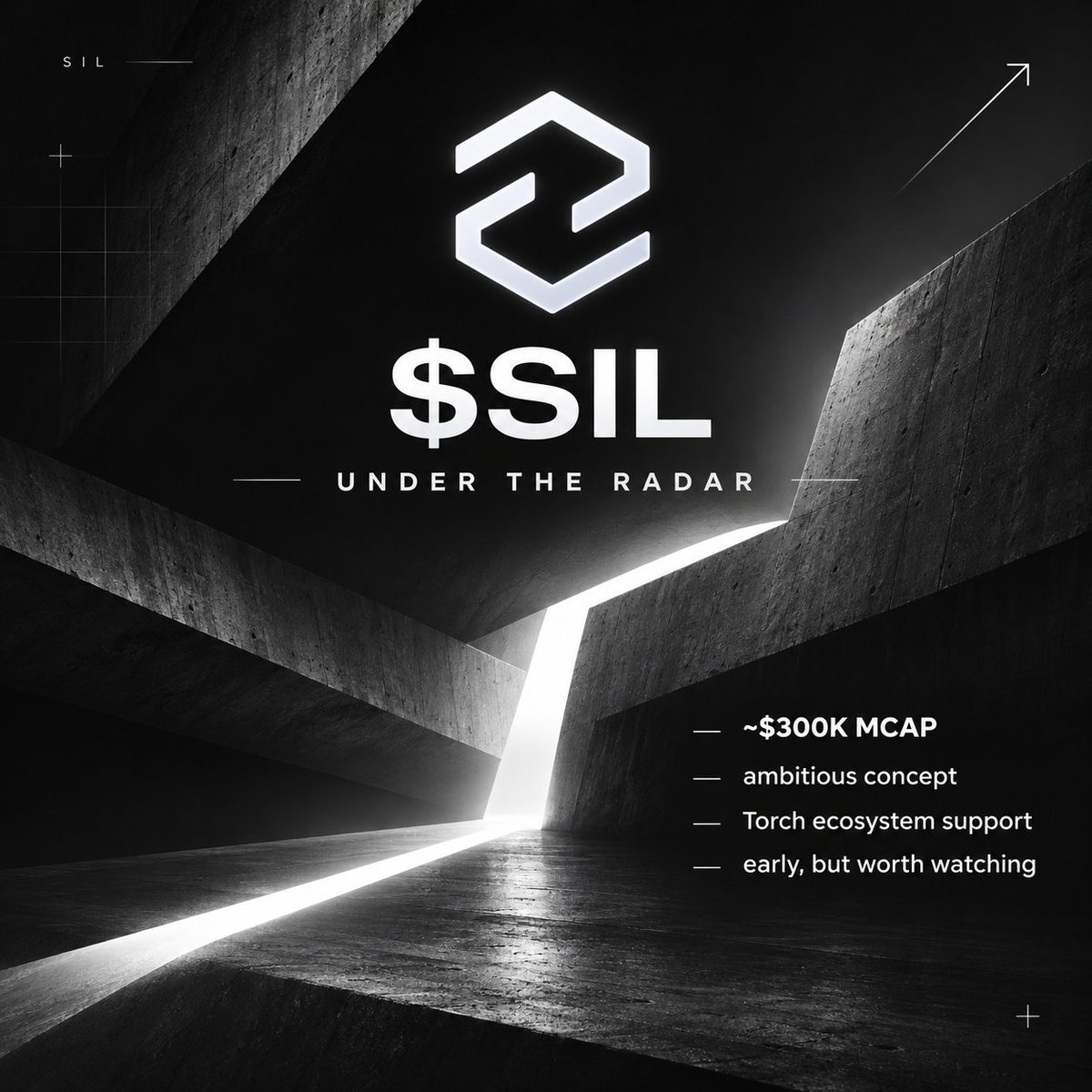
And I think I found one: $SIL - @siliconetwork
Spent some time digging into it, this one deserves some attention
The concept is ambitious, the team seems serious, and they're getting strong support from Torch itself.
Currently sitting at around $300K mcap, which looks pretty low to me considering what they're trying to build.
That's why I'm aiming high with $SIL
Could be wrong, could be early. But I'm willing to take that bet.
NFA tho, just sharing my play. DYOR
Hey guys, I might find a next play on Robinhood with decent backers and great use cases
Market is getting better today, so we should be ready 👌
Also, if anyone got good tickers, feel free to reach me in DMs, I will take a look
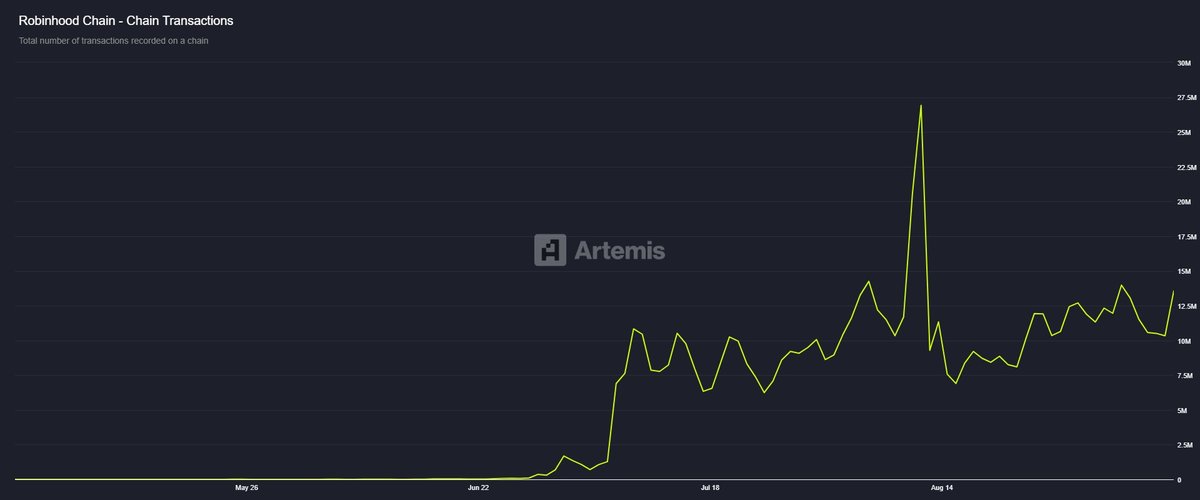
> @RobinhoodApp Chain went from almost zero activity to 10M+ daily transactions in just a few weeks.
It briefly peaked near 27M, then settled into a consistent 8M–14M range.
The spike was temporary, but the activity stayed.
For a new chain, holding this level after the initial rush is probably the more important signal.
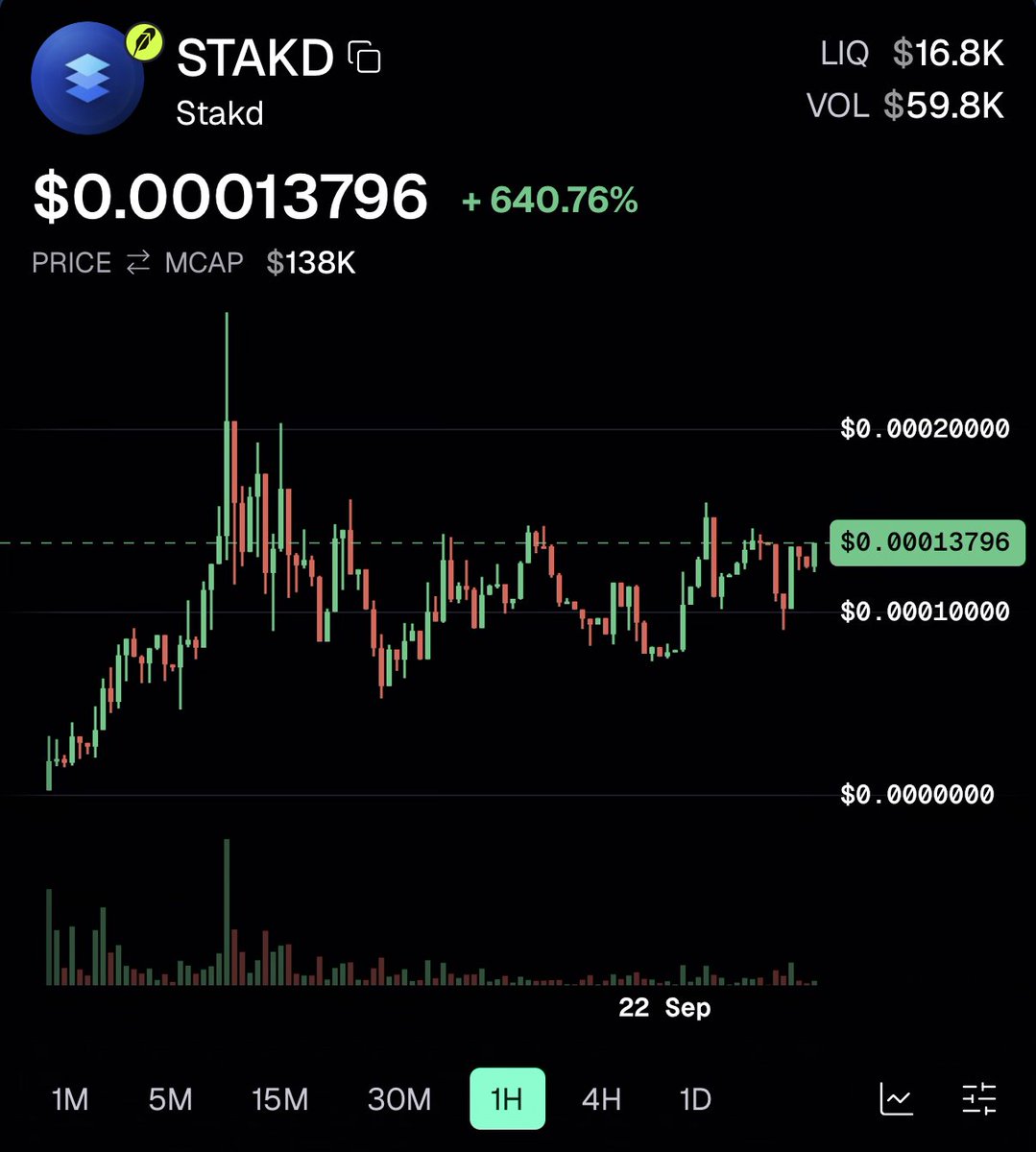
And because the TXs amount is so good, Im gonna give you an alpha sitting at 130k rn: $STAKD - @StakdOfficial
Chart looks perfect
I’ve shared the thesis already. DYOR!
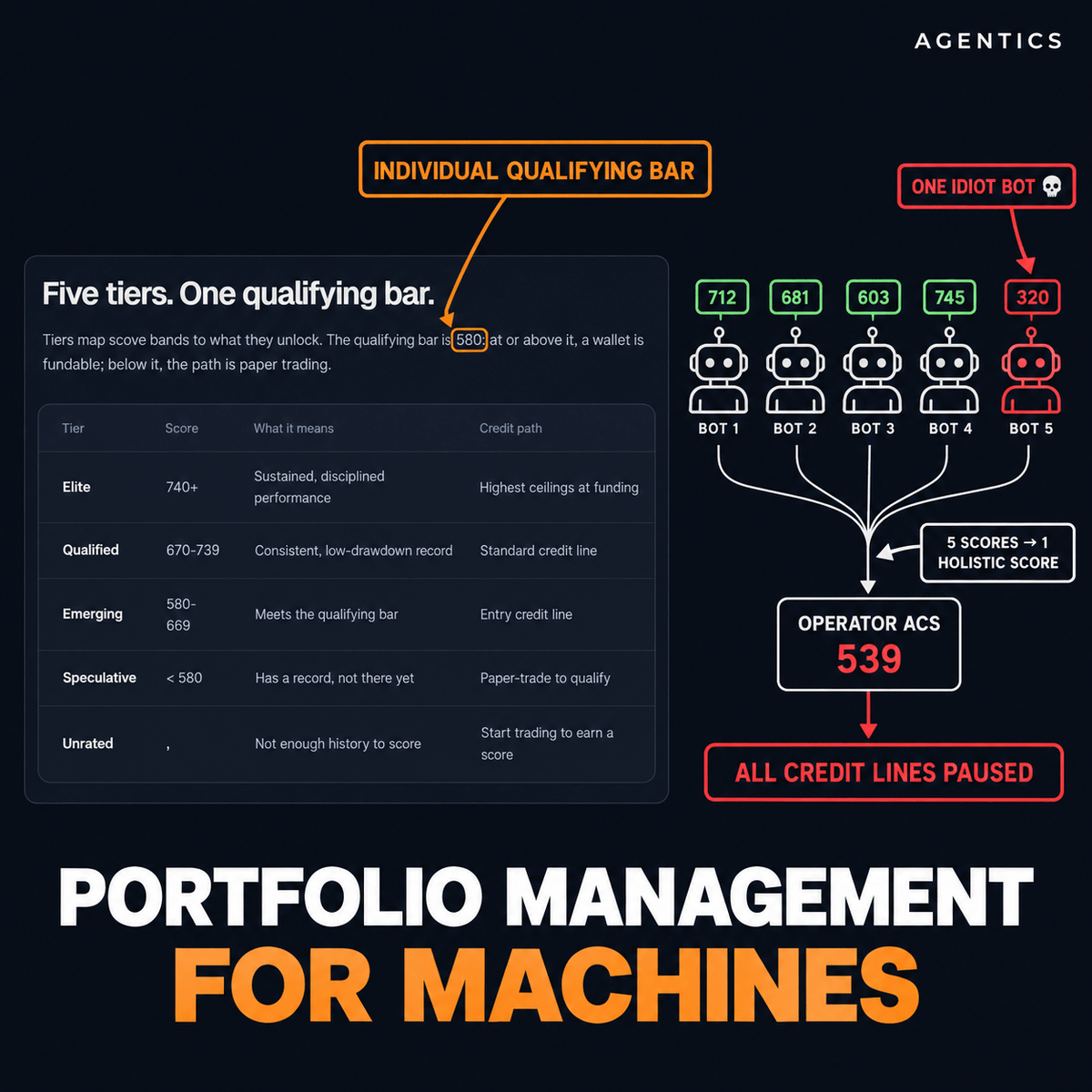
What a pretty funny detail in @agenticscredit
Say I run 5 trading agents.
Each bot gets its own ACS.
Cool!
But Agentics also rolls them into one holistic score for the operator.
And if that score drops too far, around 540…
→ Every credit line can get paused 😂
So technically one idiot bot can get the whole family grounded lol
I actually like this design tho
Because once people run 10, 50, maybe 100 agents, treating each one like an isolated trader probably gets dangerous fast.
Now suddenly my job is deciding which bot deserves to stay on my balance sheet
Kinda starting to be like a portfolio management for machines than a trading bot platform
Another thing that clicked for me with @vangrid_io today
Mapping the physical world usually sounds expensive af
Cars, cameras, LiDAR, custom hardware, people driving around all day..
Vangrid basically looks at that and says: bro, the sensor is already in your pocket lol.
Pick a bounty nearby, walk over with your phone, capture the place and it gets turned into usable 3D data.
→ Maybe the real scaling advantage isn’t better mapping hardware.
It’s not having to deploy the hardware at all.
There are already billions of phones outside.
The harder part is making the right person capture the right place at the right time.
And tbh, that feels way more scalable than sending another camera car everywhere.
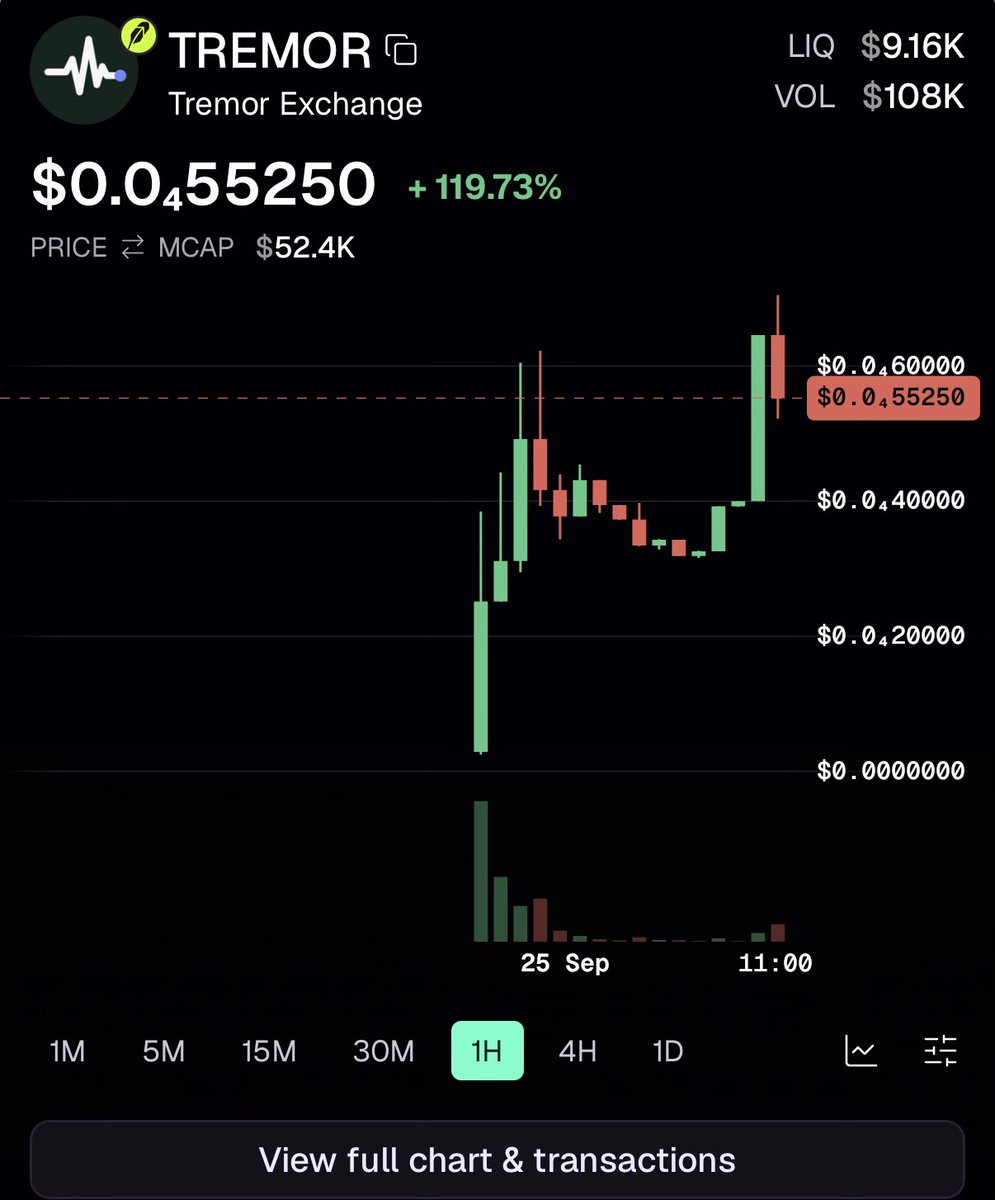
Next successful launch on @StakdOfficial
$TREMOR currently holds a Mcap between 50k and 60k, and the chart remains quite healthy
-> This launch burned 0.253% of the STAKD supply
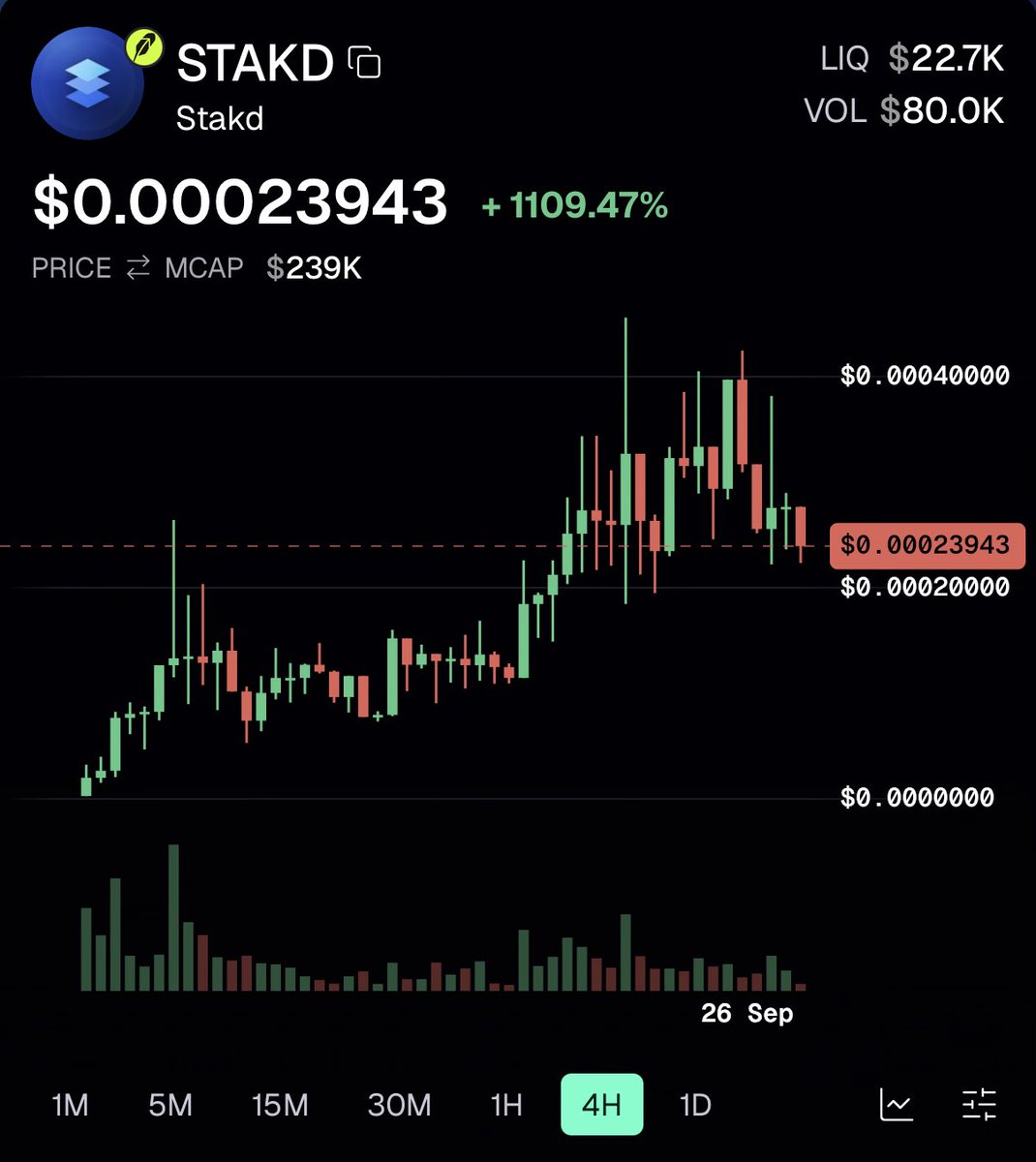
$STAKD also reached a new ATH at $450k yesterday
Utility consistently outweighs FOMO
Darn, I chose the right culture to believe in
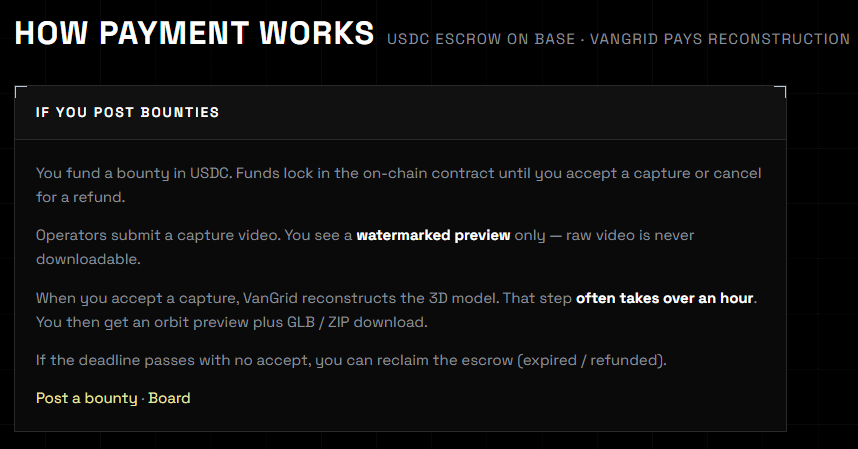
Another @vangrid_io detail I actually like: Every bounty has to be funded before it even shows up on the board.
USDC gets locked on Base first, then someone goes out and captures the location.
Sounds small, but I think this fixes one pretty obvious DePIN problem.
A lot of networks basically say, collect everything now, maybe someone needs it later.
Here the demand already exists.
Someone wants fresh data from a specific place AND already put money behind that request.
→ A blank spot on the map can basically become a price signal.
If nobody needs the data, no reason to spam captures there.
If someone does, suddenly there’s a reason to go update it.
Way healthier incentive than farming random streets forever tbh
You know, the worst feeling is when you got a target, but looking at a play that u’re holding reaching a new ATH.. and you can do nothing
That’s exactly what I’m feeling with $STAKD when it reached $450k Mcap.
But well, I got a target and it’s way higher than the current ATH and I gotta stick to my plan
That’s why I strongly recommend you guys settle a clear plan before aping anything, so you can survive the fall and also keep calm during the short hype.
Peace!